








Super Bowl's Crypto Moment: A Mainstream Signal or "Web3 Super Bowl 2.0"?
TechFlow Selected TechFlow Selected
Super Bowl's Crypto Moment: A Mainstream Signal or "Web3 Super Bowl 2.0"?
Given the "Internet Super Bowl," many investors are skeptical of this year's "Crypto Super Bowl." Most of this year's crypto advertisements have centered around the "don't miss out" theme, aiming to attract new investors into the crypto frenzy.
 Navigating Web3 tides with focused insights
By Heimi, Baize Research Institute
On February 13 at 6:30 PM Eastern Time, Super Bowl—the event known as the "American Spring Festival Gala"—concluded. The Super Bowl is the annual championship game of the National Football League (NFL), with the winner crowned "World Champions." This year's match featured the Los Angeles Rams versus the Cincinnati Bengals, with the Rams ultimately claiming victory.
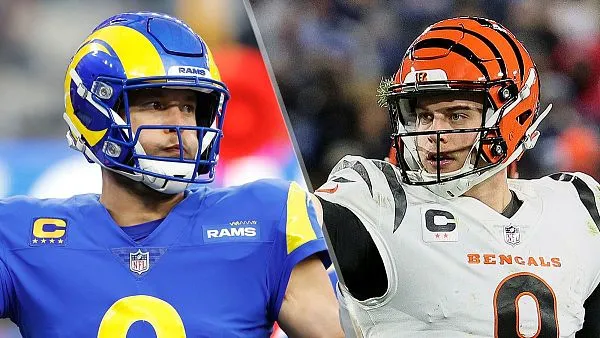
The Super Bowl is far more than a three-hour American football game. For an entire week leading up to kickoff, organizers, hosts, and sponsors invite the world’s most renowned musical artists to perform shows and pre-game parties. In fact, these performances often attract even greater fan attention than the game itself.
According to data, approximately 36 million U.S. households watched the game, while 29 million tuned in for the halftime musical performance. Numerous celebrities also attended the event in person, including Dwayne "The Rock" Johnson, Justin Bieber, and Matt Damon.
Given its massive appeal and audience reach, advertising during the Super Bowl has become a key benchmark for brand status. Countless companies spend millions just for a few seconds of airtime. This year, alongside traditional ads from automotive, food, and beer brands, cryptocurrency firms also joined the lineup—each paying $6.5 million for their 30-second spots.
Native crypto companies Coinbase, FTX, and Crypto.com made their Super Bowl debuts with promotions tied to digital assets. This marks not only a milestone for the crypto industry but also sparked widespread discussion on social media platforms like Twitter. Among them, Coinbase stood out with its simple “QR code ad,” dominating online conversations.
Crypto Ads Take Center Stage at the Super Bowl
FTX
In FTX’s commercial, comedian Larry David plays a bumbling time traveler who dismisses major historical innovations—such as the wheel and the light bulb—throughout history, embodying a skeptical “naysayer” role. Ultimately, he also rejects the modern innovation of FTX, the crypto exchange. The ad ends with the tagline: “Don’t be like Larry. Don’t miss the next big thing.”

While creative, audience reactions to this ad have been overwhelmingly negative so far.
Crypto.com
Crypto.com’s Super Bowl ad stars basketball legend LeBron James, depicting a conversation between present-day LeBron and his younger self from 2003. He encourages his younger version to take bold risks and become a legend. The slogan: “Fortune Favors the Brave.”
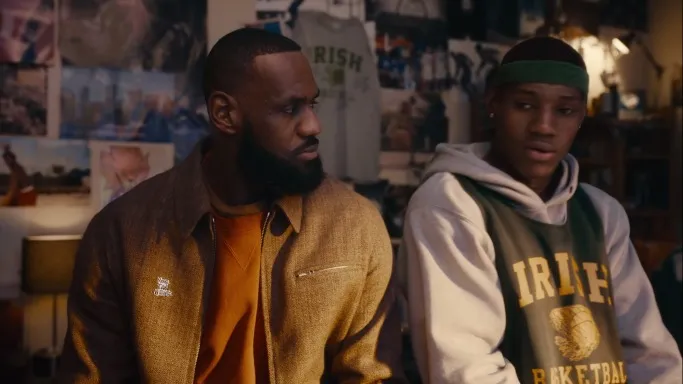
Ben Lay, Creative Director at Crypto.com, said in a behind-the-scenes video: “At its core, this is truly a story about all of us. We all face pivotal decisions that shape our futures. LeBron is an extraordinary figure, yet he brings relatable humanity that we can all connect with. Together, we’re inspiring a new generation of builders to create a better version of the internet.”
This aligns with the company’s philosophy: Cryptocurrency and Web3 have the potential to create a fairer, more equitable system—a bold vision that many once deemed impossible. Yet they fearlessly strive to fulfill that promise.
The ad was warmly received, as both crypto enthusiasts and basketball fans discussed LeBron’s “defining moment.”
Coinbase
Amid a sea of flashy, celebrity-filled commercials, Coinbase stood out—drawing both praise and ridicule in equal measure.
Although Coinbase was one of the most talked-about crypto companies during the game, its ad was arguably the simplest ever. It featured a single QR code displayed on screen for one minute. Scanning it directed users to Coinbase’s website, where new users could receive $15 worth of Bitcoin for free upon registration, while existing users gained entry into a $3 million Bitcoin giveaway.
Unexpectedly, despite its simplicity, Coinbase’s approach generated massive attention: over 20 million people attempted to visit the site within one minute of the ad airing—more than six times the usual traffic volume. The surge overwhelmed the platform, causing access issues for some users.
Edward Snowden commented: “Coinbase spent $16 million on a Super Bowl ad to drive traffic to their website and $0 ensuring it wouldn’t crash within 10 seconds of the ad starting. That’s very internet.”
FTX, Crypto.com, and Coinbase provided ample talking points for Super Bowl viewers, but other companies—including eToro, TurboTax, and Bud Light—also joined the crypto-themed advertising wave.
eToro
eToro, an Israeli stock brokerage and one of the earliest trading platforms to offer cryptocurrency services to users, also aired an ad during the Super Bowl. The concept was straightforward—centered around “investing together”: everyone else is jumping into crypto, so why aren’t you? The ad even included cameos by Dogecoin’s Shiba Inu mascot and characters from Bored Ape Yacht Club.
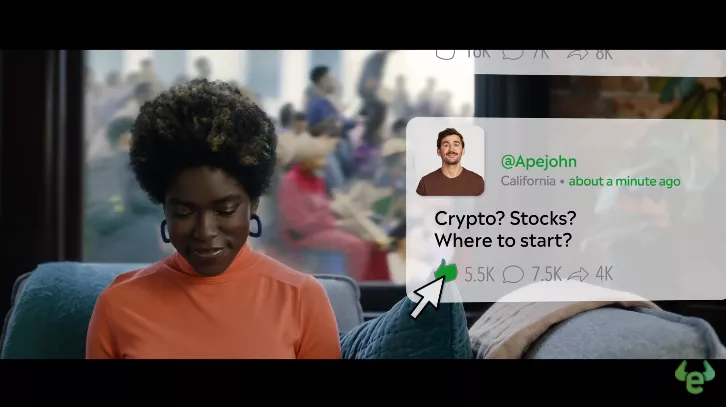
In the ad, a crypto trader asks a newcomer: “To the Moon?” This line sparked controversy—was promising price surges to potentially first-time investors a responsible message?
Bud Light
Bud Light has long been a regular presence during Super Bowl ads, but this year marked its first foray into the crypto space. The beer giant promoted its new Bud Light N3XT beverage, which acknowledged the company’s participation in the Noun DAO NFT project.

TurboTax
TurboTax is the leading tax preparation software, best known for being user-friendly—even first-time filers can maximize benefits through its guided process.
Comedian Jason Sudeikis starred in TurboTax’s ad. In the scene, a taxpayer asks: “What if… I don’t know how to be a freelancer, but… I invested in cryptocurrency back home in Iowa?”

Notably, the world’s largest cryptocurrency exchange, Binance, took a different approach—posting a 30-second video on Twitter starring NBA Miami Heat forward Jimmy Butler to warn new entrants: “On February 13—the day of the Super Bowl—some big names will tell you to buy crypto. Binance and I are here to remind you: trust your own judgment, do your own research.”
Mainstream Breakthrough or 'Dot-com Bowl 2.0'?
Some analysts draw clear parallels between today’s crypto landscape and the dot-com bubble era.
The 2000 Super Bowl, dubbed the “Dot-com Bowl,” featured 14 ads from internet startups, collectively buying 20% of available ad time at an average cost of $2.2 million each. However, after the burst of the dot-com bubble, only four of those 14 companies remain operational today—five were acquired, and others, like Pets.com, collapsed due to lack of funding despite initial hype.
In light of the “Dot-com Bowl,” many investors remain skeptical about this year’s “Crypto Bowl.” Most crypto ads revolved around the theme of “don’t miss out,” aiming to lure new investors into the crypto frenzy.
Anindya Ghose, professor at NYU Stern School of Business, stated: “My concern is that when 98% of these cryptocurrencies or NFTs go to zero in the coming years, it will devastate many small investors. If you’re someone like Matt Damon or Paris Hilton, losing 5% of your net worth may be bearable. But for many retail investors, losing 5% or 10% of their net worth is a significant blow.”
John Antil, associate professor of marketing at the University of Delaware and expert on Super Bowl advertising, noted: “Advertising during established, high-cost events like the Super Bowl boosts legitimacy and trust. It’s the ‘ultimate tool’ for smaller, lesser-known brands to gain visibility—especially valuable when public perception of crypto remains uncertain.”
However, Antil also cautioned that the “Crypto Bowl” could indeed follow the same trajectory as the 2000 “Dot-com Bowl.”
Some on social media push back against the comparison, arguing that even if crypto experiences a downturn similar to the dot-com bust, the internet still thrived afterward—suggesting crypto may also endure in some healthy form in the future.
Kate Rouch, Chief Marketing Officer at Coinbase, echoed this sentiment: “We don’t think so—and judging by the Super Bowl audience’s reaction, neither do they. Crypto is about new models of ownership, creativity, and community—building together, not tearing down. The number of crypto ads at the Super Bowl signals that cryptocurrency is going mainstream and sits at the heart of cultural zeitgeist. Today is a proud day in crypto history.”
Join TechFlow official community to stay tuned
Telegram:https://t.me/TechFlowDaily
X (Twitter):https://x.com/TechFlowPost
X (Twitter) EN:https://x.com/BlockFlow_News
 Baize Research


