








Deep Dive into the Creator Economy: What Impact Can NFTs and Cryptocurrencies Bring to the Creator Economy?
TechFlow Selected TechFlow Selected
Deep Dive into the Creator Economy: What Impact Can NFTs and Cryptocurrencies Bring to the Creator Economy?
Becoming a professional creator is a career choice. When creators love their work and put in the effort, they become professional creators.
 Navigating Web3 tides with focused insights
 Author: kadeemclarke
Translation: Bitcoin.com.cn
What Is the Creator Economy?
What would the world look like if Facebook, Instagram, Twitter, or TikTok were owned and operated by users? What if these users also voted on issues such as data collection and content moderation? This is how the imagined creator economy should look in the future.
The creator economy attracted over $1.3 billion in funding in 2021. But ultimately, who captures most of the revenue generated by these platforms? Clearly not the creators.
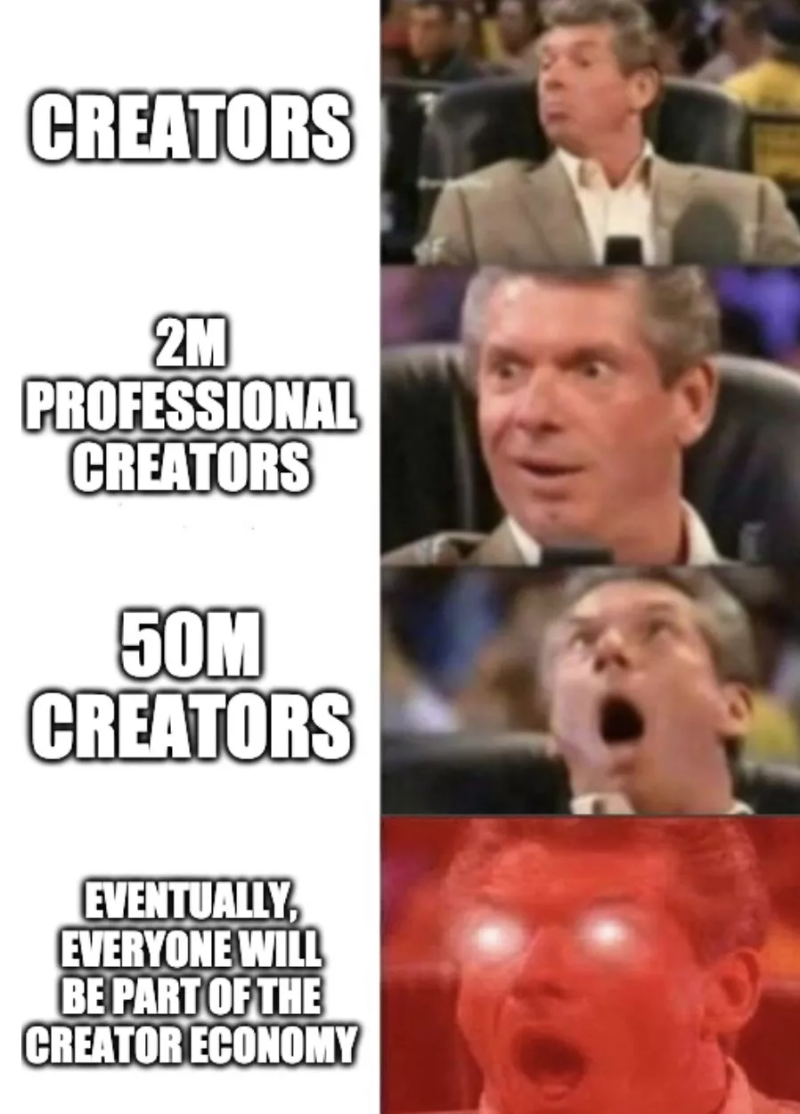
The creator economy includes more than 50 million independent content creators and curators. It also consists of community builders such as bloggers, social media influencers, videographers, and the financial and software tools designed to help these creators earn money and grow.
Creators can earn money through:
1) Selling digital content
2) Charging course fees
3) Receiving payments from fans via donation platforms
4) Charging subscription fees
5) Participating in affiliate marketing
6) Charging fan clubs
7) Creating or sharing sponsored content
8) Sharing ad revenue
9) Receiving tips
10) Highlighting product placements
11) Accepting one-time sales or donations
12) Selling fan engagement opportunities
The Biggest Problem with Current Content Platforms—Lack of a Middle Class
In the late 2000s, we witnessed the rise of social media platforms like Facebook, Twitter, Medium, YouTube, iTunes, Instagram, and TikTok. Content creators were no longer at the mercy of production and marketing companies. These creators could produce content and easily share it.
These platforms solved the distribution problem for content creators, enabling them to amass large followings. However, the direct monetization channels available to these creators were extremely limited. In the past, YouTube was the only exception, allowing creators to keep 55% of ad revenue.
Vine is a perfect example of a platform that failed to incentivize its users. Acquired by Twitter in 2012, this short-video app attracted over 200 million monthly active users by 2015. When creators realized Vine lacked any infrastructure to support them, they left the platform en masse.
Platforms like Patreon and Twitch introduced new monetization features, enabling creators to directly benefit from their content. Yet, only top-tier creators achieve six-figure incomes. As seen across various platforms, the “middle class” struggles. The top 1% of creators on OnlyFans earn one-third of all profits, while the “middle class” earns less than $145 per month.
Stages of the Creator Economy
The creator economy has undergone various revolutions. Below are some key stages.
Stage One: Foundational Media Platforms
Social media platforms laid the foundation for today’s creator economy. Creators built massive followings on platforms like YouTube, Facebook, Instagram, Twitch, and Medium. These foundational platforms helped creators gain visibility and invested heavily in curation and recommendation algorithms.
These platforms aggregated creators and equipped them with audience development tools. They created multimedia editing tools to help refine content. However, these foundational media platforms don’t always act in creators’ best interests. Innovative creators diversified their presence across multiple platforms and cross-promoted to ensure they weren't dependent on any single platform owner. This approach protects creators when platform owners change priorities, lose market share, or reduce monetization features.
Stage Two: Monetizing Influencer Reach
Foundational media platforms enabled some creators to attract large audiences. At this point, businesses realized they could leverage creators with big followings to promote their brands. Some platforms, like YouTube, began sharing ad revenue with creators. Others, like Facebook and Twitter, initially let creators decide how to monetize their content. This arrangement fostered sponsored content and led to intermediaries like Niche.
Now, hundreds of companies have emerged as influencer agencies, talent representatives, and sponsorship marketplaces. In 2021, the influencer marketing market was valued at $8 billion and is expected to reach $15 billion by the end of 2022.
Creators in this space partner with brands aligned with their personal image, so they don’t need to alter their content to push corporate messages. However, some creators clearly damage their fans’ trust through paid/sponsored posts. These creators now need alternative paths—leading us to the third stage.
Stage Three: Creators as Businesses
We are now in the stage where creators are treated as businesses. Creators have established ways for fans to follow them outside platforms. These creators have multiple income streams beyond standard platform advertising.
New companies have emerged, helping creators generate more wealth by selling merchandise, premium content, e-books, newsletters, and more. They also offer coaching, speaking engagements, consulting, and fan events. Creators can focus on serving their most loyal fans rather than chasing high audience numbers that may never convert.
The creator economy returns financial control to content creators, allowing them to seek funding directly from fans. It offers an alternative to traditional monetization methods like ads, placements, and sponsorships.
Why don’t creators have full control over their careers? Because they must represent brands. Creators must often behave in certain ways to maintain income. Even with millions of followers and influence, creators must still comply with the companies funding them. They lack full control over their brand, personality, and image.
Layers of the Creator Economy
Layer One: Hobbyists
Creators at this level create content for fun or as a side hustle. With technological advancements, more hobbyists are joining content creation. Tools like Anchor allow anyone to easily launch a podcast.
Hobbyists either lack resources or time to invest in their craft. They often lack marketing or distribution channels and struggle to reach consistent quality or production value. Unfortunately, many in this layer remain amateurs who don’t make a living from their creations.
Layer Two: Full-Time Creators
These creators earn enough from their creative work to sustain themselves. You’ll often see platforms highlighting their success stories. Full-time creators are ahead of hobbyists due to sustainable cash flow.
One major challenge for these creators is managing business volatility. Administration often consumes much of their time, reducing productivity. Without strategic planning, marketing expenses can significantly eat into profits.
Layer Three: Celebrities
At this level, creators form partnerships with external brands such as record labels, media companies, and publishers. Maintaining relevance and fame is among their biggest challenges. Brand crises can occur, potentially ending collaborations. Creators at this level face the difficult task of leveraging their brand into a business.
Layer Four: Moguls
Businesses built by these creators continue growing, maintaining strength long after the creator's active involvement. Beyoncé Knowles once said her great-grandchildren are already rich. Her level of content creation is mogul-tier. This is the most challenging level—and the dream for many creators.
Content Creation Tools
Content creation has evolved significantly with the development of platforms and tools. In the past, video creation was limited to those with expensive equipment. Book publishing was restricted to publishers and costly. This changed with the rise of the internet in the late 1990s and platforms like YouTube.
YouTube allowed amateur video creators to upload content without relying on media companies. Previously, slow internet speeds hindered platforms like YouTube. Now, better creation tools have emerged. Below are some of the most common tools powering the modern creator economy.
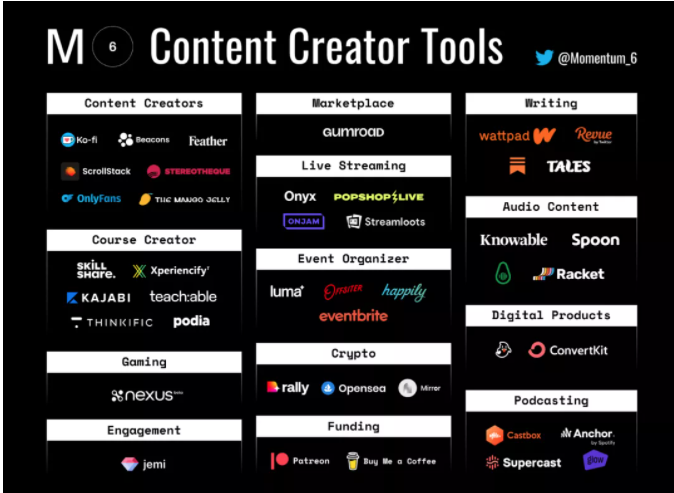
1) Content Creators—Feather, Ko-fi, Beacons, Scrollstack, Stereotheque, The Mango Jelly, OnlyFans
2) Course Creators—Xperiencify, CreativeLive, Kajabi, Podia, Skillshare, Teachable, Thinkific
Marketplace—Gumroad
3) Live Streaming—Onyx, Popshop Live, OnJam, Streamloots
4) Event Organizers—Eventbrite, Happily, Luma, Offsiter
5) Podcasting—Anchor, Castbox, Glow, Supercast
6) Gaming—Nexus.gg
7) Writing—Revue, Substack, Tales, Wattpad
8) Audio Content—Avocado, Racket, Knowable, Spoon
9) Digital Products—ConvertKit, Ghost
10) Engagement—Jemi
11) Funding—Patreon, Buy Me a Coffee
12) Cryptocurrency—Rally, Opensea, Mirror
The Role of NFTs and Cryptocurrencies in the Creator Economy
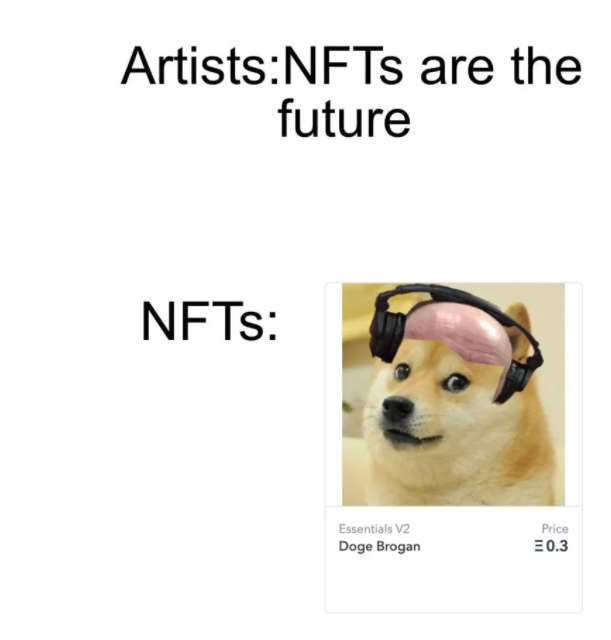
Non-fungible tokens (NFTs) are cryptographic assets on a blockchain with unique IDs and metadata. The main difference between NFTs and cryptocurrencies is fungibility—the ability to be replaced or exchanged for another identical item. If you exchange one BTC for another BTC, you get the same thing. But if you swap one NFT for another, you get something entirely different.
NFTs have been around for years, but the emergence of the pandemic accelerated their growth. Jack Dorsey, co-founder of Twitter, sold an NFT of his first tweet for $2.9 million. NFTs are described as the future of asset trading on blockchain platforms because they represent unique assets, cannot be forged, and provide proof of ownership.
Here are some ways NFTs could transform the creator economy.
Creative Freedom: Creators no longer need to conform to specific standards set by various platforms. This enables the birth of exceptional artworks. Risks of copying, misuse, or piracy are reduced, encouraging artists to focus on their expertise.
Community Building: NFTs are now democratizing creators’ content and enabling solid community formation. Communities become brand ambassadors and can even assist in marketing. This approach bypasses the large corporations dominating traditional markets.
Monetizing Creative Passion: Non-fungible tokens are popular due to their convenience and accessibility. Once art is created, minting an NFT can be completed within minutes, with many marketplaces available for trading. Creators can also encode royalties into smart contracts, earning recurring passive income every time their NFT is resold.
What’s Next for Creators?
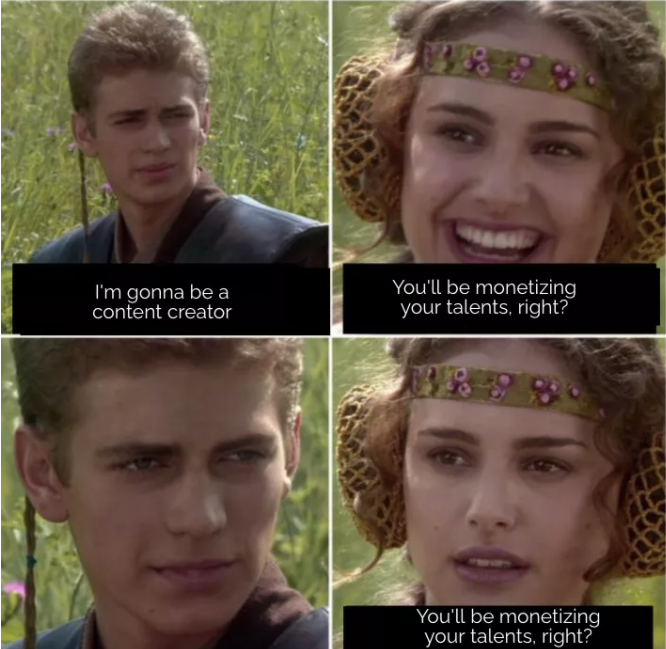
We are now at a stage where being a professional creator is a viable career choice. When creators love their work and put in effort, they become professional creators. As they grow, the burden of managing daily operations becomes heavier.
Startups centered on empowering creators will continue to dominate the next phase of evolution by helping them do what they love. Creators are evolving into founders. Beyond creating, they must learn skills in product design, management, e-commerce, community management, data science, and entertainment.
We may see more solutions tailored specifically for creators. Despite billions of dollars flowing into the creator economy annually, it isn’t oversaturated yet, as many amateurs still seek marketing channels. We need products customized for diverse business needs—marketing, operations, investment, copyright expertise, product launches, and even community building. Companies that identify these needs and build tools to address them will ultimately win.
Original link:
https://medium.com/momentum6/the-future-of-the-creator-economy-6611dc6a61a4
Join TechFlow official community to stay tuned
Telegram:https://t.me/TechFlowDaily
X (Twitter):https://x.com/TechFlowPost
X (Twitter) EN:https://x.com/BlockFlow_News


