








Is the Creator Economy in a Winter as Wallets Tighten?
TechFlow Selected TechFlow Selected
Is the Creator Economy in a Winter as Wallets Tighten?
To succeed in the creator economy, startups should focus on creators' needs.
 Navigating Web3 tides with focused insights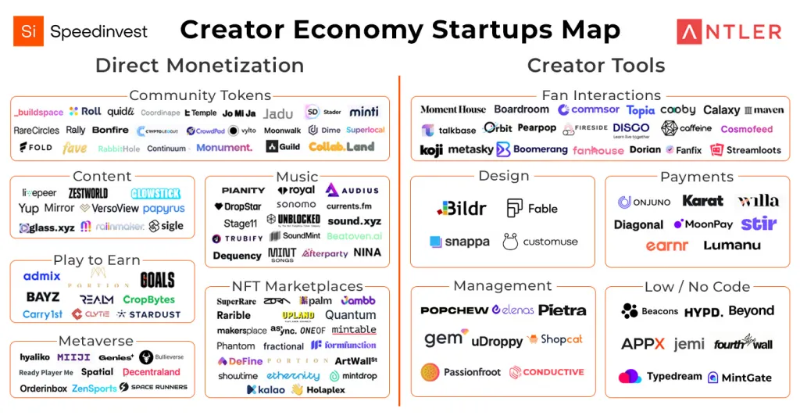
Written by: EZE VIDRA
Translated by: TechFlow
The creator economy—the movement enabling content creators to monetize their expertise, passions, art, and commentary—is going through a tough period.
In 2021, creator economy startups raised $5 billion. But as inflation rises, consumers are tightening their wallets and cutting back on discretionary spending.
Overall, at Remagine Ventures, we remain interested in the creator economy. However, startups building tools for creators or operating in this space must understand the ongoing market shifts and adapt accordingly to survive and thrive in today’s environment.
Good news: It's the best time ever to become a creator
Becausesocial platforms are all competing for creators—YouTube, TikTok, Substack, Twitch, Instagram, Snap, Spotify, and others—are vying for creators’ attention, with some offering creator funds (like Snap) and support for emerging talents.
Other "niche" platforms like OnlyFans for adult content provide creators direct opportunities to earn from fans—even with relatively few followers.
Here are 15 creator platforms currently approaching “unicorn” status in the creator platform space.
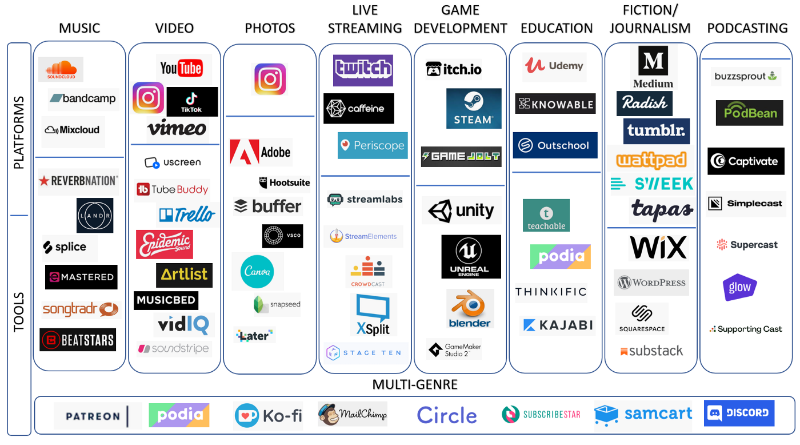
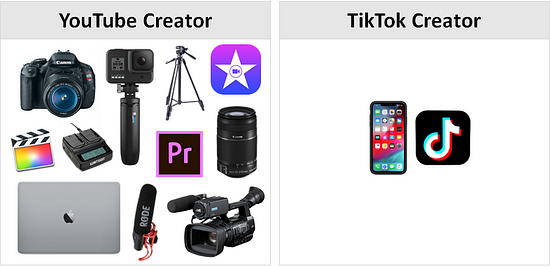
Technological advances have made creating, editing, and publishing content easier than ever before. Where creators once needed equipment, editing skills, and knowledge of online marketing, now almost everything can be done with just a smartphone.
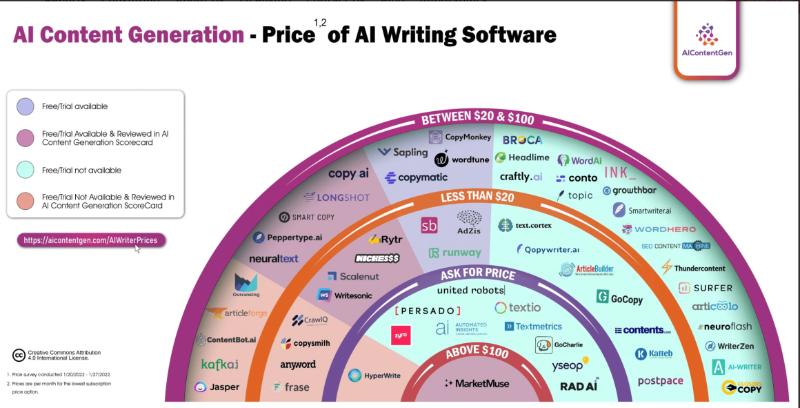
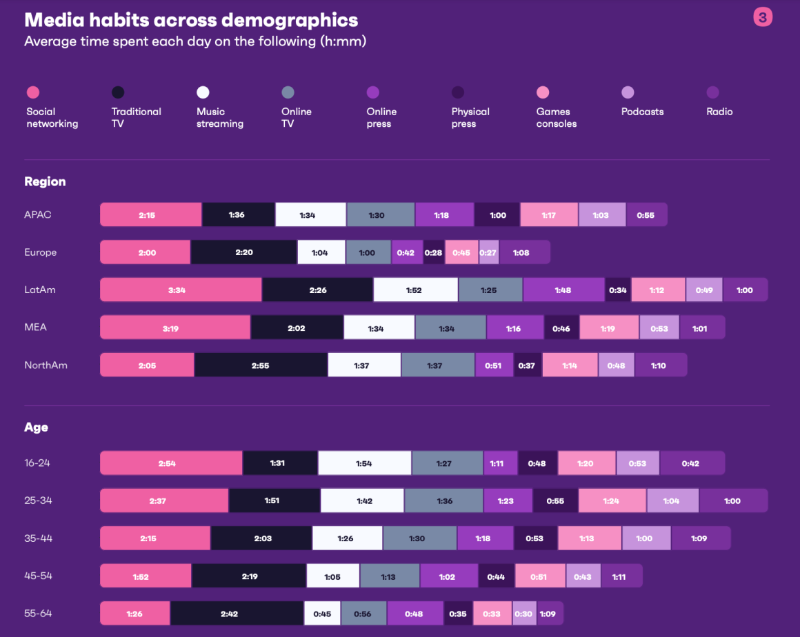
Consumer behavior has also shifted—we’re clearly watching less TV and spending more time on social media and podcasts.
Explosive new content keeps us engaged and has changed consumer habits.
You're more likely to get your next viral news, recipe, or advice from a creator rather than a publisher.
This holds true for news as well. According to the latest report from UK regulator Ofcom,Gen Z hardly watches TV, and TikTok is the fastest-growing news source among UK adults.
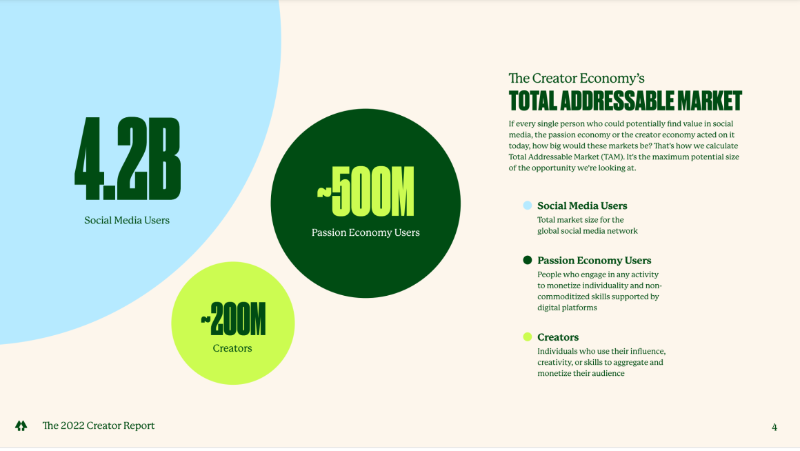
This has led to an increasing number of creators—today, 200 million people identify as creators (according to Linktree’s 2022 Creator Report). However, these numbers can be misleading because only a small fraction are professional, full-time creators as we define them.
Bad news: Wallets are shrinking, and pressure on creators is growing
Funding for creator economy startups has dropped by 60%—creator economy startups raised only $700 million in Q2 2022, a 60% decline compared to the same period last year.
More precisely, the decline in venture activity during Q2 2022 was broad-based and not limited solely to the creator economy sector.
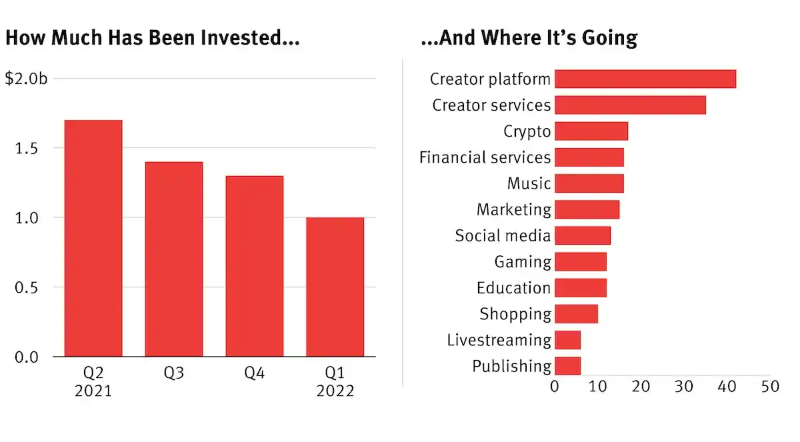
Even funds such as Li Jin’s Atelier Ventures and SignalFire, once synonymous with the creator economy, appear to have distanced themselves from this category.
In an email to a founder, a partner at one fund said they had decided to deprioritize anything related to the creator economy temporarily to create more diversification within their portfolio.
Li Jin and Atelier Ventures have since moved on to launch Variant Fund, focusing on Web3/Crypto.
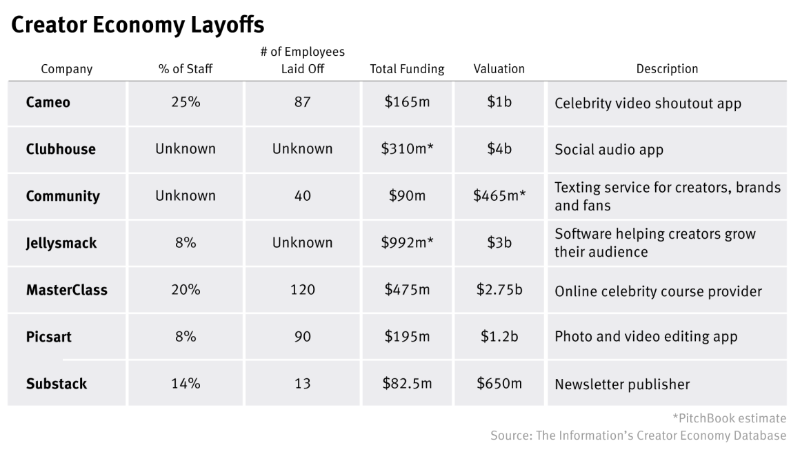
Creator economy startups are laying off staff: Tighter funding, especially for growth-stage companies, is forcing startups across the board—particularly unprofitable ones—to scale back operations.
Cost-cutting is one of the fastest ways to achieve this. As a result, like many startups in other categories, creator economy companies have been conducting layoffs.
The path to earning money remains long—early challenges facing creator economy startups still persist, such as lack of widespread creator support. While these metrics are improving, most creators still struggle to make a full-time living from content creation.
The October 2021 Twitch hack, which exposed stolen source code and leaked payout data, revealed this harsh reality:
- The top 1% of streamers earned 50% of all revenue
- 75% of revenue-generating accounts earned less than $120 in that year
- 896,261 accounts earned nothing at all
- Only 0.06% earned more than the U.S. median household income of $67,521
- The top 1,000 accounts received a quarter of total revenue.
Other surveys and reports paint a slightly better picture, but the road ahead remains challenging:
- As mentioned above, the Linktree report found that only 12% of full-time creators earn over $50,000 annually, while 46% earn less than $1,000 per year.
- A more optimistic view comes from Influencer Marketing Hub’s August 2, 2022 survey of 2,000 creators, which showed that 1.7% of respondents (34 people) earned $1 million in a year. About 21% (420 people) of surveyed creators earned over $50,000 annually from content creation.
Earlier this year, I wrote about this issue in Forbes: “To succeed in the creator economy, startups should focus on creators’ needs.”
The exact number of creators may never be known.
The Linktree Creator Report estimates there are 200 million creators. Would semi-professional or hobbyist creators spend money on creator economy tools? Unless you're a platform (such as a social media company), this tools market is quite small.
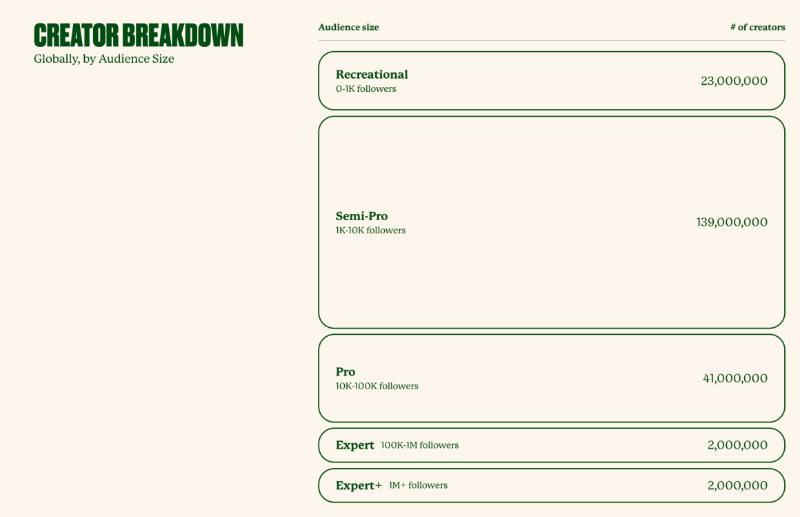
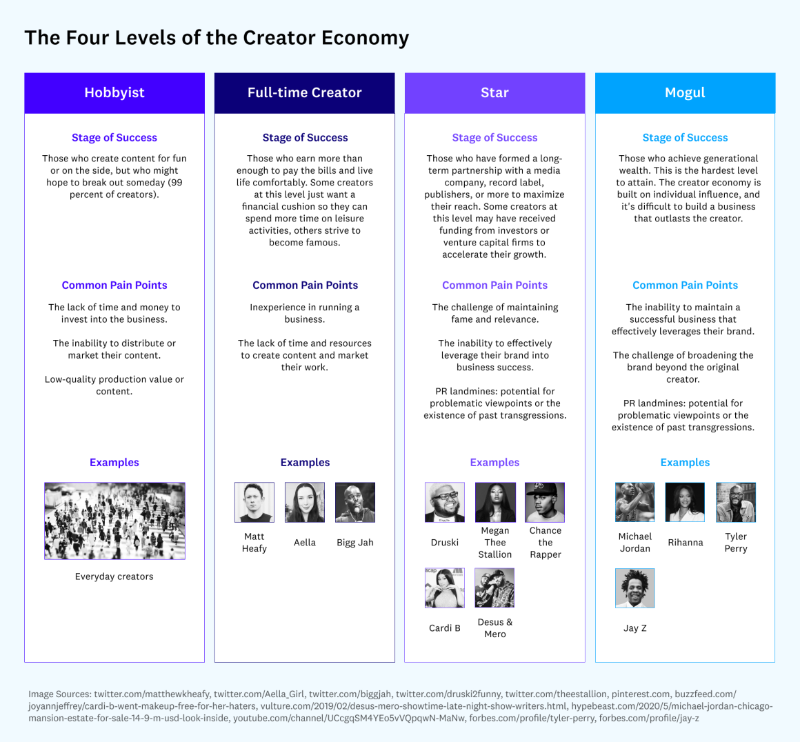
The real earnings are concentrated among the top 1% of creators. As Dan Runcie, founder of Trapital, shared in “The Overlooked Layers of the Creator Economy”:
Those who lump all “creators” into one group risk missing the next wave of opportunity—especially tool companies that help newcomers grow their businesses, improve content quality, and offer tailored resources to solve specific pain points. To truly empower creators, tool makers will need to account for varying levels of creator maturity.
Consumers are also tightening their wallets—as interest rates rise, so does inflation, affecting prices for energy, food, travel, and more.
With rising cost of living, people tend to cut spending elsewhere.
A prime example is gaming. According to research firm Ampere Analysis, global video game sales are projected to shrink 1.2% to $188 billion in 2022.
We won’t know for sure until year-end, but I suspect this prediction will come true.
99% of creators get attention, not cash
One reason TikTok went viral is that people can be “discovered” overnight and become stars.
The app operates via a personalized algorithm that directs users to videos they are more likely to watch.
Thus, a user uploading their first video on the platform—even with no followers—can gain one million views overnight.
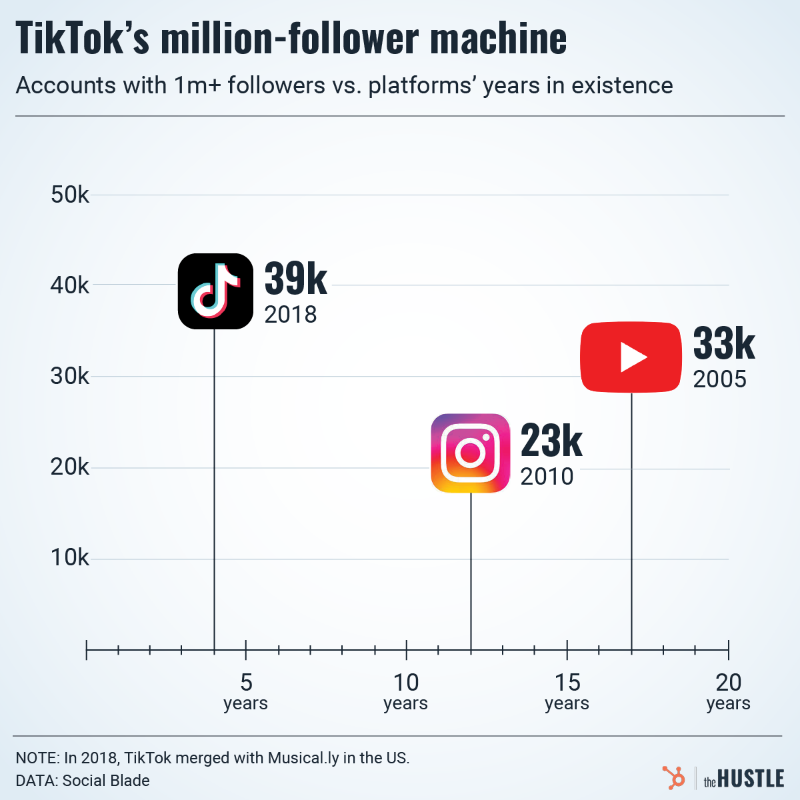
There are 39,000 TikTok accounts with over one million followers.
This contrasts sharply with YouTube or Instagram, which place greater emphasis on followers/subscribers—something that takes time and effort to build.
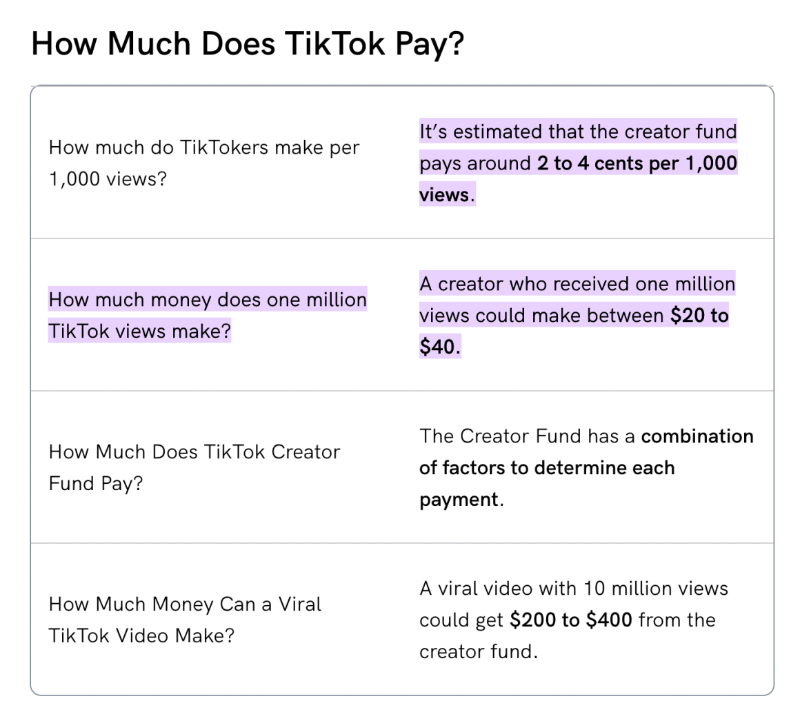
Buteven viral videos struggle to convert attention into cash.
A video with one million views on TikTok earns its creator $20–$40.
That’s not enough to quit a day job. Therefore,treating creators as customers is a risky strategy for startups.
Now, according to The Information, gaining one million followers is becoming increasingly difficult.
This means the actual addressable market for startups selling to creators is small—including full-time creators willing to pay for tools/services. Even these creators prioritize tools that directly impact their earnings.
Evan Armstrong summarized his advice in “How Startups Can Survive the Creator Economy Winter,” suggesting:adopt a revenue-sharing model. Creators may agree to share a portion of revenue generated via external tools, but they may resist paying for subscription-based tools.
The idea is simple:
Since the top 0.01% of creators earn 99% of industry revenue, creator economy startups must find a way to justify taking a cut.
This isn't easy, and in the coming bear market, only a few will succeed.
...To survive the winter of the creator economy, startups must align their revenue with the scale of their customers so they can properly serve creators.
Otherwise, they’ll end up as a tiny SMB SaaS business—an unattractive business model.
But for those who do it right, revenue sharing can be used to build an incredible company while helping thousands build their own digital media empires.
Conclusion
The creator economy is still relatively young. I see startups previously targeting creators shifting focus toward small and medium-sized businesses or providing creator tools to startups/SMBs.
Their goal:find a path to profitability and increase revenue. With shrinking investment in the sector, focusing on this is a critical step for survival.
For creators, there are some interesting opportunities in community building around Web3 and the metaverse, but these areas remain relatively underexplored.
I expect to see more activity in this space in the coming months.
Join TechFlow official community to stay tuned
Telegram:https://t.me/TechFlowDaily
X (Twitter):https://x.com/TechFlowPost
X (Twitter) EN:https://x.com/BlockFlow_News


