Deep Dive: Endless Infighting — What’s Really Happening Inside SushiSwap?
TechFlow Selected TechFlow Selected
Deep Dive: Endless Infighting — What’s Really Happening Inside SushiSwap?
Internal disputes, the firing of whistleblowers, and the dismissal of developers have brought dark times to the once-popular community-led decentralized exchange Sushiswap.
 Navigating Web3 tides with focused insights
Author: Rekt
Translation: Gu Yu, Chain捕手
Recently, Sushiswap has been caught in negative headlines involving disputes with several former team members, accused of internal cliques, pushing out 0xMaki, taking kickbacks, and inaction—leading to a continuous decline in its token price.
In response, renowned crypto investigator rekt conducted an in-depth investigation, interviewing insiders and gaining access to Discord developer chat channels to reconstruct the circumstances behind 0xMaki's departure, the BIT bonus distribution process, and the incident where Omakase requested compensation from the foundation’s multisig wallet after losing over $1 million. This article stands as the definitive account of Sushiswap’s internal conflicts.
Internal disputes, firing whistleblowers, and dismissing developers have plunged the once-popular "community-led" decentralized exchange Sushiswap into a dark era.
After Nomi (note: Sushiswap's founder) left, 0xMaki was widely credited with orchestrating an impressive turnaround, rescuing the struggling protocol. However, rumors began circulating shortly after his resignation on September 18.
Recently dismissed Sushiswap team members publicly claimed that “Sushi is failing” due to internal conflicts.
Other team members (confirmed as separate sources) subsequently contacted us with additional information. The evidence they provided corroborated allegations we had already seen elsewhere.
Over recent days, Sushiswap’s internal turmoil has gradually surfaced—but much remains unsaid.
We are here to change that.
This investigation compiles both on-chain and off-chain evidence to help you understand what’s really happening inside one of the largest DeFi protocols.
While we’ve made every effort to verify all claims in this article, the final judgment lies with you.
01
0xMaki did not voluntarily leave Sushiswap. He was ousted through a carefully orchestrated vote led by Joseph Delong (note: Sushiswap CTO).
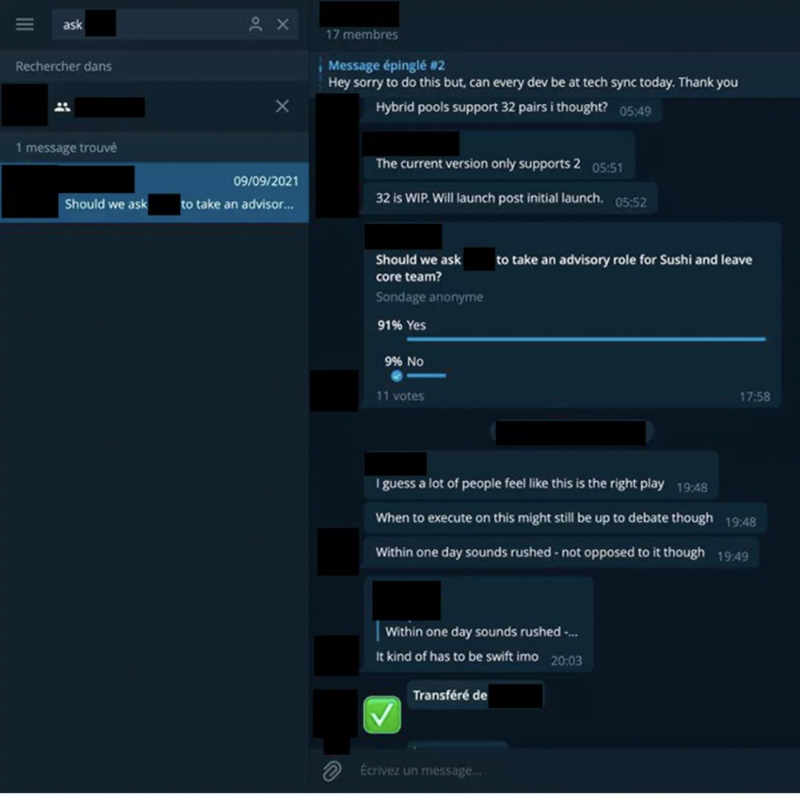
On September 9, a vote was held among 17 members of the Sushi developer chat channel, with 11 voting on whether to “ask Maki to serve as an advisor and step away from the core team.”
91% voted in favor. Nine days later, 0xMaki announced he would “resign” from his role at Sushiswap.
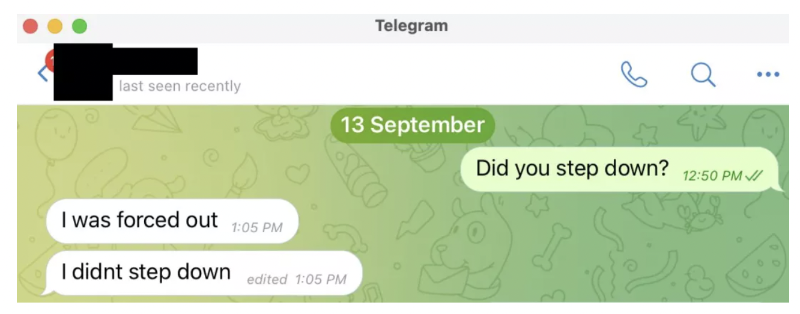
Why did this happen?
Multiple sources tell us an internal power clique formed within Sushiswap, consisting of Joseph Delong, Omakase, Keno, and Rachel.
We now know 0xMaki was placed in an impossible situation by JOKR, forced to either step down or risk six other developers leaving—meaning Trident (note: Sushiswap’s next-gen AMM) wouldn’t launch, rendering most of his work meaningless.
Since 0xMaki was the only Sushiswap member under a three-year contract (others had one-year terms), JOKR couldn’t fire him outright, so they “appointed him advisor” without community consultation.
After 0xMaki’s forced exit, JOKR’s behavior became even more questionable.
A $9,000 dinner for “sushi partners” during NFTNYC (note: New York NFT conference) was never reported to the DAO. $5,000 tickets to a VC mixer event were purchased for Joseph, Rachel, and Keno—yet no funds were raised.
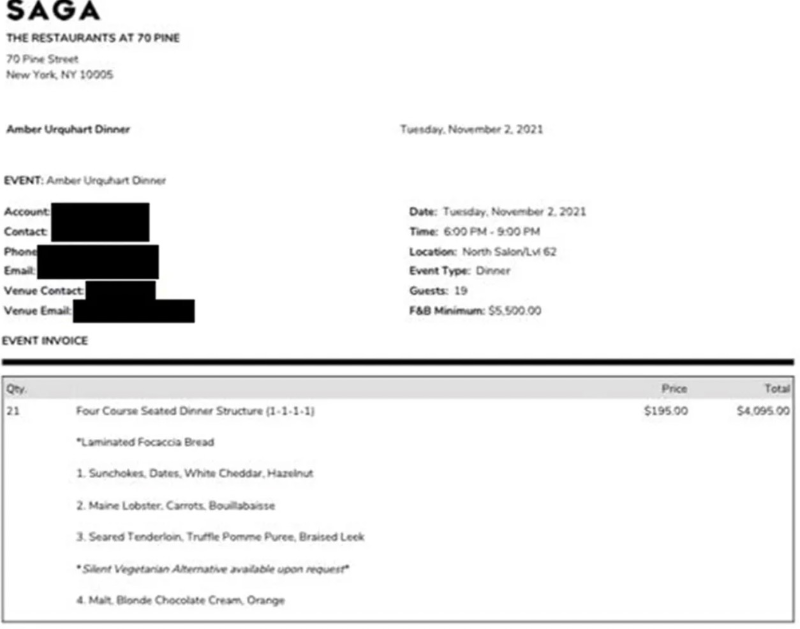
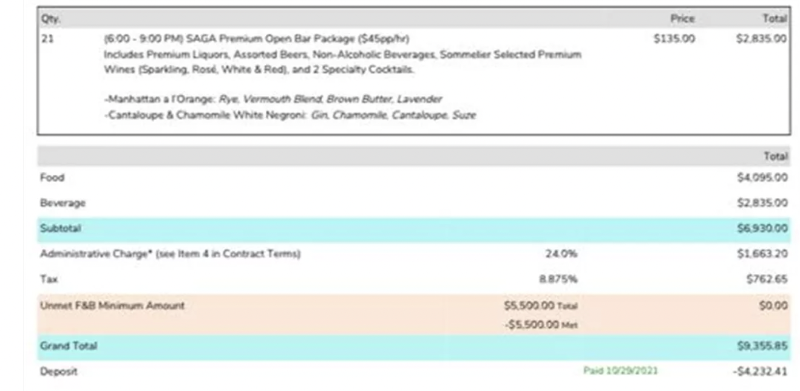
Steak and lobster for 21 people – cheers to SUSHI holders.
But wait, there’s more…
Following the BitDAO MISO sale, BitDAO insisted on directly allocating 2.6% of the BIT circulating supply (3 million tokens) as a reward to Sushi core members.
0xMaki believed these bonuses should go to xSushi holders, leading to a compromise: 50% to xSushi holders, 50% to core members.
However, the airdrop to xSushi holders never occurred—the tokens remain in Sushi’s multisig wallet, allegedly due to “legal reasons”…
Unequal distribution of these funds created another rift within the fractured core team.
Joseph, Omakase, Keno, Rachel, and 0xMaki received larger bonuses than other core team members.
When questioned by other team members, Omakase claimed the unequal split was 0xMaki’s idea—when in fact, Rachel scapegoated 0xMaki, while 0xMaki had actually advocated giving all bonuses directly to xSushi holders.
At the time of writing, standard bonuses were worth about $200,000. Larger bonuses valued around $700,000.
Tensions intensified among core team members when 0xMaki returned his bonus to BitDAO.
After the BitDAO token sale, the U.S. SEC targeted Sushiswap and its American team members, making them extremely cautious about providing further grounds for investigation.
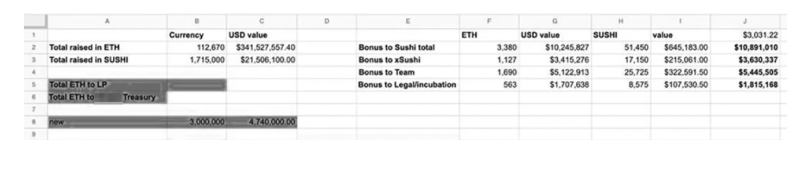
This spreadsheet, created by Rachel, shows the uneven bonus distribution.
The sheer volume of leaked documents reflects the level of dissatisfaction among Sushi team members since Delong became CTO.
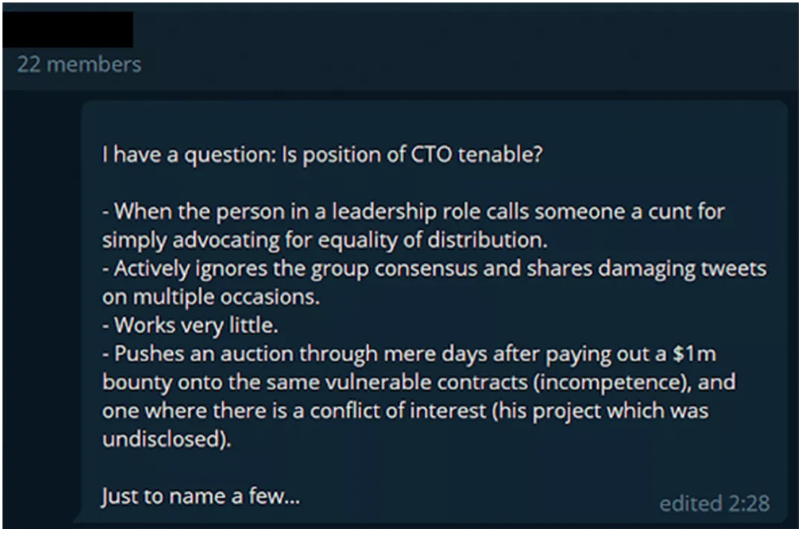
It wasn’t hard to find people willing to speak against current leadership—but we also did our own detective work.
rekt.news gained access to the Sushi Core chat (then set to public), where we viewed the results of internal polls conducted among Sushi team members.
Screenshot taken December 12, 2021:
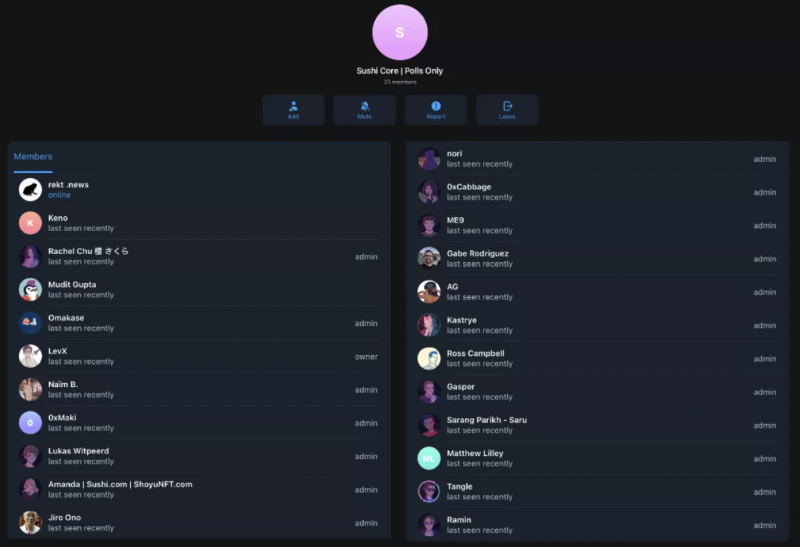
We had to vote to see the results, but don’t let our opinion distract you from the content…
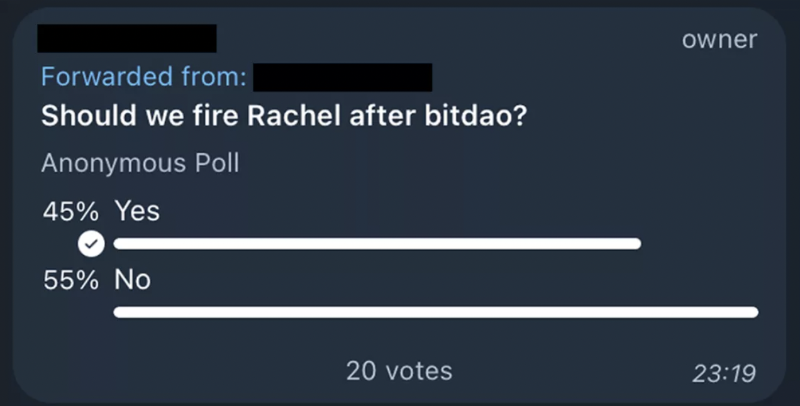
Rachel narrowly escaped the vote; her manipulation of bonuses clearly upset many colleagues.
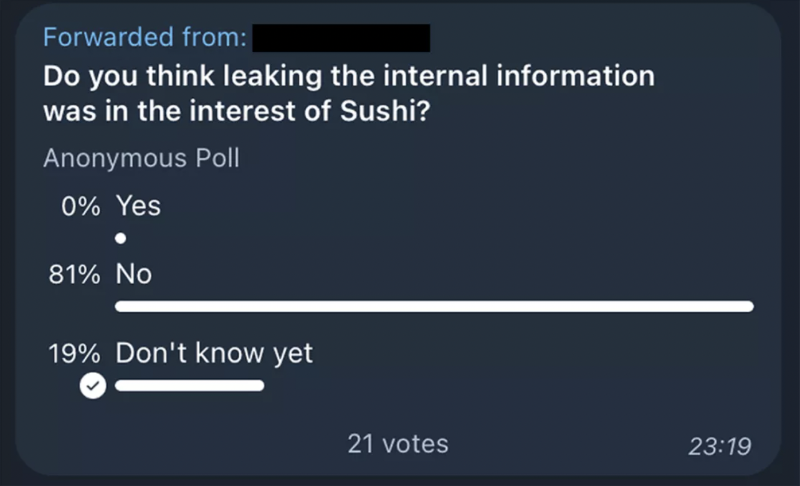
Is this transparency, or have we gone too far?
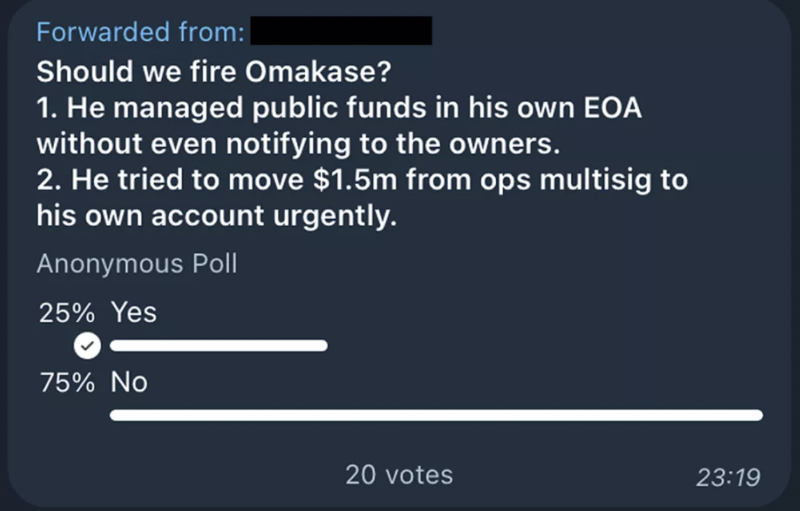
02
What did Omakase do?!
This core member used community funds to conduct day trading from his personal account.
He deposited hundreds of thousands of dollars worth of tokens from the BitDAO MISO sale into his personal wallet, telling others it was “community funds for NFT purchases.”
Using and managing team funds without approval is clearly unacceptable—especially when considering how this core member managed his personal finances.
After the latest Cream hack, this core member informed other team members he lost 111,591 SUSHI (worth ~$1.2 million at the time).
He then attempted to hastily execute a transaction to reimburse himself from Sushiswap’s multisig wallet. The transaction was rejected.
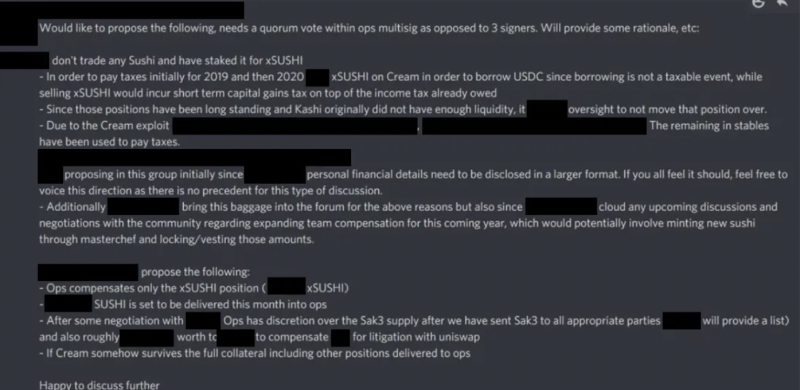
We heard Rachel defended her actions and prepared to refund this core member, but ultimately, he received no reimbursement.
Even in his request, the core member admitted it was “his negligence”—so why should others pay the price?
How can Rachel and this core member keep their jobs due to such severe incompetence, while AG gets fired simply for speaking up?
AG tweeted the following after being fired during an all-hands meeting (held at 12:30 AM her local time, without her participation) for “a pattern of behavior contributing to a deteriorating work environment.”
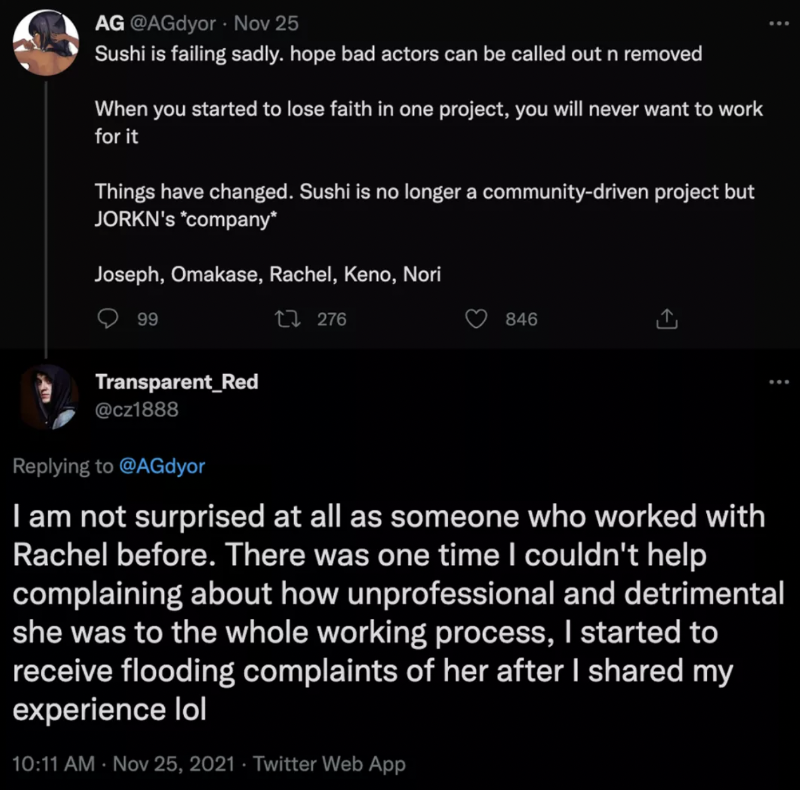
(Transparent Red is the former COO of Strips Finance, a prior MISO project.)
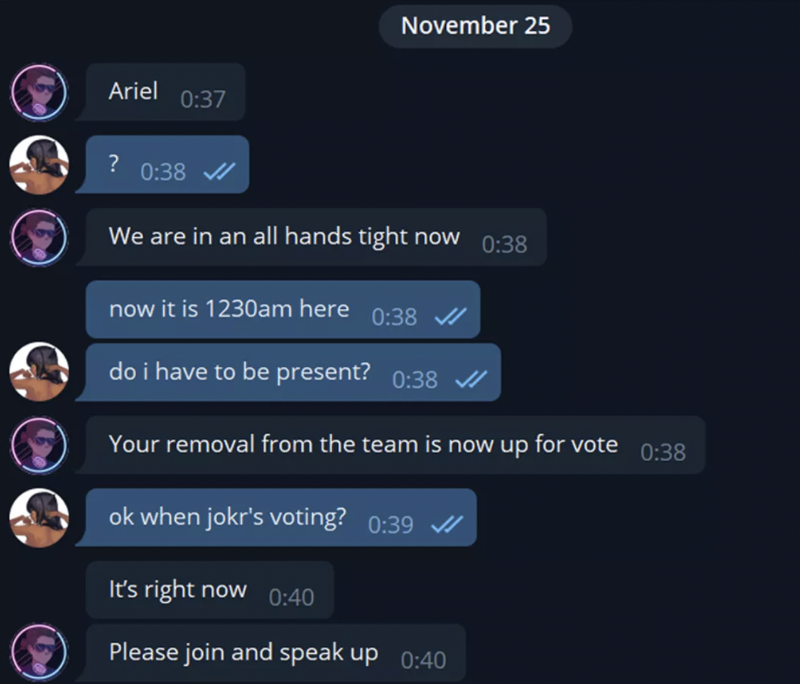
“Omakase started the poll, Joseph pinned it, Rachel began making false accusations against her. Soon after, her Google access was revoked.”
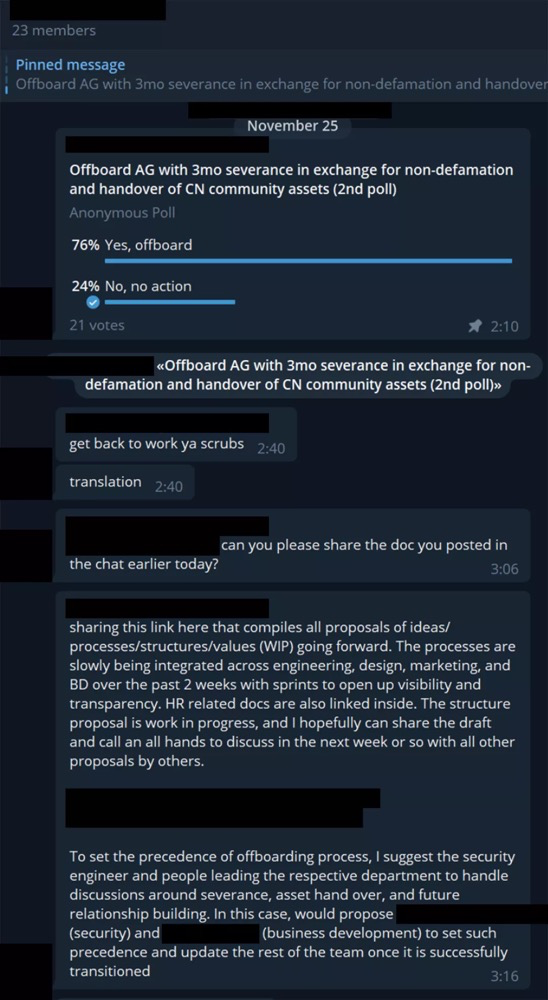
We asked Joseph for a statement:
rekt.news:
Hi Joseph,
We’ve received documents containing multiple allegations of abuse of power at Sushiswap—we believe you’re already aware of these. Every story has two (or more) sides, and we’d like to hear your perspective before publishing anything.
Joseph Delong:
These allegations come from a disgruntled employee who was fired for persistent malice and cyberbullying. While publication is within your rights, we don’t believe this kind of baseless public shaming serves any constructive purpose. Internally, we maintain a zero-tolerance policy toward repeated violations of workplace conduct. Attempts to spread this narrative only confirm the dismissal was justified. We wish AG/sushijokr all the best in her career.
Notably, Joseph did not address any specific allegations, instead dismissing them while explaining AG’s termination. He did not respond to further information requests.
Four days after receiving his statement, Sushiswap released an official report on AG’s dismissal.
While neither statement directly addressed the power dynamics described by whistleblowers, the official post-mortem did imply an upcoming update to the Sushi contributor framework.
Joseph Delong has since spoken publicly on Twitter about the full story, highlighting frustrations tied to his role.
In his thread, he described the “brutal reality” that Sushi needs to move toward a more formal structure, inevitably creating natural hierarchies. He also noted that while some former team members oppose him publicly, “many silent voices” support him.
Delong also complained about his compensation, issuing the following ultimatum before responding in increasingly undiplomatic fashion.
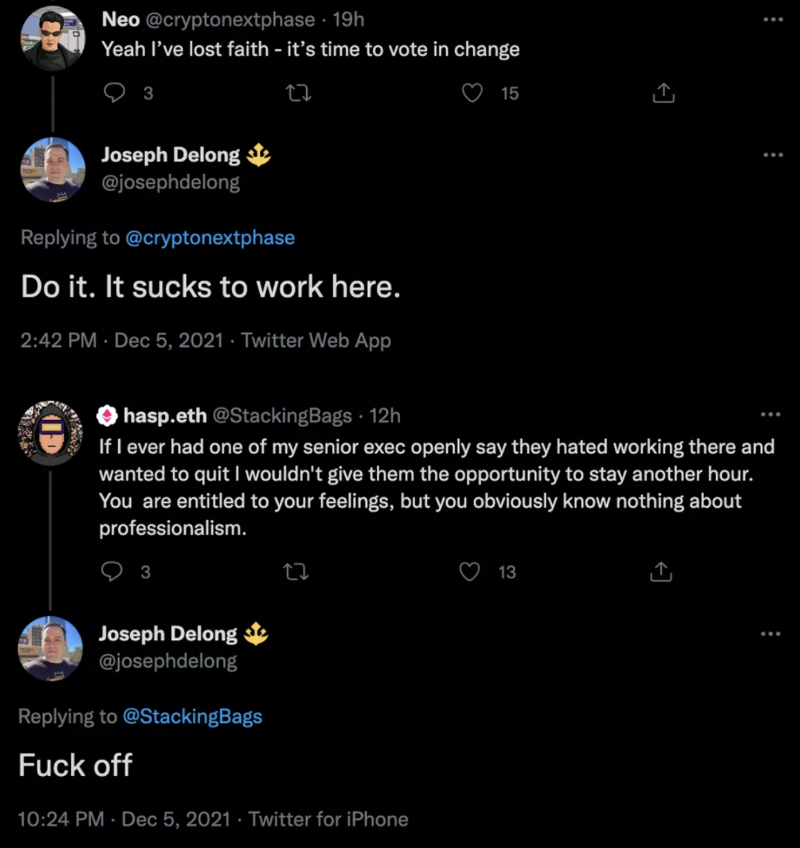
The following quote was provided by a well-known but anonymous source:
Joseph Delong’s contract expires in one month. The DAO must hold him accountable for work completed and seek another CTO to move forward.
Uniswap v3 launched six months ago, Balancer and Bancor v2 arrived—Trident still isn’t live. This is Sushi’s failure.
Sushi excelled at supporting new tokens and amazing projects like OlympusDAO, Convex, Illuvium—but all of that has been erased by a CTO obsessed with endless influence and narcissism, exposing delusional stream-of-consciousness rants in broad daylight.
03
Looking at the TVL of the top three decentralized exchanges, it’s clear Sushiswap has lagged behind for some time.
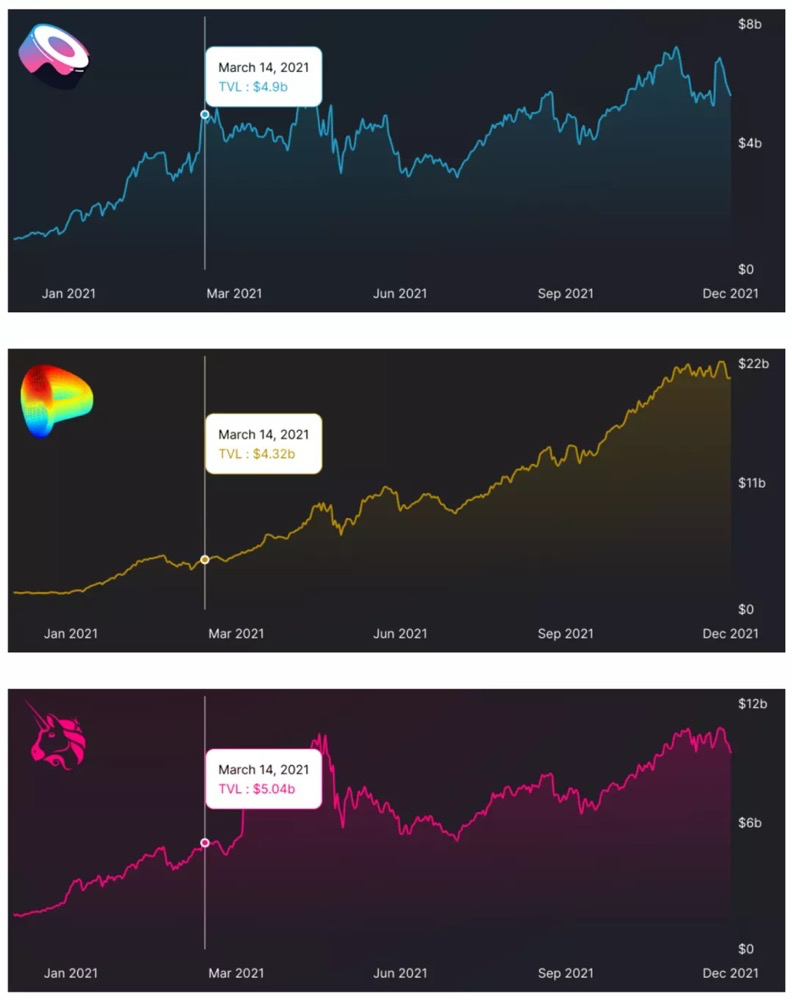
Although Sushiswap was a strong contender among the top three DEXs in March, it clearly failed to keep pace with the growth of others.
For a while, everyone wanted a piece of Sushiswap. Venture capitalists, Yearn, influencers, and even skeptics fell in love with the “community-led” DEX.
Where did it go wrong?
Was it ego and greed that left Sushi behind—or just missteps and poor management?
Even at Sushi’s peak popularity, there were always those who wanted to see it fail…
What would Chef Nomi say?
Will Joseph Delong step down?
Is 0xMaki trying to reclaim control?
So much remains uncertain…
04
Despite the flood of negative news around Sushiswap, we must attempt to view this story from both sides.
DeFi is energy-intensive. Working under public scrutiny and managing millions of others’ dollars quickly takes its toll. Above all, social media pressure is hard to handle—even for a CTO whose job largely revolves around Twitter.
Sushiswap tried to be transparent, but they promoted the wrong messages. There’s no benefit in fully disclosing team salaries, nor any moral justification for lying about fund allocations.
This is just one story, but it reveals that large DAOs operate in ways far closer to traditional companies than many of us care to admit. Even without legal incorporation, human nature ensures power accumulates in the hands of those who seek it.
That doesn’t always yield positive outcomes.
Even in the most “decentralized” autonomous organizations, hierarchies, seniority, and above all, ego, are very much alive.
Conflict inevitably arises when team members strive to climb to the top of these supposedly “flat” structures. That’s normal.
Amid memes, anonymous accounts, alliances, and rivalries, real power is at stake.
Sushi still holds value—it’s not dead yet. But now, who will save it?
Join TechFlow official community to stay tuned
Telegram:https://t.me/TechFlowDaily
X (Twitter):https://x.com/TechFlowPost
X (Twitter) EN:https://x.com/BlockFlow_News