Behind-the-scenes maneuvering intensifies in the race for Fed chair, "draining liquidity from Wall Street" emerges as key issue
TechFlow Selected TechFlow Selected
Behind-the-scenes maneuvering intensifies in the race for Fed chair, "draining liquidity from Wall Street" emerges as key issue
Trump desires low interest rates, but his preferred Federal Reserve chair candidates advocate restricting the central bank's core tool for achieving them—quantitative easing.
 Navigating Web3 tides with focused insights
Source: Jinshi Data
Major contenders for the Federal Reserve chair position under U.S. President Trump are coalescing around a policy that appears contrary to Trump's own style.
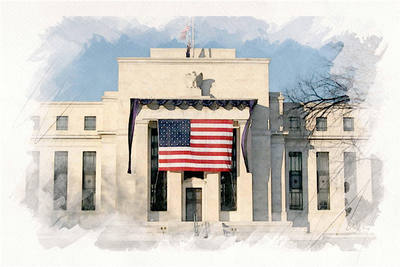
According to Politico, while Trump continues loudly criticizing current Fed Chair Powell, his real aim is to appoint a new central banker next year who better aligns with his own views. Yet within this succession race, much of the discussion centers on an issue seemingly at odds with Trump’s stated preferences: limiting the size of the Federal Reserve's financial asset holdings.
Trump is well known for favoring low interest rates. He has repeatedly expressed a desire to lower mortgage rates and reduce the federal government’s debt interest expenses. But now momentum is building toward restricting the very policy tools the Fed uses to achieve such goals—the Fed currently holds over $6 trillion in assets, accumulated through crisis-era actions that not only cut short-term rates to zero but also purchased trillions of dollars in Treasury bonds and mortgage-backed securities to depress longer-term interest rates, which are more relevant to borrowers buying homes or cars.
Now, Trump allies are fiercely debating whether the Fed should scale back its intervention during the next downturn. This poses a key question for the president as he weighs potential candidates: does he want to diminish the Fed’s market influence, or leverage that influence to achieve his goal of ultra-low rates?
Treasury Secretary Bessent—who is himself seen by Trump as a candidate—wrote in a 5,000-word magazine article that the Fed must commit to “reducing its distorting impact on markets.” Republicans have long accused the Fed of distorting market discipline by injecting massive liquidity into the financial system, and Bessent broadly frames the current relationship between government and markets as unhealthy.
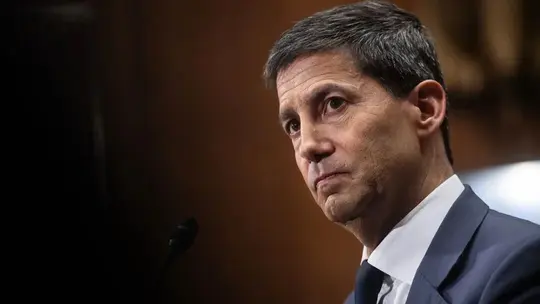
This view resonates with others on the shortlist for Fed chair. Former Fed governor Kevin Warsh recently used populist rhetoric on Fox Business, declaring, “We need to take money out of Wall Street.” At a roundtable with reporters last month, when asked whether he was seeking Fed chair candidates supportive of balance sheet reduction, Bessent did not give a direct answer. He explained that the purpose of his article was forward-looking: aimed at curbing future asset purchases rather than demanding immediate shrinkage of the Fed’s size.
“Just as the effectiveness of antibiotics diminishes with repeated use, successive interventions lose potency,” he told me, acknowledging that reform is indeed a factor in his selection process. Yet from my observation, the only time Trump has ever commented on the size of the Fed’s balance sheet was in an obscure December 2018 tweet calling for an end to balance sheet reduction—due to concerns about liquidity in key funding markets.
Some leading candidates hold distinct positions. Warsh has advocated for constraining the central bank’s size for nearly fifteen years, arguing that shrinking the Fed’s balance sheet would allow it to cut short-term rates without triggering inflation (though not all experts agree). Michelle Bowman, a Fed governor whom Bessent included in his final list, has called for “the smallest possible balance sheet,” framing it as a way to preserve policy flexibility.
Bessent himself has not entirely ruled out leading the Fed. Though he previously said he declined the role, Trump made a telling remark: “I’m thinking about him for the Fed... but he doesn’t want it. He prefers Treasury. So we’re not really considering him.”
One driving force behind the current situation is genuine concern over the Fed’s expanding power, which clearly motivates figures like Bessent and Warsh. The Treasury secretary’s argument reflects small-government principles in multiple ways. In an article for International Economics, he argued that the Fed’s asset purchases—quantitative easing—enabled Congress to engage in massive post-pandemic spending and artificially inflated asset prices, worsening wealth inequality.
Yet it’s hard to imagine that a president as unpredictable as Trump would prefer a Fed leadership unwilling to fully intervene during a recession. Still, for Republicans who wish to constrain the Fed’s market presence, this may be their best opportunity.
The Fed has already decided to halt balance sheet reduction on December 1, a move intended to prevent liquidity disruptions in the financial system. Stephen Miran, the White House’s chief economist on leave and a Fed governor, supports this decision. He told me the market boost from this move may be limited, as the central bank will simultaneously replace mortgage-backed securities with short-term Treasuries—meaning markets will absorb the long-term debt risk previously held by the Fed.
On more aggressive interventions, Miran stated he does not oppose quantitative easing when the Fed’s dual mandate of full employment and price stability faces “significant rather than minor risks.” It must be emphasized that key questions—such as how QE affects market pricing and how effectively it stimulates a weakening economy—remain unresolved in academic circles.
Powell hinted in a recent speech that, in hindsight, the Fed’s asset purchases in 2021 may have continued too long—echoing what some experts argued at the time. Yet he defended QE as a vital policy tool, particularly during the 2020 pandemic when markets froze and unemployment surged.
The central issue now is how the landscape will evolve in the coming months, as Powell’s term ends in May next year. Voices advocating a more cautious approach to QE are gaining influence, signaling a potential profound shift in how the Fed responds to future recessions.
But regardless of who is ultimately chosen, there is reason to believe that any Fed official appointed by Trump will still be compelled to deploy all available policy tools during an economic slowdown—especially given widespread public anxiety over the cost of living today. As the saying goes, in times of crisis, even skeptics pray. The firm stances these candidates hold now will likely collapse in the face of future emergencies.
Join TechFlow official community to stay tuned
Telegram:https://t.me/TechFlowDaily
X (Twitter):https://x.com/TechFlowPost
X (Twitter) EN:https://x.com/BlockFlow_News