In the crypto space, can you really "avoid" leverage?
TechFlow Selected TechFlow Selected
In the crypto space, can you really "avoid" leverage?
In the crypto space, being cautious is just a slow way to stay poor.
 Navigating Web3 tides with focused insights
Author: rosie
Translation: AididiaoJP, Foresight News
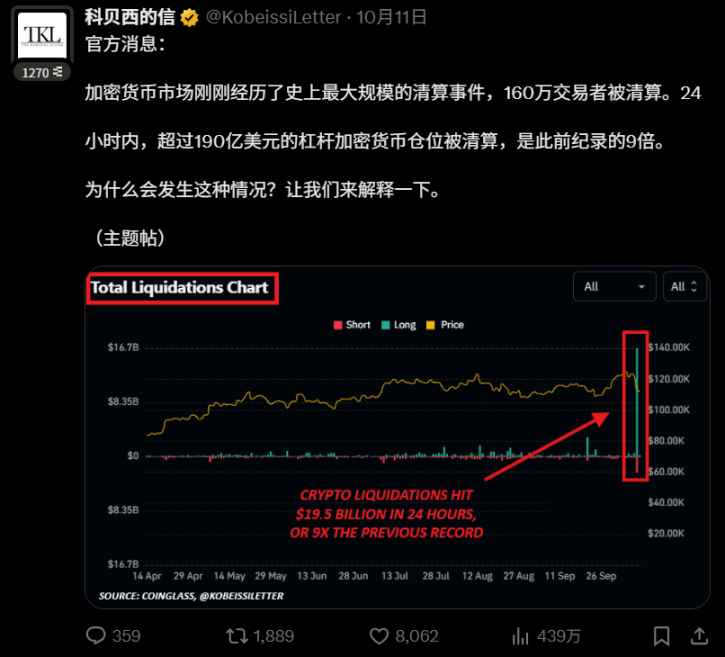
On October 10, 2025, $19 billion was liquidated within 24 hours. 1.6 million traders lost everything.
The largest liquidation event in crypto history—nine times larger than the previous record.
And six months later, everyone will return to do exactly the same thing—probably including me.
Suddenly Everyone’s an Expert Overnight
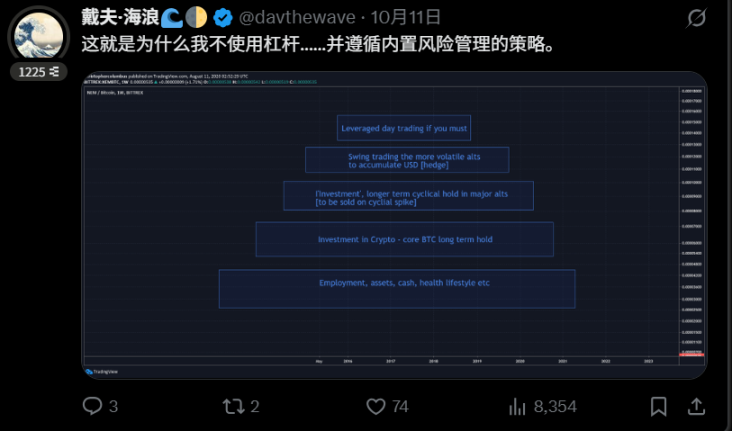
After the crash, crypto Twitter turned into a risk management seminar. "You should’ve stayed antifragile." "Never use leverage." "This is why I hold cash."
Funny how the loudest voices always come from those who held stablecoins. Where were these insights on October 9? Oh right—you were posting about missing the rally.
The Real Meaning of “Antifragility” (and Why It Doesn’t Apply Here)
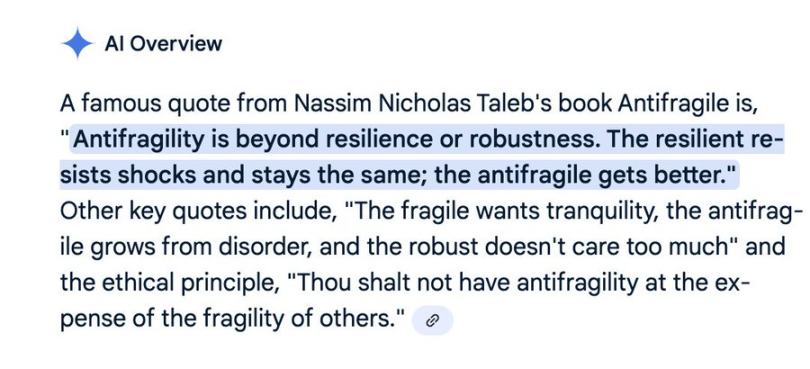
People are misusing the concept of antifragility without understanding it.
Antifragility doesn’t mean “being cautious.” It means benefiting from volatility—chaos makes you stronger, not weaker.
But here’s the problem: leveraged traders don’t benefit from volatility. Volatility destroys them.
When you’re 10x long and the market drops 15%, chaos isn’t making you stronger. You get liquidated. That’s not antifragility. That’s fragility with extra steps.
True antifragility means not depending on any single condition. But in crypto, everyone depends on one thing: price going up—or at least not crashing 15% in 20 minutes.
Robust vs Antifragile
-
Robust = “I don’t want volatility to affect me”
-
Antifragile = “I want volatility to make me stronger”
Holding stablecoins? At best, that’s robust. You’re protected, but you can’t benefit from market moves. You also miss out on rallies—you’re present, safe, and poor.
And these are the exact people shouting “just stay antifragile” the loudest. They sat out, missed everything, and now feel vindicated because others got hurt.
Using leverage? That’s just fragile—volatility will destroy you.
So what in crypto is truly antifragile? Honestly, no one knows. Maybe someone shorting before major news—but that looks less like antifragility and more like insider information.
The Game We’re All Trapped In
Here’s the truth no one wants to admit: in crypto, you can’t truly “avoid” leverage.
Staying completely out? You’ll watch everyone around you make money over months. Your purchasing power erodes with inflation. Opportunities vanish.
And honestly, if you only have $5,000 to play with, spot trading won’t change your life. People use leverage not because it’s smart—but because turning $5k into $6k in a year changes nothing.
Staying out feels responsible—until you see others 10x-ing while you remain “smart.” At least getting destroyed means you tried.

Why Everyone Will Repeat the Same Mistakes
Six months from now, those who lost everything will use leverage again—not because they’re stupid, but because what’s the alternative?
Hold stablecoins forever while the next cycle passes you by? Watch others buy houses with Doge gains while you stay “smart”?
We all know people who missed Bitcoin at $100, Ethereum at $10, Solana at $1. They were always “playing it safe.” Now they’re still working 9-to-5s while others retired.
In crypto, being cautious is just a slow way to stay poor.
We All Know the Game Is Rigged
You know the game is rigged. You know some have better information. You know infrastructure collapses during crashes. You know all this.
But here’s the issue: everyone else is playing. And when everyone else is playing, you’re not making an independent choice—you’re reacting to everyone around you.
This is really just a coordination game. When your entire social network is in crypto, when your timeline floods with profit screenshots, when opportunities go to those participating—staying out means being left behind.
If you’re the only one not at the table, you won’t make life-changing money. If you don’t participate, you lose connection to the ecosystem.
Why the “Experts” Are Talking Nonsense
Those giving advice after October 10 fall into categories:
Got liquidated but won’t admit it. Sat out and missed the entire rally, now feel validated seeing others lose. Or simply got lucky and think it was skill.
Stablecoin holders are the worst. For months they sat out, posted regrets, while everyone else made money. Now they get to feel superior because others got liquidated.
Nobody actually figured this out. We’re all just placing different bets in an uncertain game.
What Might Happen Next
Here’s the cycle everyone’s seen:
-
Months 1–2: Everyone swears off leverage. “Never again.” “Crypto is a scam.” “I’m out.”
-
Months 3–4: New narratives emerge. Those who stayed start showing profits. FOMO builds slowly.
-
Months 5–6: Leverage returns. “This time is different.” “I learned my lesson.” “Just small positions.”
Then it repeats.
Most people will be part of this cycle—not because they’re dumb, but because the alternative is sitting outside watching everyone else play.
Both Choices Suck
You can participate and risk liquidation. Or stay out and watch others potentially change their lives.
The logical response to information asymmetry should be smaller positions, longer timeframes, more diversification. But that’s not what happens—because when everyone around you uses leverage and posts gains, conservative strategies feel like losing.
It’s not rational—it’s reflexive. You’re not making decisions in a vacuum. You’re deciding while watching others profit using the very strategies you avoided.
If You Were Destroyed on October 10
If you lost everything, take a break.
Close the charts, delete the apps for a while, go outside, hit the gym, talk to people who don’t know what a perpetual contract is.
The FOMO will still be there in a month. The narratives will continue. Crypto isn’t disappearing.
But rushing back to recover losses, trying to win back everything you lost? That’s how you get destroyed twice.
Accept the loss. Learn what lessons you can. Come back when your mind is clear—not when you’re desperate to recoup.
Remember: those shouting about antifragility probably never participated. Don’t let them make you feel worse for having tried.
Join TechFlow official community to stay tuned
Telegram:https://t.me/TechFlowDaily
X (Twitter):https://x.com/TechFlowPost
X (Twitter) EN:https://x.com/BlockFlow_News
 @therosieum