








When slow assets meet fast markets: the liquidity paradox of RWAs
TechFlow Selected TechFlow Selected
When slow assets meet fast markets: the liquidity paradox of RWAs
Non-liquid assets wrapped in on-chain liquidity are reenacting the 2008 financial mismatch.
 Navigating Web3 tides with focused insights
Author: Tristero Research
Translation: TechFlow
Background
The slowest assets in finance—loans, buildings, commodities—are being tied into the fastest markets in history. Tokenization promises liquidity, but in reality creates an illusion: a liquid shell wrapped around an illiquid core. This mismatch is known as the "real-world asset (RWA) liquidity paradox."
In just five years, RWA tokenization has grown from an $85 million experiment into a $25 billion market, achieving "245x growth between 2020 and 2025," driven largely by institutional demand for yield, transparency, and balance sheet efficiency.
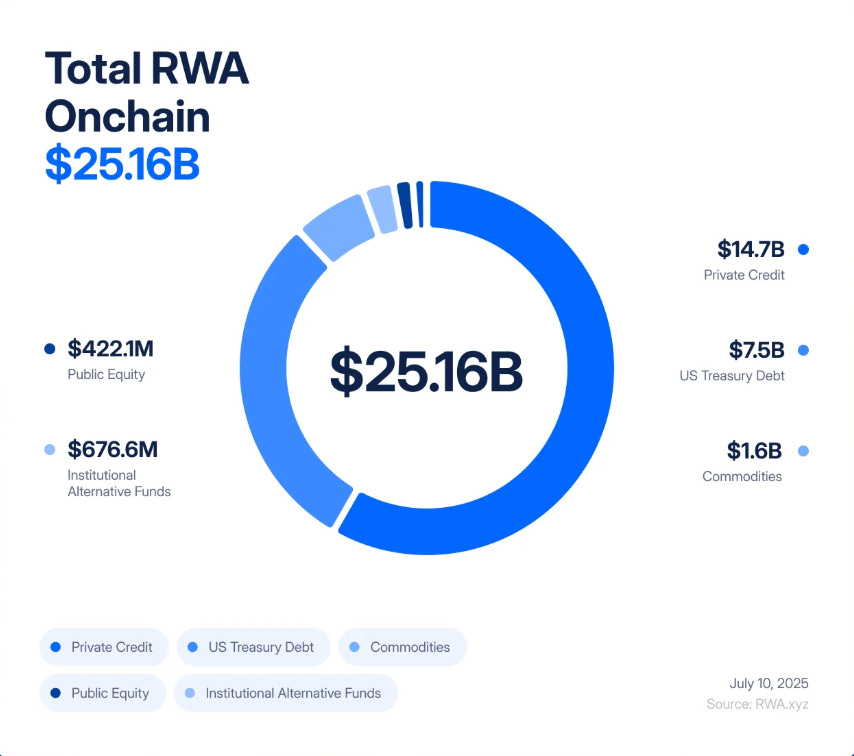
BlackRock has launched tokenized Treasuries, Figure Technologies has put billions of dollars in private credit on-chain, and real estate transactions from New Jersey to Dubai are being fractionalized and traded on decentralized exchanges.
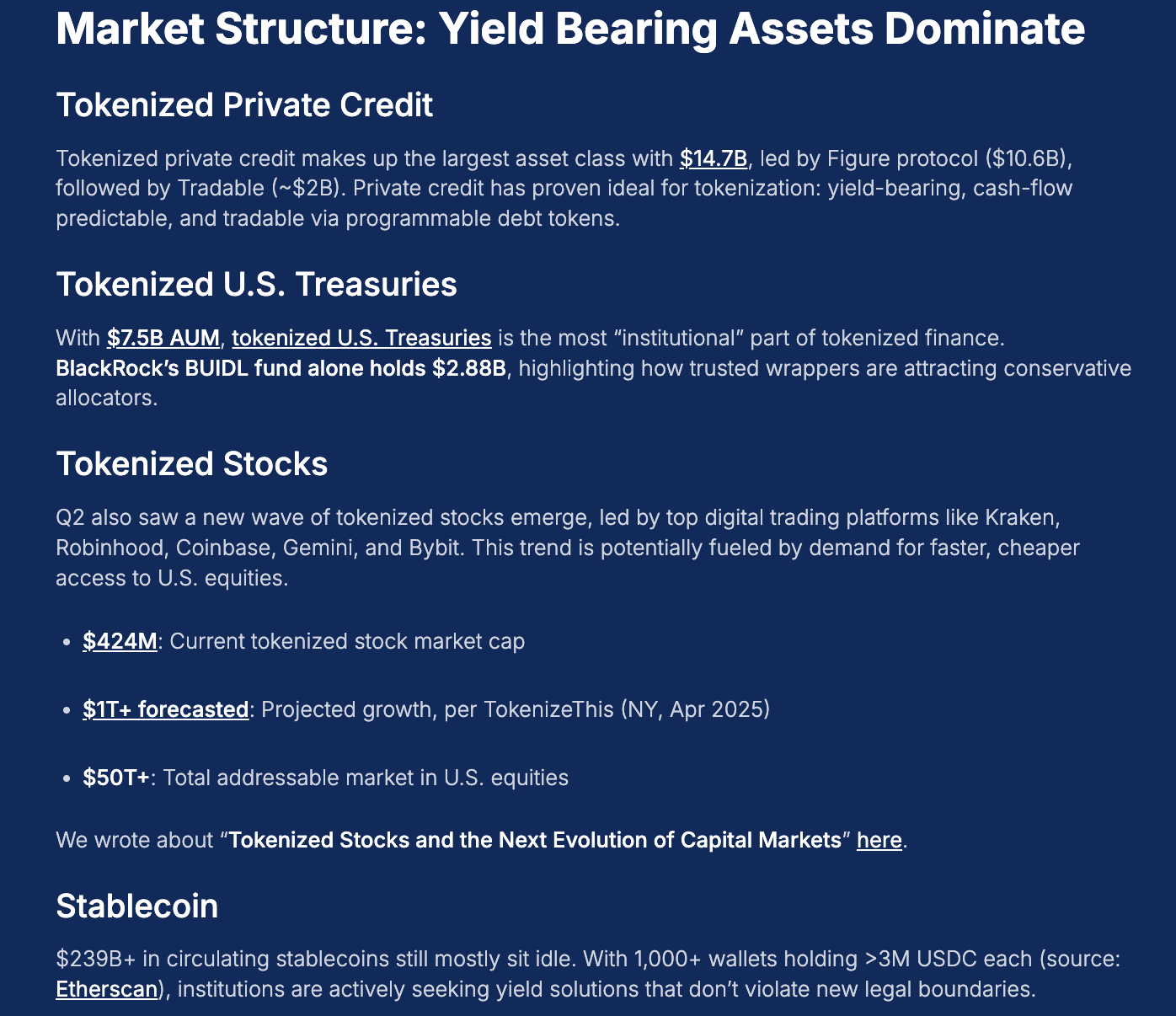
Analysts predict trillions more in assets may follow. To many, this appears to be the long-awaited bridge between traditional finance (TradFi) and decentralized finance (DeFi)—an opportunity to combine the safety of real-world yields with blockchain speed and transparency.
Yet beneath the enthusiasm lies a structural flaw. Tokenization does not change the fundamental nature of office buildings, private loans, or gold bars. These assets are inherently slow and illiquid—they are bound by legal and operational constraints involving contracts, registries, and courts. Tokenization merely wraps them in a hyper-liquid shell, enabling instant trading, leverage, and liquidation. The result is a financial system that transforms slow credit and valuation risks into high-frequency volatility risks, spreading not over months, but minutes.
If this sounds familiar, it should. In 2008, Wall Street learned the hard way what happens when illiquid assets are turned into "liquid" derivatives. Subprime mortgages collapsed slowly; CDOs and CDS imploded quickly. The mismatch between real-world defaults and financial engineering triggered a global crisis. Today’s danger is that we’re rebuilding that architecture—only now it runs on blockchain rails, and crises propagate at code speed.
Imagine a token linked to a commercial property in Bergen County, New Jersey. On paper, the building seems solid: tenants pay rent, loans are repaid on time, titles are clear. But the legal process of transferring ownership—title checks, signatures, filing with the county clerk—takes weeks. That’s how real estate works: slow, methodical, governed by paper and courts.
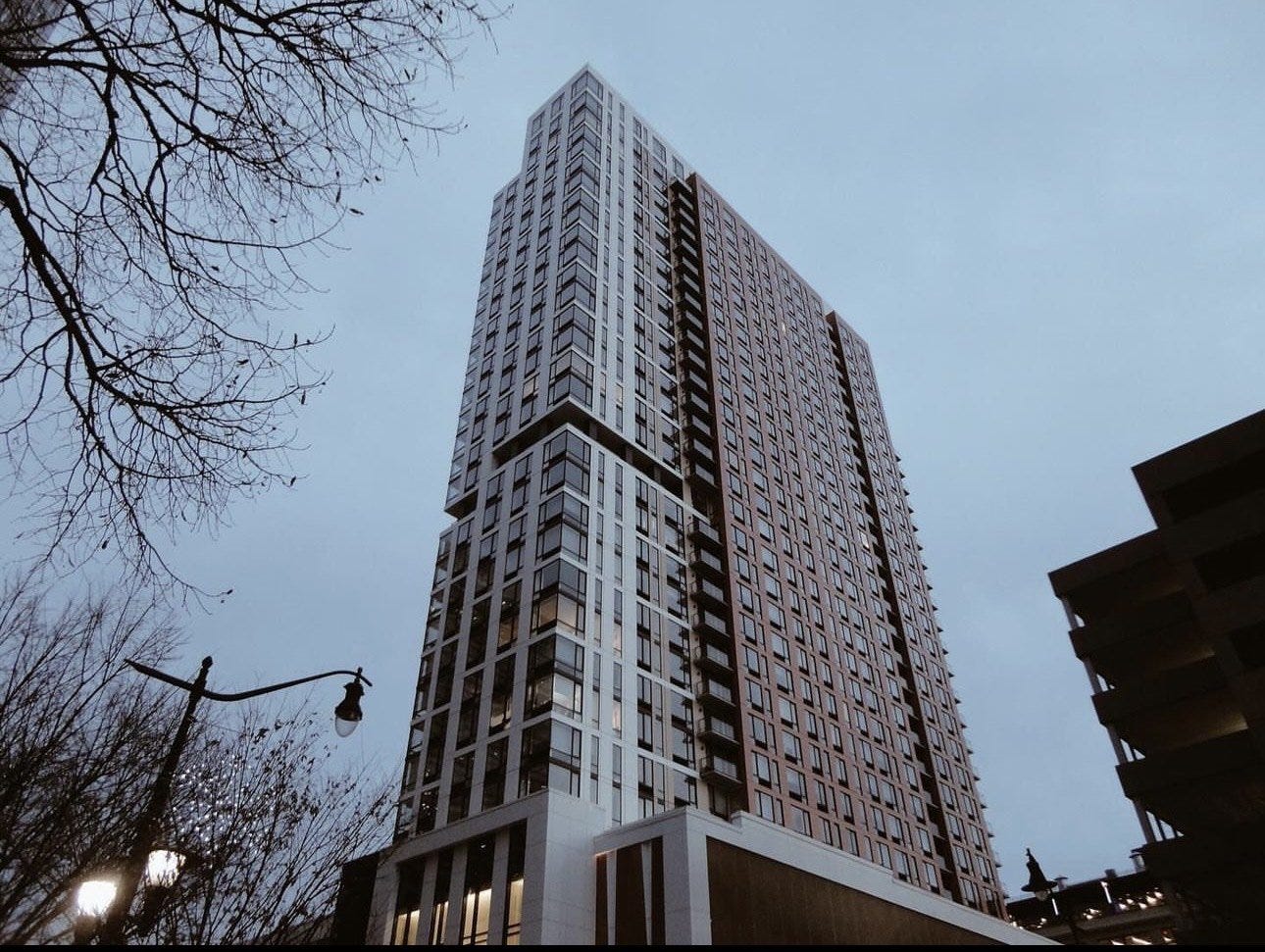
Now put that same property on-chain. Ownership is held in a special purpose vehicle (SPV) that issues digital tokens representing fractional ownership. Suddenly, this once-dormant asset becomes tradeable 24/7. In a single afternoon, these tokens might change hands hundreds of times on decentralized exchanges, serve as collateral for stablecoin loans, or be packaged into structured products promising "safe real-world yields."
The problem is: nothing about the building itself has changed. If a major tenant defaults, property values decline, or the SPV’s legal rights are challenged, the real-world impact could take months or even years to unfold. But on-chain, confidence can vanish instantly. A rumor on Twitter, a delayed oracle update, or a sudden sell-off could trigger a cascade of automated liquidations. The building doesn’t move—but its tokenized representation can collapse within minutes, dragging down collateral pools, lending protocols, and stablecoins with it.
This is the essence of the RWA liquidity paradox: tying illiquid assets to hyper-liquid markets doesn’t make them safer—it makes them more dangerous.
2008’s Slow Crash vs. 2025’s Real-Time Collapse
In the mid-2000s, Wall Street transformed subprime mortgages—illiquid, high-risk loans—into complex securities.
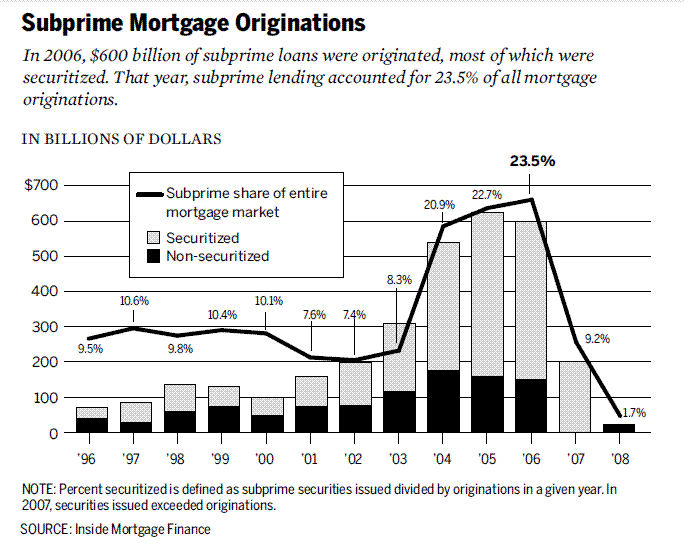
Mortgages were pooled into mortgage-backed securities (MBS), then sliced into tranches of collateralized debt obligations (CDO). To hedge risk, banks layered on credit default swaps (CDS). Theoretically, this "financial alchemy" turned fragile subprime loans into "safe" AAA-rated assets. In reality, it built a towering structure of leverage and opacity on shaky foundations.
The crisis erupted when slowly spreading mortgage defaults collided with rapidly moving CDO and CDS markets. Foreclosures took months, but the associated derivatives repriced in seconds. This mismatch wasn’t the sole cause of the crash, but it amplified localized defaults into a global shock.
RWA tokenization faces the same mismatch risk—and at faster speeds. Instead of layering subprime mortgages, we’re fractionalizing private credit, real estate, and Treasuries into on-chain tokens. Instead of CDS, we’ll see “RWA-squared” derivatives: options, synthetics, and structured products built on RWA tokens. Where rating agencies once labeled junk as AAA, we now outsource valuations to oracles and custodians—new black boxes of trust.
This similarity isn’t superficial—the logic is identical: package slow, illiquid assets into seemingly liquid structures, then let them trade in markets orders of magnitude faster than the underlying assets. In 2008, the system took months to collapse. In DeFi, it could happen in minutes.
Scenario 1: Credit Default Cascade
A private credit protocol has tokenized $5 billion in small business loans. On the surface, yields are steady at 8–12%. Investors treat the tokens as safe collateral and borrow against them on Aave and Compound.
Then, the real economy deteriorates. Default rates rise. The true value of the loan book declines, but the oracles feeding prices on-chain only update monthly. On-chain, the tokens still appear healthy.
Rumors spread: some large borrowers are delinquent. Traders dump the tokens before the oracle catches up. The market price drops below its "official" value, breaking its dollar peg.
That’s enough to trigger automated mechanisms. DeFi lending protocols detect the price drop and begin liquidating loans backed by these tokens. Liquidation bots repay debts, seize collateral, and dump it on exchanges—further driving down prices. More liquidations follow. Within minutes, a slow-moving credit issue becomes a full-scale on-chain collapse.
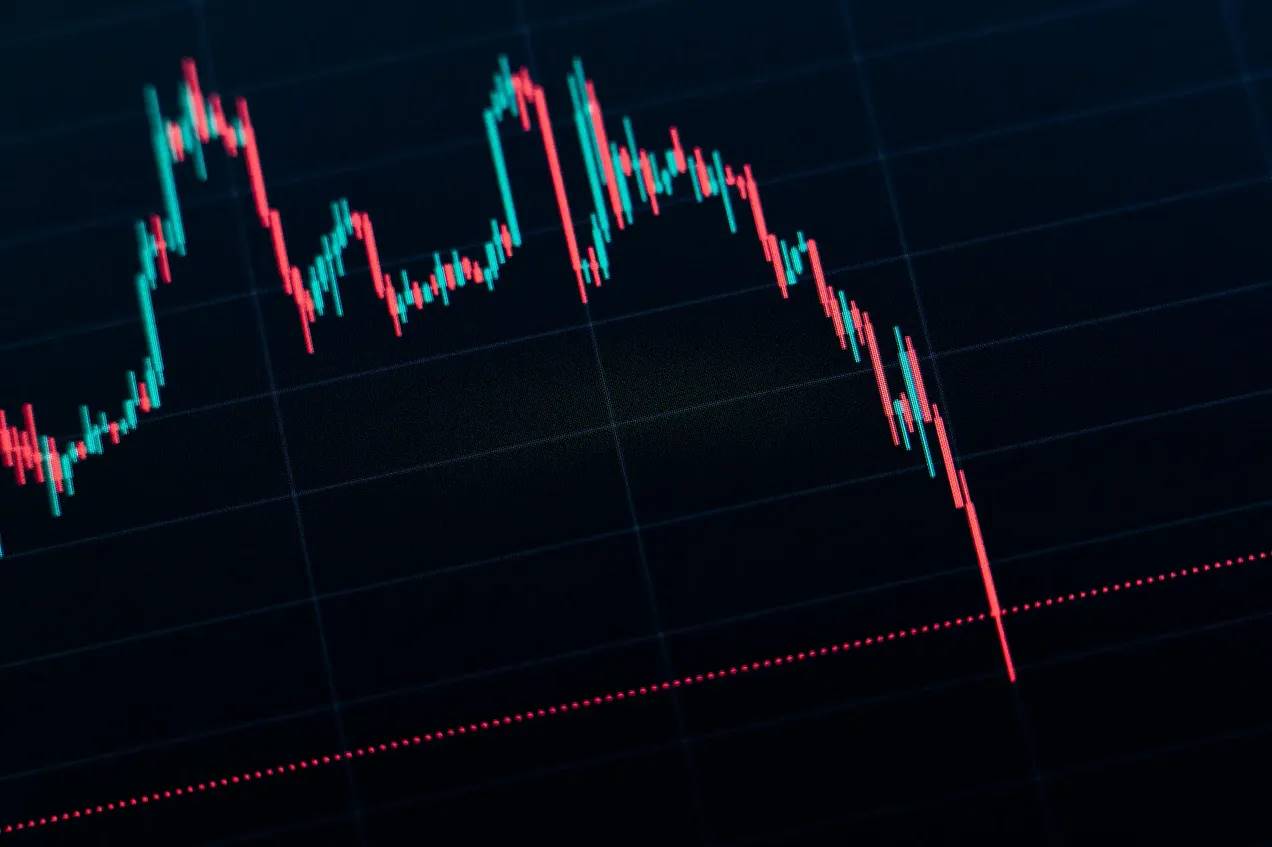
Scenario 2: Real Estate Flash Crash
A custodian manages $2 billion in tokenized commercial real estate, but suffers a hack threatening its legal ownership. At the same time, a hurricane hits the city where the buildings are located.
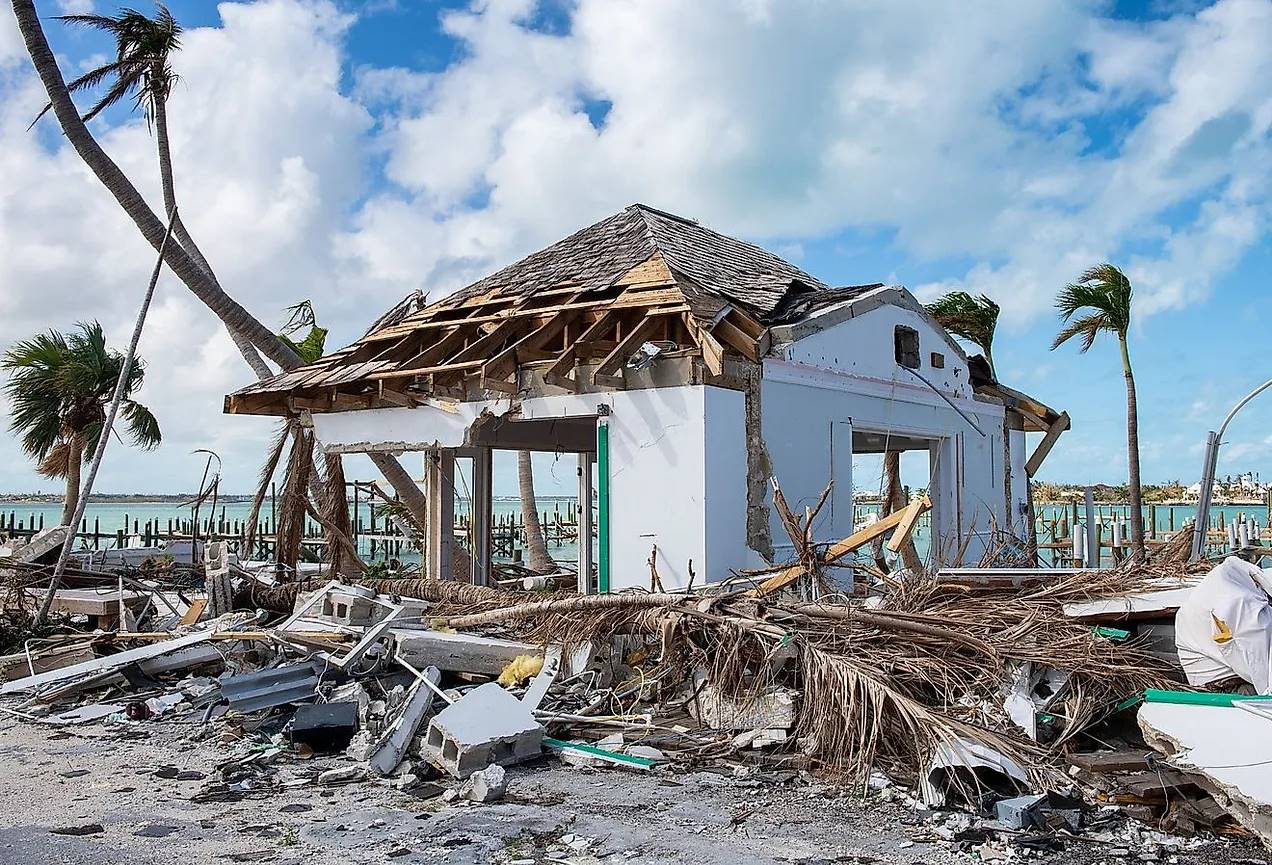
The off-chain value of the assets becomes uncertain; the on-chain token price crashes immediately.
Panic spreads on decentralized exchanges as holders rush to exit. Automated market makers drain liquidity. Token prices plummet.
Across the DeFi ecosystem, these tokens have been used as collateral. Liquidation mechanisms activate, but the seized collateral is now worthless and highly illiquid. Lending protocols are left holding unrecoverable bad debt. What was marketed as "institutional-grade real estate on-chain" instantly becomes a gaping hole on the balance sheets of DeFi protocols—and any TradFi funds exposed to it.
Both scenarios reveal the same dynamic: the liquid shell collapses far faster than the underlying asset can respond. Buildings still stand, loans still exist, but the on-chain representation vanishes in minutes, dragging down the entire system.
The Next Phase: RWA-Squared
Finance never stops at one layer. Once an asset class exists, Wall Street—and now DeFi—builds derivatives on top. Subprime mortgages led to MBS, then CDOs, then CDS. Each promised better risk management; each increased fragility.
RWA tokenization will be no different. The first wave is relatively simple: fractionalized credit, Treasuries, and real estate. The second wave is inevitable: RWA-squared. Tokens are bundled into indices, tranching into "safe" and "risky" layers, while synthetic assets allow traders to bet for or against baskets of tokenized loans or properties. A token backed by New Jersey real estate and Singapore SME loans could be repackaged into a single "yield product" and leveraged across DeFi.
Ironically, on-chain derivatives appear safer than 2008’s CDS—they’re fully collateralized and transparent. But risk doesn’t disappear—it mutates. Smart contract exploits replace counterparty defaults; oracle errors replace rating fraud; governance failures replace AIG-style collapses. The outcome remains the same: layers of leverage, hidden correlations, and a system vulnerable to single points of failure.
The promise of diversification—mixing Treasuries, credit, and real estate into a single tokenized basket—ignores a key reality: all these assets now share a common correlation vector—the underlying tech stack of DeFi. When a major oracle, stablecoin, or lending protocol fails, every RWA derivative built atop it collapses, regardless of the diversity of its underlying assets.
RWA-squared products will be hailed as a sign of maturity, proof that DeFi can replicate complex TradFi markets. But they may also become the catalyst that ensures when the first shock hits, the system doesn’t absorb it—it simply breaks.
Conclusion
The RWA boom is marketed as the bridge between TradFi and DeFi. Tokenization does bring efficiency, composability, and new yield avenues. But it doesn’t change the nature of the assets themselves: even if loans, buildings, and commodities trade at blockchain speed, they remain illiquid and slow-moving.
This is the liquidity paradox. By tying illiquid assets to hyper-liquid markets, we increase fragility and reflexivity. The very tools that make markets faster and more transparent also make them more vulnerable to sudden shocks.
In 2008, subprime defaults took months to become a global crisis. For tokenized real-world assets, a similar mismatch could spread in minutes. The lesson isn’t to abandon tokenization—but to design with its risks in mind: more conservative oracles, stricter collateral standards, and stronger circuit breakers.
We’re not doomed to repeat the last crisis. But if we ignore this paradox, we may end up accelerating the next one.
Join TechFlow official community to stay tuned
Telegram:https://t.me/TechFlowDaily
X (Twitter):https://x.com/TechFlowPost
X (Twitter) EN:https://x.com/BlockFlow_News






