Gamification Mechanisms: An Introduction to Hyper-Gambling Market Design
TechFlow Selected TechFlow Selected
Gamification Mechanisms: An Introduction to Hyper-Gambling Market Design
Risk is entertainment.
 Navigating Web3 tides with focused insights
Author: Lauris
Translation: AididiaoJP, Foresight News
Hyper-Gamification Is Inevitable
The core of games has always been about risk, speculation, and dopamine.
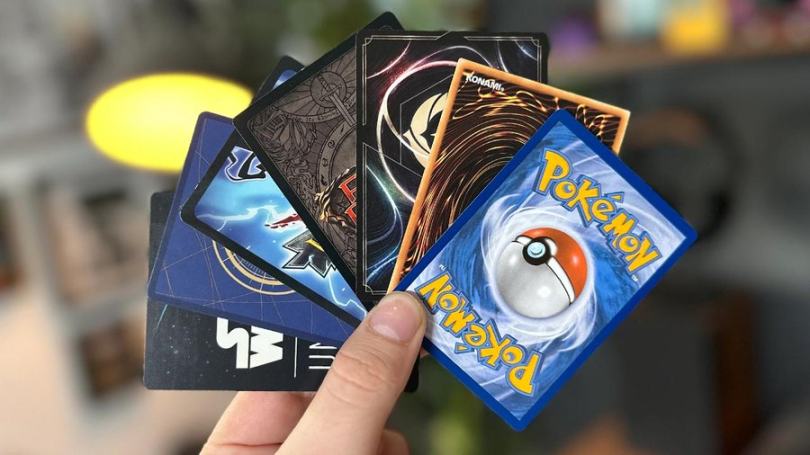
Casinos are the most direct form: blackjack, poker, slot machines—these are pure probabilistic thrills. Without betting markets, sports events would struggle to scale. Trading cards went viral because of the lottery-like mechanism of pack openings, chasing rare cards. Even cosmetic skins in video games have spawned underground economies where rarity and speculation outweigh practicality.
This is not a flaw—speculation itself is the feature. It makes games sticky, shareable, and communal. When risk enters the loop, attention compounds.
We call this "hyper-gamification": merging speculative game mechanics with financial speculation into a contagious entertainment foundation. And with support from on-chain infrastructure, it becomes inevitable—liquid, verifiable, composable, and global.
Cautionary Tale: Why Play-to-Earn Collapsed
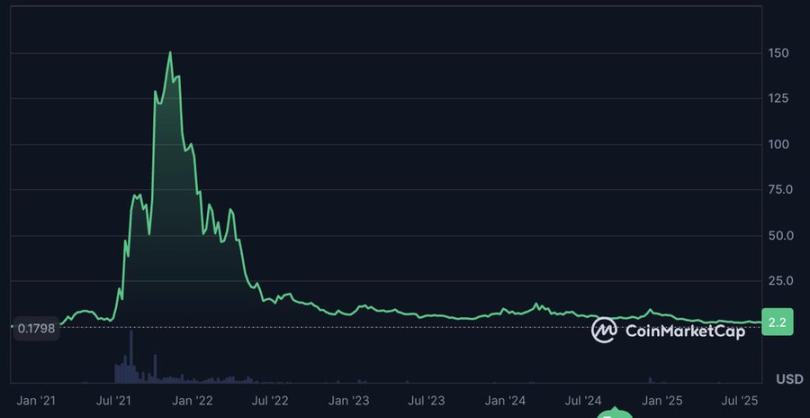
The last wave of "crypto games," Play-to-Earn, fundamentally misaligned the loop. It once seemed unstoppable: Axie Infinity's explosive growth, guilds rapidly expanding across Southeast Asia, billions of dollars flowing in—then everything collapsed.
Why? Because P2E mistook gaming for work.
Players weren't playing—they were extracting value. The loop itself wasn't fun, it was labor. Once speculative capital dried up, there was nothing left to sustain it. Games don't scale through labor, they scale through play. And at the heart of play lies speculation.
This is why most attempts at "crypto games" are doomed to fail unless speculation is embedded in their core mechanics. Ponzi schemes and inflationary tokens no longer work. What people consistently want is the combination of risk-driven excitement and broad entertainment.
This is exactly why every on-chain game today is quietly reintroducing betting mechanisms.
They've realized the obvious: without speculation in the loop, survival is impossible.
Macro View: Hyper-Gamification as Market Design
Speculation has always been the most universal form of play. From dice games in ancient Rome to modern casinos, from sports betting to opening Pokémon card packs—the common thread remains: risk as entertainment.
The internet financialized it, cryptography enabled liquidity, and blockchains made it programmable.
This changes everything:
-
Liquidity becomes instant and global.
-
Every bet or interaction is verifiable.
-
Market movements themselves become distribution engines.
This is why most people's vision of "crypto games" is destined to fail. Without a speculative loop, it's just a worse-user-experience Web2 game. Ponzi schemes and inflationary tokens can't survive in today's environment. The only games that will scale on-chain are those directly plugged into markets.
This is the inevitability of hyper-gamification. It's not a side bet—it's a new market design where play and speculation are inseparable, and attention itself becomes the distribution track.
What Prediction Markets Get Right
Prediction markets are games. The market is the entertainment loop; the payoff is truth upon settlement. Prediction markets—whether surface-level or underlying consumer experiences—will become the next massive long-tail, high-variance game on-chain.
They work because:
-
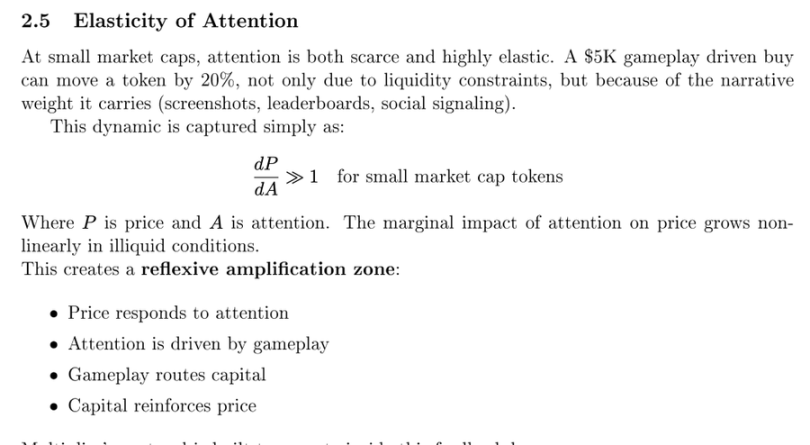
Small pools generate returns. Retail players can move markets; price impact is visible and addictive.
-
Settlement creates stakes. Outcomes resolve, proof exists, consequences become content.
-
Odds become memes. Implied probabilities turn into charts, screenshots, shareable narratives.
-
Reflexivity is built-in: bets move prices → prices spark discussion → discussion drives more bets.
They endure by fusing speculation with consequence and distribution.
Potential Long-Term Weaknesses of Prediction Markets
Traditional prediction markets are narrow: binary, slow, fragmented. They excel at handling consequences but struggle with sustainability. The technology is impressive—aggregating opinions to discover truth—but most volume still comes from large players and major market participants, not retail.
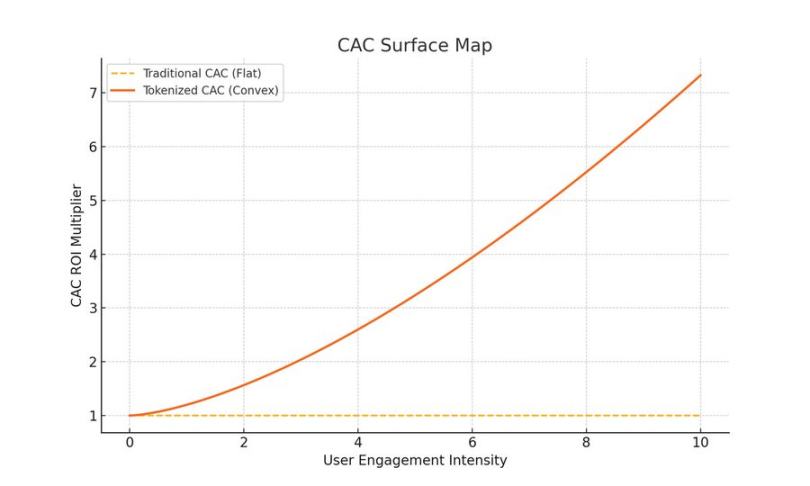
The next wave will improve microstructures, not just interfaces:
-
Treat each game as a micro-market with clear payoff curves (parimutuel, AMM, or order book).
-
Design around visible price movements so users feel agency.
-
Adopt faster settlement rhythms to keep the loop alive.
-
Enable games, tasks, and creator challenges to tap into shared liquidity.
The standard loop is: attention → price risk → credentials. Everything else is auxiliary.
Durable on-chain games will resemble less of a labor loop and more of a prediction market—with better skins, micro-liquidity pools, shareable odds, continuous consequences, and reflexive distribution.
Why On-Chain Makes This Inevitable
Cryptography provides the perfect foundation for speculative play:
-
Instant liquidity—bets and outcomes settle without intermediaries.
-
Composable markets—each game plugs into shared infrastructure.
-
Transparent odds—verifiable fairness is built into the chain.
-
Meme amplification—tokens turn every outcome into a narrative.
The next wave won't be labor loops like Axie. It will be like an arcade plugged into a financial system, where each machine is a micro-market, every action is priced, and every new player adds liquidity to the loop.
Join TechFlow official community to stay tuned
Telegram:https://t.me/TechFlowDaily
X (Twitter):https://x.com/TechFlowPost
X (Twitter) EN:https://x.com/BlockFlow_News
 @lzminsky