The Battle for the Fed Chair: Which of the 11 Candidates Will Take Control of Monetary Policy?
TechFlow Selected TechFlow Selected
The Battle for the Fed Chair: Which of the 11 Candidates Will Take Control of Monetary Policy?
11 people, one chair, endless possibilities.
 Navigating Web3 tides with focused insights
In August, as Federal Reserve Chair Powell delivered what might be his final major speech during his tenure at the Jackson Hole symposium, the race for his successor had already quietly begun.
Current Treasury Secretary Scott Bessent holds a list of 11 candidates.
Starting from Labor Day on September 1, Bessent will meet each candidate one by one to help President Trump select the final nominee.
Prior to this, Trump has openly expressed dissatisfaction with current Chair Powell, repeatedly calling him a "numbskull" and a "moron." He desires a more "compliant" Fed chair but still needs to preserve the Fed's reputation for independence.
Who is most likely to become the next chair of the Federal Reserve? We've compiled an overview of these 11 candidates.

First Tier: The Established Succession Candidates Within the Fed System
The four senior officials within the Federal Reserve system form the most competitive first tier.
They are familiar with the Fed's operational mechanisms, possess extensive policy-making experience, and most importantly, have already proven themselves within the current monetary policy framework.
Michelle Bowman: The Iron Lady of Regulation
Key Label: "The Sole Dissenter"
One of the youngest members of the Federal Reserve Board at age 54, Michelle Bowman may also be the most hardline hawk. In 2024, when the Fed began its rate-cutting cycle, she was the only board member to cast a dissenting vote—a move that earned her respect within Trump’s team.
Core Advantages:
-
Comprehensive financial regulatory background: from Kansas state banking commissioner to Vice Chair for Supervision at the Federal Reserve
-
Understands community banks, aligning well with Trump’s agenda of easing regulations on small and medium-sized banks
-
Strong-willed and unafraid to stand by her convictions
Potential Challenges: Her tough stance could raise market concerns about excessive monetary tightening.
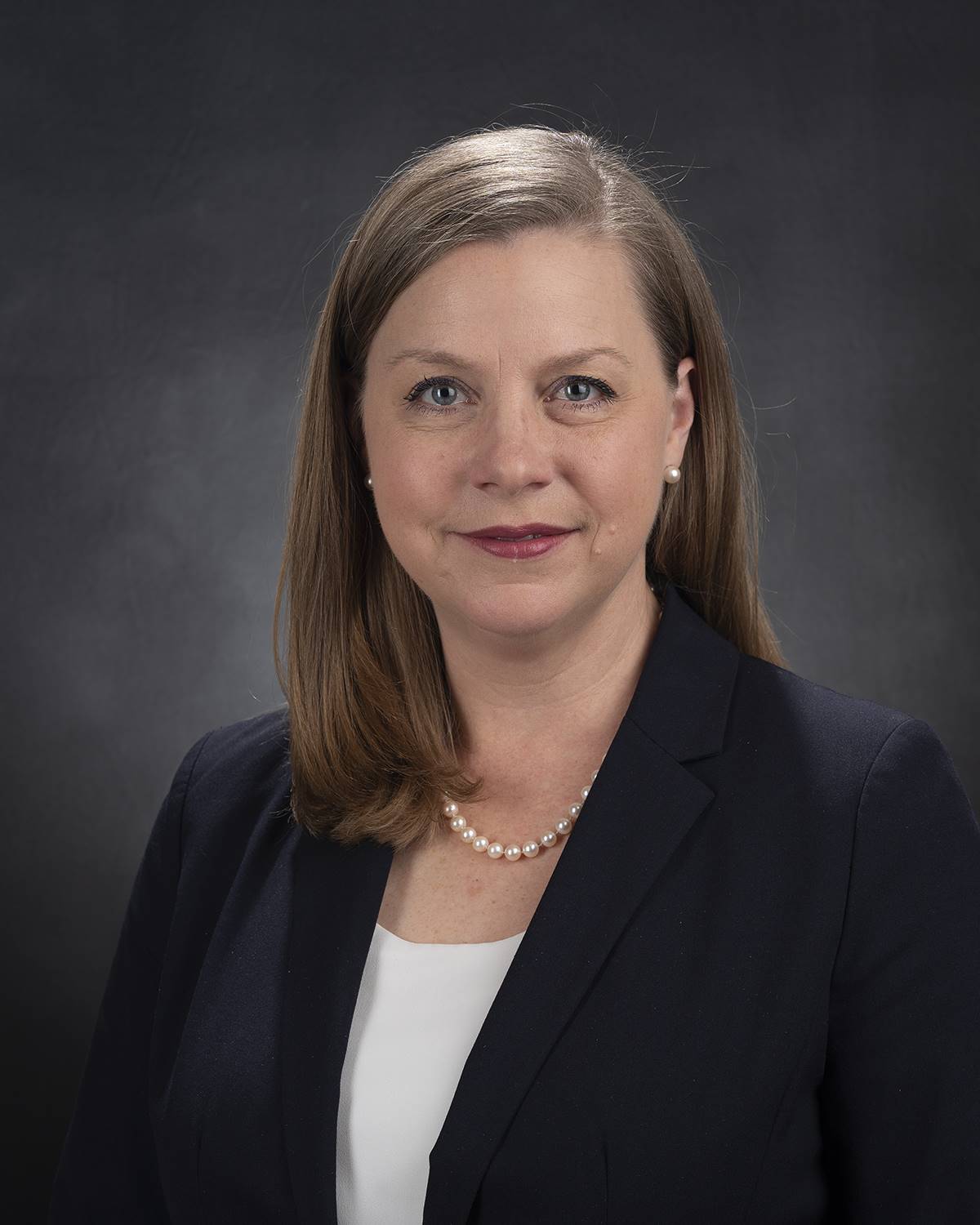
Christopher Waller: The Scholar-Practitioner
Key Label: "Powell 2.0"
At 65, Waller may be the safest choice. A former research director at the St. Louis Fed, he combines deep academic expertise with hands-on policy experience. More importantly, he was personally nominated by Trump during his first term.
Core Advantages:
-
Monetary economics authority who has published extensively on central bank digital currencies and financial stability
-
Exceptional communicator whose speeches often precisely guide market expectations
Potential Challenges: May be seen as too "conventional," lacking the reformist drive Trump seeks.
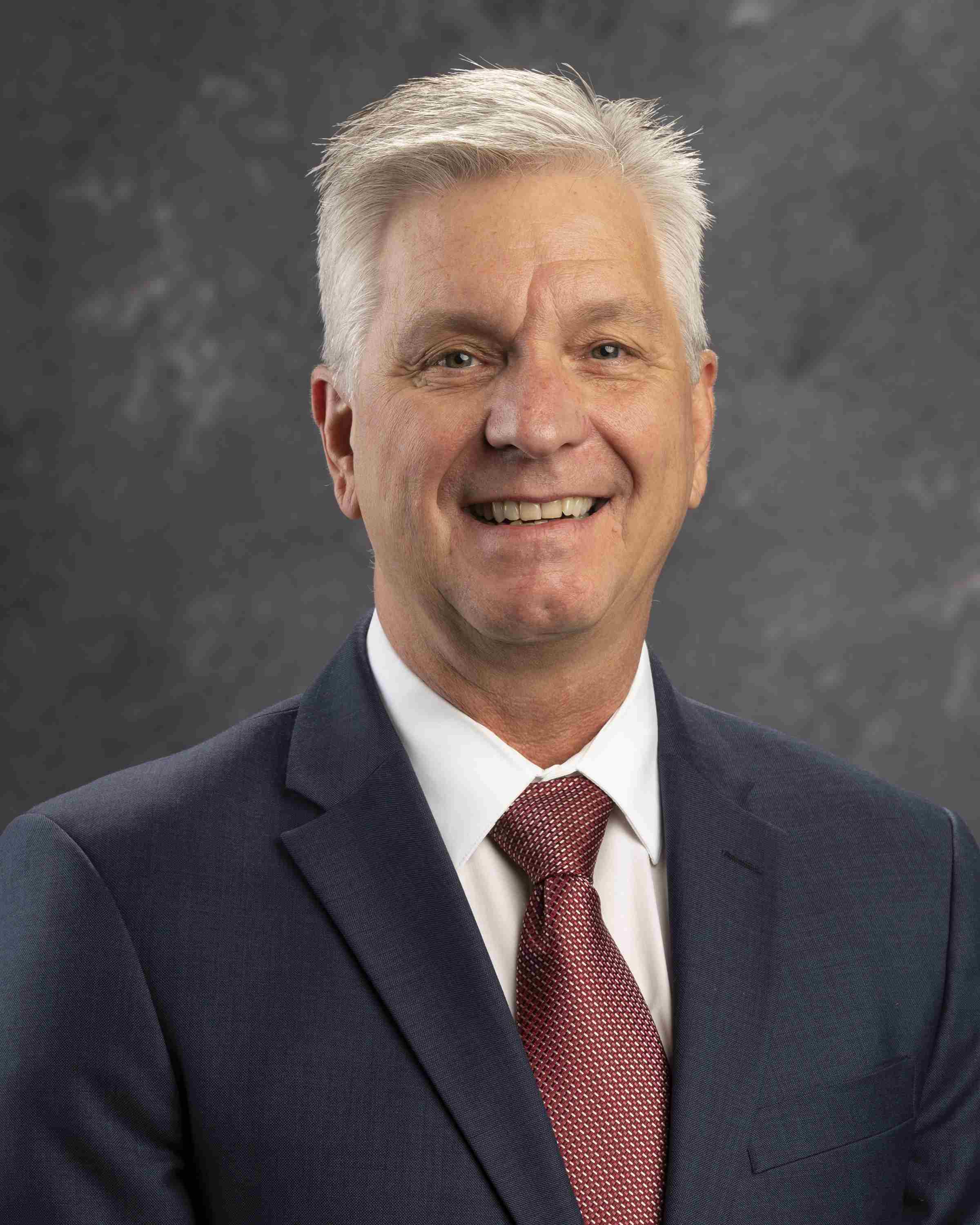
Philip Jefferson: African American, Current Vice Chair
Key Label: "Steady Coordinator"
If elected, 63-year-old Philip Jefferson would become the first African American chair in Fed history. But his strengths go beyond identity. As current vice chair, he is the most knowledgeable figure regarding the Fed’s day-to-day operations.
Core Advantages:
-
Expert in labor economics with unique insights into the job market—an area of top concern for Trump
-
Strong academic background as a Dartmouth College economics professor, combined with practical experience
Potential Challenges: Seen as overly cautious, potentially lacking decisive crisis leadership.
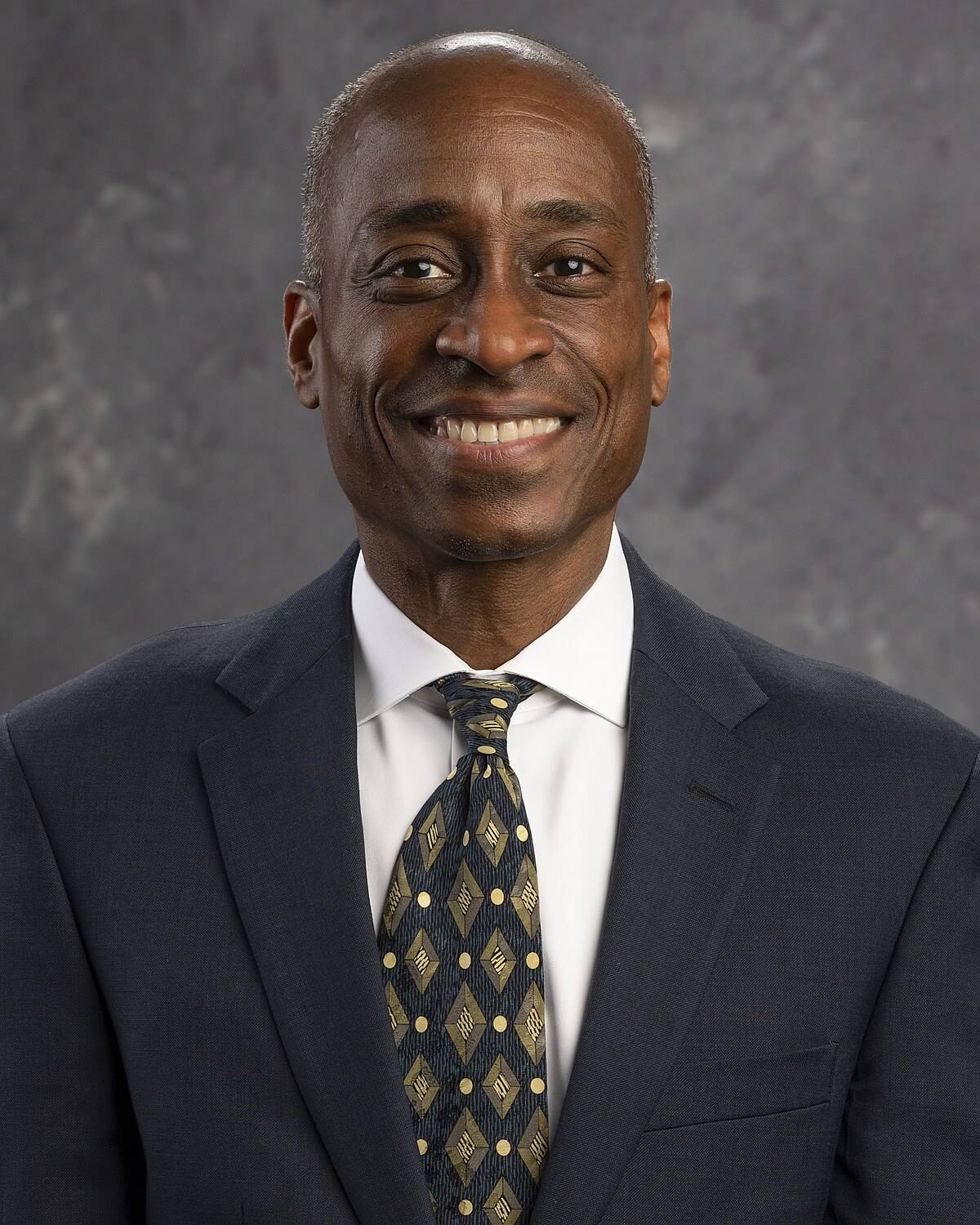
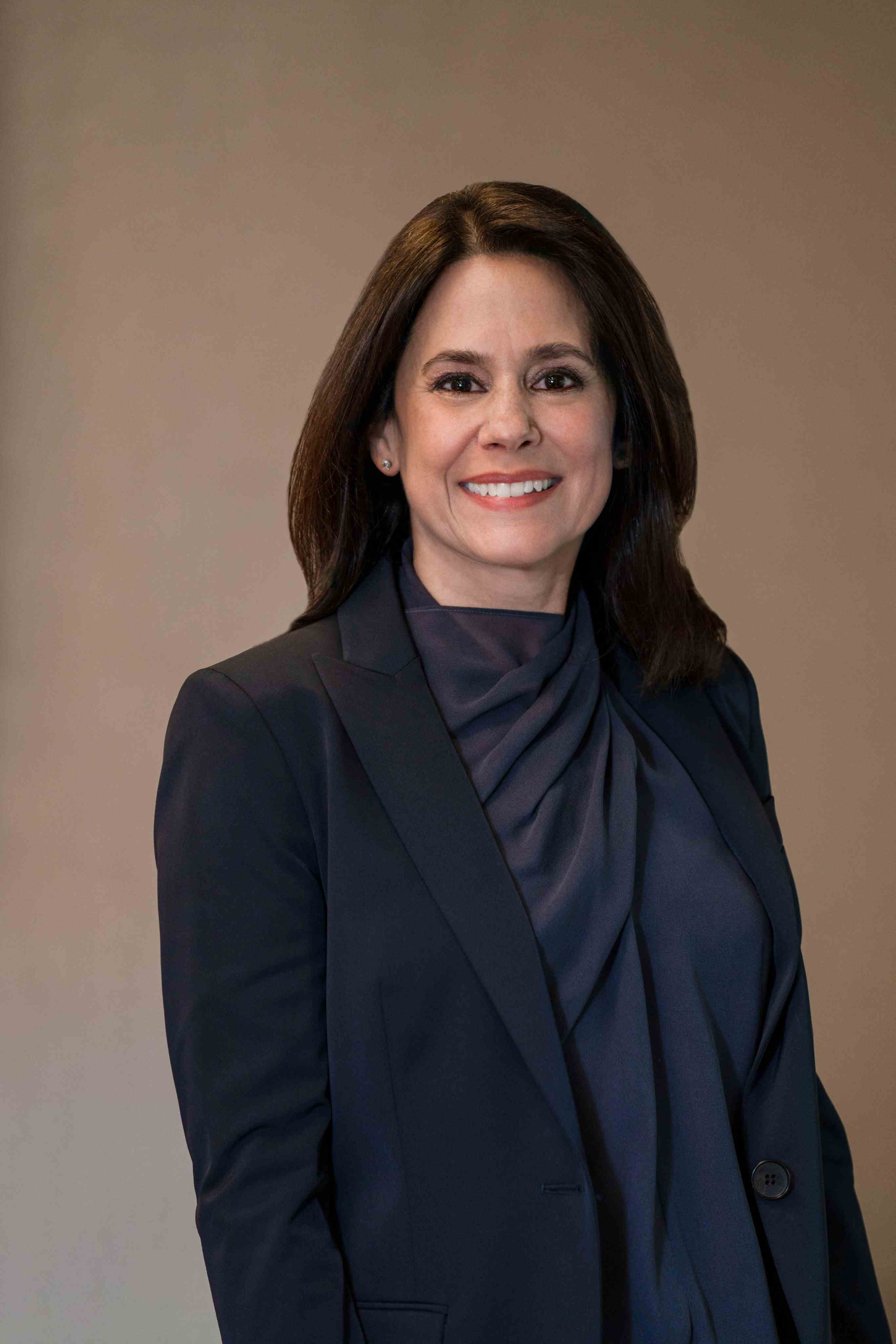
Lorie Logan: Master of Market Operations
Key Label: "Wall Street’s Best-Known Central Banker"
Lorie Logan, former Dallas Fed president, spent years leading the New York Fed’s market operations division—making her a true expert in managing trillions of dollars in assets.
Core Advantages:
-
23 years of experience at the New York Fed, directly executing open market operations
-
Extensive crisis management experience, having participated in responses to both the 2008 financial crisis and the 2020 pandemic shock
Potential Challenges: Her regional Fed background may count against her due to limited political capital in Washington.
These four internal candidates represent the Fed’s "establishment" faction. Their shared strength lies in ensuring policy continuity and avoiding severe market disruptions.
Second Tier: Experienced Returnees
The following three candidates previously left the Fed and are best described as former officials. Their common advantage is deep understanding of the Fed’s systems while remaining unbound by current frameworks.
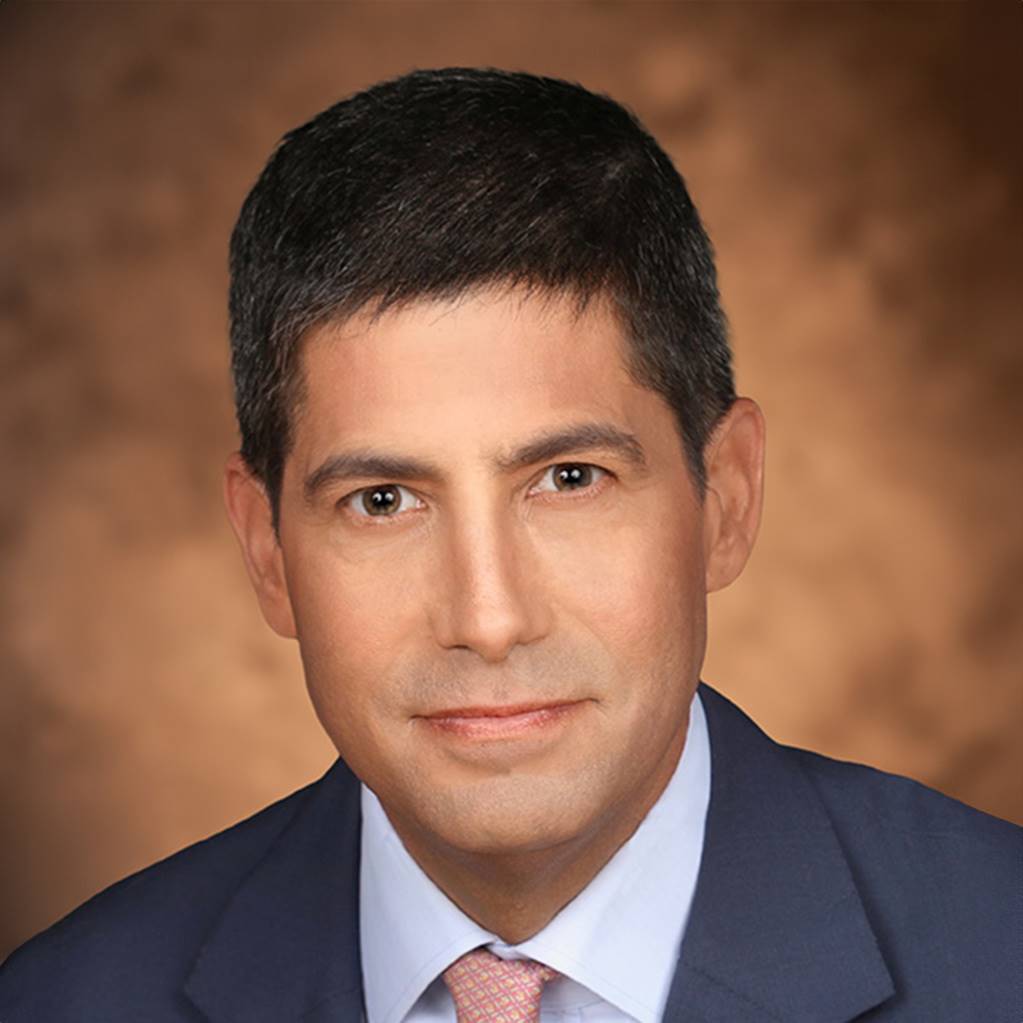
Kevin Warsh: The Wall Street Golden Boy Returns
Key Label: "The Youngest Possible Choice"
At 54, Kevin Warsh boasts an enviable resume: became the youngest-ever Fed governor at 35, served as Ben Bernanke’s key advisor during the 2008 financial crisis, and after leaving the Fed, focused on monetary policy reform research at Stanford’s Hoover Institution.
Crucially, Trump seriously considered him for Treasury Secretary.
Core Advantages:
-
Unique cross-sector experience across Wall Street (Morgan Stanley), the Fed, and academia
-
Clear reform agenda, author of several influential papers on Fed structural reform
-
Powerful network—his father-in-law is heir to Estée Lauder cosmetics fortune, giving him deep ties in both Wall Street and Washington
-
Youthful energy capable of bringing a new generation of leadership to the Fed
Potential Challenges: Was a top contender for Fed chair in 2017 but ultimately passed over.
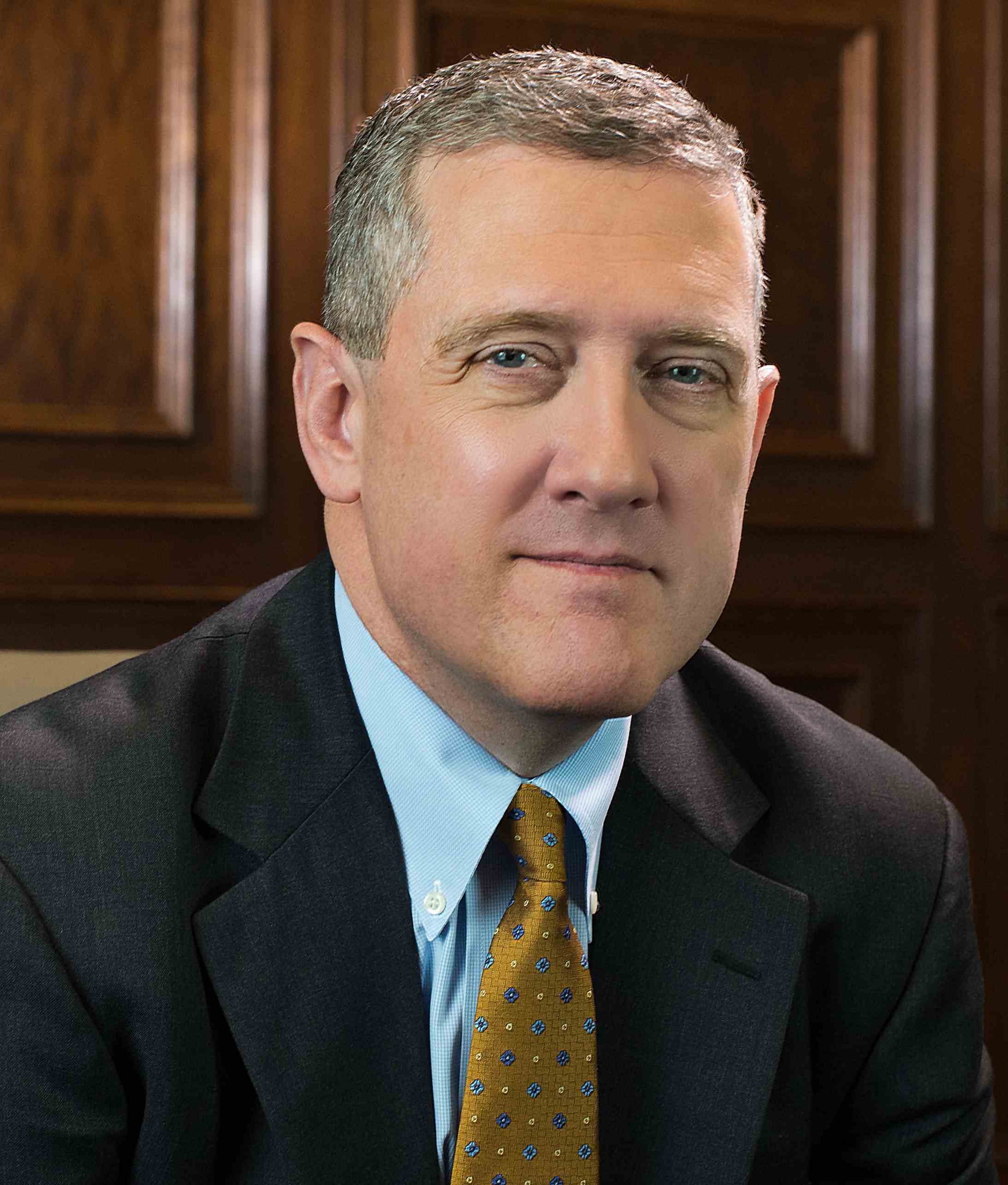
James Bullard: The Inflation Prophet
Key Label: "The Man Who Understands Inflation Best"
If anyone foresaw the current inflation wave early, James Bullard stands out. The former St. Louis Fed president began warning of inflation risks in 2021—full year ahead of mainstream Fed thinking.
Core Advantages:
-
Proven track record in inflation forecasting, dubbed “Inflation Hawk King” by media
-
Currently dean of Purdue University’s business school, maintaining sharp economic research instincts
Potential Challenges: Highly independent personality—he frequently dissented during FOMC meetings at the St. Louis Fed.
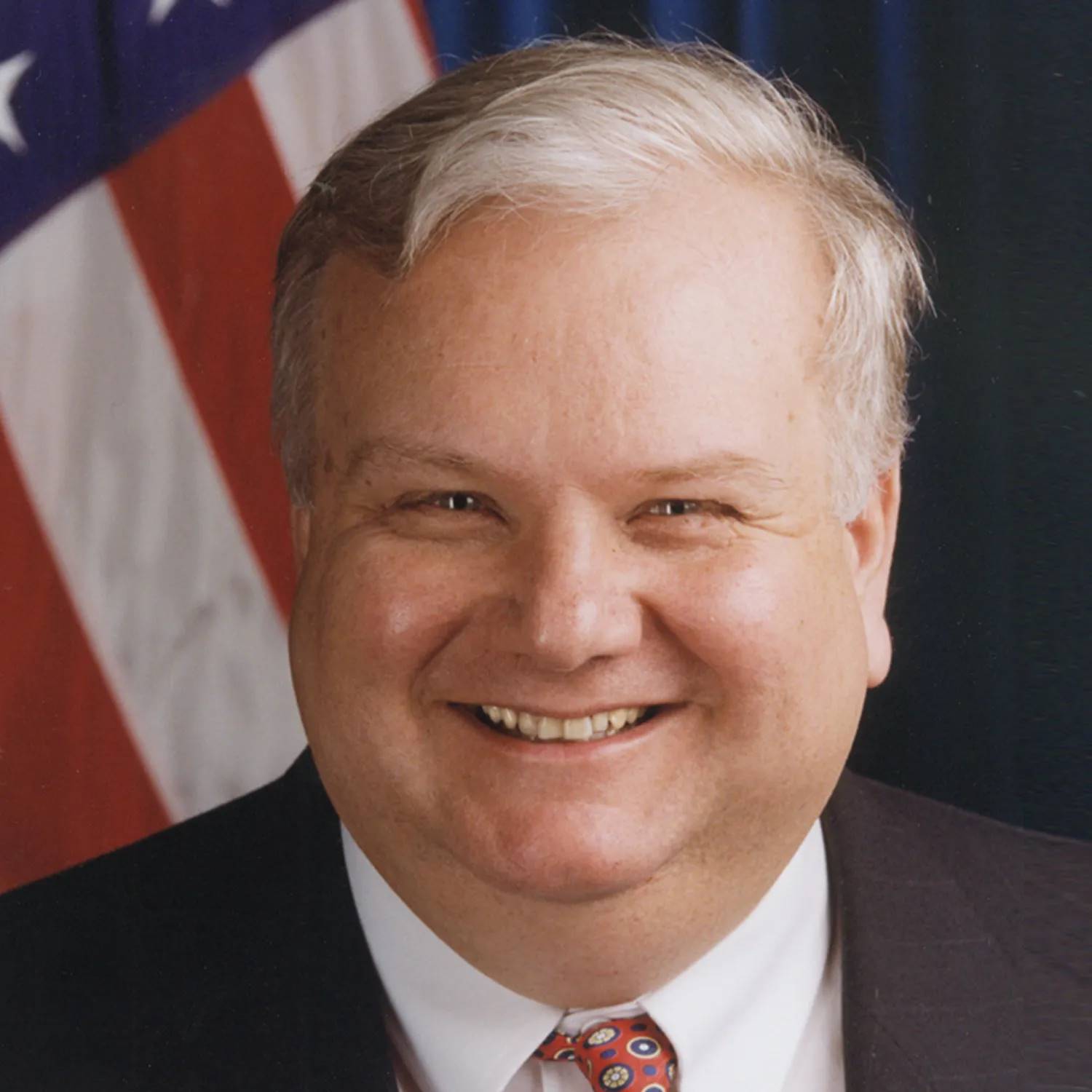
Larry Lindsey: Seasoned Politician, Economic Advisor to George W. Bush
At 70, Larry Lindsey may be the most adept among all candidates at navigating politics and economics.
He served as chief economic advisor to President George W. Bush and previously held a seat on the Fed board under Clinton. This bipartisan experience is extremely rare in today’s polarized Washington.
Core Advantages:
-
White House experience, skilled at managing relations between the Fed and executive branch
-
Outstanding forecasting ability—he accurately predicted the dot-com bubble burst and the cost of the Iraq War
-
Founder of his own economic consulting firm, maintaining close ties with the corporate world
Potential Challenges: Age could be a factor, and having left the Fed over two decades ago, his familiarity with modern monetary tools is questionable.
Third Tier: The President’s Trusted Economic Advisors
If the first two tiers represent expertise, this tier represents loyalty.
Their greatest strength isn’t their grasp of monetary policy, but their deep understanding of "Trumpomics."
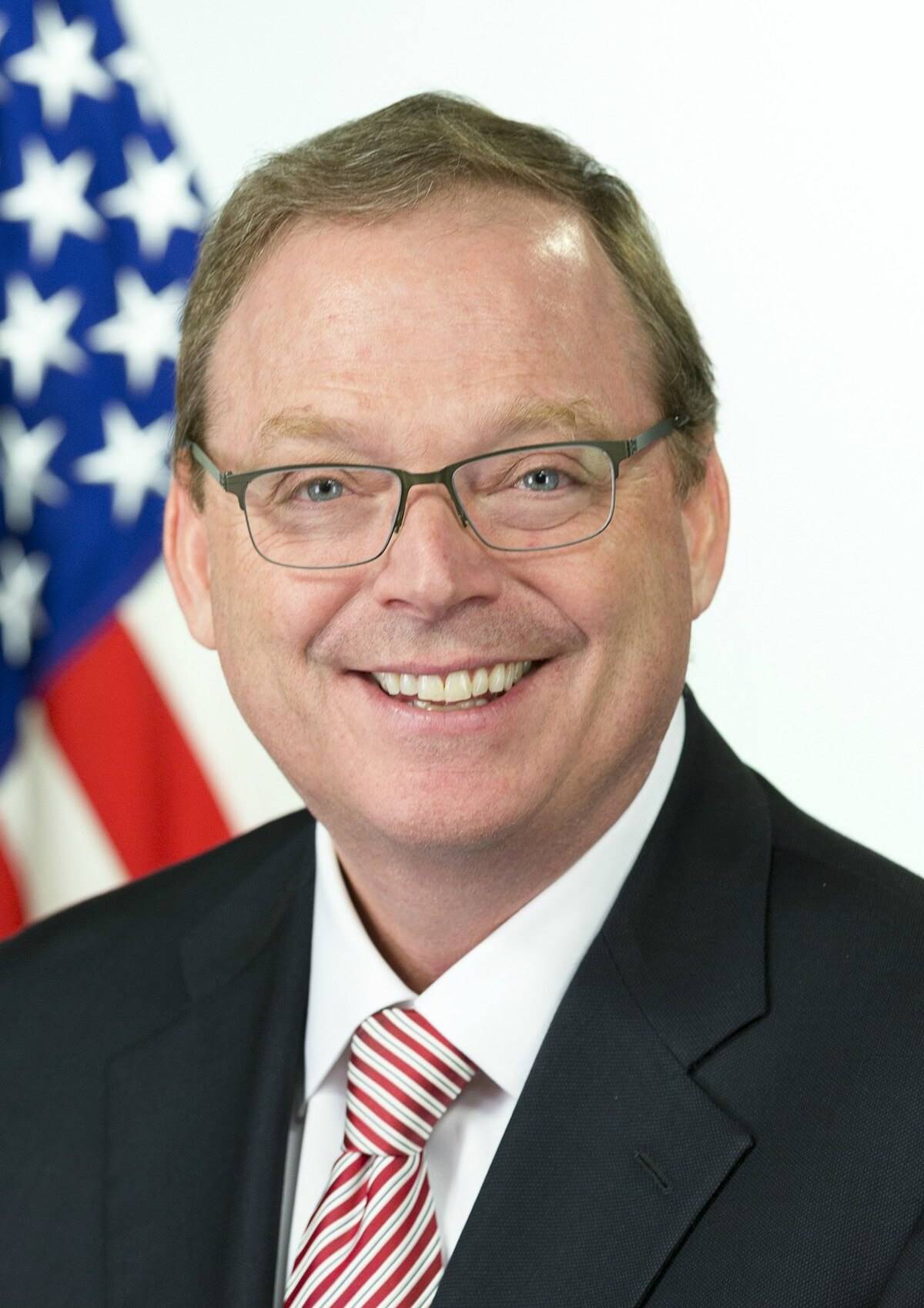
Kevin Hassett: The President’s Economic Mentor
Key Label: "Chief Evangelist of Trumponomics"
At 62, Kevin Hassett may be the closest to Trump among all candidates. As current Director of the National Economic Council, he interprets economic data for the president almost daily. More importantly, he is one of the few people who can get Trump to sit through a full economics lecture.
Core Advantages:
-
Deeply trusted by Trump, whom the president calls "my economics professor"
-
Tax reform expert, one of the principal architects of the 2017 Trump tax cuts
-
Always finds bright spots in economic data—the style Trump favors
Potential Challenges: Lacks central banking experience—never worked at the Fed—with monetary policy knowledge derived mainly from academic study.
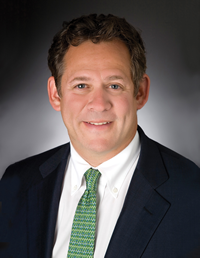
Marc Sumerlin: Establishment Outsider Seeking Change
Key Label: "An Outsider Who Knows Washington’s Rules"
Marc Sumerlin is an intriguing paradox: possesses the most traditional establishment credentials—former Deputy Director of the National Economic Council under George W. Bush—yet advocates the most radical Fed reform proposals.
He calls for a complete overhaul of the Fed’s decision-making process, including shortening FOMC statements, reducing press conference frequency, and restoring the Fed’s "mystery."
Core Advantages:
-
Deep bipartisan connections, having advised multiple Republican senators
-
Founder of Evenflow Macro, advising top-tier Wall Street hedge funds
Potential Challenges: Relatively low public profile—markets and the public know little about him.

Fourth Tier: Fresh Blood from Wall Street
The following two candidates bring hands-on experience from financial institutions—true frontline market participants.
David Zervos: The Sharp-Tongued Commentator
At 56, David Zervos is one of Wall Street’s most distinctive economists. As Chief Market Strategist at Jefferies, his market commentary is known for being sharp, direct, and bold.
Core Advantages:
-
Exceptionally keen market instincts—predicted the subprime crisis in 2008 and boldly went long in March 2020 when markets were at their most fearful
-
Prior Fed experience (worked at the New York Fed in the 1990s), understands central bank operations
Potential Challenges: His bluntness could cause issues in the diplomatically sensitive environment of the Fed. He once publicly called certain central bank policies "economic suicide."

Rick Rieder: Guardian of Massive Capital
Key Label: "The Man Managing $4 Trillion"
As BlackRock’s Chief Investment Officer of Global Fixed Income, he oversees more than $4 trillion in assets.
This exceeds Germany’s GDP. Every Fed policy shift directly impacts his portfolio.
Core Advantages:
-
Experienced through multiple economic cycles and crises
-
Manages a globally diversified bond portfolio
-
Risk management expert—his losses during the 2022 bond market crash were far below average
Potential Challenges: Moving from managing private capital to setting policies affecting such capital may invite conflict-of-interest scrutiny. Additionally, his high Wall Street salary could provoke populist backlash.
Traditionally, the Fed favors leaders with academic backgrounds, believing they offer greater independence and long-term vision. But Zervos and Rieder represent another possibility—using real-world market experience to guide policymaking.
It remains unknown who will prevail, but historical precedent suggests that what truly defines a Fed chair is not their ideas upon arrival, but the crises they face.
Greenspan confronted the dot-com bubble, Bernanke faced the financial tsunami, Yellen weathered the pandemic shock, and Powell experienced inflation’s resurgence.
What will the next Fed chair encounter?
A full-scale disruption from digital currencies, or an unimaginable "black swan"?
This future is deeply intertwined with every one of us.
11 people, one chair, countless possibilities.
The game has already begun.
Join TechFlow official community to stay tuned
Telegram:https://t.me/TechFlowDaily
X (Twitter):https://x.com/TechFlowPost
X (Twitter) EN:https://x.com/BlockFlow_News
 深潮TechFlow