After Ethereum's triumphant return, Ronin makes a comeback to L2
TechFlow Selected TechFlow Selected
After Ethereum's triumphant return, Ronin makes a comeback to L2
Ronin plans to complete the migration in Q2 2026.
 Navigating Web3 tides with focused insights
By: 1912212.eth, Foresight News
On August 15, Ronin announced its transition from an Ethereum sidechain to an L2 solution. Just five months ago, Ronin was still announcing expansion into DeFi and integrating gaming and consumer Dapps as a sidechain—why has it suddenly begun this reversal?
Four years ago, Ethereum’s scaling roadmap was still in its early stages. Now, Ronin says the situation has changed dramatically. Ethereum is "back in the game." Transaction costs and speed have reached unprecedented ideal levels. As the foundational infrastructure for popular Web3 games like Axie Infinity, Ronin's strategic shift not only signals a resurgence of Ethereum fever but may also herald the evolution of gaming blockchains toward greater maturity and scalability.
Past Winner
Ronin Network originated in 2021, developed by the Sky Mavis team specifically for the phenomenon game Axie Infinity. At that time, high gas fees and congestion on the Ethereum mainnet had become pain points for gamers. Ronin emerged as a sidechain offering a low-cost, high-throughput transaction environment.
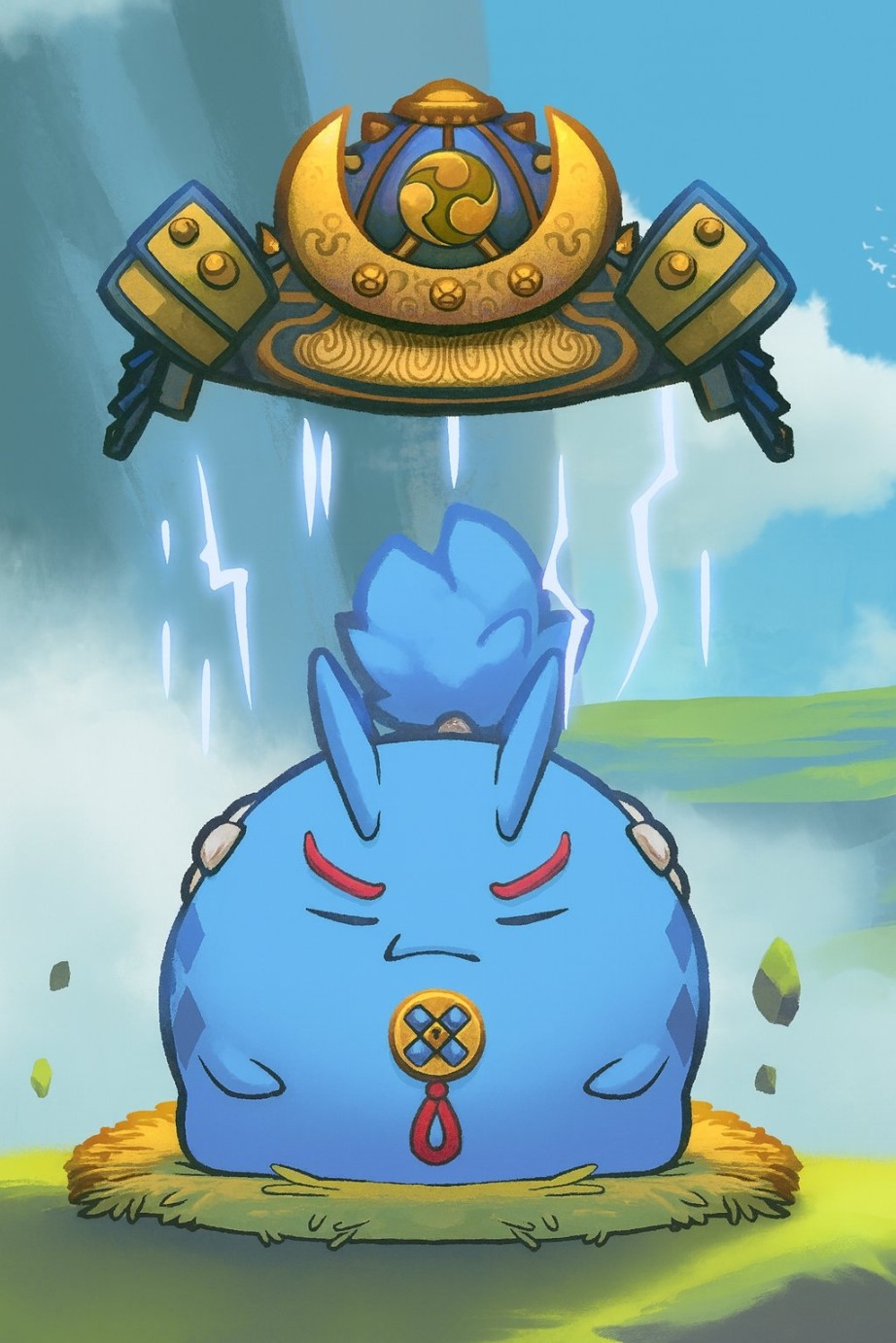
At its peak, Axie Infinity attracted millions of players, with Ronin’s daily active users exceeding one million at times, driving global popularity of the "Play-to-Earn" model.
However, the good times didn’t last long. In March 2022, Ronin suffered the largest hack in history, losing assets worth $625 million. This incident exposed shortcomings in sidechains regarding security and decentralization, leading many to believe Ronin would fade into obscurity.
Yet the Sky Mavis team demonstrated remarkable resilience, restoring the network through upgrades to its validator mechanism, transitioning to delegated proof-of-stake (DPoS) consensus, and collaborating with institutions like Binance. In August 2024, Ronin successfully persuaded white-hat hackers to return ETH worth $10 million, avoiding further financial loss.
By 2025, Ronin has reemerged, with daily active wallets consistently surpassing nearly one million. Games within its ecosystem such as Pixels, Lumiterra, and Fishing Frenzy remain active. According to data from its official website, its on-chain DEX trading volume has reached $9.41 billion, NFT trading volume has hit $6.47 billion, total TVL has risen to $750 million, and wallet downloads have reached 31 million.
Sidechain Limitations Become Increasingly Apparent
The catalyst for this transformation lies in the limitations of the sidechain model. With the rapid development of the Ethereum ecosystem, while sidechains offer independence, they often sacrifice shared security and liquidity integration with the mainnet.
In its announcement, the Ronin team clearly stated: "Ronin is returning to Ethereum, becoming a Layer 2." This decision is not impulsive but aligns with broader industry trends. In 2025, multiple Layer 1 chains such as Celo and Cronos have migrated to L2 architectures, highlighting L2’s advantage of inheriting Ethereum’s security while achieving high TPS (transactions per second).
According to data from the Ethereum Foundation, L2 solutions have boosted the network’s overall TPS to over 100,000, accelerating global adoption. Ronin’s transition will leverage zero-knowledge proof (zk) technology to build a zkEVM (zero-knowledge Ethereum Virtual Machine), which will maintain compatibility with Ethereum while significantly reducing transaction costs and latency.
Ethereum Makes a Comeback
A key reason Ronin chose to return to Ethereum and transform into an L2 solution is Ethereum’s strong recovery in Q3 2025, with ETH stabilizing above $4,600 in mid-August, nearing its all-time high.
Renewed market confidence in Ethereum is also fueled by explosive activity across its ecosystem.
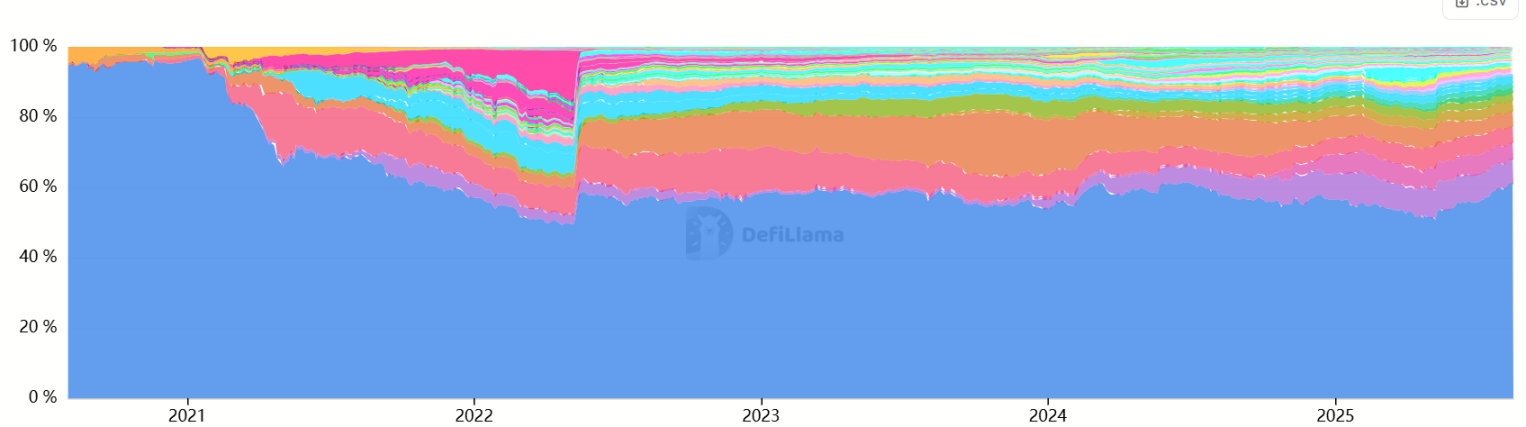
According to DefiLlama data, Ethereum mainnet’s DeFi total value locked (TVL) has exceeded $94.552 billion, far surpassing Solana’s $10.828 billion, maintaining its dominance in the DeFi market. This level of activity provides Ronin with a vast user base and liquidity pools, ensuring game assets can circulate across the broader Ethereum ecosystem post-transition, enabling higher adoption rates.
Additionally, Ethereum’s future technical roadmap further enhances its appeal to L2 projects. Following the 2024 Dencun upgrade, the Pectra (Prague-Electra) hard fork in Q1 2025 has been successfully deployed, significantly improving scalability, lowering fees, and optimizing staking mechanisms. Looking ahead, Ethereum plans to advance the Fusaka upgrade by year-end—the first major upgrade after Pectra to truly focus on core performance optimization, incorporating several core Ethereum Improvement Proposals (EIPs). Fusaka will significantly increase blob capacity, allowing Layer-2 rollups (such as Arbitrum and Optimism) to process more data and reduce fees, helping transaction throughput reach tens of thousands of TPS.
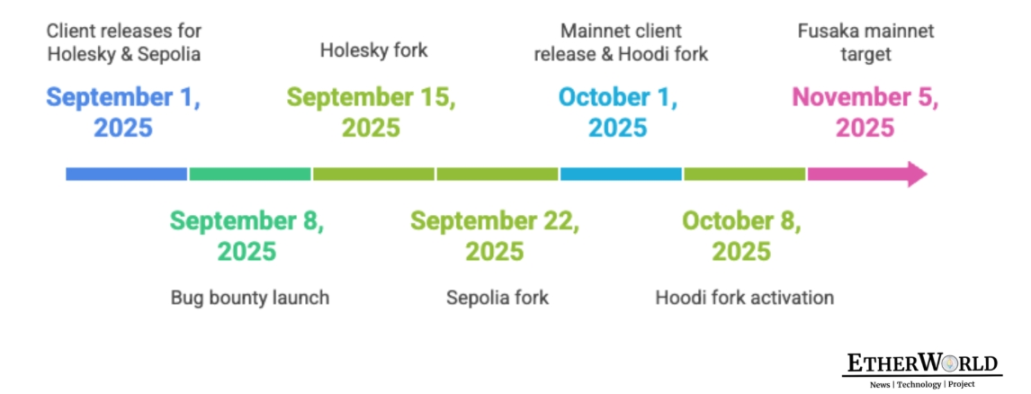
Moreover, post-upgrade improvements via Verkle trees and PeerDAS will lower node operating costs and hardware requirements, promoting greater decentralization—including growth in mobile and light client ecosystems.
For Ronin, this attractiveness means shifting from an isolated sidechain to a thriving "modular" ecosystem, boosting its long-term competitiveness in the Web3 gaming space.
Migration Completion Targeted for Q2 2026; Token to Adopt New "Proof of Distribution"
Regarding specific transition details, Ronin plans to complete migration by Q2 2026 using Polygon’s Chain Development Kit (CDK) as the foundation. Ronin will benefit from Ethereum’s robust security and decentralization, with transaction speeds increasing twelvefold.
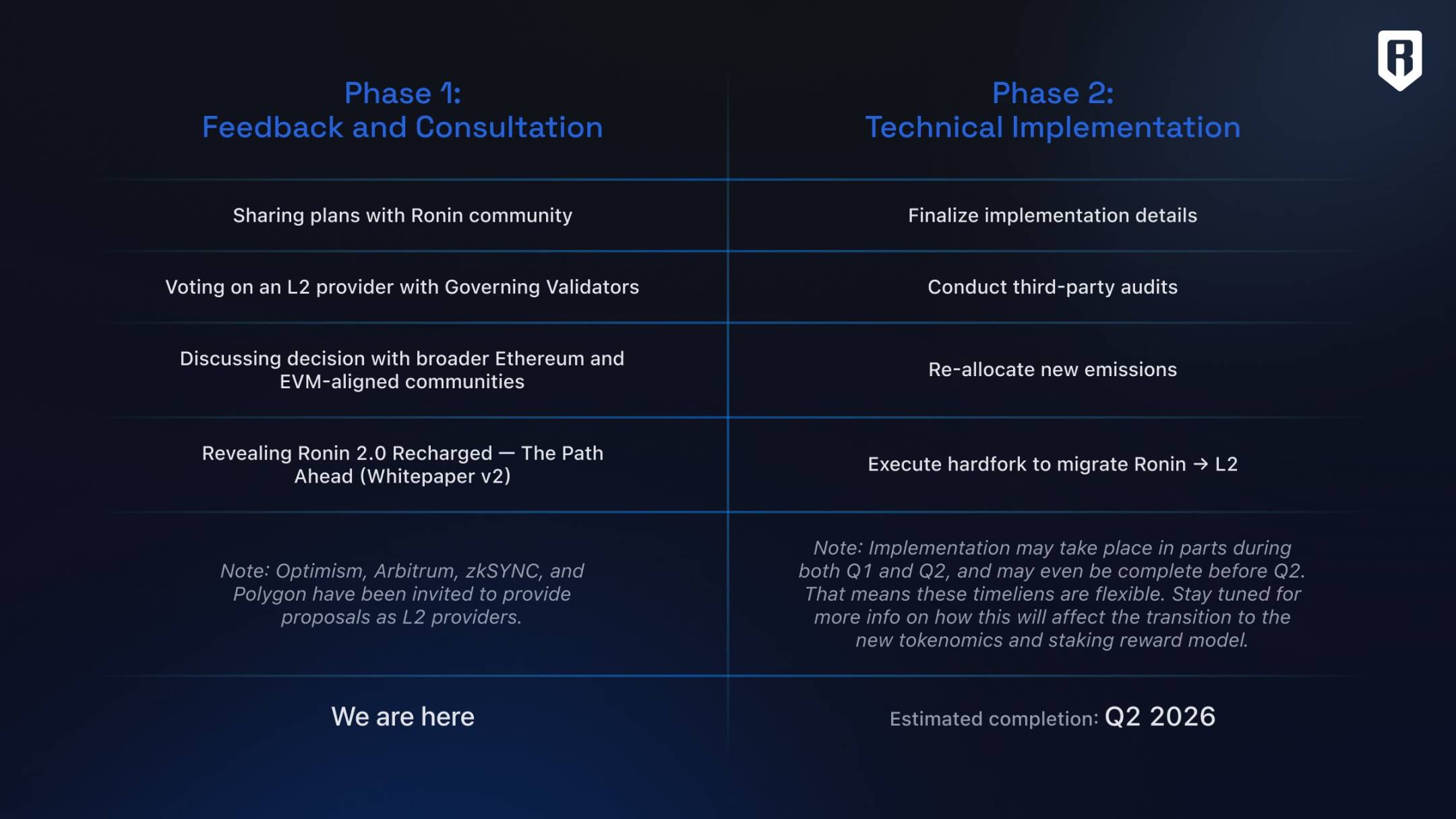
Speed improvements are crucial for games like Axie Infinity, enabling smoother NFT trading and in-game economic activities. Second, developers stand to gain significantly. Ronin will position itself as "Ethereum’s gaming engine," attracting more third-party builders to deploy custom L2 chains. New projects such as Cambria Duel Arena, Fableborne, and Angry Dynomites have already emerged in the ecosystem, leveraging L2’s DeFi integration to seamlessly merge gaming and finance.
Notably, after migration, RON token rewards will be distributed via a new "Proof of Distribution" model to reward contributors.
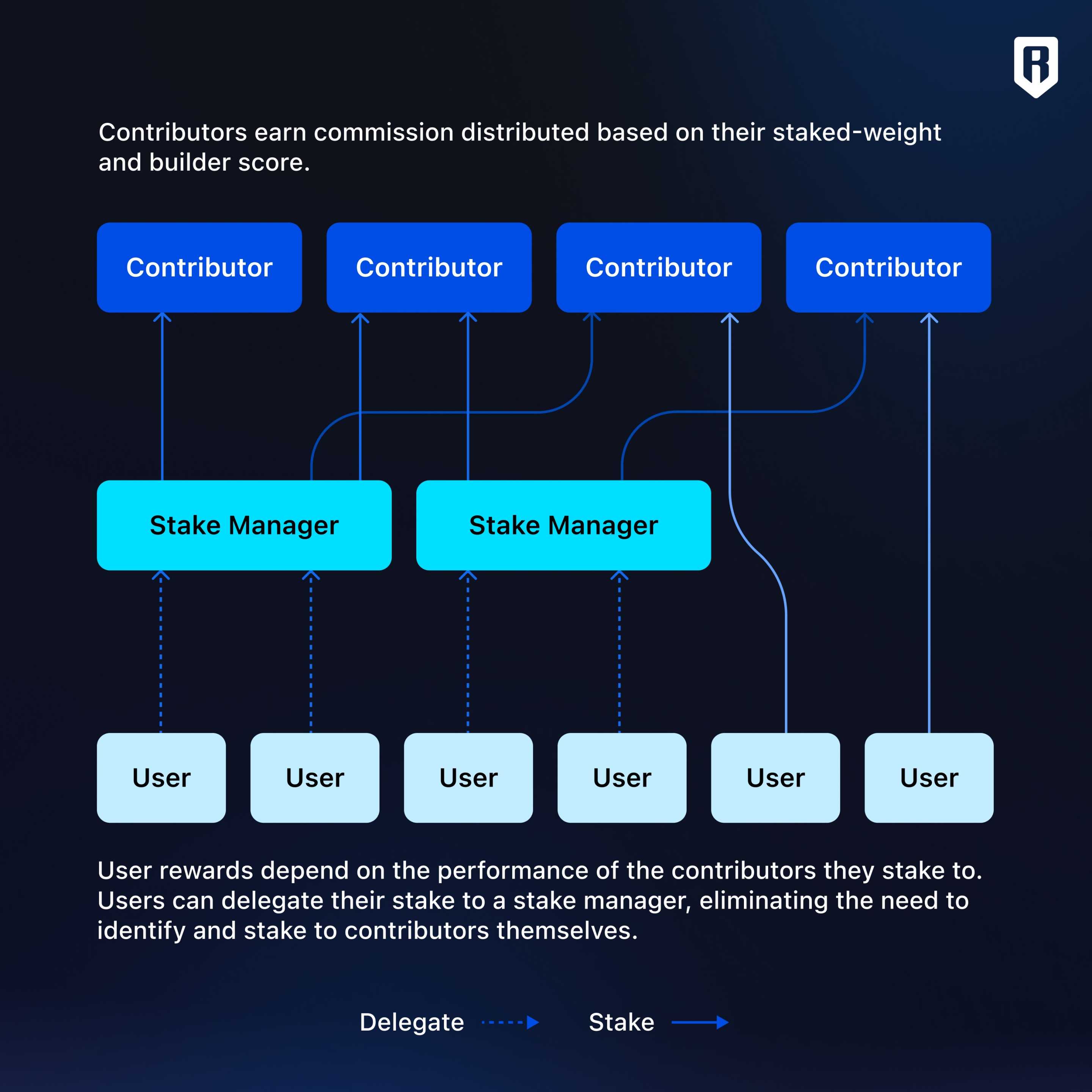
In recent years, RON rewards have primarily gone to Governing Validators and Regular Validators to incentivize network security. After this upgrade, RON rewards will go to Governing Validators and Contributors. This strengthens the incentive alignment between builders and users, initiating a new virtuous cycle centered around the RON token.
Sky Mavis co-founder Jihoz once said: "Ronin is Nintendo of the crypto world." As the migration progresses, Ronin may reignite hope for blockchain gaming.
Join TechFlow official community to stay tuned
Telegram:https://t.me/TechFlowDaily
X (Twitter):https://x.com/TechFlowPost
X (Twitter) EN:https://x.com/BlockFlow_News
 Foresight News