Despite unchanged rate cut expectations, why did both Bitcoin and NVIDIA reach record market caps?
TechFlow Selected TechFlow Selected
Despite unchanged rate cut expectations, why did both Bitcoin and NVIDIA reach record market caps?
Holding Nvidia in one hand and Bitcoin in the other remains the optimal risk investment portfolio for this bull market.
 Navigating Web3 tides with focused insights
By Bright, Foresight News
On the morning of July 10, the cryptocurrency secondary market broke out upward after a prolonged consolidation period. BTC surpassed 112,000 for the first time, setting a new all-time high. Numerous altcoins rebounded sharply. After reaching its previous peak on May 22, BTC had been in correction and sideways movement for nearly seven weeks, with its lowest point touching 98,200 USD—marking a current rally of over 14.05% from that low. At the time of writing, Bitcoin pulled back slightly and was trading at 111,299 USD.
ETH showed relatively strong performance, rebounding from its 2,111 USD low to break above 2,795 USD—just 85 USD short of its cycle high—recording a gain of more than 32.4%. SOL, possibly due to cooling interest in on-chain meme activity, faced selling pressure from market capital; it briefly recovered to 158 USD from a low of 121 USD, posting a 30.57% increase during this phase, yet still remains nearly 20% below its recent cycle high of 187.71 USD.
The total market capitalization of cryptocurrencies rose by over 3.2%, exceeding 3.51 trillion USD. With broad gains across altcoins, Bitcoin’s market dominance slightly declined to 62.94%, while the Altcoin Season Index rebounded to 24. The Fear & Greed Index climbed into greedy territory at 67. Meanwhile, large-cap tech stocks led Wall Street higher: the Nasdaq rose 0.94%, the Dow Jones Industrial Average gained 0.49%, and the S&P 500 closed up 0.61%. Nvidia advanced 1.8%, leading the Magnificent Seven tech giants.
In U.S.-listed crypto-related equities, Coinbase surged 5.36%, pushing its share price past 373.85 USD. MicroStrategy gained over 4.65%, closing at 415.41 USD and firmly holding above the 400 USD mark. Circle opened strong but pulled back, closing down 2.02% at 200.68 USD.
Regarding liquidation data, Coinglass reported that over the past 24 hours, more than 109,100 positions were liquidated, totaling 511 million USD in liquidations—448 million USD in short liquidations and 63.21 million USD in long liquidations, indicating shorts were primarily targeted. The largest single CEX liquidation was a BTC-USDT contract on Huobi valued at 51.56 million USD.
Nvidia Becomes Most Valuable Public Company in U.S. History
On the evening of July 9, Nvidia's stock hit a new high, rising 2.52% during the session to close at 164 USD per share, giving it a total market capitalization of 4 trillion USD. This milestone allows Nvidia to surpass Apple’s previous record of 3.915 trillion USD set at the end of 2024, making it the world’s first company to reach a 4 trillion USD valuation—surpassing the combined equity value of entire markets such as the UK, France, and Germany.
Since its April lows this year, Nvidia’s share price has risen nearly 90%. In fact, since the release of its late-May earnings report, the stock has entered a steady uptrend.
Sustained global demand for AI continues to drive Nvidia’s growth. At the company’s shareholder meeting on June 25, CEO Jensen Huang stated that global demand for "sovereign AI" is rising rapidly, and that Nvidia stands at the beginning of a decade-long wave of AI infrastructure development. Huang noted that Microsoft alone processed over five times more AI model requests in the last quarter compared to the same period last year.

Citigroup recently released a report raising its data center sales forecasts for Nvidia in fiscal years 2027 and 2028 by 5% and 11%, respectively, citing robust sovereign AI demand opening further expansion opportunities. Citigroup also projected that driven by stronger-than-expected sovereign AI demand (typically referring to national government-led AI initiatives), the AI data center market could reach 563 billion USD by 2028—up from an earlier estimate of 500 billion USD—benefiting Nvidia significantly, as the company participates in nearly all sovereign AI projects.
Dan Ives, an analyst at Wedbush, said in a client note on July 3 that he expects Nvidia to surpass 4 trillion USD in market cap during the summer, with potential to approach 5 trillion USD within the next 18 months.
However, prominent Wall Street bear Jim Chanos remains skeptical, likening the current AI-driven ecosystem to the dot-com bubble of the early 2000s. Chanos warned: “AI represents a riskier revenue stream. If markets tighten, companies may cut capital spending and delay related projects. When that happens, it will immediately show up in disappointing revenues and guidance.”
Short-Term Headwinds Fail to Deter Rally
Despite developments around tariffs and rate cuts last night, risk assets continued their upward momentum.
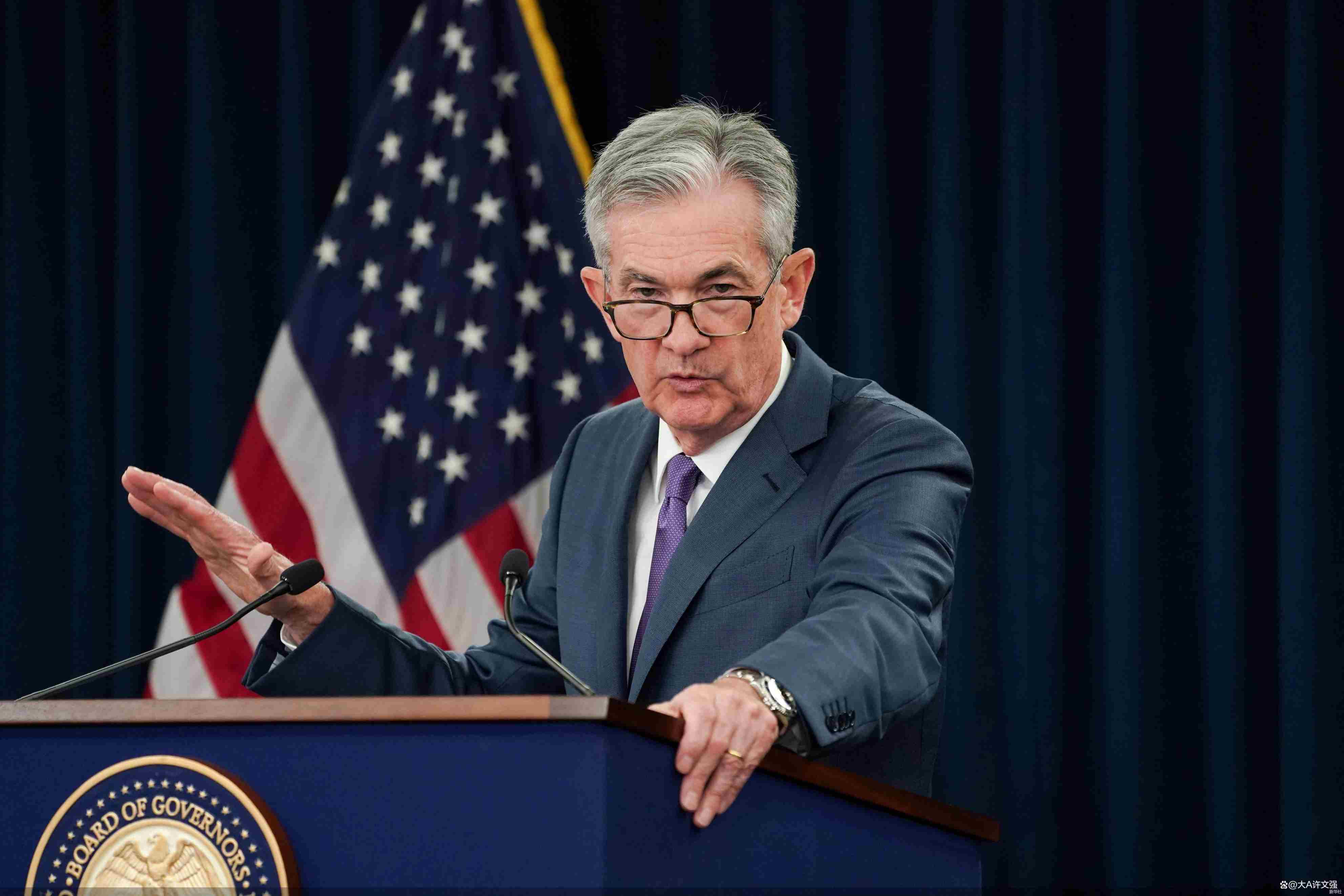
On the evening of July 10, the Federal Reserve released minutes from its latest monetary policy meeting. Known as the "Fed whisperer," Nick Timiraos indicated that Fed officials are divided into three main camps: one supports rate cuts this year but rules out a July cut—this view commands majority support; another favors holding rates steady throughout the year; the third advocates immediate action at the next meeting.
The minutes revealed only a “small number” of participants backed the third camp, hinting at policymakers like Governor Waller and Bowman who previously supported prompt easing.
Most Fed officials continue to believe the overall economy remains stable, allowing them to remain patient on interest rate adjustments. The minutes described economic growth as “solid” and unemployment as “low.” Markets now assign a 93.3% probability to the Fed holding rates steady in July, with only a 6.7% chance of a 25-basis-point cut.
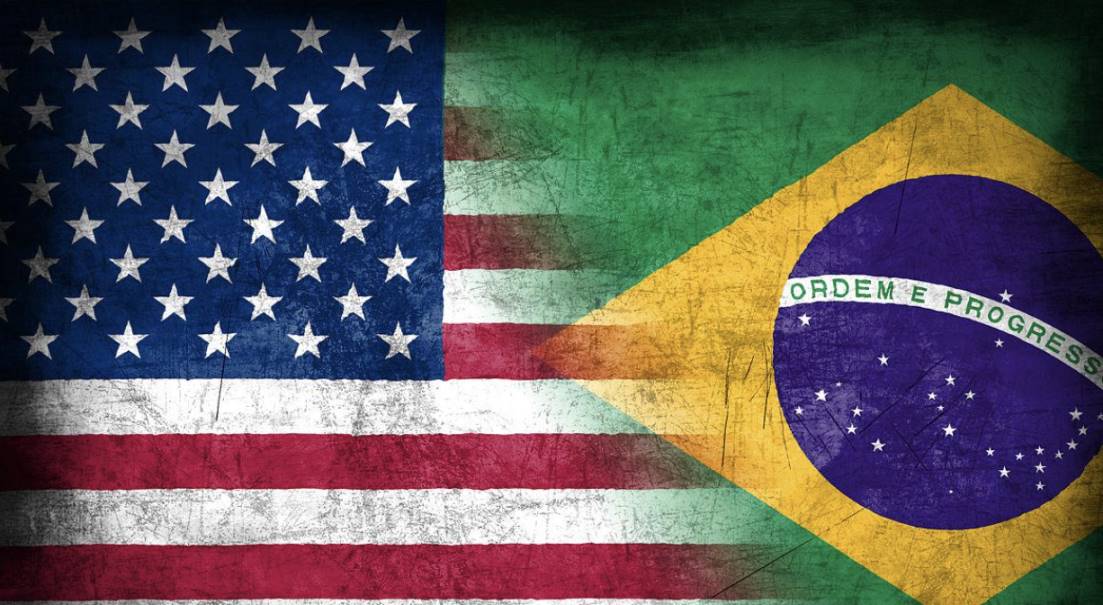
Meanwhile, former U.S. President Donald Trump issued a second round of tariff notices late last night targeting eight countries—Brazil, Brunei, Algeria, Moldova, Iraq, the Philippines, Libya, and Sri Lanka. The proposed tariff on Brazil reaches 50%, the highest level announced under his new reciprocal tariff framework.
Yet analysts pointed out that unlike the other 21 nations previously targeted, Brazil did not run a trade surplus with the U.S. last year—in fact, the U.S. recorded a 6.8 billion USD trade surplus with Brazil. Imposing higher tariffs on Brazil appears less about trade imbalance and more about using tariff threats to influence foreign domestic policy decisions.
Earlier, Trump posted on his social media platform Truth Social that the 50% tariff was partly in response to Brazil’s prosecution of former President Jair Bolsonaro. He urged the Brazilian government to drop charges alleging Bolsonaro attempted a coup, calling the trial “should not happen… It’s political persecution and should end immediately.”
Speculative Sentiment Soars as Corporate Bitcoin Accumulation Continues
Currently, listed companies in the U.S., UK, Europe, and Japan are no longer merely establishing so-called “BTC strategic reserves”—they’ve turned Bitcoin accumulation into an arms race, continuously raising funds to buy more BTC, with many fundraising rounds exceeding 100 million USD.
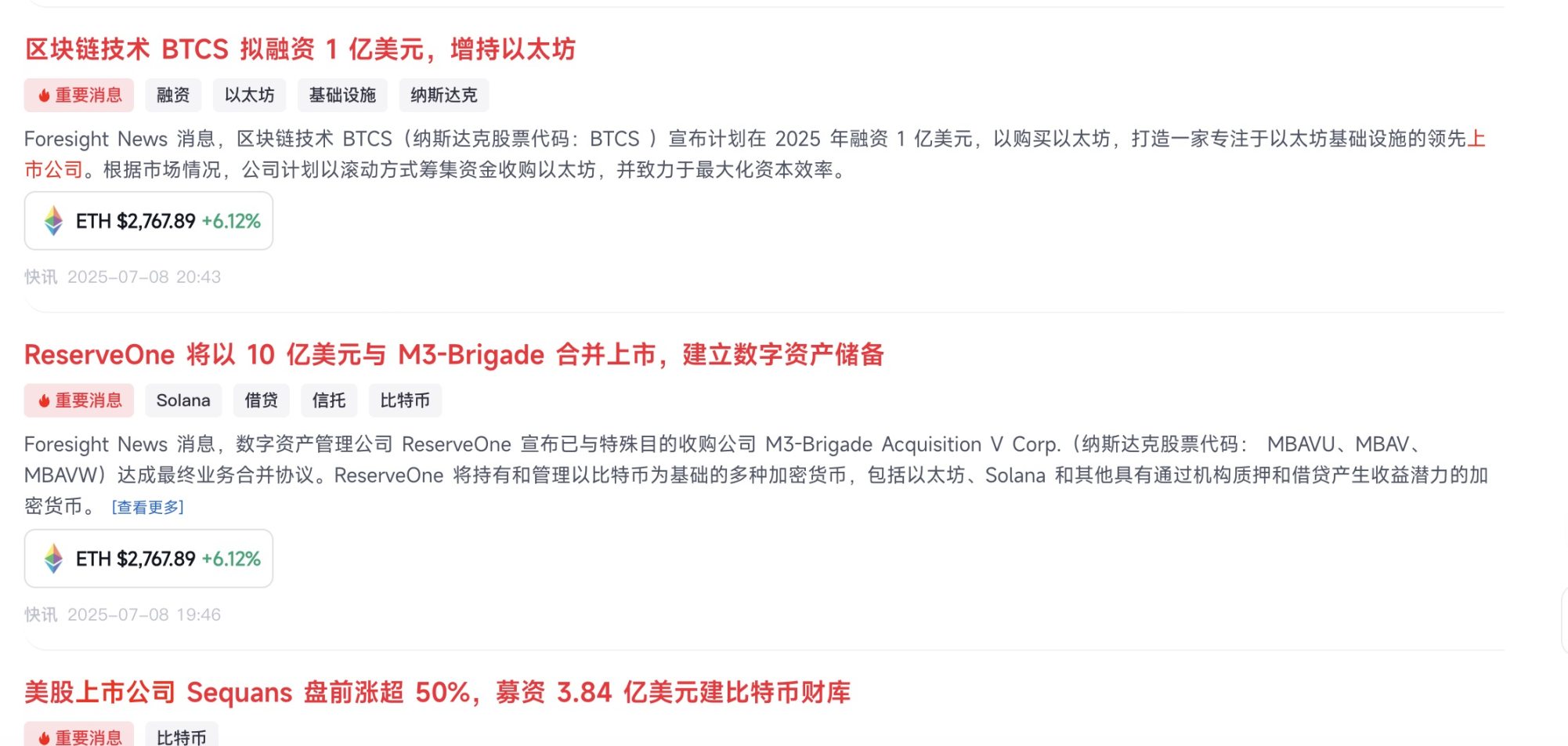
NYSE-listed Genius Group exemplifies those who have “tasted success.” The company announced it is increasing its original treasury goal of 1,000 BTC by tenfold, aiming to acquire 10,000 BTC within 12–24 months. Between May 22 and July 4, 2025, the firm achieved a 74% return on its BTC holdings.
Data shows that from July 1 to July 7, global publicly traded companies (excluding mining firms) saw a weekly net inflow of 275 million USD into Bitcoin—matching the pace of BTC ETF inflows. Notably, no company has explicitly announced selling any BTC.
In essence, Nvidia’s breakthrough to become the world’s first 4 trillion USD company has greatly fueled speculative sentiment in risk markets, contributing to Bitcoin’s sharp breakout this morning. Currently, the primary buying force behind BTC has shifted decisively toward asset managers and public corporations. Demand from traditional financial instruments like ETFs has significantly reshaped Bitcoin’s market structure. As a result, BTC is now closely correlated with U.S. tech stocks favored by institutions—the underlying reason being that Wall Street has emerged as the dominant force orchestrating Bitcoin’s price action.
Join TechFlow official community to stay tuned
Telegram:https://t.me/TechFlowDaily
X (Twitter):https://x.com/TechFlowPost
X (Twitter) EN:https://x.com/BlockFlow_News
 Foresight News