Everything You Need to Know About On-Chain Stocks
TechFlow Selected TechFlow Selected
Everything You Need to Know About On-Chain Stocks
In an optimistic scenario, tokenized stocks could become the "killer application" for the crypto industry, exponentially expanding the user base and bringing millions of real-world assets on-chain.
 Navigating Web3 tides with focused insights
Author: Foxi
Translation: TechFlow
Today, major trading platforms like Kraken and Robinhood have launched on-chain stock trading services, allowing investors to buy and sell tokens representing real stocks. These services enable 24/7 trading of popular U.S. equities—such as Apple, Tesla, and NVIDIA—even outside regular market hours.
-
How does this mechanism align with KYC (Know Your Customer) requirements?
-
Will investors prefer crypto-based stock trading over traditional brokers?
-
Why do I believe this is a positive development?
Mechanism Explained
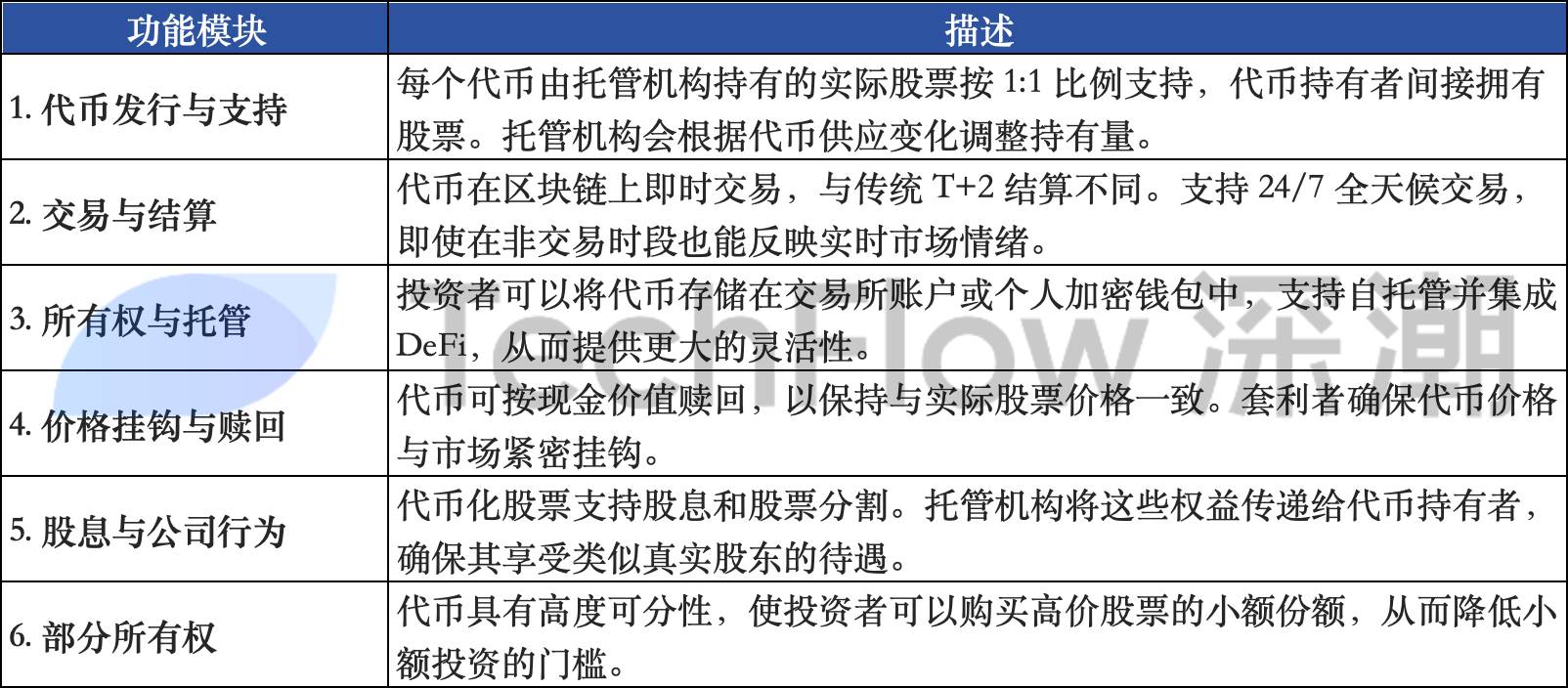
Step-by-step breakdown (Translation: TechFlow)
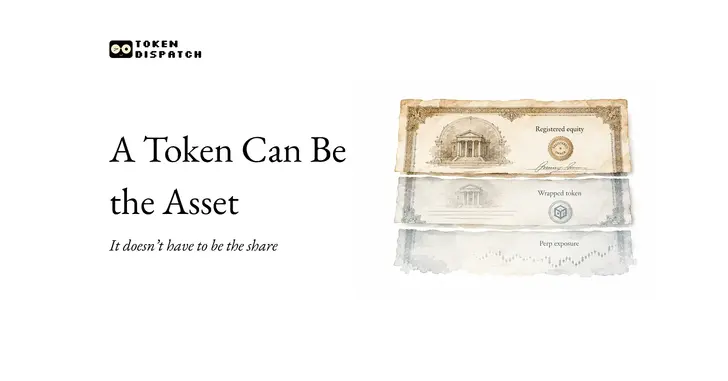
1. When you purchase a tokenized Apple share via Kraken's xStocks, you are not buying a derivative or futures contract. Instead, Kraken’s partner Backed Finance purchases and holds an actual Apple share, which is kept in a regulated custodian. A corresponding token is then issued on the Solana blockchain as a digital representation of that share.
2. On-chain stocks ≠ cryptocurrencies. Tokenized stocks create interesting arbitrage opportunities. During off-hours when the New York Stock Exchange (NYSE) is closed but blockchain trading remains active, token prices may slightly deviate from the last official stock price due to market sentiment and trading activity. Arbitrageurs can profit by buying or selling these tokens and redeeming them through the issuer, thereby bringing prices back into alignment. However, investors should be cautious about the risks of purchasing on-chain stocks during non-trading hours.
3. Importantly, in this structure, token holders do not enjoy traditional shareholder rights (e.g., voting rights)—those remain with the custodian. Investors gain economic exposure to stock performance, not actual shareholder status. This trade-off enables blockchain-based trading while maintaining regulatory compliance.
24/7 Trading: The Key Advantage of On-Chain Stocks
The most obvious benefit of tokenized stocks is continuous trading. Unlike traditional exchanges, which operate roughly 6.5 hours per weekday, blockchain-based tokens can be traded around the clock. Kraken’s xStocks offers true 24/7 trading, while Robinhood currently provides 24/5 access and plans to expand to full 24/7 trading once its dedicated Arbitrum-based Layer 2 goes live.
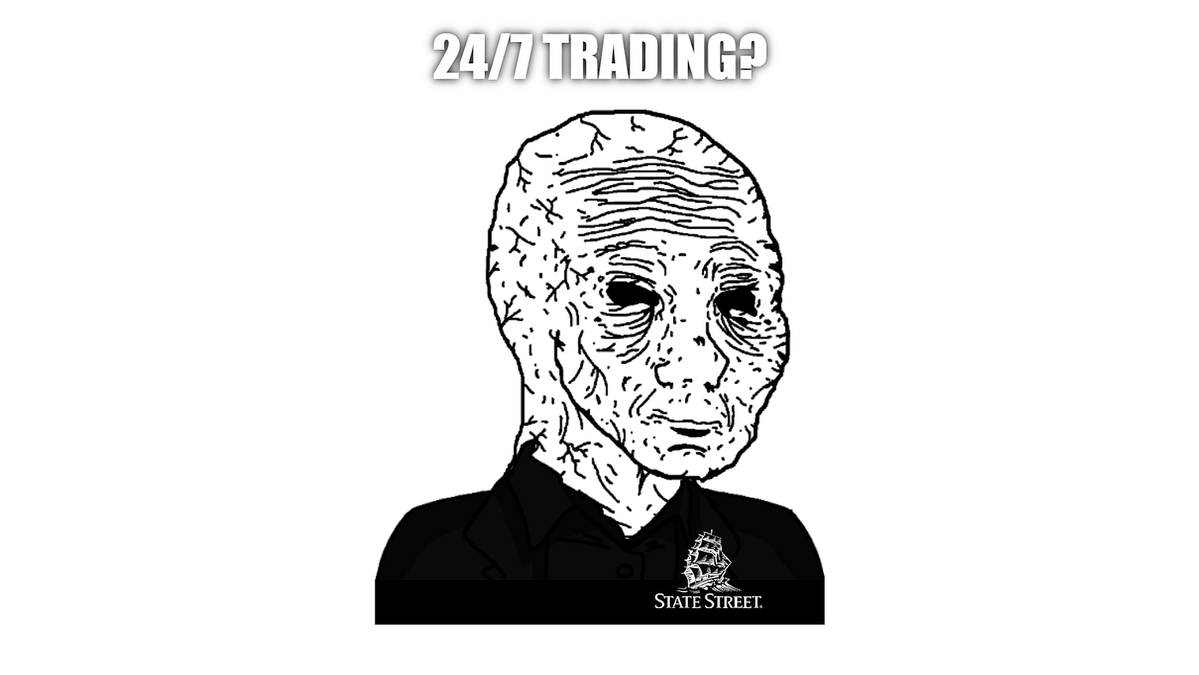
This constant availability creates unique market dynamics. When major news breaks outside traditional trading hours—such as earnings reports, geopolitical events, or company-specific developments—your tokenized stocks can immediately reflect market sentiment. Token prices act as real-time sentiment indicators and even provide price discovery during market closures, something traditional markets cannot match.
Traditional vs. Tokenized
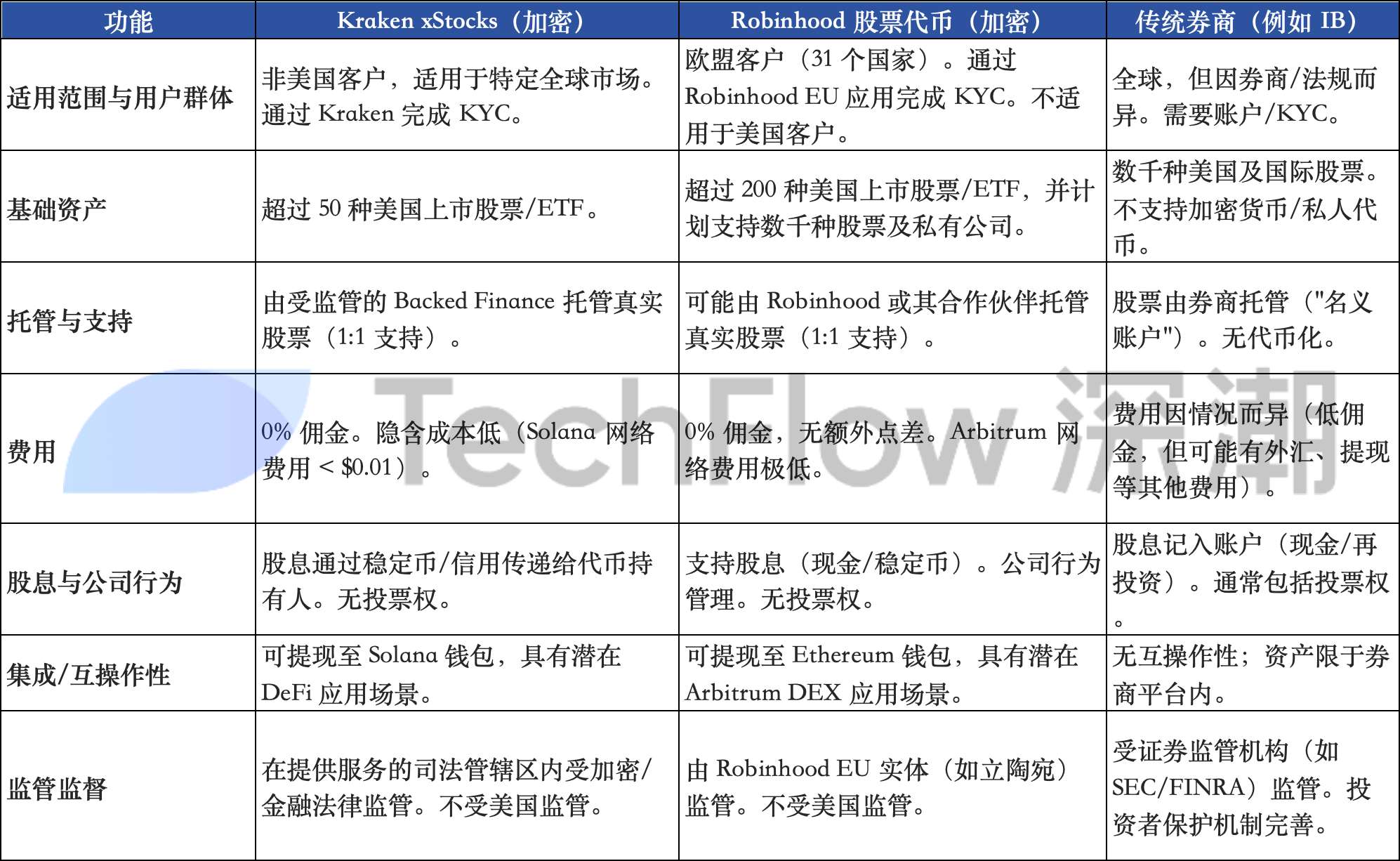
An overview, but I’ll focus more on KYC and custody below. (Translation: TechFlow)
1. KYC
In practice, any compliant platform offering stock exposure must adhere to KYC and relevant regulations—fully anonymous stock trading is nearly impossible within legal boundaries. That said, there have been decentralized attempts in the past to launch KYC-free stock tokens, most of which ran into legal trouble. For example, Terra’s Mirror Protocol allowed users between 2020 and 2022 to mint and trade synthetic “mAssets” mimicking U.S. stocks (like Tesla, Google, etc.) without KYC—only requiring a crypto wallet. However, the U.S. Securities and Exchange Commission (SEC) later ruled that Mirror’s stock tokens were unregistered securities and took legal action against Terraform Labs and its founder Do Kwon.

The entry path is different (Translation: TechFlow)
This time is different, with mainstream exchanges like Kraken and Bybit now supporting stock trading on their platforms. You can think of these “stock tokens” simply as memecoins—but backed by real shares held by third parties. Trump might actually love this model—using stablecoins to give retail investors easier access to the U.S. stock market. As long as final settlement occurs in USD, I expect regulatory pressure to remain manageable.
2. Differences in Custody Models
The core of tokenized platforms lies in prioritizing accessibility and flexibility. Both Kraken and Robinhood offer zero-commission trading for their stock tokens, generating revenue through spreads and other services. These platforms natively support fractional shares, 24/7 trading, and potential integration with decentralized finance (DeFi) protocols.
However, this model comes with significant trade-offs. Traditional brokers offer regulatory protections, mature customer service, and direct shareholder rights. In contrast, tokenized platforms deliver greater accessibility and innovative features but lack clear regulatory frameworks and rely on relatively new operational infrastructure.
A fundamental difference in custody models is also worth noting. Traditional brokers hold stocks in "street name" through central depositories, with ownership recorded in their internal systems. Tokenized platforms issue blockchain tokens that support self-custody, giving users direct control over their assets—but also placing the burden of private key management and security entirely on them.
Why I Believe This Is a Positive Development
Capital Magnet Effect: Seamless Global Market Connectivity
On-chain stocks offer structural advantages over traditional equity markets. For instance, a retail investor in Nigeria can now easily buy Apple stock without navigating complex international brokerage relationships or currency conversion fees. This isn’t just about convenience—it represents a fundamental expansion of market access and could drive unprecedented capital inflows into crypto infrastructure.
This mechanism is far more sophisticated than simple user acquisition. When someone buys a tokenized Tesla share, they’re not only entering the crypto ecosystem but also creating sustained demand for stablecoins, generating transaction fees for Layer 2 networks, and validating the entire crypto ecosystem as legitimate financial infrastructure.
Compounding Effect
Ethereum and its Layer 2 solutions (such as Robinhood’s future Arbitrum L2) will benefit from the sustained trading volume generated by stock transactions, creating real economic value for ETH holders through fee burning and network effects. Meanwhile, Solana—supported by Kraken and Bybit—with its high-throughput architecture, could capture market share in high-frequency stock trading, increasing demand for SOL to pay transaction fees.
Tokenized stocks may also help solve the crypto industry’s “ghost town” problem during bear markets. Historically, when crypto prices plummet, trading volumes dry up rapidly as users flee to traditional assets. With on-chain stocks, capital may stay within the crypto ecosystem even when altcoins underperform, helping maintain liquidity and platform engagement.
Tokenized stocks are not just an innovation within crypto—they represent a bridge between traditional finance and blockchain technology. They offer global investors lower barriers to entry and greater flexibility, while injecting new vitality and economic value into the crypto industry.
Stealth Adoption
Tokenized stocks may achieve what the crypto space has long struggled with: frictionless mass adoption. When a Robinhood user in Europe trades stock tokens via Arbitrum, they aren’t consciously choosing to enter crypto—they’re simply using better financial services. This “stealth adoption” model can attract millions of users who might never have intentionally bought cryptocurrency, yet happily use it once the underlying crypto infrastructure is abstracted away.
What’s Next
From an investment perspective, the future of tokenized stocks largely depends on user adoption and the evolution of the regulatory landscape. In an optimistic scenario, tokenized stocks could become crypto’s “killer app,” exponentially expanding the user base and bringing millions of real-world assets on-chain. This trend would be even stronger if non-KYC models can meet the massive demand for U.S. stock exposure.
In the long term, the large-scale migration of stock trading—and eventually other asset classes—onto blockchain rails is inevitable. This shift will improve efficiency, further lower entry barriers, and broaden market participation.
Near-Term Investment Opportunities: Bullish on These Areas
-
Stablecoins
-
Real World Assets (RWA)
-
Ethereum / Solana as Settlement Layers
-
U.S. Fintech Stocks: Companies like Robinhood ($HOOD), SoFi ($SOFI), and any investment opportunities linked to Kraken (such as Kraken’s planned IPO in 2026)
Join TechFlow official community to stay tuned
Telegram:https://t.me/TechFlowDaily
X (Twitter):https://x.com/TechFlowPost
X (Twitter) EN:https://x.com/BlockFlow_News
 @Foxi_xyz