Wall Street Journal: Tiny Bhutan Bets on Bitcoin Mining
TechFlow Selected TechFlow Selected
Wall Street Journal: Tiny Bhutan Bets on Bitcoin Mining
This secluded Buddhist nation has quietly begun building Bitcoin mining farms since 2020, leveraging its abundant hydropower resources to "mine" digital gold.
 Navigating Web3 tides with focused insights
By Shan Li
Translation: TechFlow
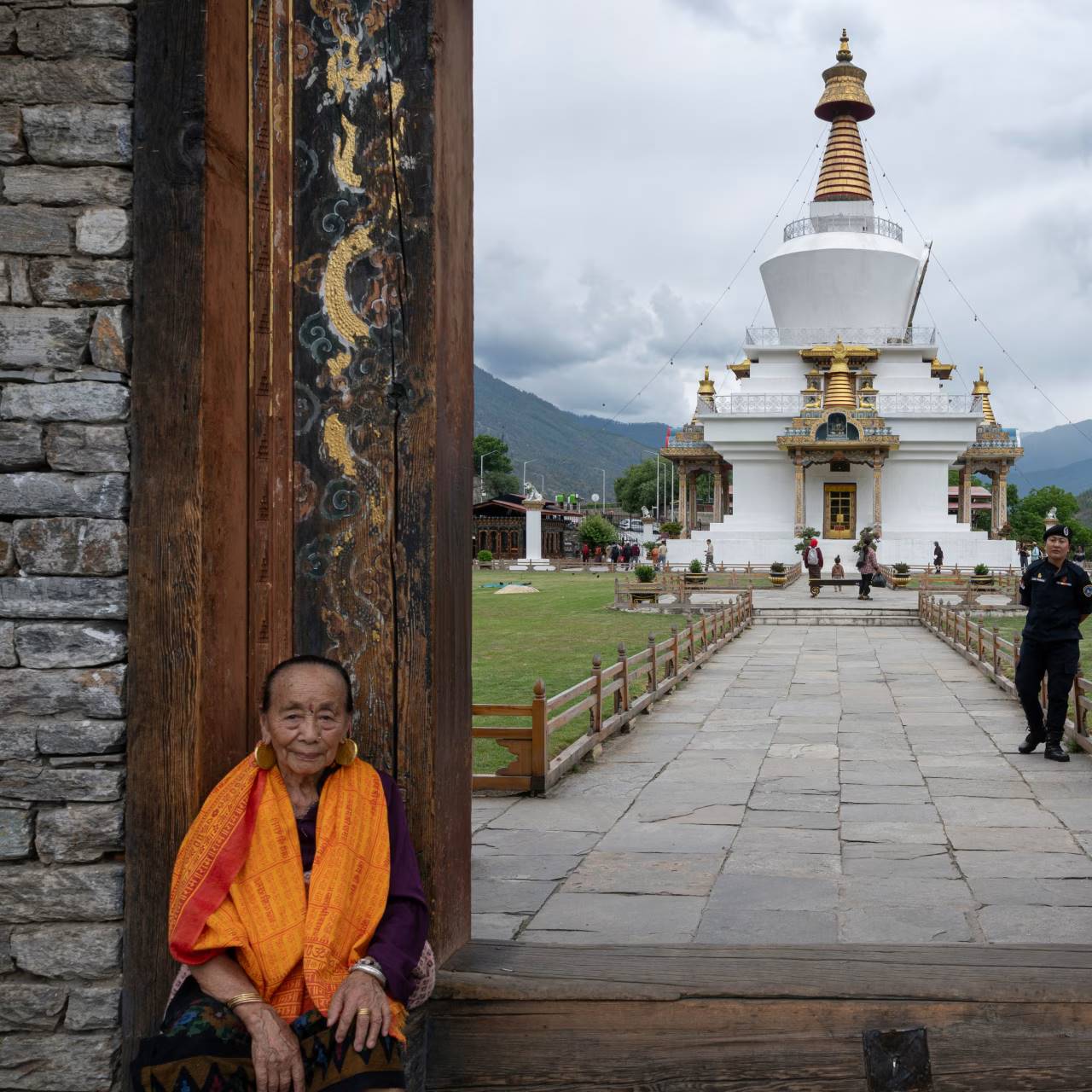
Bhutan remains deeply rooted in ancient traditions, making it an unlikely pioneer in cryptocurrency.
Thimphu, Bhutan—This small Himalayan kingdom, famed for its breathtaking landscapes and Gross National Happiness index, has recently earned a new title: a trailblazer in cryptocurrency.
According to data from crypto platform Arkham, Bhutan currently holds $1.3 billion worth of Bitcoin reserves—roughly 40% of the country's gross domestic product (GDP). This makes Bhutan the third-largest government holder of Bitcoin globally, per Arkham’s figures.
Unlike major holders such as the U.S. or the U.K., whose crypto assets often come from seized criminal proceeds or open-market purchases, this secluded Buddhist nation has quietly built its stash since 2020 by establishing Bitcoin mining farms, using its abundant hydropower to "mine" digital gold.
"The choice was obvious in many ways," said Ujjwal Deep Dahal, CEO of Druk Holding and Investments, Bhutan’s sovereign wealth fund that spearheaded the initiative. "We view Bitcoin as a store of value, similar to gold."
Many countries are now exploring how to integrate cryptocurrencies into their financial systems. In March, President Trump signed an executive order creating a national reserve of Bitcoin and other digital currencies.
Cryptocurrency experts say large nations aim to gain early dominance in the crypto space, much like New York and London did in traditional finance. For smaller countries, it also represents a potential economic boost. In 2021, El Salvador boldly adopted Bitcoin as legal tender, though widespread adoption has yet to materialize.
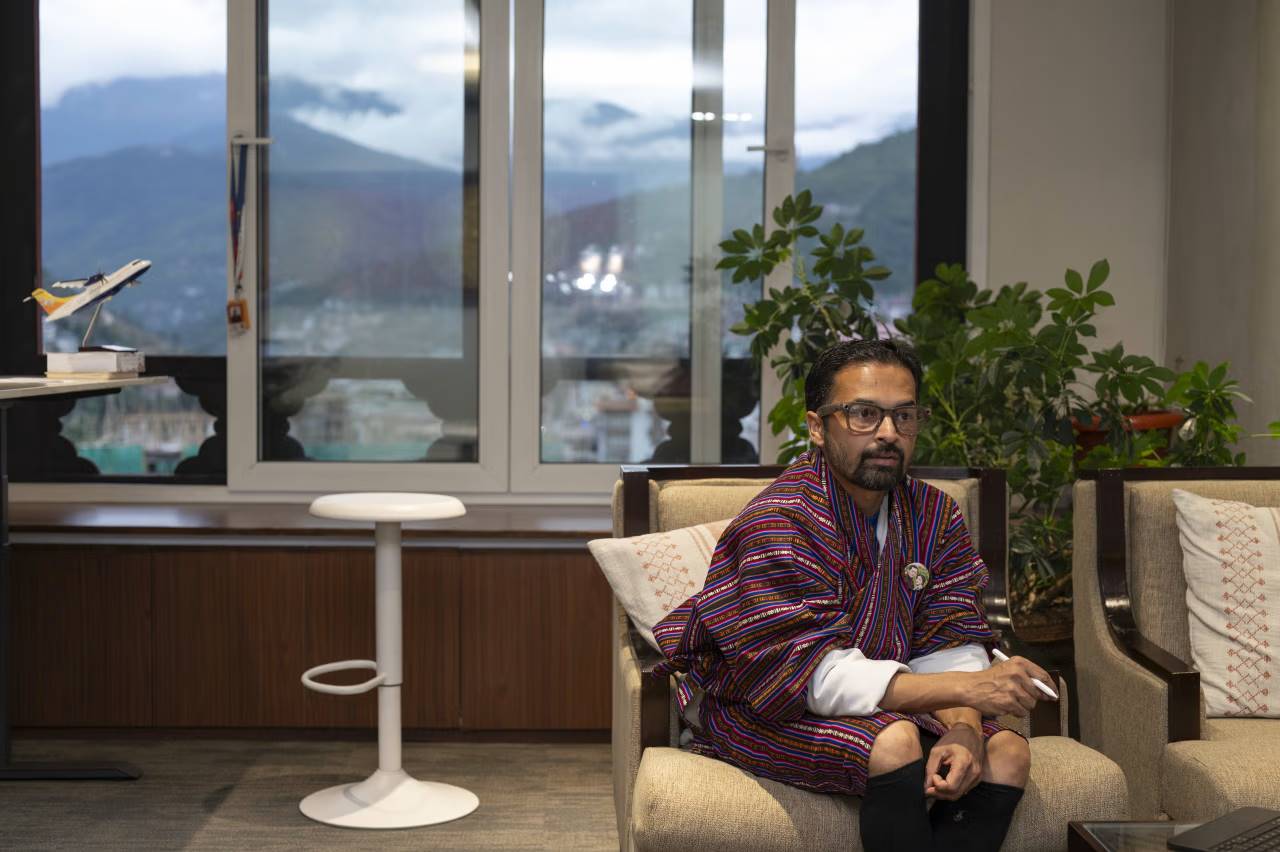
Ujjwal Deep Dahal, CEO of Bhutan’s sovereign wealth fund, has been closely involved in setting up the Bitcoin mining operations.
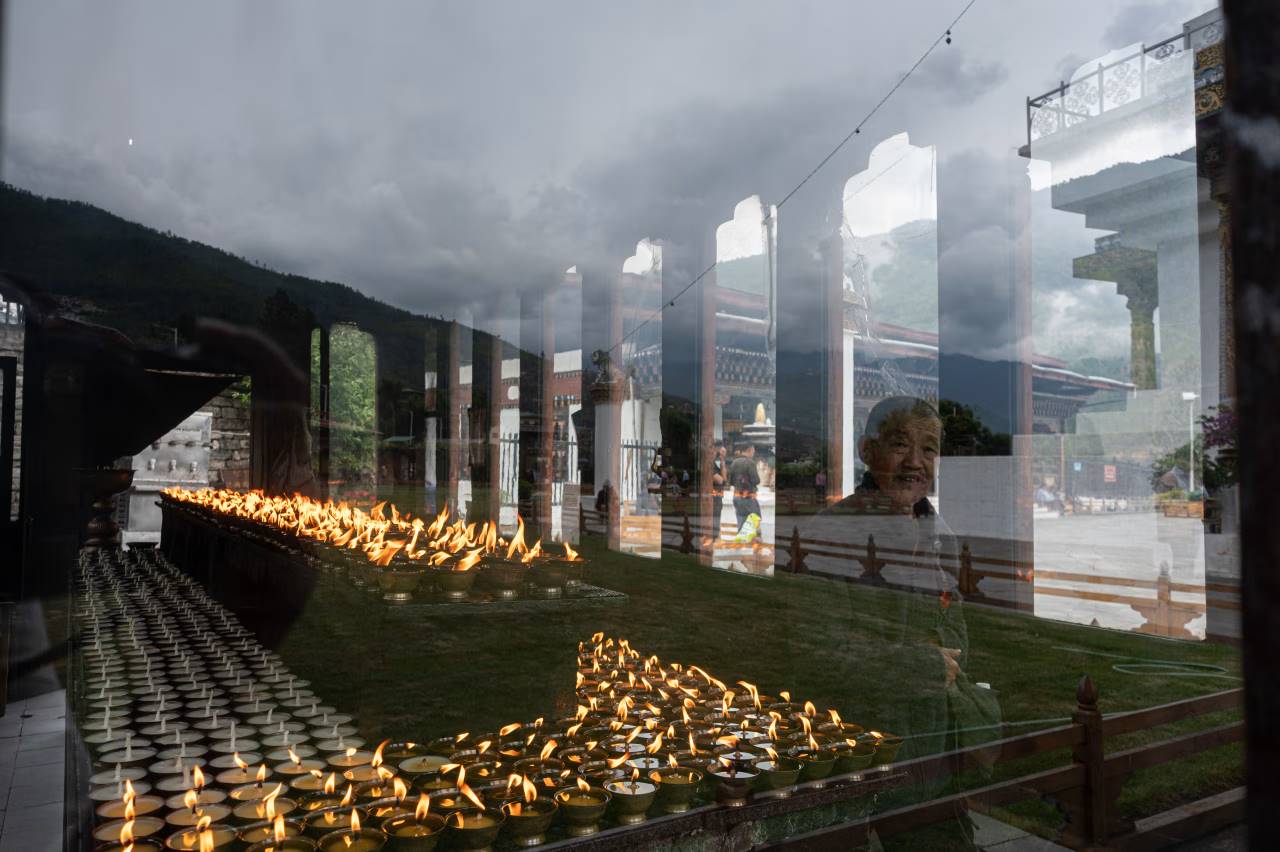
Bhutan is an isolated Buddhist nation.
However, Bhutan’s bet on Bitcoin is not without risk. A drop in Bitcoin prices could severely impact government finances.
Sandwiched between China and India, with only 780,000 people, Bhutan is an unexpected innovator in the world of cryptocurrency. The country still clings to many traditions: government officials wear traditional attire, with men typically donning knee-length robes tied at the waist; the capital Thimphu has no traffic lights; archery competitions are popular weekend entertainment. Bhutan recorded its first credit card transaction only in 2010.
Bhutan measures economic progress through its “Gross National Happiness” index. Yet, long known as the “Land of the Thunder Dragon” due to frequent thunderstorms rolling through its valleys, the country has struggled for decades to expand its economy beyond hydropower, agriculture, and tourism.
The pandemic’s blow to tourism worsened Bhutan’s economic challenges. Over the past five years, about 10% of the population has emigrated overseas seeking better job opportunities.
"We are poor," said Dr. Lotay Tshering, a urologist who served as Bhutan’s prime minister from 2018 to 2023. He added, "Many call Bhutan the happiest country in the world. We are not."
The idea of Bitcoin mining emerged when King Jigme Khesar Namgyel Wangchuck—the 45-year-old monarch nicknamed the “Asian Elvis” for his good looks—asked officials for innovative ways technology could drive economic growth.
It is rare for a sovereign state to directly operate its own cryptocurrency mining business. But Bhutan already possessed the key ingredient for profitable mining: cheap electricity.
To mine new Bitcoins, computers must solve increasingly complex mathematical puzzles. In Bitcoin’s early days, enthusiasts could generate coins using home computers, but today’s large-scale mining requires power-hungry servers. Miners typically set up operations in remote areas with low electricity costs, such as Kazakhstan.
"Bitcoin in Bhutan acts like a battery, consuming our surplus summer electricity," said Dahal, who has studied blockchain technology as a personal interest for years.
The project was launched in 2019 by the sovereign wealth fund’s R&D division. Dahal said he initially learned Bitcoin mining through online research and YouTube videos. The team imported two computers for testing, but one night overheating triggered an office alarm, leading to an emergency call from security at 3 a.m.
When the first mining farm braved ground in late 2020, Bhutan’s borders were closed due to the pandemic, preventing foreign technicians from flying in to help install equipment. Dahal and four employees personally configured the machines and lived on-site for months. Officials said the first facility was located near Dochula Pass, chosen not only for its cool temperatures but also proximity to power transmission lines. Experts from Singapore and Malaysia provided technical guidance over the phone.
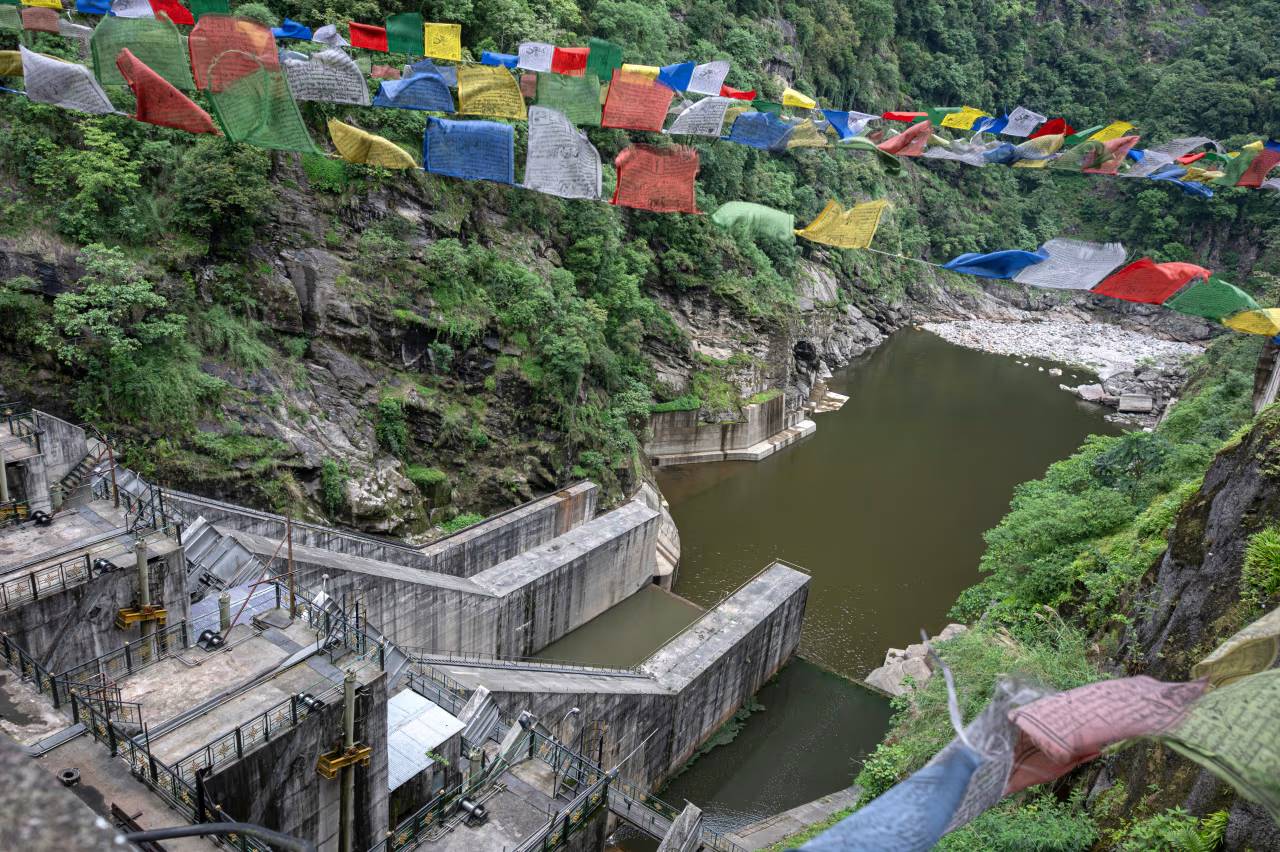
Hydropower plays a crucial role in Bhutan’s economy.
"Once you have these machines, you don’t want to waste a single day of mining," Dahal said.
The project quickly gained momentum. By 2022, officials said Bhutan had completed construction of four government-owned mining farms. This coincided with a surge in Bitcoin prices, which climbed from under $10,000 in 2020 to around $100,000 today.
Bhutanese Prime Minister Tshering Tobgay said Bitcoin earnings have already compensated for declining hydropower exports, which usually account for about 40% of the government budget. Mining operations consume more electricity, reducing exportable surplus.
In 2023, the government decided to sell $100 million worth of its Bitcoin reserves to fund two years of civil servant salary increases.
"This pay raise was entirely funded by Bitcoin profits," Tobgay said. He added that if they had relied solely on selling electricity, "you simply wouldn’t get the funds needed."
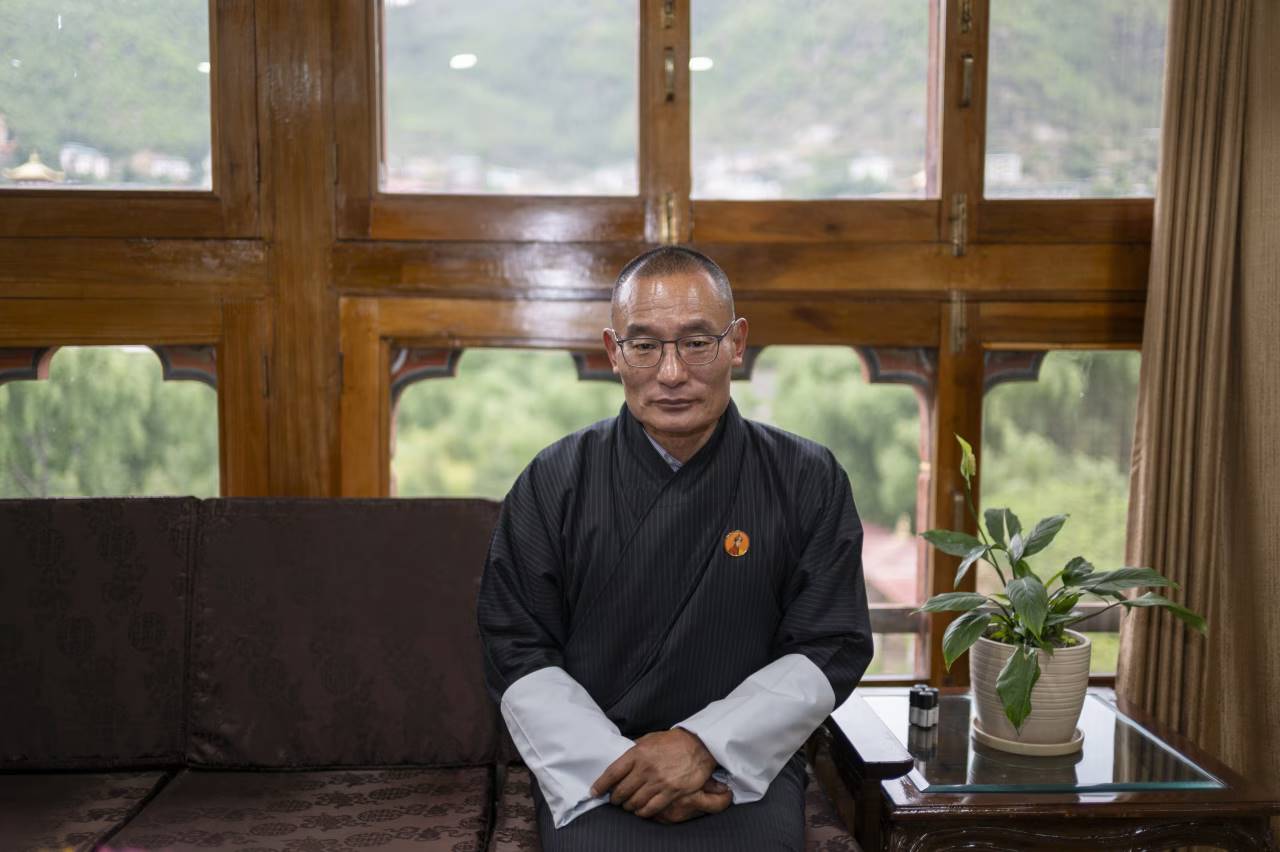
Prime Minister Tshering Tobgay said Bitcoin mining helped fund civil service pay raises.
Bhutan is also exploring other Bitcoin-related revenue streams. In 2023, Singapore-based mining firm Bitdeer Technologies announced a partnership to build mining facilities in Bhutan. Under the agreement, Bitdeer funded two farms and receives all Bitcoin generated, while paying Bhutan in U.S. dollars for electricity—further boosting the country’s foreign exchange reserves.
The government remains tight-lipped about the exact locations and number of mining sites, which are managed by a company called Green Digital. Satellite images from Planet Labs and official sources indicate at least six active mining farms.
Dahal said secrecy is necessary to prevent "abuse, hacking, or other issues." He added that the project fully complies with Bhutanese regulations.
Still, during closed-door meetings, some officials have voiced concerns about transparency and questioned where the funds ultimately go. Many Bhutanese citizens knew nothing about the country’s Bitcoin holdings until local news reported the civil servant pay hikes.
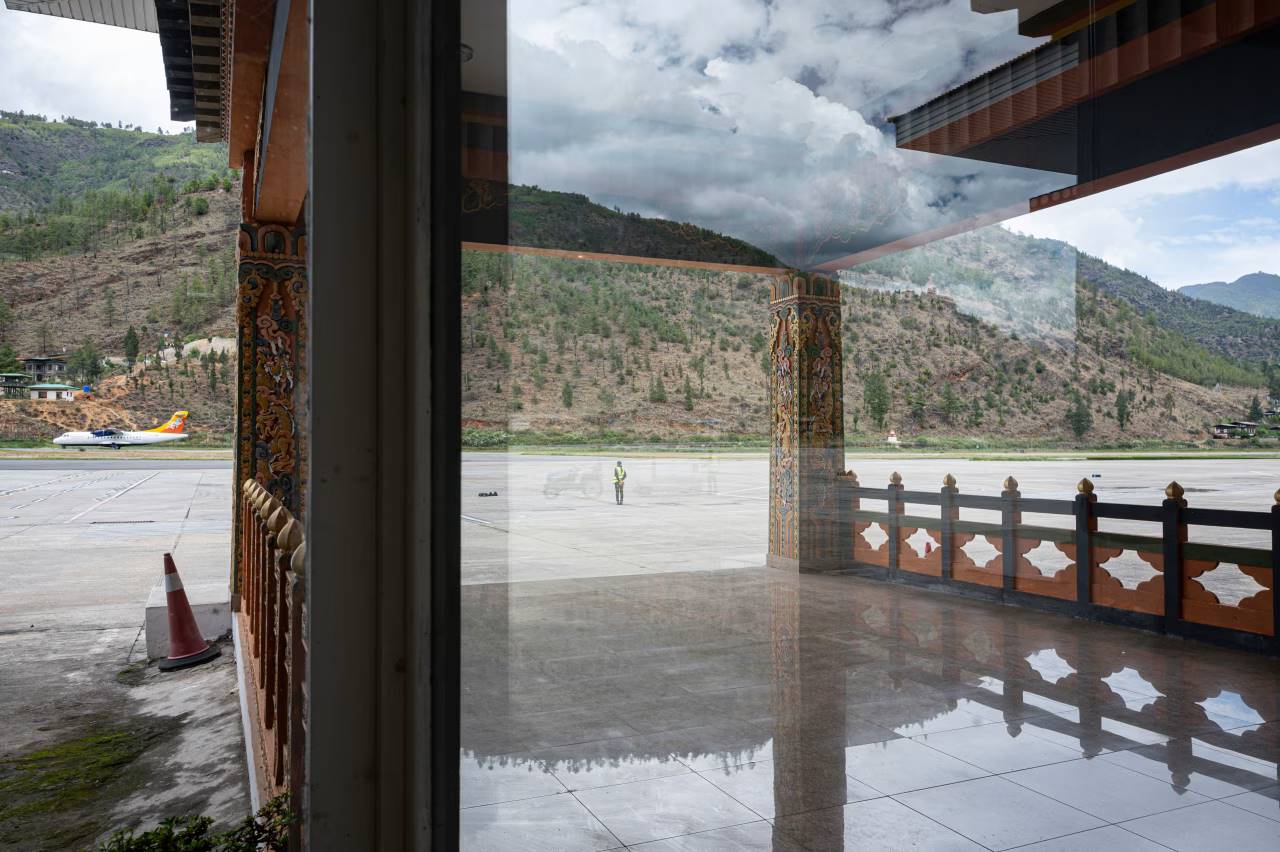
Bhutan’s economy relies heavily on tourism, making it especially vulnerable to shocks like the pandemic.
Chencho Tshering, a 25-year-old analyst at the National Land Commission, said he initially struggled to believe that a cash-strapped country like Bhutan could generate enough funds to give him a 65% salary increase. "I didn’t know anything about Bitcoin before, but it really is a way to diversify our economy," he said. "It’s smart."
Officials now say the government plans to hold onto its Bitcoin reserves long-term rather than cash them out for spending. While no new mining farms are planned, upgrades to existing ones are expected.
Bhutan is also experimenting with integrating cryptocurrency into daily life. Last month, the government launched a crypto payment system allowing tourists to pay for flights, hotels, and visas using over 100 different cryptocurrencies.
Dr. Tshering, the former prime minister and current governor of a special administrative zone overseeing Bitcoin mining, said cryptocurrency will be embedded into every aspect of the zone. Known as Gelephu Mindfulness City, its strategic reserves will include digital currencies, which are expected to be widely accepted within the city. The zone is also developing its own digital currency.
"Cryptocurrency is basically like salt in curry," Dr. Tshering said. "It will touch every element of the dish."
Join TechFlow official community to stay tuned
Telegram:https://t.me/TechFlowDaily
X (Twitter):https://x.com/TechFlowPost
X (Twitter) EN:https://x.com/BlockFlow_News