








Thumbs up for the "public blockchain" mindset of "SuChao"
TechFlow Selected TechFlow Selected
Thumbs up for the "public blockchain" mindset of "SuChao"
This is not a simple traffic incident, but a textbook example of regional coordinated development.
 Navigating Web3 tides with focused insights
By Daii
While professional football struggles under the weight of capital, trapped in a cycle of star dependency and financial quagmires, an amateur league from the grassroots has quietly reshaped our imagination of the sports industry with near-wild vitality.
This is the "Su Super League" phenomenon that erupted across Jiangsu in the summer of 2025—a seemingly grassroots amateur tournament that has traced an astonishing real-world trajectory. It not only ignited a fan frenzy but also, with remarkable efficiency, woven a highly resilient economic network spanning 13 cities.
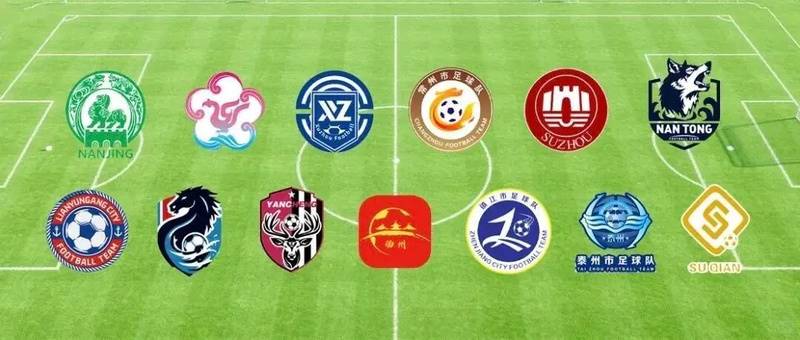
This is not merely a traffic event, but a textbook case of regional coordinated development. At its core, Su Super League successfully built a "sports-driven regional economic public chain"—linking distributed urban nodes into a self-organizing, self-upgrading value system.
Here, no matter who you are—a city, a brand, or an ordinary fan—as long as you're willing, you can "Su Super" something: placing two footballs at the foot of the Lingshan Buddha, arranging five planes to fly over the stadium, posting a meme video, designing a city-themed package... All become valid "interactions" within this network.
This, precisely, is the so-called "public chain mindset" in blockchain economics:
No permission required; everyone can participate; everyone can contribute, and everyone benefits; the more participation, the more prosperous the system.
When you revisit the Su Super League through this lens, what it ignites is not just fan enthusiasm, but a perfect real-world embodiment of blockchain spirit.
1. Su Super League: A Public Chain Anyone Can Join
In the blockchain world, a "public chain" means permissionless access, open participation, and nodes that act in self-interest while collectively increasing overall value. This sounds like technical jargon, yet Su Super League has vividly demonstrated this concept in reality—through a provincial football tournament.
1.1 Lingshan Buddha: Can a Sacred Site Ride the Hype?
On June 15, 2025, Wuxi hosted Changzhou. Before the match, fans were surprised to find two large black-and-white football models placed at the foot of the Lingshan Buddha in Wuxi.
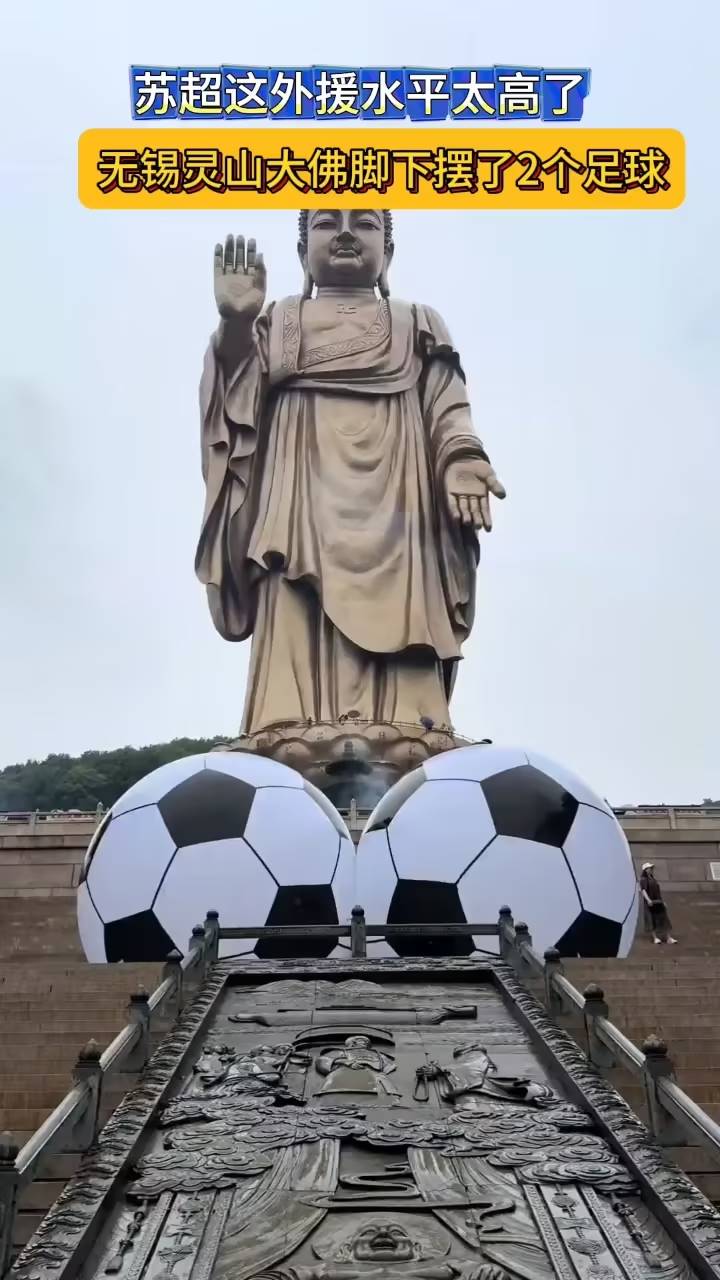
No official announcement, no government approval, no designated “official sponsor zone” as seen in traditional events. Just two footballs sitting there—solemn yet humorous.
But everyone could see it was a brilliant example of “hype-jacking”: the Buddhist holy site Lingshan casually rode the football wave in the lightest possible way. The appearance of the balls immediately exploded on social media, placing Wuxi at the center of off-pitch conversations during the Su Super League.
Interestingly, Wuxi won the match against Changzhou by exactly two goals. Netizens joked: "Buddha’s blessing, Lingshan showed its power." Wuxi thus achieved a “Zen victory,” gaining a surge in brand goodwill.
This was a classic case of “node self-interest”: the Buddha gained exposure, the city gained attention, and Su Super League gained traffic—all winning.
1.2 Flying Over Yangzhou: Five Planes "Go on-chain," Crowds Look Up in Wonder
On June 14, Yangzhou staged another event worthy of being called an “on-chain marvel.”
Before kickoff, five civilian aircraft flew in low formation over the stadium, their tails emitting neat white vapor trails—an aerial show unlike any other.
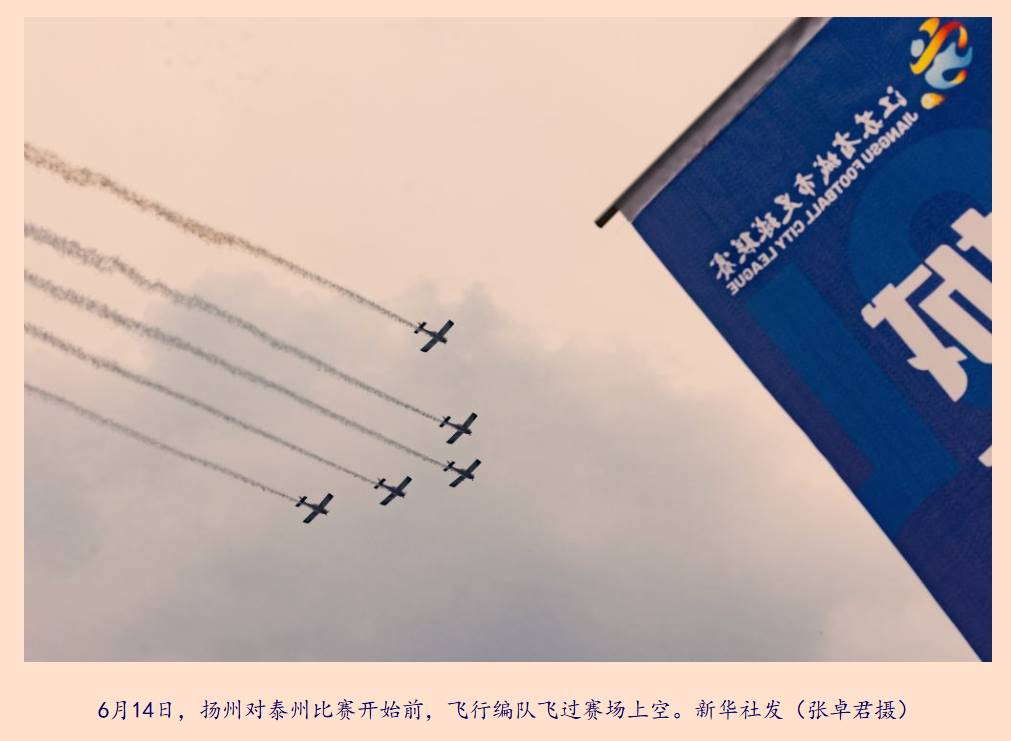
Fans in the stands looked up and cheered in unison. Social media instantly flooded: "Whose planes understand fans so well?" "Now that's air support!"
It later emerged that an airline had carefully orchestrated this move—not spending a penny, nor seeking permission from the organizers. Instead, they leveraged the popularity of the Su Super League to create an “aerial surprise” that maximized visibility.
Remarkably, this kind of “self-initiated insertion” wasn’t rejected. On the contrary, fans warmly embraced it, turning it into one of the league’s most viral moments.
This epitomizes “public chain-style participation”: any node with creativity and the ability to generate value can join the chain; each new addition enhances the entire network.
Su Super League didn’t stop the planes, nor did it enforce clean skies around the stadium or ban “non-official collaborations.” It remained open, unrestricted, even borderless—if you bring attention and value, you’re a legitimate node in the system.
Whether placing footballs before a Buddha or drawing lines in the sky, these acts may appear to be opportunistic marketing, but in fact, they feed traffic back into the Su Super League.
Each node creates value for itself while returning traffic to the entire system—achieving true “self-interest equals mutual benefit.”
1.3 Meme-Making Is Co-Creation: Video Channels Are the "Second Stadium"
The “public chain mindset” of Su Super League isn’t limited to governments or corporations—it truly unleashes the creativity of every individual. While the real pitch lies on green grass, the virtual “second stadium” unfolds in video accounts and comment sections.
Every joke, every meme image, is spontaneous co-construction by nodes. Every click and share is a consensus vote for “on-chain content.”
For instance, the old internet joke about “loose-pack Jiangsu” was fully revived by Su Super League. Thirteen city teams battled in pairs, stirring up the map of Jiangsu as football fever swept across. Thus came the official meme: “First in competition, fourteenth in friendship.”
Su Super League launched a “Meme King Championship,” and fans’ creativity never disappointed:
-
As Changzhou’s performance faltered, netizens jokingly renamed it: “From Changzhou to Diaozhou, then Jinzhou, finally becoming 丨zhou—the remaining strokes for Changzhou aren’t many.”
-
Suzhou vs. Wuxi ended 1:1. Fans summed it up perfectly: “Suzhou kept Taihu Lake, Wuxi kept its airport.”
-
Nanjing vs. Wuxi became “salted duck versus honey peach”—losing meant “honey peach with salt,” winning meant “salted duck with sugar.”
-
Xuzhou vs. Suqian escalated to a “Chu-Han rivalry,” a fated showdown.
-
Nanjing vs. Nantong turned into the ultimate battle over who is the true “Nan Ge” (Brother Nan).
-
Taizhou vs. Nantong saw fans place bets: “Winner eats morning tea, loser writes exam papers!”
Interestingly, local cultural tourism departments and official accounts joined in, actively embracing and validating these memes—welcoming this low-barrier culture of co-creation.
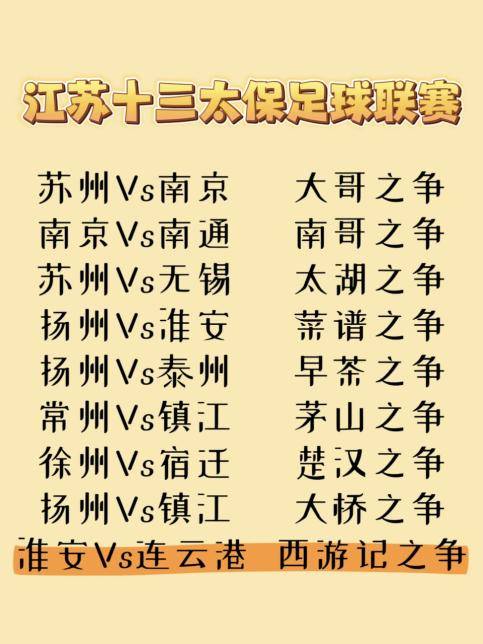
Here, the nodes of Su Super League are no longer just teams or companies—they are every fan with a clever idea. Your creativity gets shared, your joke trends, your account gains followers, and the league earns broader traffic and deeper cultural resonance.
This is a natural, permissionless mode of participation:
Everyone is a node, everyone is a creator, and everyone is a beneficiary.
Su Super League imposes no platform tax, no entry barriers, no centralized content review. Precisely because of this, it becomes a “multi-center content ecosystem,” achieving genuine co-creation and shared success in traffic and热度.
This is the most important real-world manifestation of the “public chain mindset”: value isn’t minted by a single institution, but grows organically through widespread participation.
2. Self-Interest Equals Mutual Benefit: Why Does Su Super League Work?
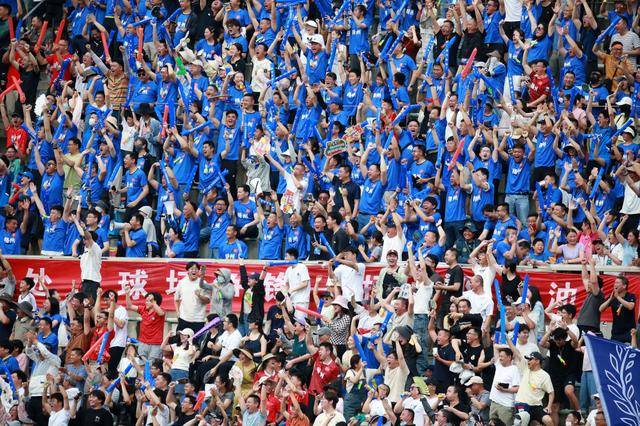
If you look closely, football here is no longer an isolated 90-minute game, but an “economic singularity” that activates urban vitality. The match is just the fuse—the real explosion is the city’s vibrancy and commercial energy.
-
Changzhou launched a “9.9 yuan ticket + bowl of local turnip fried rice” package, which sold out instantly. A sports official said the campaign not only brought traffic but also boosted recovery and growth in nearby restaurants.
-
Yancheng took a different path, leveraging its ecological strengths to launch a “birdwatching + match viewing” package, attracting over 20,000 bookings in just three days over the Dragon Boat Festival.
-
Zhenjiang’s Xijindu scenic area tied match days to its “night economy,” tripling night visitor numbers on game days—becoming a new benchmark for post-pandemic cultural tourism revival.
According to UnionPay data, intercity cultural tourism spending in six Su Super League host cities increased 12.94% year-on-year during the Dragon Boat Festival holiday. Football is rapidly becoming a “traffic gateway” for urban tourism.
Why does this decentralized, independent approach avoid resource waste and internal competition, instead achieving collective win-win outcomes?
Because Su Super League established from the outset a “distributed node incentive mechanism”: each city holds full autonomy over decision-making, sponsorship, and execution. Each node can mobilize its own resources most effectively to build the ecosystem. There are no top-down directives, no mandatory KPIs. Every city treats the event as an opportunity for development and promotion, operating flexibly and market-responsively.
It is precisely this “autonomous governance” model that allows each participant, while pursuing self-interest, to unconsciously nourish the entire tournament system. Each node’s innovation and success inspires others to join this positive cycle, driving greater ecosystem prosperity.
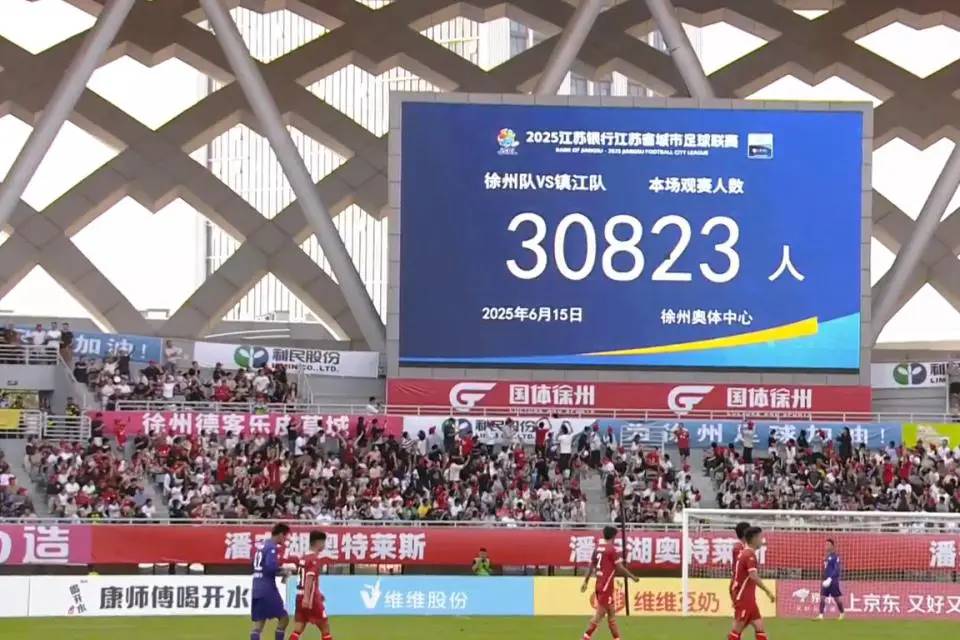
Thus, what Su Super League truly delivers is not just a successful sports event, but a new collaborative paradigm—low-cost, high-consensus, strongly viral—centered on autonomous nodes.
It proves that:
Node self-interest doesn't lead to fragmentation, but rather becomes the key driver of systemic prosperity. When each participant pursues their own benefit, they simultaneously fuel the collective growth of the entire ecosystem.
Perhaps this is the deepest insight Su Super League offers. Of course, it works because it aligns with the most fundamental logic of the market economy.
3. Shared Aspiration Is the Best "Co-Creation Mechanism"
Writing this, I suddenly recall a saying:
Truly great systems aren't built by technological stacking, but by natural human collaboration.
What excites me about Su Super League isn't just exciting matches, affordable tickets, or passionate atmospheres—but how instinctively it shows us what a truly “open system” looks like.
It operates without big capital control or complex protocol designs, yet runs a highly vibrant “real-world public chain”:
No permission needed—anyone can join.
Cities, as “nodes,” act in self-interest, yet all benefit collectively.
Every creative act, every purchase, every cheer, is a value-add to the system.
This is the essence of the “public chain mindset”:
Not waiting for orders, not relying on a center, but driven by consensus and co-created by all.
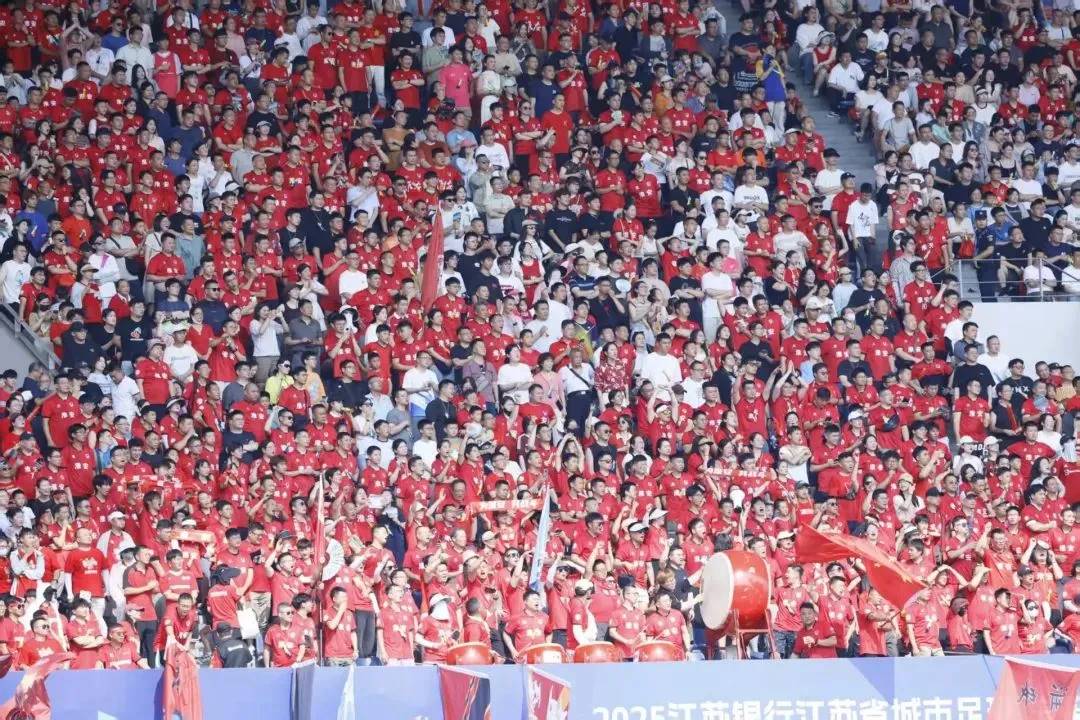
You might ask: Why can’t the Chinese Super League replicate Su Super League?
The answer is simple: because CSL is no longer a public chain.
It’s more like a private chain—centralized power, limited access, resources and content controlled by a few—or a consortium chain, where participants need verification, content has boundaries, and rules are set “from above.”
But Su Super League? It doesn’t ask who you are or restrict what you do. Want to place two footballs before the Lingshan Buddha? You’re a node. Want to launch a “birdwatching + match” package? Welcome aboard. Share a hilarious meme? You’re adding bricks to the system.
In the world of Su Super League, “anyone can” isn’t a slogan—it’s a consensus.
And consensus is the most stable foundation for any system.
Conclusion: Su Super League Isn’t a Revolution—It’s a Reminder
It didn’t overthrow anyone, yet quietly rewrote the underlying logic of “how football operates.” No grand narratives, no capital coronation—just a down-to-earth approach returning an old question to the people:
Who decides the outcome, and who deserves applause?
Su Super League answered with action—not authority, not money, but consensus and collaboration.
The true vitality of a system is never fed by a central hub, but ignited by self-burning nodes.
You cannot monopolize power and expect shared prosperity; the law of conservation of energy in this world never indulges the greedy.
The miracle of Su Super League may be hard to replicate, but the “public chain trust” it awakened is becoming a signal of the times:
It’s not about who wins the future for you, but whether you’re willing to co-create it with others.
In an era increasingly emphasizing distribution, participation, and respect for marginalized voices, what Su Super League does is not seizing power—it’s returning it.
And that, is where all great systems begin.
Finally, if you’d like to learn about today’s largest public chain in the blockchain world, reply “big public chain” in our official account.
Join TechFlow official community to stay tuned
Telegram:https://t.me/TechFlowDaily
X (Twitter):https://x.com/TechFlowPost
X (Twitter) EN:https://x.com/BlockFlow_News
 @yzdxs8


