'Bitcoin Family' Abandons Hardware Wallets Due to Kidnapping Threats, Hides Keys Across Four Continents: We Must Protect Our Daughter
TechFlow Selected TechFlow Selected
'Bitcoin Family' Abandons Hardware Wallets Due to Kidnapping Threats, Hides Keys Across Four Continents: We Must Protect Our Daughter
In 2017, they sold all their possessions to bet on Bitcoin, and today have become digital nomads traveling the world as a family of five.
 Navigating Web3 tides with focused insights
Source article: CNBC
Translated and compiled by: BitpushNews

The Bitcoin Family poses together during a ski trip in the Sierra Nevada mountains of southern Spain. In 2017, they sold all their possessions to bet on Bitcoin and have since become a family of five living as full-time "digital nomads."
Following a series of kidnappings targeting prominent figures in the crypto world, fear has spread across the community. Many well-known individuals have quietly upgraded their personal security— including the so-called “Bitcoin Family,” who famously liquidated all their assets for Bitcoin.
Didi Taihuttu, the patriarch of the Bitcoin Family, said the entire family has completely overhauled its security strategy.
The family sold their home, cars, and all other possessions back in 2017 to go "all in" on Bitcoin when it was around $900 per coin, embarking on an extreme journey of crypto idealism. Traveling full-time with their three daughters, they severed ties with traditional banking systems entirely.
Over the past eight months, Taihuttu said they’ve abandoned hardware wallets altogether, switching instead to a hybrid system—part analog, part digital—that involves encrypting and splitting up recovery phrases, storing them via blockchain-based encryption services or hiding physical copies across four continents.
"We've changed everything," Taihuttu told CNBC in a phone interview from Phuket, Thailand. "Even if someone held a gun to my head, I could only give them what’s in my mobile wallet—which isn’t much."
CNBC first reported on this family’s unique storage setup in 2022, when Taihuttu described how he stashed hardware wallets across multiple continents—from rented apartments in Europe to self-storage units in South America.
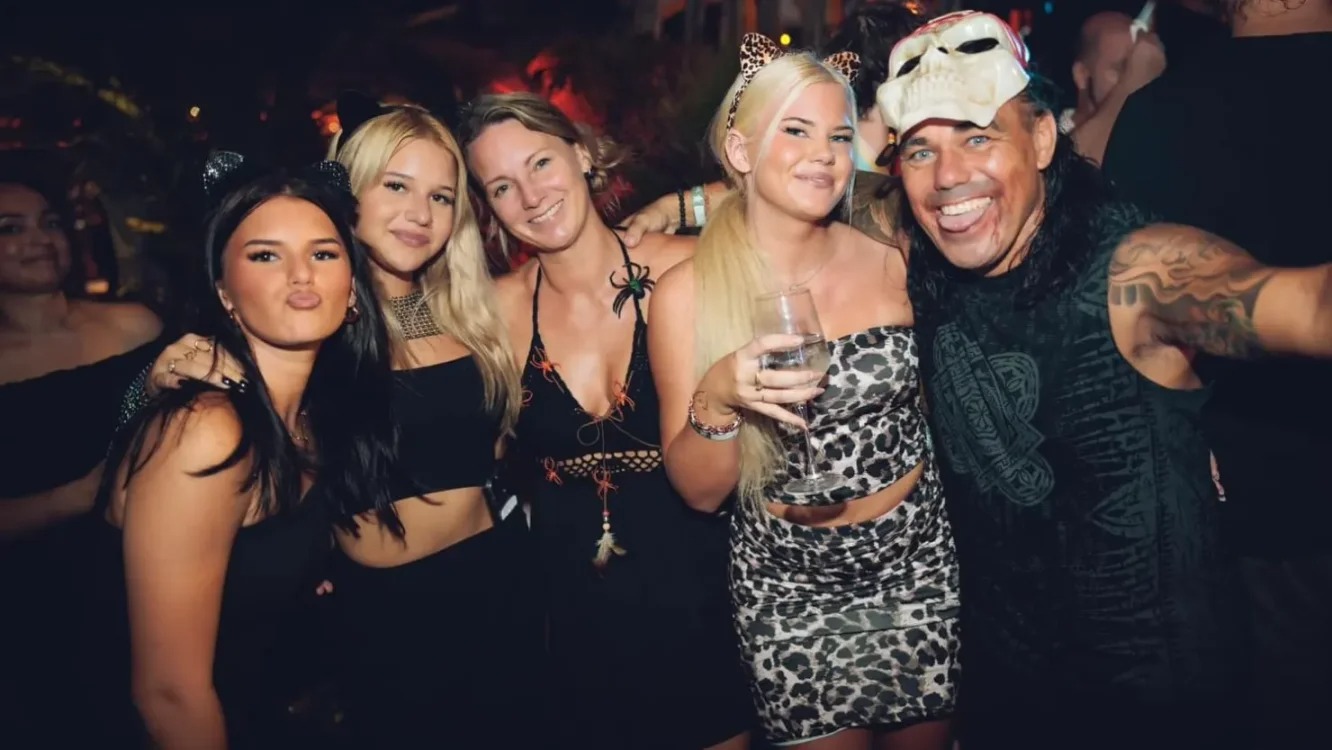
The Taihuttu family dressed up for Halloween in Phuket, Thailand. They recently moved after their address was exposed through YouTube videos.
As kidnappings targeting cryptocurrency holders grow increasingly common, even this family is re-evaluating their level of online exposure.
This week, Moroccan police arrested a 24-year-old man suspected of plotting multiple violent kidnappings of crypto executives. One victim was the father of a crypto millionaire, reportedly held captive for days in a house south of Paris and even had one of his fingers cut off.
In another case, the co-founder of French wallet firm Ledger and his wife were kidnapped at home, while a ransom gang also targeted another senior Ledger executive.
Last month in New York, authorities said a 28-year-old Italian tourist was abducted and tortured for 17 days in a Manhattan apartment. To extract his Bitcoin password, the kidnappers used electrical wires to shock him, beat him with a gun, and even attached an Apple AirTag around his neck for tracking.
What unites these incidents: the pursuit of private keys that can instantly transfer digital assets.
"Seeing so many kidnappings is truly unsettling," said JP Richardson, CEO of crypto wallet company Exodus. He urged users to strengthen their own security—using self-custody solutions, keeping large holdings in hardware wallets, and for those with significant crypto wealth, adopting multi-signature wallets, a setup typically reserved for institutions.
Richardson also recommended spreading funds across different types of wallets, avoiding holding large amounts in hot wallets, thus reducing risk without sacrificing usability.
This rising sense of insecurity is also fueling demand for physical protection. Insurers are accelerating the rollout of "kidnap and ransom" (K&R) policies tailored specifically for cryptocurrency holders.
But Taihuttu couldn't wait for corporate solutions to mature. He chose total decentralization—not just financially, but in personal risk management too.
The family is preparing to return to Europe from Thailand, and "security" has now become a frequent dinner-table topic.
"We’ve been talking about these things a lot as a family lately," Taihuttu said. "The kids watch the news too—especially that case in France where the CEO’s daughter nearly got kidnapped on the street."
Now, his daughters are asking tough questions: "What if someone tries to kidnap us?" "Do we have a plan?"
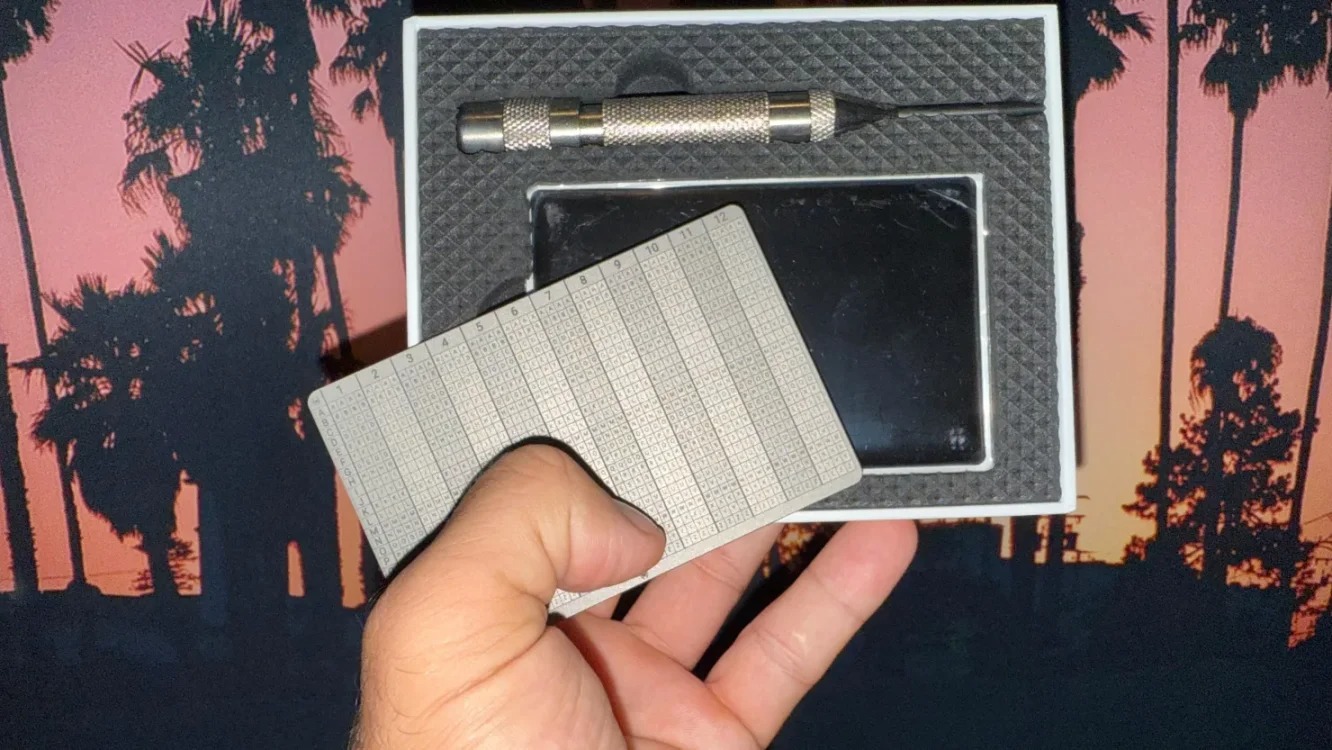
Taihuttu manually hammers letters into steel plates using a punch tool, engraving portions of recovery phrases. These plates are hidden across four continents as part of a decentralized storage system.
Although his daughters’ own wallets contain only small amounts of crypto, the family decided to leave France entirely.
"We used to be somewhat famous within a niche market—but that niche is growing larger and larger," Taihuttu said. "I think we’ll see more and more such robbery attempts. So yes, we definitely won’t be going back to France."
Even in Thailand, Taihuttu has recently stopped posting travel updates and family photos. He began receiving threatening messages from strangers claiming they had identified his home address through his YouTube videos.
"We were living in a really beautiful house for six months—and then I started getting emails saying they recognized the house. Someone even warned me to be careful, not to let the kids go out alone," he said. "So we moved. And now we don’t film anything at all."
"The world feels strange right now," he added. "So we have to take precautions ourselves—and regarding wallets, we no longer use hardware wallets at all."
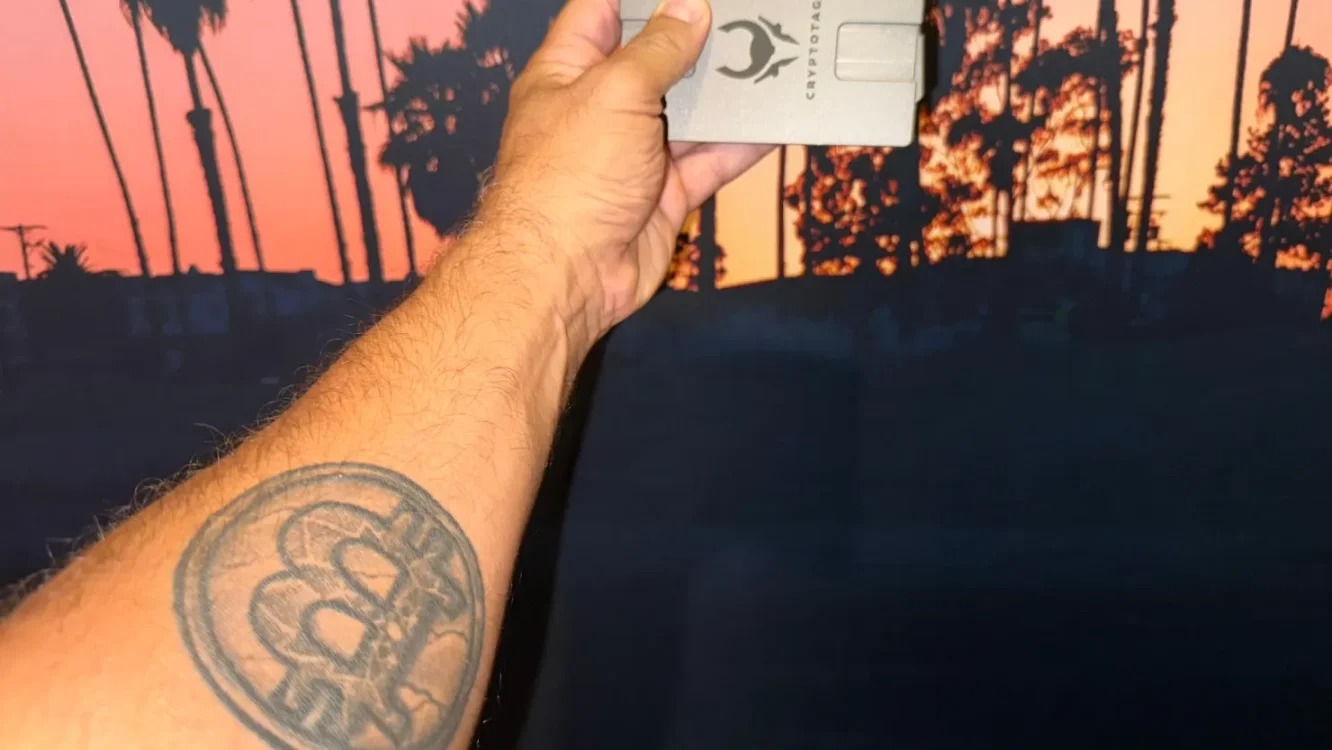
To prevent theft, Taihuttu encrypts parts of each 24-word recovery phrase, divides them into four groups of six words each, and hides them around the world.
Their new security protocol splits a single 24-word Bitcoin recovery phrase into four groups of six words, stored in geographically dispersed locations. Some are digitally preserved through blockchain encryption platforms; others are hand-engraved onto fireproof steel plates and hidden across four continents.
"Even if someone found 18 of the words, they still couldn’t do anything," Taihuttu explained.
He added a personal layer of encryption: replacing certain mnemonic words with substitutes to mislead attackers—a simple yet effective method.
"You just need to remember which words you changed," he said.
One reason they abandoned hardware wallets is increasing distrust toward third-party devices. Controversial updates like Ledger’s in 2023 raised concerns about potential backdoors and remote access features, prompting them to ditch hardware wallets entirely in favor of paper and steel backups.
They still keep small amounts of cryptocurrency in "hot wallets" for daily spending and algorithmic trading strategies, but these funds are protected by multi-signature approvals requiring multiple authorizations before any transaction can proceed.
They use Safe (formerly Gnosis Safe) to manage Ethereum and other altcoins; for Bitcoin, they apply similar multi-layered security measures on centralized platforms like Bybit.
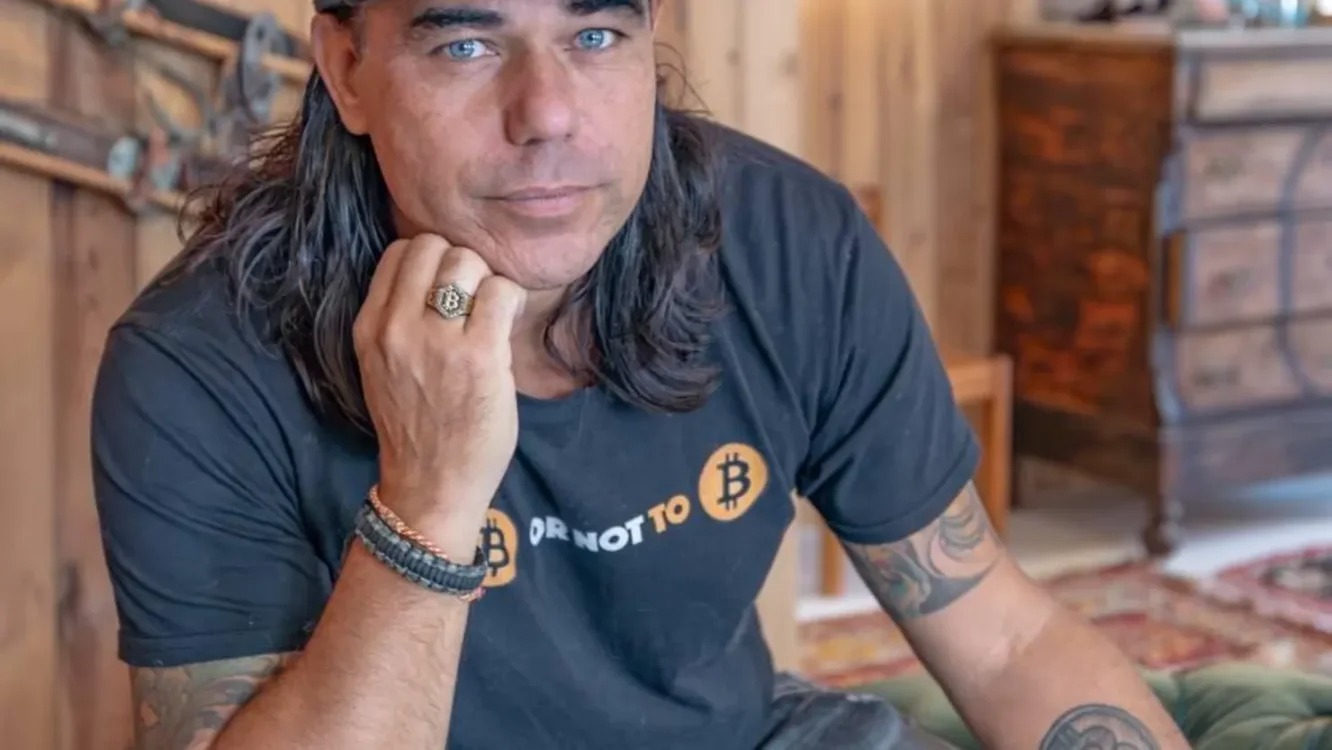
Recent photo of Taihuttu in the Sierra Nevada mountains, Spain. The family’s lifestyle—no bank accounts, nomadic existence, heavy Bitcoin bets—is considered unusual even within the crypto community.
Taihuttu stores about 65% of the family’s crypto assets in cold wallets spread across four continents—an approach he sees as superior to centralized vaults like Xapo (owned by Coinbase), which uses secure facilities in the Swiss Alps. While Xapo offers physical protection and inheritance services, Taihuttu says it still requires "trusting others."
"What if those companies go bankrupt? Will I still be able to access my assets?" he asked. "You’re handing your capital back to someone else."
Thus, Taihuttu chooses to hold the keys himself—hidden around the world. He can remotely top up wallet balances, but withdrawing funds requires at least one international trip depending on where the required recovery phrase segments are located. These assets are treated as long-term retirement savings, intended to be accessed only when Bitcoin reaches $1 million—something he expects around 2033.

Didi, Romaine, and their three daughters live mostly off-grid, managing crypto assets using decentralized exchanges, algorithmic trading bots, and a globally distributed cold wallet system.
This shift toward multi-party security extends beyond multi-sig wallets to MPC (Multi-Party Computation) technology, an advanced cryptographic model gaining popularity.
MPC does not store private keys in a single location. Instead, it cryptographically splits the key into multiple "shares" distributed among several parties. A transaction can only be executed once a predefined threshold of signers agrees—greatly reducing risks of theft or unauthorized access.
While traditional multi-signature wallets require multiple entities to approve transactions, MPC goes further by mathematically dividing the private key itself, ensuring no individual ever holds the complete key—even their own fragment cannot independently sign a transaction.
This trend coincides with renewed scrutiny of centralized platforms like Coinbase, which recently disclosed a data breach affecting tens of thousands of users.
Taihuttu said he now completes about 80% of his trades on decentralized exchanges like Apex. Apex is a peer-to-peer platform allowing users to place buy/sell orders while retaining custody of their funds, staying true to cryptocurrency’s original decentralized ethos.
Though he didn’t disclose his total holdings, Taihuttu shared his goal for this bull market: achieving a net worth of $100 million, with 60% remaining in Bitcoin. The remainder is diversified across Ethereum, Solana, LINK, Sui, and other Layer 1 tokens, as well as startups focused increasingly on AI and education—including a platform he founded that teaches children blockchain and life skills.
Recently, he’s also begun considering stepping away from public life.
"Content creation is truly my passion. I enjoy it every day," he said. "But if it's no longer safe for my daughters… I really need to reconsider."
Join TechFlow official community to stay tuned
Telegram:https://t.me/TechFlowDaily
X (Twitter):https://x.com/TechFlowPost
X (Twitter) EN:https://x.com/BlockFlow_News
 @CNBCi