America's Young Generation and Their "Financial Rebellion": Betting on MEME for a Comeback, Ironic Meme Coins Gain Popularity
TechFlow Selected TechFlow Selected
America's Young Generation and Their "Financial Rebellion": Betting on MEME for a Comeback, Ironic Meme Coins Gain Popularity
Compared to traditional financial instruments, this generation is more willing to dive into the high-volatility meme coin market, even if they're only betting a few hundred dollars in hopes of getting rich overnight.
 Navigating Web3 tides with focused insights
Author: Nancy, PANews
Recently, emerging meme coins such as RFC, House, and TROLL have rapidly gained popularity. Filled with absurdity, surrealism, and dark humor, this meme culture has not only become a speculative tool favored by Gen Z but also carries young people's rebellious sentiments toward traditional financial systems and social norms, reflecting a uniquely era-defining alternative financial culture.
Gen Z’s "Financial Rebellion": Betting on MEME Coins for a Comeback
A recent report by The Washington Post revealed an emerging financial trend quietly spreading among young Americans: an increasing number of Gen Z individuals are viewing meme coins as an alternative path to achieving the "American Dream." Facing real-world pressures like soaring housing prices, heavy student debt, and stagnant wage growth, traditional routes to wealth—such as homeownership or retirement savings—are becoming increasingly out of reach. This disillusionment with the existing financial system is fueling a grassroots-style wealth "rebellion." Compared to conventional financial instruments, this generation is more willing to dive into the highly volatile meme coin market, even if it means risking just a few hundred dollars in hopes of striking it rich overnight.
Citing data, the article highlights that younger Americans participate in cryptocurrency at significantly higher rates than older generations: 42% of men aged 18–29 have engaged in crypto activities (investing, trading, or using), compared to 17% of women; among those over 50, the figures drop to 11% for men and just 5% for women.
The report illustrates this trend through several real-life cases. For example, 25-year-old Yuvia Mendoza hopes to become the next "Roaring Kitty," having created a token tied to the struggling chain restaurant Hooters. At one point, she even used cryptocurrency to buy T-shirts from waitstaff, attempting to "empower" her token. Although the coin eventually crashed in price, she remains active in the meme coin space, moving on to other projects in search of the next potential breakout.
Joe McCann, founder and CEO of crypto hedge fund Asymmetric, notes that a sense of "financial nihilism" among some Gen Z individuals is driving them toward the crypto world. Burdened by high student loans and more likely to live with their parents, this generation thinks less about 401(k) retirement savings than previous ones did. Instead, they’d rather bet a few hundred dollars on a meme coin because they feel they have “no other choice.”
At the recent ETHDenver conference, 27-year-old Veronica Sutton wore a bright red “Make America Great Again” hat and said today’s version of the “American Dream” is fundamentally different. After seeing her parents struggle under long-term debt and feeling that her college education during the pandemic was a “waste of money,” she dropped out during her senior year. “I loved college and don’t regret going, but I do regret that $20,000 in student loans,” she said.
Similar patterns are appearing in South Korea. The so-called “dirt spoon” generation, facing prolonged high housing costs, debt burdens, and employment difficulties, also sees meme coins as a chance for upward mobility. A recent survey by South Korean firms DeSpread and CoinNess, involving 3,108 local crypto investors, found that around 33% of investors entered the crypto market after its 2024 recovery. Despite limited familiarity with DEXs, over half of Korean investors have allocated funds to meme coins—largely due to aggressive listings by CEXs (centralized exchanges). For instance, major South Korean platforms like Bithumb and Upbit now list popular meme coins including DOGE, TRUMP, PENGU, PEPE, and BONK.
Now, amplified by social media and relaxed regulations under the Trump administration, this form of "entertainment-driven speculation" continues to heat up. Notably, Trump himself is scheduled to attend a private dinner this month exclusively for millionaires who hold the TRUMP meme coin.
From Satire to Rebellion: The Emotional Financial Narratives Behind Meme Coins
In the fast-moving digital world, meme coins serve as minimalist yet powerful vessels for complex emotional resonance and collective ideals. Among the latest wave of meme trends, several popular coins have quickly captured Gen Z’s imagination through compelling narratives. These meme coins not only demonstrate strong storytelling appeal and deep community engagement but also reflect how young Americans use crypto culture to resist systemic injustice and express personal identity.
RFC

RFC was launched by the satirical political account Retard Finder and quickly rose to fame due to frequent interactions with Elon Musk. Rooted in the rebellious spirit of internet meme culture, it encourages users to tag @IfindRetards to “report” foolish statements—a humorous way of questioning mainstream narratives. The account primarily features right-wing political satire, mocking immigration policies, environmentalism, and “woke leftism.” In many ways, RFC transcends being merely a financial asset, evolving into a digital form of “cultural rebellion” against mainstream media and elite discourse.
GMGN data shows that within less than two months of launch, RFC reached a peak market cap close to $150 million.
House
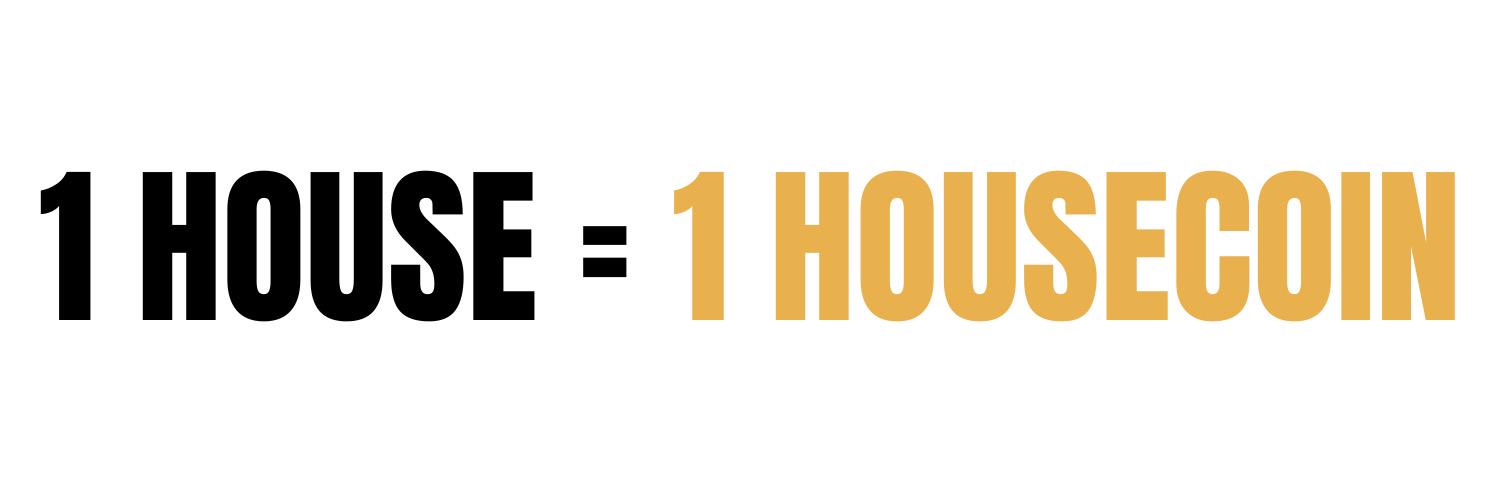
“1 House = 1 Housecoin” is the signature slogan of House, a meme coin on Solana. Its core narrative centers on the worsening global housing crisis, particularly highlighting the real struggles faced by today’s youth. With skyrocketing home prices, stagnant income growth, and increasingly rigid class structures, young people widely feel the crushing pressure of being unable to “get on the property ladder.” House uses absurd yet direct storytelling to satirize systemic injustices in the current real estate market, attracting a large number of disillusioned young investors eager to voice their discontent.
According to GMGN data, as of May 6, House reached a peak market cap of $120 million within just over a month of launch.
TROLL

TROLL originates from Trollface, one of the most iconic memes in internet history, symbolizing early internet freedom, chaos, and anti-authority spirit. Created in 2008 by artist Carlos Ramirez (online alias “Whynne”) for his angry comic series titled *Trolls*, it was initially used to mock online trolling behavior and later became a classic symbol of internet parody and humor. TROLL effectively taps into this retro nostalgia, drawing in young users familiar with meme history and passionate about internet subcultures.
GMGN data indicates that as of May 6, TROLL reached a peak market cap of nearly $42 million.
neet
$neet takes its name from the term “Not in Education, Employment, or Training,” used to describe youths aged 16–24 who are neither working nor studying. In Japan, the concept extends to ages 15–34, often associated with “hikikomori” (shut-ins) or “otaku culture.” The core narrative of $neet is a rebellion against traditional work ethics and societal expectations. It transforms this social phenomenon into a satirical cultural symbol representing attitudes of “lying flat,” disengagement, or dependency on parents—resonating emotionally with some young people under modern economic stress.
GMGN data shows that since its launch at the end of April, $neet has reached a peak market cap exceeding $21 million.
DRA
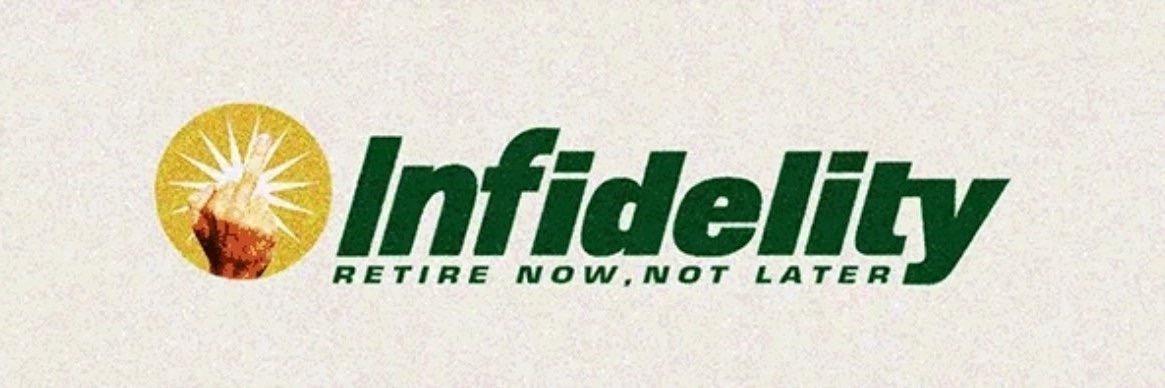
DRA is another socially themed satirical project, built around the idea of a Decentralized Retirement Account—a mocking response to traditional pension systems. It reflects younger generations’ distrust toward established financial retirement mechanisms like the U.S. 401(k) plan and channels criticism of what they perceive as a “pension scam.”
GMGN data shows that since its launch on May 4, DRA has reached a peak market cap exceeding $7.6 million.
Join TechFlow official community to stay tuned
Telegram:https://t.me/TechFlowDaily
X (Twitter):https://x.com/TechFlowPost
X (Twitter) EN:https://x.com/BlockFlow_News
 PANews