ClawdBot Founder Says “Will Never Launch a Token”; Meme Trench Goes into Panic
TechFlow Selected TechFlow Selected
ClawdBot Founder Says “Will Never Launch a Token”; Meme Trench Goes into Panic
Meme coins have evolved from “deifying,” “riding on the coattails of,” to “tying themselves to” deities.
 Navigating Web3 tides with focused insights
By Kuli, TechFlow
On January 25, an open-source AI assistant named ClawdBot went viral.
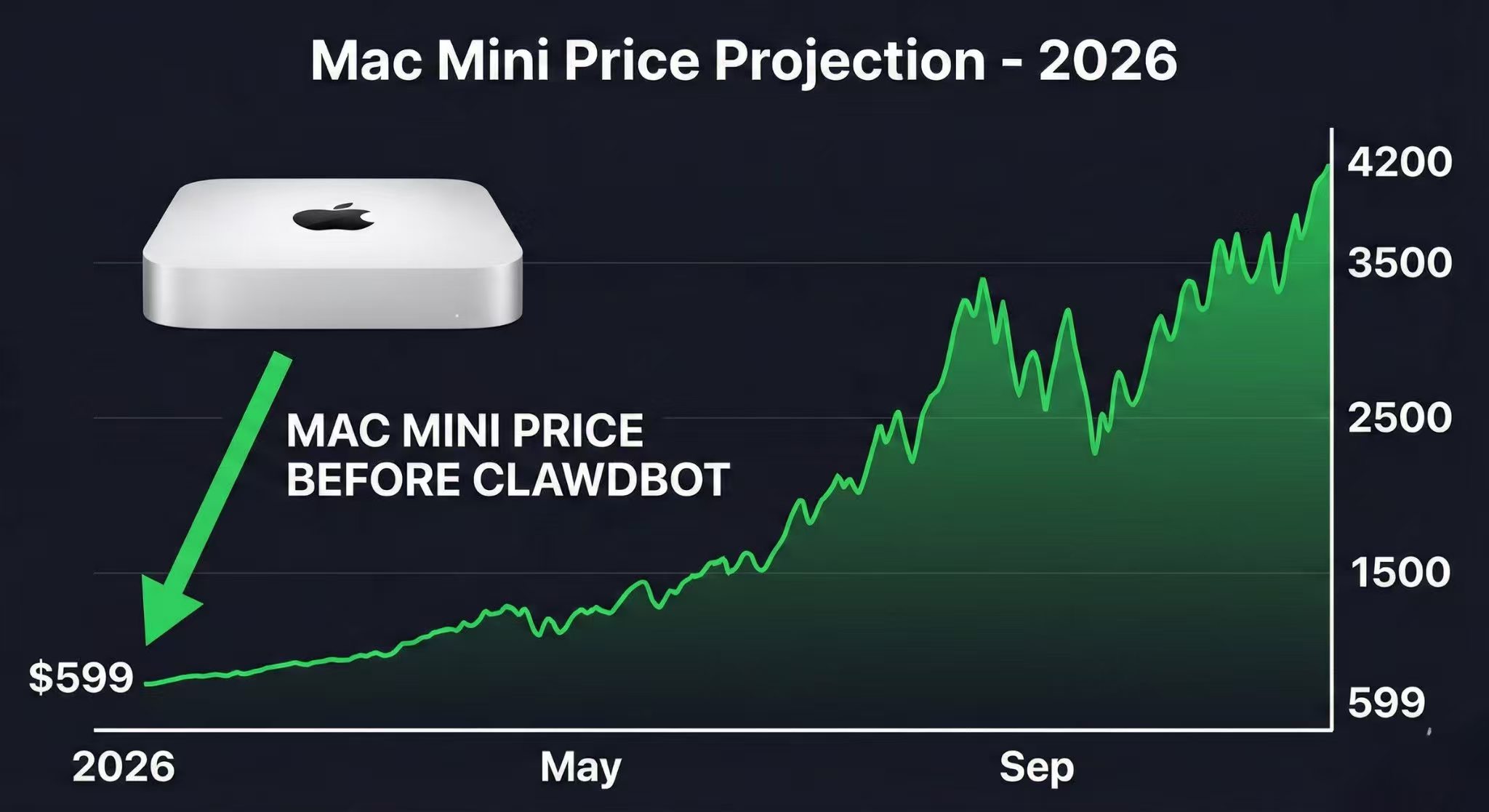
You’ve likely seen it flooding Twitter and major media outlets—both domestic and international—over the past two days. Its GitHub repository surpassed 40,000 stars; foreign users jokingly claimed Mac Minis would sell out because ClawdBot requires 24/7 uninterrupted operation—and a brand-new Mac, unburdened by other tasks yet convenient and capable, makes an ideal host.
Meanwhile, its Discord community swelled to nearly 10,000 members.
Peter Steinberger, ClawdBot’s founder, even tweeted that he no longer reviews code himself—AI writes it for him.
This sparked another Twitter phenomenon—following Dan Koe’s viral self-help guide “How to Fix Your Life in One Day”—this time titled “How to Deploy ClawdBot Quickly,” a technical topic sweeping the platform.
Naturally, attention brings liquidity—and crypto folks caught the scent immediately.
The namesake meme coin CLAWD had already launched on the 25th, briefly surging to a $16 million market cap. Everything felt familiar: a hot AI project, a matching token, early adopters getting rich. The only problem?
The founder says he won’t launch a token.
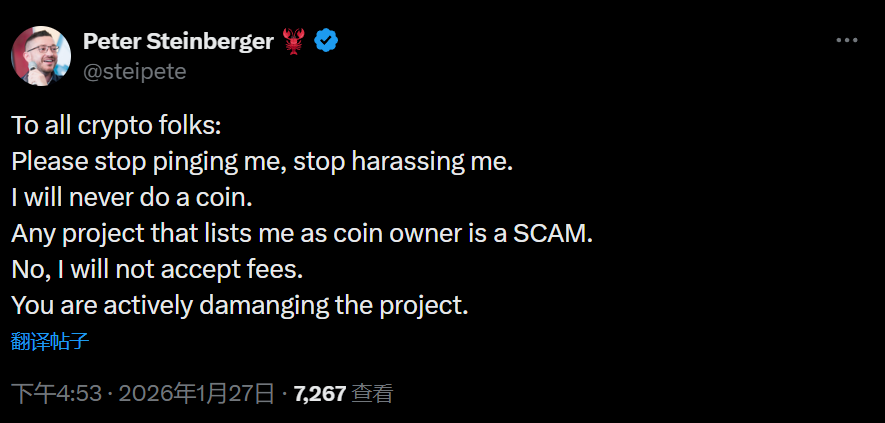
On January 27, Peter Steinberger posted a statement on Twitter:
“Stop DMing me. Stop harassing me. I will never launch a token. Any project listing me as a token owner is a scam. No, I won’t accept any fees. You’re harming this project.”
Later that same day, he posted another tweet:
“Does anyone on GitHub know how I can recover my account? It’s been hijacked by crypto scammers.”
You won’t launch a token? Fine—I’ll DM you to ask. Still refusing? Then I’ll hijack your account and launch it for you.
Unlike meme-warfare devs eagerly awaiting official endorsement, the developer behind ClawdBot doesn’t appear financially strapped.
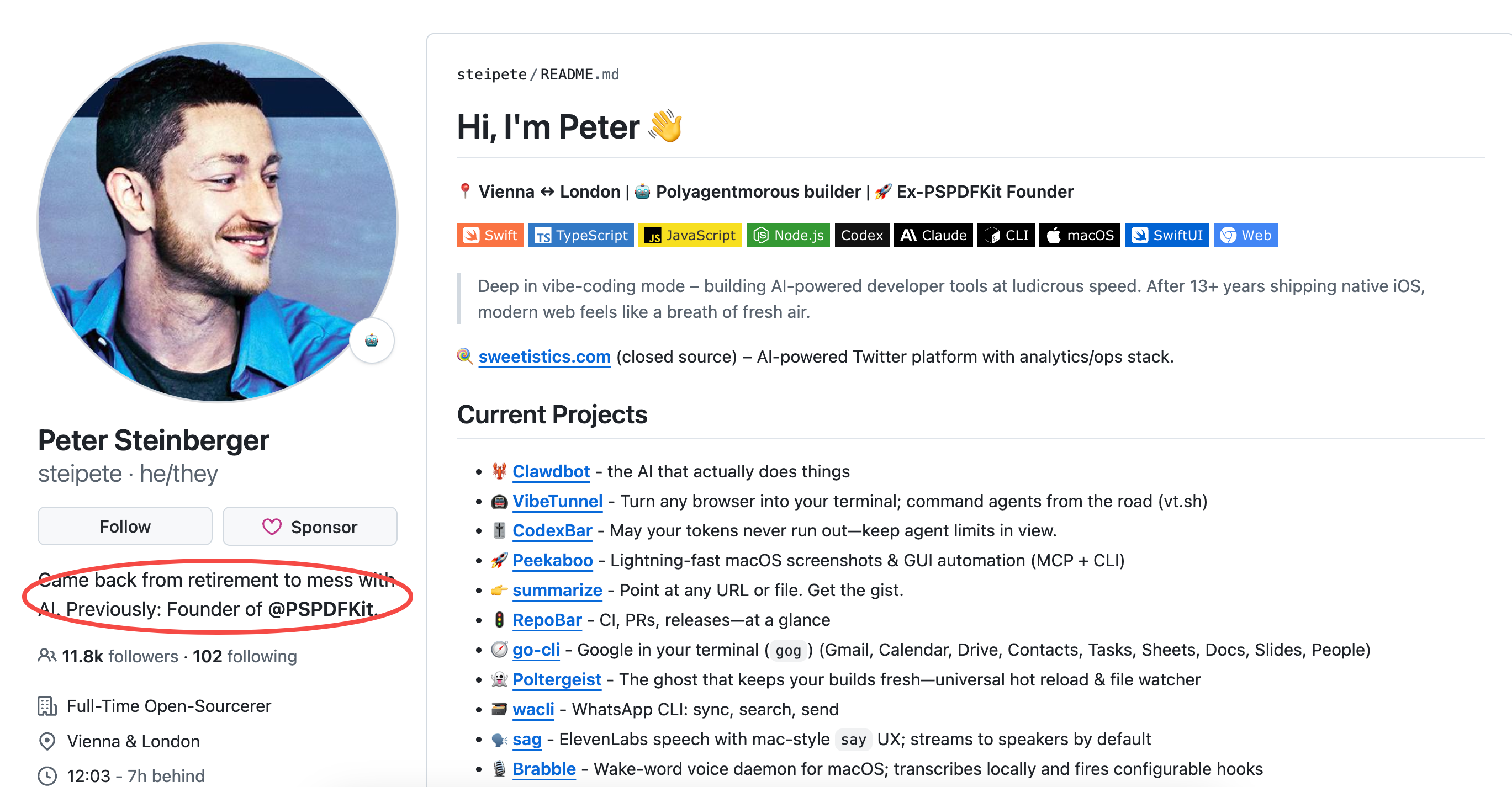
I looked up his background: Peter previously founded PSPDFKit, a company building PDF development tools.
In 2021, Insight Partners invested €100 million in the company—roughly:
$116 million at the time.
After the investment closed, Peter and his co-founder retired. In his own words, he “came back from retirement to mess with AI”—returning from retirement to tinker with AI.
A person who retired by building products genuinely doesn’t need your token profits.
But meme warriors absolutely do.
That’s what makes this story so fascinating. In crypto’s worldview, “Who wouldn’t want to make money?” is a first principle. A project goes viral—launching a token feels inevitable.
If you refuse, either you’re pretending—or waiting for better timing—even if the project has little to do with crypto.
So some resort to DMs, harassment, or even account hijacking to force a scammy token launch.
Recall the playbook from two and one year ago, when AI memes first surged:
First, a technical project or prototype emerges; then the team announces a token launch, the community rallies, and the narrative holds together. This was “technical legitimacy”: you built something, so you’re entitled to issue a token.
That’s changed now.
Today, the move is to rush and mint a namesake token upon spotting hype—then wait for “official adoption.” If adopted, everyone wins; if not, keep pumping anyway. After all, retail investors can’t tell which one’s real.
Within meme trenches, this “forced paternity claim” has become standard practice.
Whether Chinese or overseas memes, seeking mention, implication, or endorsement from an official figure tied to a trending topic remains an endless pursuit.
Only now, this proactivity has grown excessively aggressive.
Once, memes were about “deifying”—finding a technically credible founder and packaging them as the next Vitalik. Later, it shifted to “riding coattails”—naming projects after Elon or Trump.
Now it’s “hostage-taking”: if you won’t cooperate, we’ll hijack your account.
From voluntary deification to involuntary coercion—the narrative lifecycle of AI memes may truly have run its course.
In the above Twitter statement, Peter Steinberger wrote one line worth deep reflection: You’re harming this project.
An open-source, free, universally accessible AI assistant is now forced to divert energy toward dealing with crypto-related nonsense—due solely to harassment from the crypto space.
We don’t know whether he’ll shut down the project—or even privatize the code. But if it comes to that, those who lose most certainly won’t be the token traders.
The biggest losers will be ordinary developers who genuinely wanted to use this tool.
But does that matter?
In crypto, making money is all that matters.
Join TechFlow official community to stay tuned
Telegram:https://t.me/TechFlowDaily
X (Twitter):https://x.com/TechFlowPost
X (Twitter) EN:https://x.com/BlockFlow_News
 深潮TechFlow