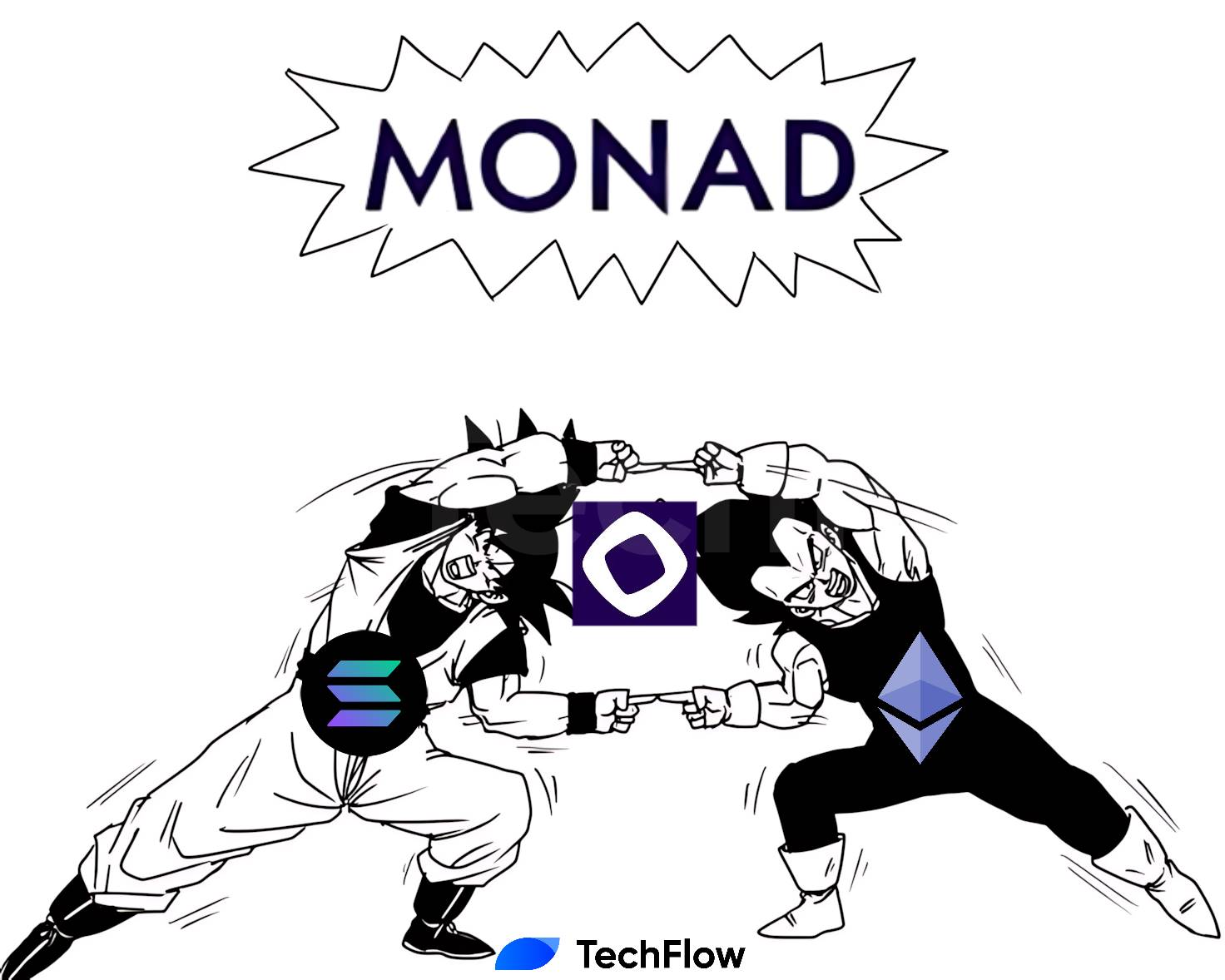
Can Monad Spark an "EVM Spring" by Injecting Solana's DNA into EVM?
TechFlow Selected TechFlow Selected
Can Monad Spark an "EVM Spring" by Injecting Solana's DNA into EVM?
The emergence of Monad has injected a strong stimulus into the EVM ecosystem.
 Navigating Web3 tides with focused insights
Author: TechFlow
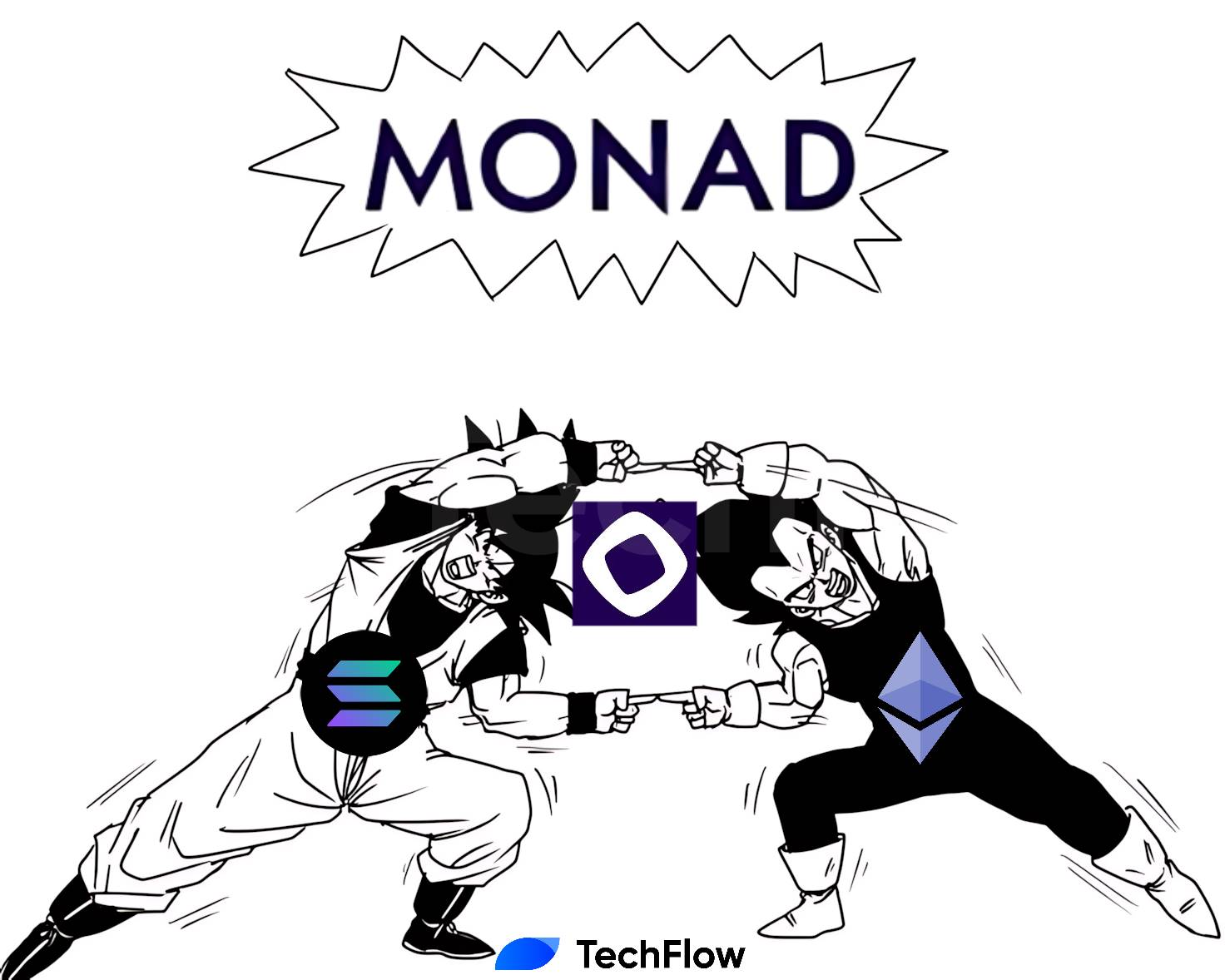
Introduction: When Solana's DNA Meets EVM
In 2023, Solana made a remarkable comeback to the center of the crypto stage. From AI infrastructure to SocialFi applications, from meme mania to high-frequency trading protocols, Solana’s innovation and wealth effects have captured industry-wide attention. On the other hand, Ethereum’s developers and community have been caught in a subtle rift—debates over team structure, bottlenecks in EVM performance, and slow development efficiency have left many uncertain about Ethereum’s future.
Monad, one of the most talked-about blockchains recently, is widely known for its "parallel execution" feature. But beyond parallel execution and Monad DB, Monad also claims to be the “fastest EVM”.
Monad does not simply copy Ethereum’s code. It maintains compatibility with the EVM ecosystem while inheriting Solana’s high throughput and low-latency genes. Founded by former core members of Jump Trading, it has drawn support from prominent Solana projects such as Phantom, Pyth, and Backpack.
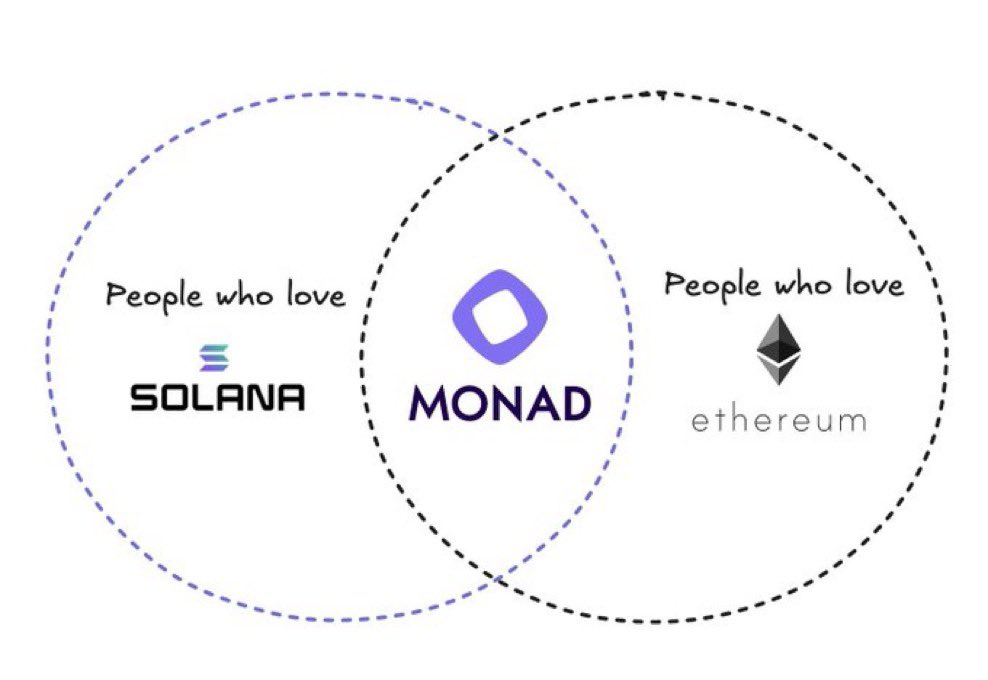
Monad’s ambition is to allow EVM developers to achieve peak performance without compromise, enabling Solana’s capital and innovations to take root within the EVM ecosystem. As the testnet approaches, can Monad emerge as the next dark horse among public blockchains? Let’s find out.
The Survival Rules of Public Blockchains: Performance, Ecosystem, and Wealth Effect
Success looks similar; failure takes many forms.
According to incomplete statistics, at least 10 blockchain-level projects will launch tokens or roll out testnets in Q1. In such a fiercely competitive landscape, how can a blockchain survive and build a thriving ecosystem?
1. Product-driven, not narrative-driven.
Hyperliquid’s success proves this point—its Layer 1 architecture, designed specifically for financial markets, directly meets the needs of high-frequency traders with 200,000 TPS and sub-second latency. A blockchain must solve real problems instead of relying on empty marketing slogans.
True product orientation requires solid technical foundations. Simple forking is insufficient for a blockchain to stand out or maintain long-term competitiveness. Blindly chasing “institutional-grade products” while neglecting performance optimization and user needs will ultimately lead to market elimination.
2. Developers are the lifeblood of an ecosystem
Base established deep connections with developers before mainnet launch through various educational programs, incentives, and office hours.
Solana turned AI and SocialFi into new ecosystem labels through hackathons and funding support. A blockchain’s development roadmap must closely follow market trends rather than being developed in isolation.
Events like Solana’s hackathons and Sui’s Pitch Day strongly support developers and inject fresh energy into their ecosystems, highlighting the critical role of developers.
3. Wealth effect is hard currency
We must admit that in the blockchain space, operations are just as crucial as technology. Looking back at Movement/Berachain and others, strong operational strategies successfully attracted widespread attention.
Recent phenomena such as Solana’s meme/AI coin frenzy (e.g., BOME, WIF), Virtuals’ on-chain gaming tokenomics, and even $DEGEN on Base all demonstrate that wealth effects are a core driver for user attraction. The recent surge on BNB Chain further proves this. A single "$TST" or MyShell token sale was enough to ignite user excitement.
A blockchain without a “wealth creation story” will inevitably struggle to break into the mainstream.
Only when performance advantages rooted in technological innovation, strong developer support, and asset-driven wealth effects work together can an ecosystem achieve sustainable, healthy growth.
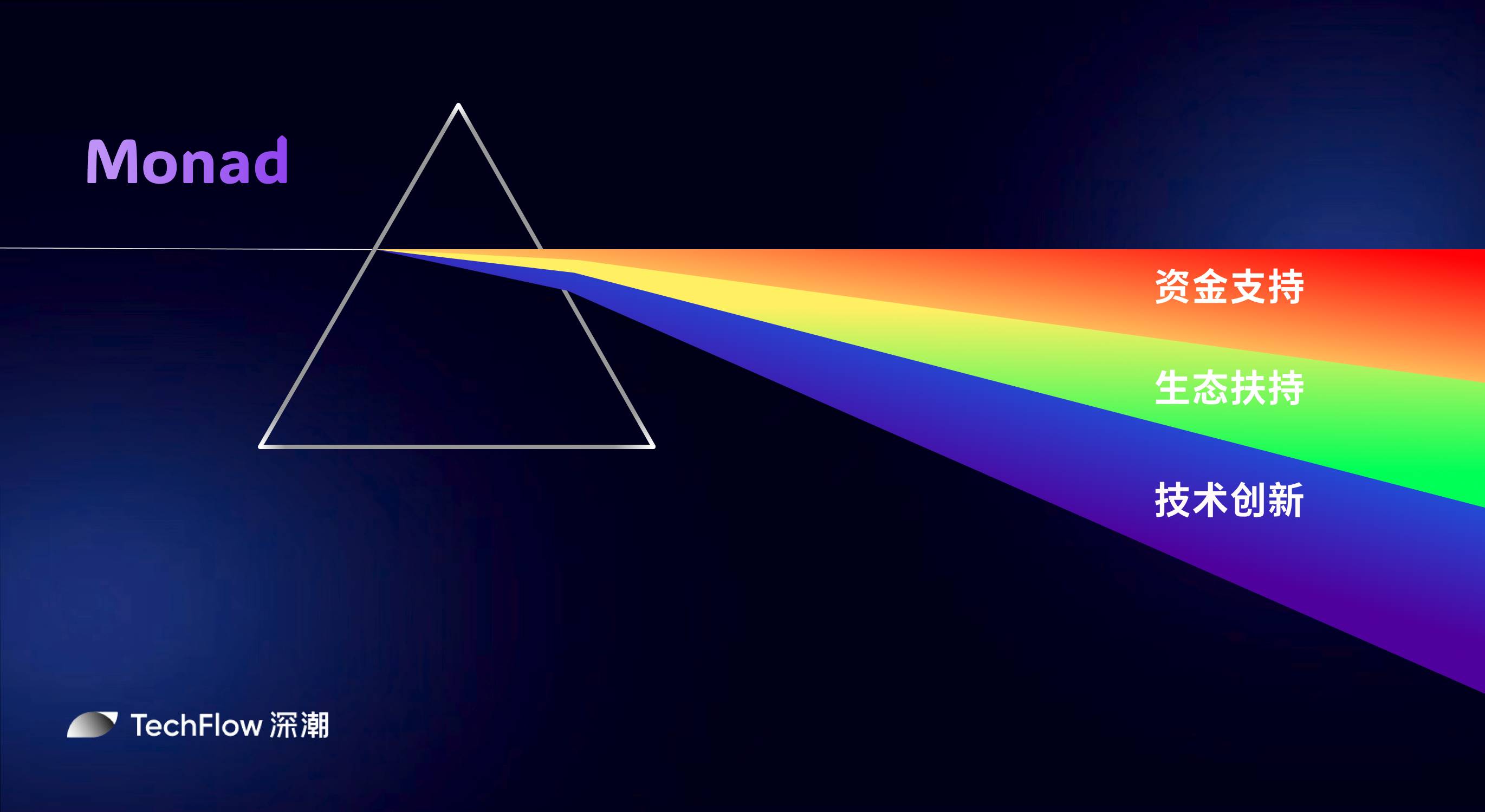
Bullish on Monad: Why It Could Be the Next Game-Changer?
1. Technological Innovation: When EVM Meets High-Frequency Trading Engine
Monad is not a fork. To give EVM superior performance, Monad has introduced four key native innovations to overcome limitations of existing Ethereum-compatible blockchains:
-
MonadDB: A custom state database optimized for EVM storage patterns. Unlike traditional databases, MonadDB stores Merkle Patricia Trie structures directly on disk, reducing overhead and enabling efficient parallel state access.
-
Parallel Execution: Monad executes multiple transactions simultaneously, assuming consistent initial states, thereby increasing throughput. Final consistency is ensured by re-executing transactions with conflicting inputs.
-
Asynchronous Execution: By decoupling consensus from execution, Monad dedicates the entire block time to transaction processing instead of interleaving it with consensus, significantly boosting network compute bandwidth.
-
Monad BFT: A Byzantine fault-tolerant consensus mechanism based on HotStuff, reducing communication rounds from three to two and advancing epochs based on actual network latency, improving performance. This consensus mechanism runs efficiently on moderate hardware, allowing anyone to easily operate a node.
More details: https://docs.monad.xyz/
These innovations enable Monad to deliver exceptional performance while maintaining full EVM compatibility, allowing developers to migrate applications seamlessly without modifications. This not only breaks through EVM performance bottlenecks but also strongly supports developer and ecosystem innovation, attracting more builders and forming a solid foundation for ecosystem growth.
2. Ecosystem Support: Builder-Centric with Infinite Room for Innovation
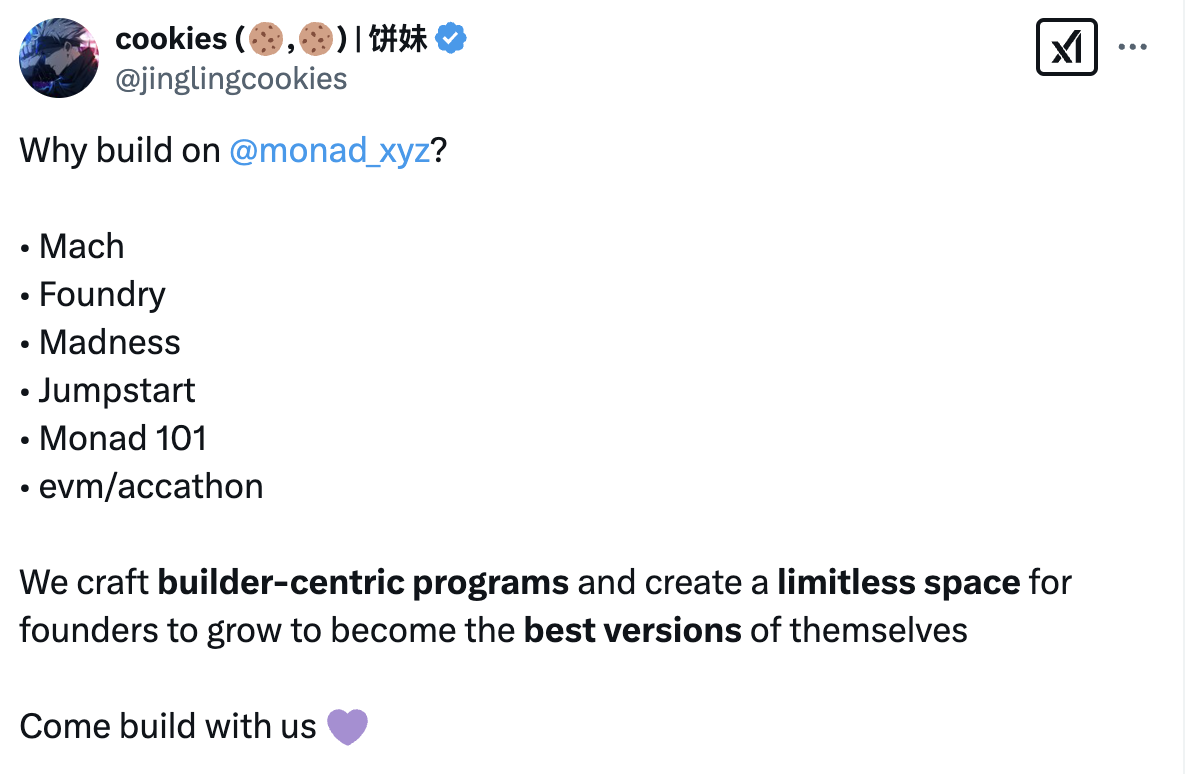
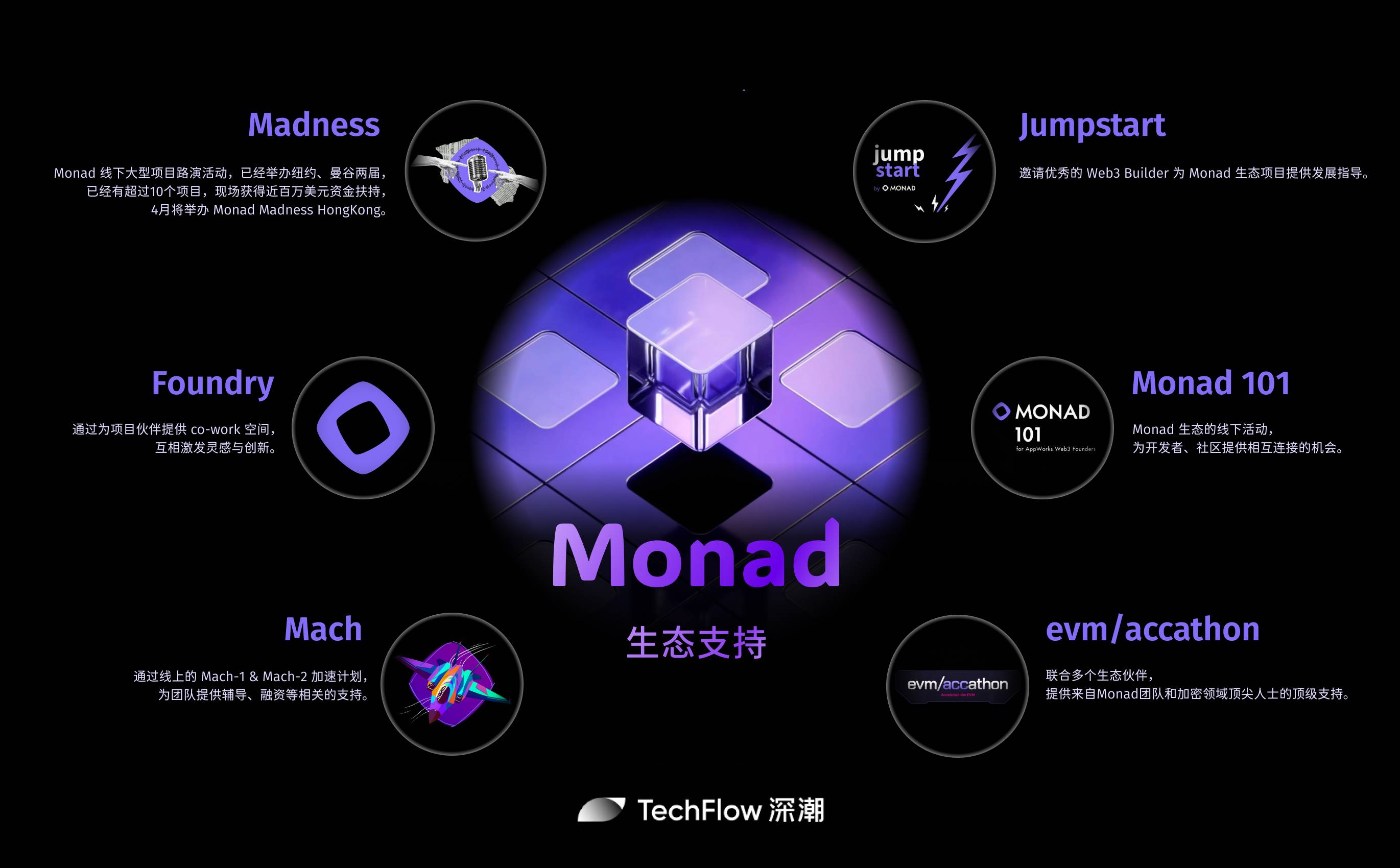
Mach, Foundry, Madness, Jumpstart, Monad 101, evm/accathon... As a new blockchain, Monad offers the most diverse range of support programs for developers and projects.
-
Mach: Online acceleration programs Mach-1 and Mach-2 providing teams with mentorship, fundraising support, and more.
-
Foundry: Offers co-working spaces for project partners to inspire creativity and innovation together.
-
Madness: Monad’s major offline project pitching event. Two editions have already taken place in New York and Bangkok, with over 10 projects receiving nearly $1 million in funding on-site. Monad Madness Hong Kong is scheduled for April.
-
Jumpstart: Invites top Web3 builders to provide strategic guidance for Monad ecosystem projects.
-
Monad 101: Offline events connecting developers and communities within the Monad ecosystem.
-
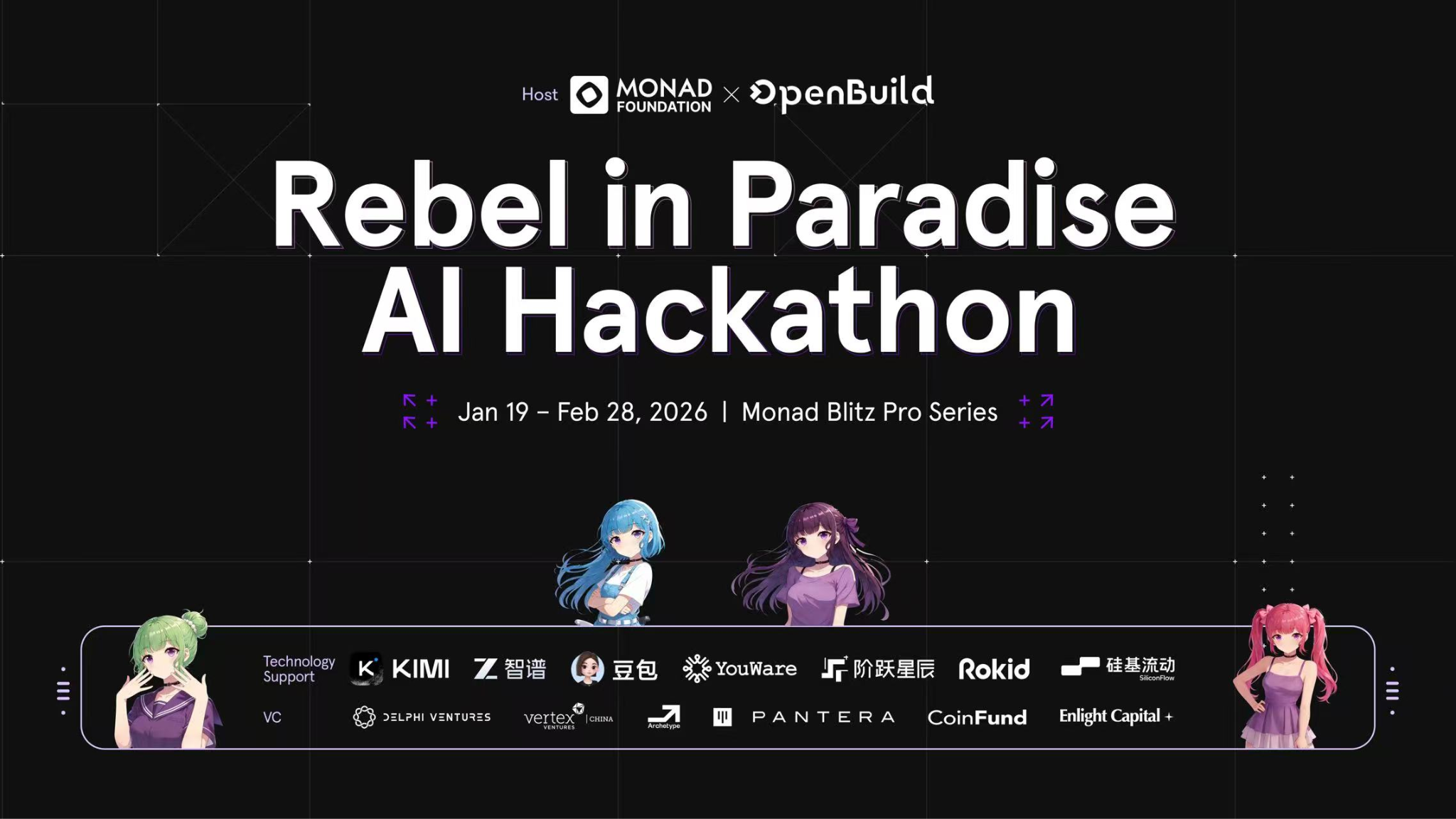
evm/accathon: Collaborates with multiple ecosystem partners to offer top-tier support from the Monad team and leading figures in crypto.
Through diverse ecosystem initiatives and community building, Monad provides comprehensive empowerment to developers. Clearly, Monad is not rushing to launch but is focused on nurturing its ecosystem, fostering innovation, especially supporting native projects—an embodiment of its long-term vision.
The Monad ecosystem has already seen the emergence of several flagship projects, including:
The innovative CLOB protocol Kuru;
The MEV & LSD protocol aPriori, which raised tens of millions;
Nad.fun, a gamified launchpad where token launches feel like team-based quests;
Mozi Wallet, lowering the Web3 entry barrier via Telegram integration and gamified yield management;
Narrative, enabling leveraged trading of “narratives”;
......
While these projects may not surpass Solana’s leading apps in the short term, they are building a unique ecosystem identity and culture of innovation for Monad.
3. Funding Logic: Solana’s DNA and Capital Backing
Monad’s founding team comes from Jump Trading, a high-frequency trading giant that played a pivotal early role in Solana. This background gives Monad two core advantages:
-
Technical expertise: From parallel execution to pipeline optimization, Monad’s architectural design clearly reflects HFT principles;
-
Capital network: Backpack and Phantom wallets have publicly announced immediate support for Monad, and the Pyth oracle will prioritize integration with Monad… These “old friends” from the Solana ecosystem are paving a golden path for Monad.
Additionally, Monad’s $225 million funding round (from top-tier institutions like Paradigm and Dragonfly) provides ample resources for ecosystem development. Much like Multicoin nurtured Solana’s ecosystem, Monad’s capital is following a similar playbook.
At the Crossroads of EVM and Solana: Rekindling the Spring of EVM
Injecting Solana-level performance into EVM is more than just a narrative.
Solana stands for high performance; EVM stands for broad developer accessibility.
More importantly, Monad is not a fork—it’s a natively redesigned EVM architecture, giving EVM the performance needed to compete head-on with Solana for the first time.
It is neither a replacement for Ethereum nor a clone of Solana, but a “new species” attempting to bridge the gap between two great ecosystems.
For developers, Monad offers uncompromised performance upgrades;
For capital, it represents the extension of Solana’s DNA into the EVM ecosystem;
For users, it opens a low-barrier, highly interactive gateway to on-chain life.
Challenges remain: How to balance decentralization with high performance? How to avoid criticism of becoming just another “capital game”? How to establish unique advantages amid competition with Solana and Hyperliquid?
Can Monad revive the golden age of EVM?
Monad’s emergence delivers a powerful shot in the arm for the EVM ecosystem. When the fastest EVM meets Solana’s capital and innovation, this experiment might just redefine the rules of blockchain competition.
Join TechFlow official community to stay tuned
Telegram:https://t.me/TechFlowDaily
X (Twitter):https://x.com/TechFlowPost
X (Twitter) EN:https://x.com/BlockFlow_News
 深潮TechFlow