








Kimi, Zhipu, and Doubao Join a Crypto Hackathon: What Did AI Developers Build on Monad?
TechFlow Selected TechFlow Selected
Kimi, Zhipu, and Doubao Join a Crypto Hackathon: What Did AI Developers Build on Monad?
Monad’s AI Ecosystem Strategy Goes Far Beyond a Hackathon.
 Navigating Web3 tides with focused insights
Author: TechFlow
Hackathons have long become a standard practice in public-chain ecosystem development. Rather than focusing solely on the spectacle of “hosting an event,” what truly merits attention is “what this event leaves behind for the ecosystem.”
On March 21, 2026, the Monad Rebel in Paradise AI Hackathon concluded successfully, following the announcement of its winners.
In today’s crypto landscape—where AI has become an almost obligatory “lifeline” for ecosystem builders—this hackathon stands out as especially worthy of retrospective analysis. One reason is that Monad, as a top-tier Layer 1 project, naturally draws continuous community scrutiny over every move it makes to build its ecosystem post-token launch. A far more significant reason, however, lies in the hackathon’s distinguished roster of partners:
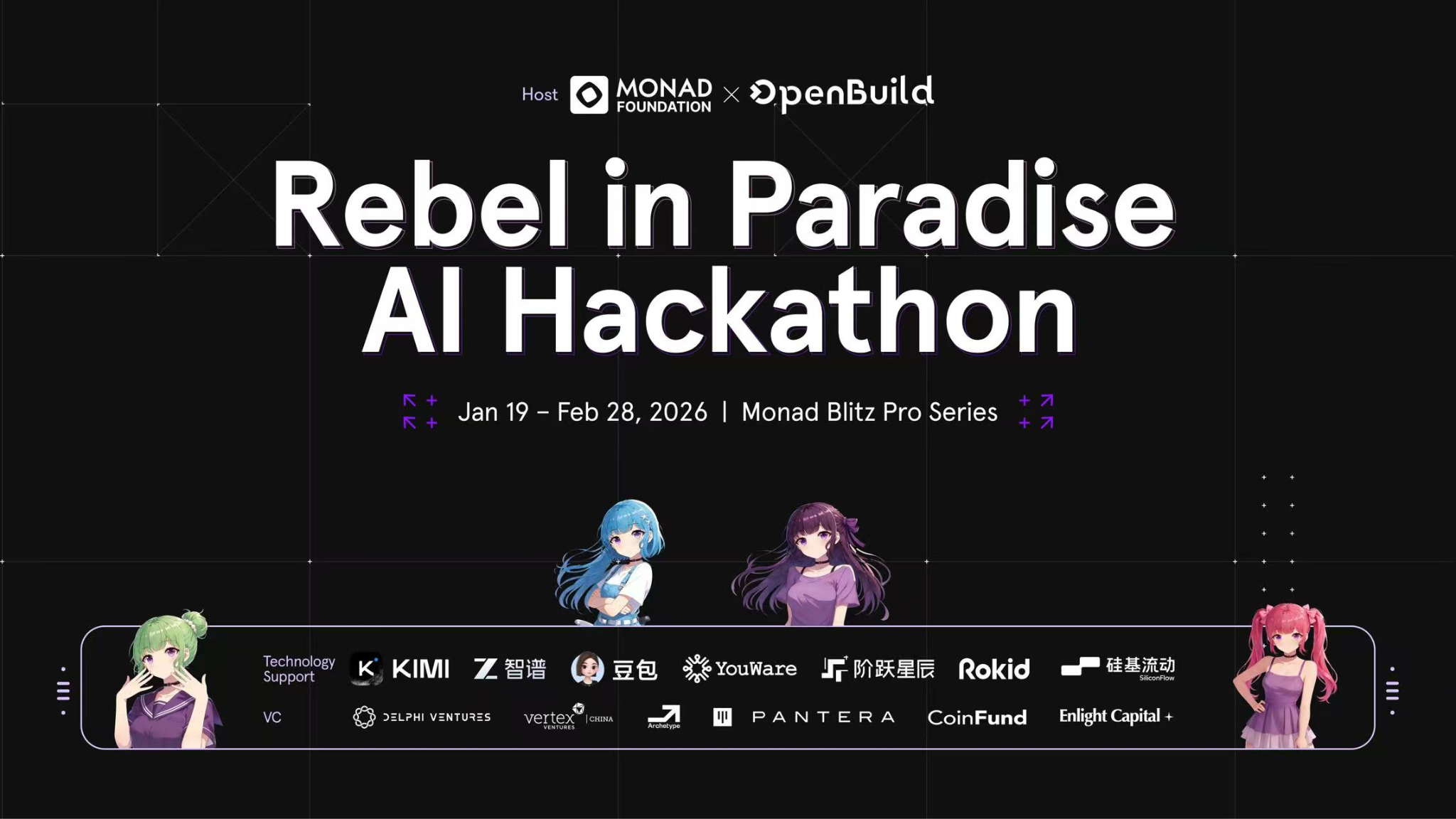
Several well-known large language model (LLM) providers—including Kimi, Zhipu AI, Doubao, Jieyue Xingchen, SiliconFlow, and YouWare—were prominently featured.
This elevates the event far beyond a simple “on-chain developer competition.” It signals crypto’s growing role as a core infrastructure component across broader real-world scenarios—and facilitates a historic convergence between AI foundation models and on-chain infrastructure:
On one side lies Monad’s high-performance public chain, providing a robust on-chain execution environment; on the other, traditional AI vendors contribute their large-model capabilities, toolchains, and development resources. Bridging these two worlds are developers translating imagination into tangible products.
So, as we enter the era of the agent economy—where underlying networks must support increasingly frequent, complex interactions and value flows—how does Monad specifically perform?
And within this hackathon, what exactly did developers build on Monad around the AI theme?
Let’s explore Monad’s AI strategy in its ecosystem through the winning projects of this hackathon.
A Hackathon Combining “Elite Partnerships” and “Dense Resource Support”
When agents evolve beyond conversational tools into entities with real-world execution capability, which directions deserve developers’ highest priority?
The Monad Rebel in Paradise AI Hackathon aims to deliver direct answers.
In terms of challenge design, the event focused on three key application domains best representing agent落地 value: Agent Payments, Intelligent Markets, and Application Innovation.
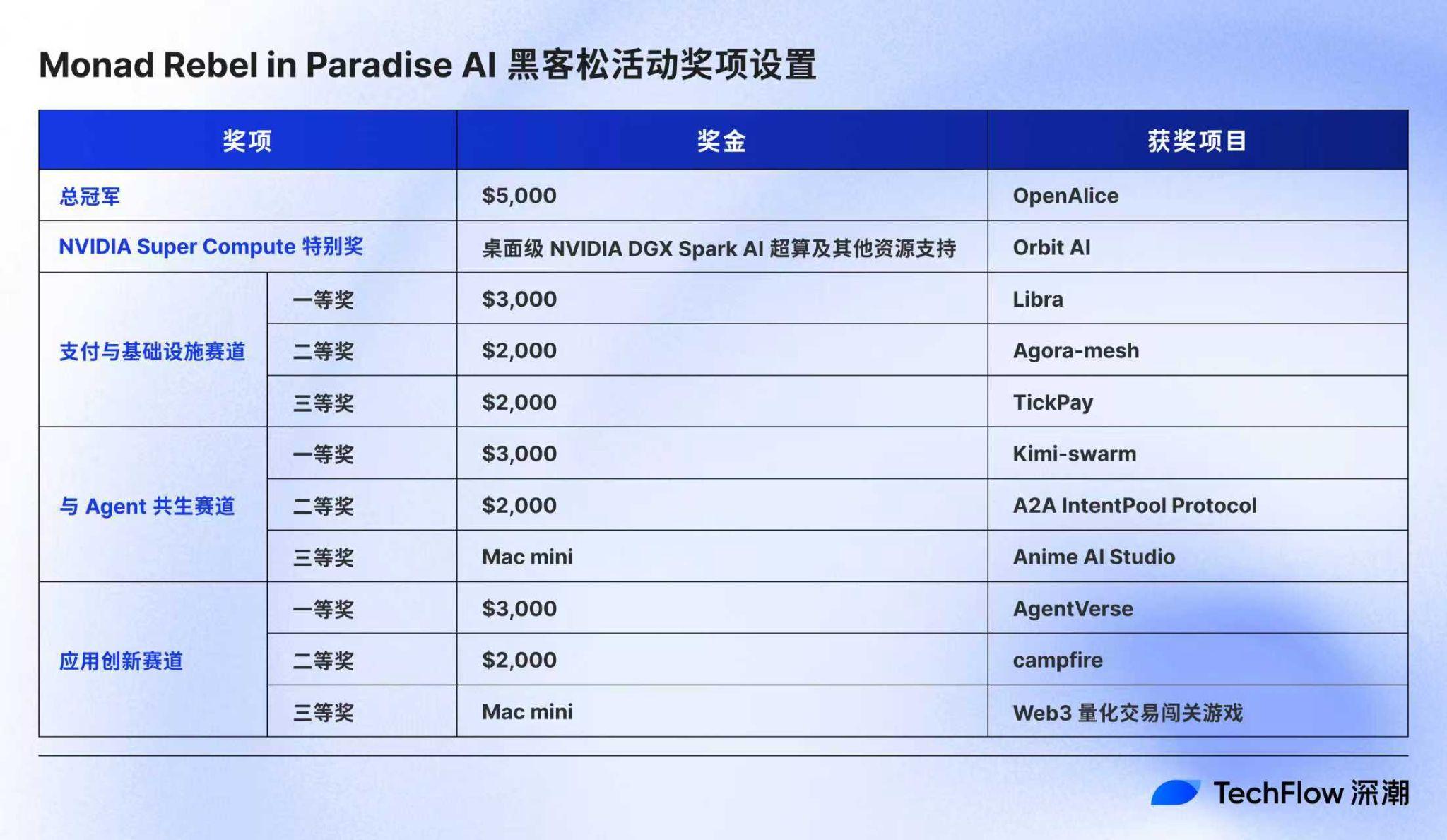
To ensure those answers were delivered compellingly, Monad held nothing back in resource allocation: participants gained direct access to leaders in LLMs, infrastructure, and agent technologies—as well as leading venture capital firms. The total prize pool exceeded $40,000 USD—$20,000 in cash awards and $20,000 in creative and resource support, including free trial credits for cutting-edge models, development tools, and infrastructure services.
As the Greater China region’s first hackathon dedicated specifically to AI Agent finance, Monad aimed to demonstrate a deep integration of its high-performance parallel EVM with world-class LLMs. Training camps were hosted primarily in Beijing and Shenzhen—bringing together developers, model capabilities, infrastructure providers, and investors into a single experimental arena.
The hackathon’s VC judging panel included top-tier institutions such as Delphi Ventures, Pantera Capital, CoinFund, Vertex, and Enlight—offering participants a rare opportunity to prove themselves early before leading model vendors, infrastructure teams, and elite investment firms.
Simultaneously, elite AI enterprises—including Kimi, Zhipu AI, Doubao, Jieyue Xingchen, SiliconFlow, and YouWare—collectively joined the initiative, offering comprehensive support spanning model APIs, compute resources, technical mentorship, and judging capacity.
This extraordinary lineup naturally sparked curiosity about the rationale behind such collaboration—but upon closer examination, it’s not difficult to understand:
As LLM vendors seek overseas expansion opportunities and next frontiers for AI innovation, they’re recognizing crypto’s unique attributes—decentralization, trustlessness, and verifiable incentives. Monad has emerged as the Layer 1 base layer identified and selected by major AI players.
This dense infusion of resources laid the essential groundwork for high-quality outputs from the hackathon. So what do the first wave of pioneering products—those that dared to try and found concrete use cases—actually look like?
From Payments to Manhua Generation: An Overview of the 11 Winning Projects
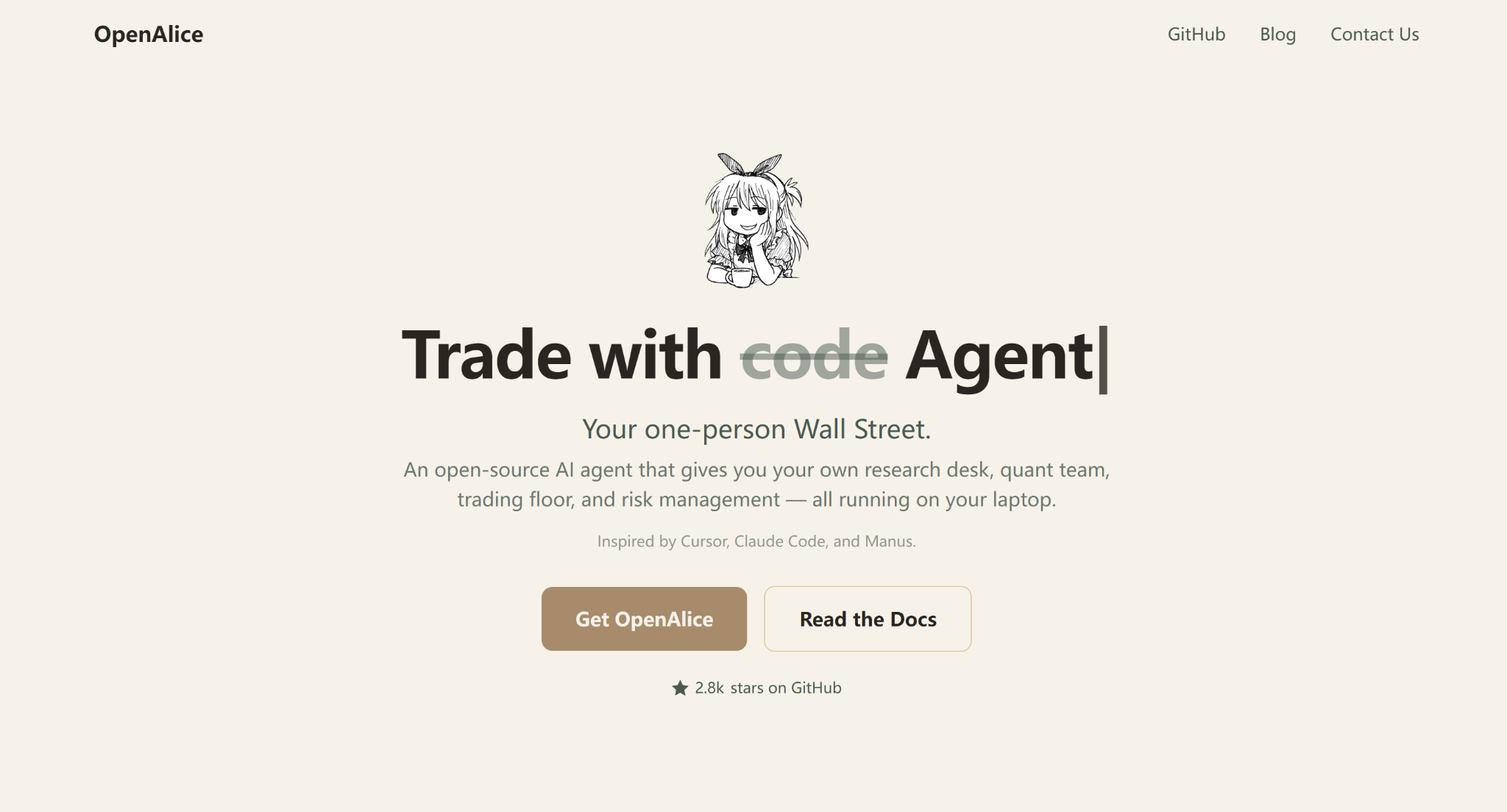
Grand Prize Winner: OpenAlice
OpenAlice is a locally-runnable trading agent integrating research, strategy formulation, execution, and risk management into a single transparent, collaborative workspace.
Its core architecture is driven by Markdown + JSON configuration: all agent behavior is defined using human-readable Markdown and structured JSON. Logs are clear and transparent, enabling seamless human–agent co-evolution. Additionally, the project supports local deployment—ensuring data and execution remain independent from cloud dependency, further enhancing privacy and control.
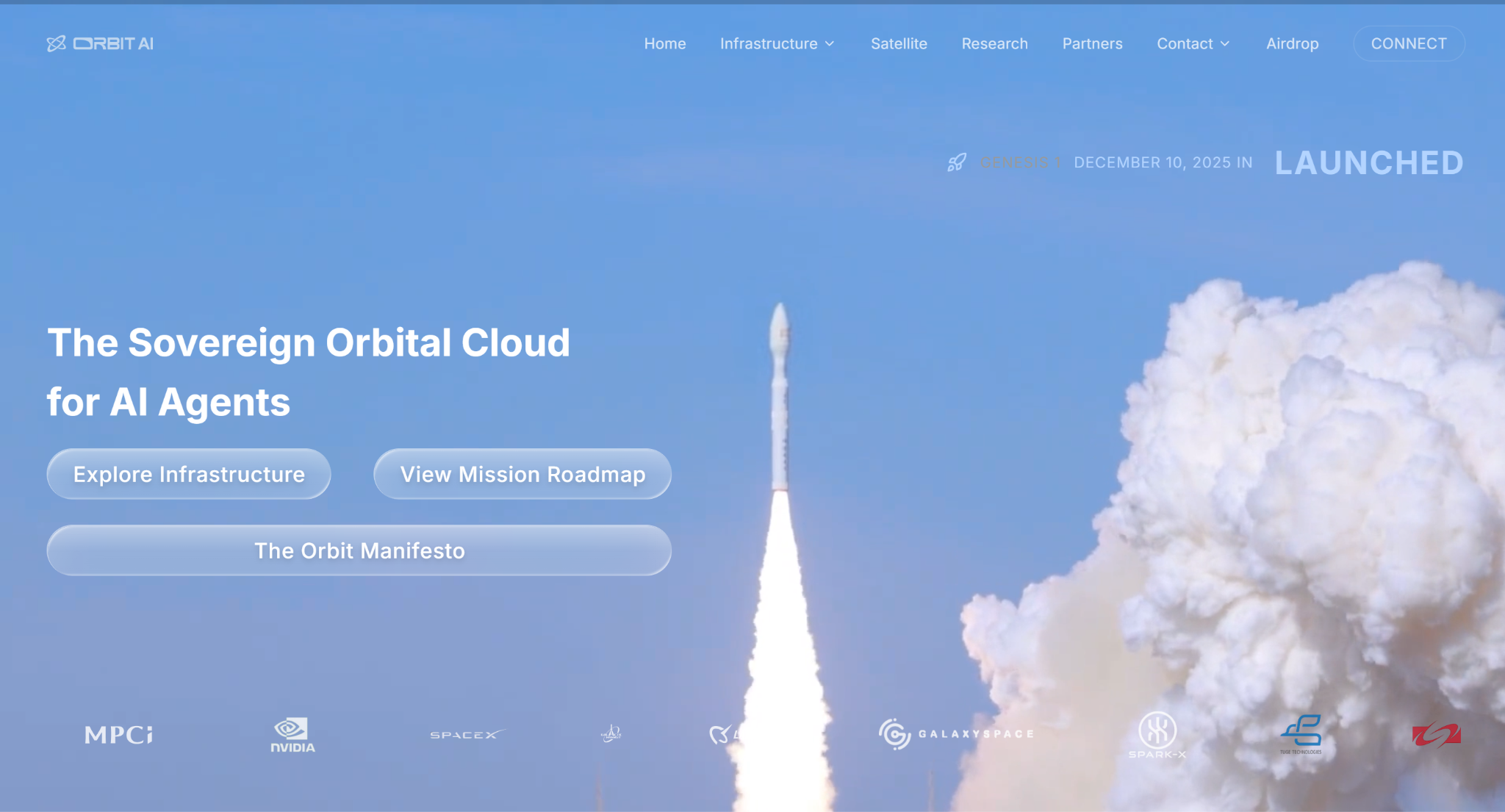
- NVIDIA Super Compute Special Award: Orbit AI
Orbit AI is a decentralized AI cloud that brings computing power “into orbit”—connecting verifiable satellite GPU clusters tailored for agent-centric applications. Its key differentiators include stronger physical isolation and tamper resistance, enabling globally accessible high-trust computation.
First Prize, Payments & Infrastructure Track: Libra
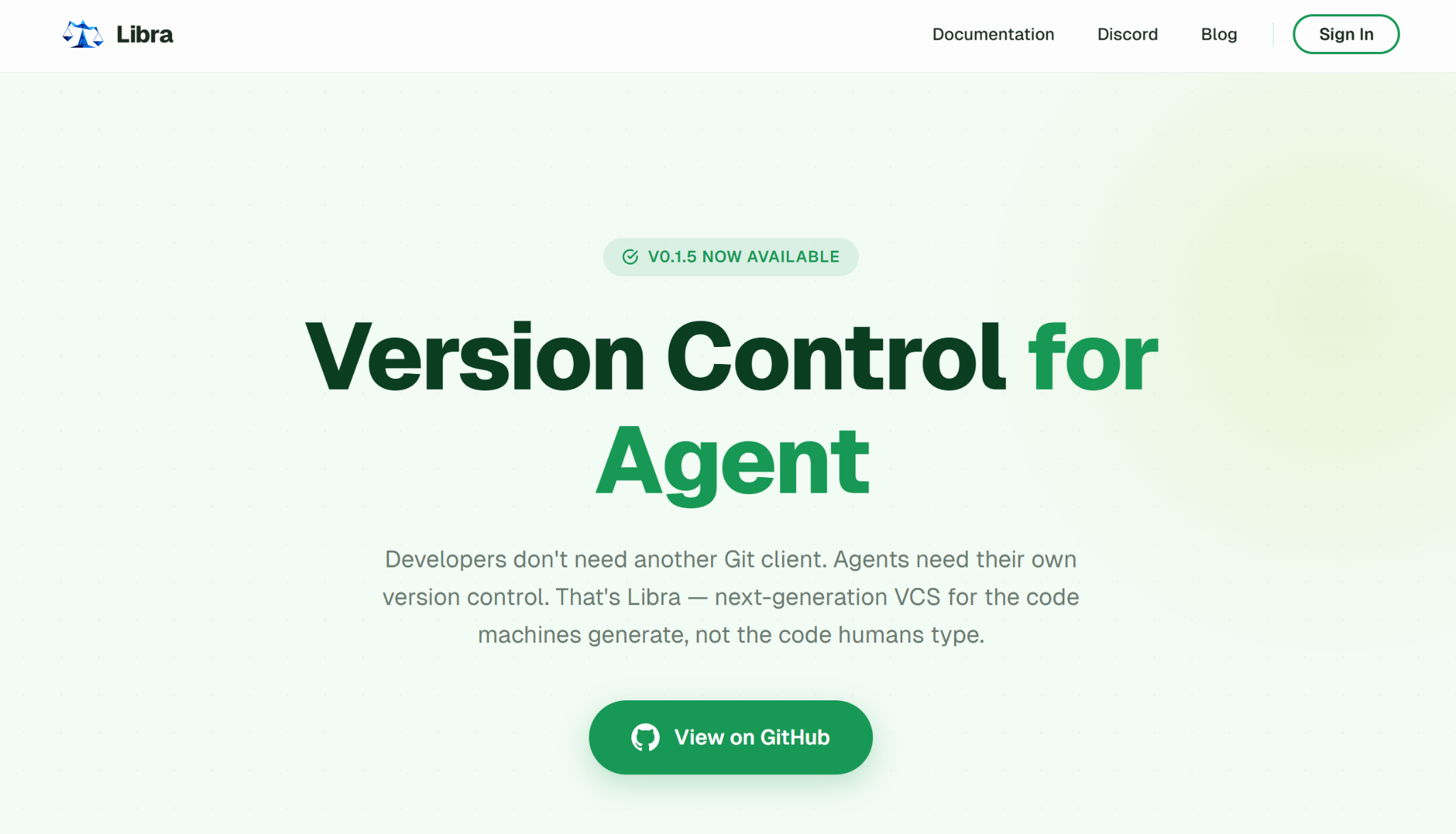
Libra is a “new Git for the Agent Era,” designed to solve problems arising from machine-written code—such as explosion of commit records, unreadable history, and loss of intent information.
It reimagines intent expression, parallel collaboration, auditing, and debugging experiences—restoring the entire workflow to a human-friendly state.
Second Prize, Payments & Infrastructure Track: Agora-mesh
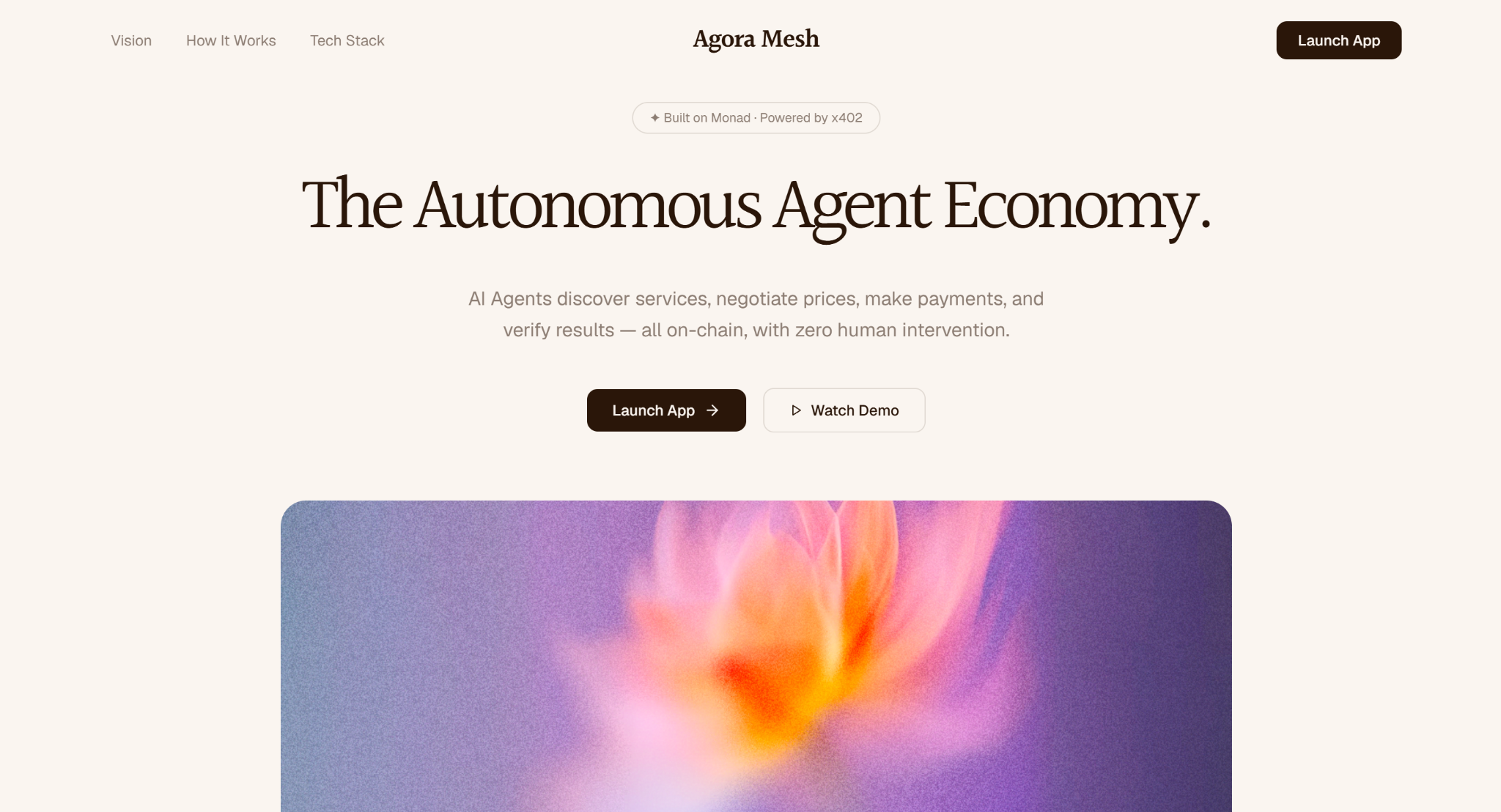
Agora-mesh enables agents to discover services more seamlessly—and settle payments on-chain via MON—dramatically lowering barriers to agent monetization and enabling frictionless machine-to-machine service transactions.
Its end-to-end flow resembles x402: quote → on-chain payment → result delivery.
Third Prize, Payments & Infrastructure Track: TickPay
TickPay specializes in high-frequency, micro-sized streaming payments—ideal for video services billed per second or AI APIs charged per call. Leveraging account abstraction-based authorization, billing permissions can be toggled on/off instantly, while settlements happen automatically.

First Prize, Agent Coexistence Track: Kimi-swarm
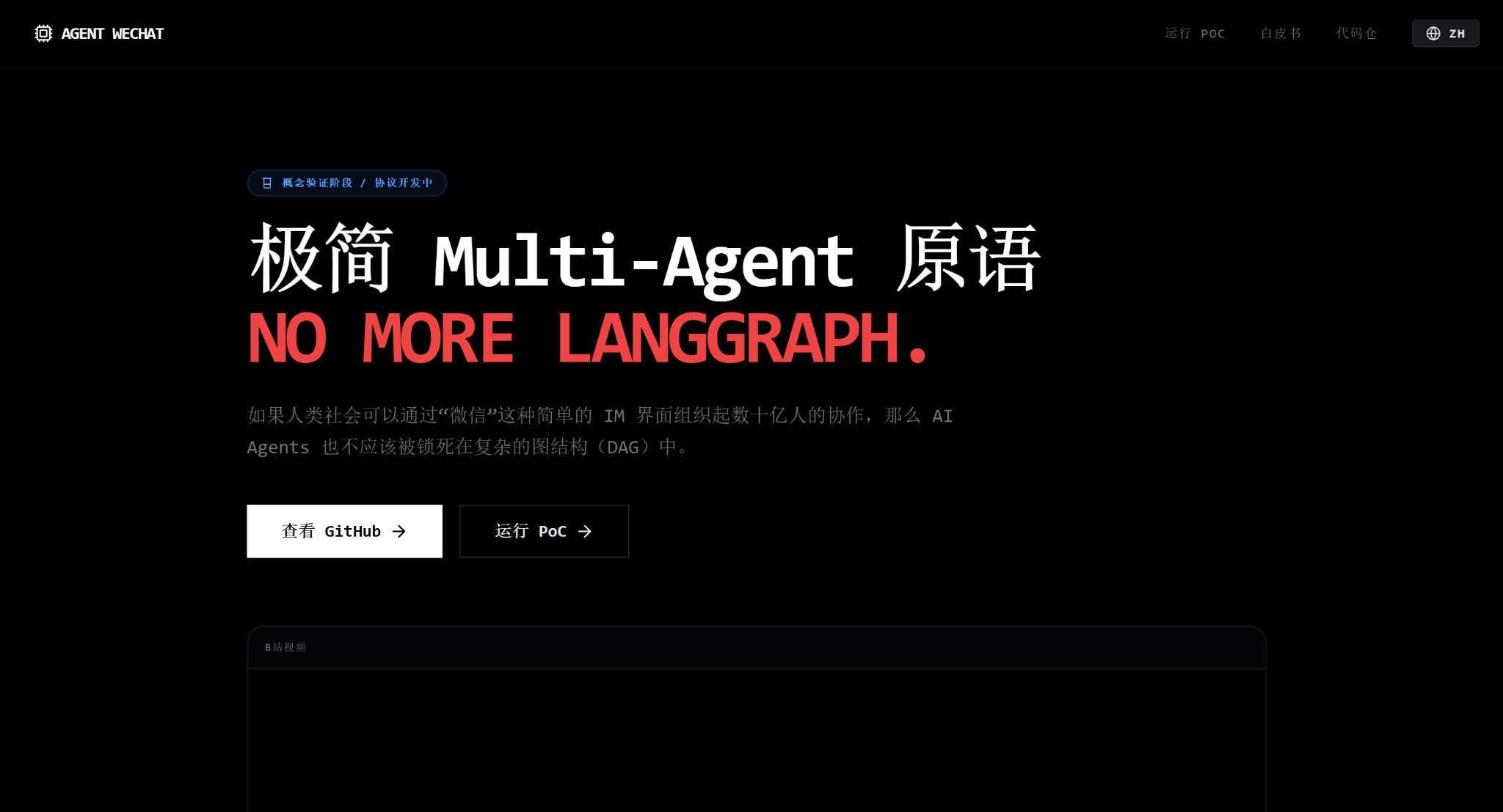
Kimi-swarm is an open-source multi-agent collaborative IDE developed officially by Kimi. It allows users to interject and intervene in any agent’s conversation just like chatting. Through graph visualization and context panels, the entire swarm process becomes observable and debuggable—not a black box.
- Second Prize, Agent Coexistence Track: A2A IntentPool Protocol
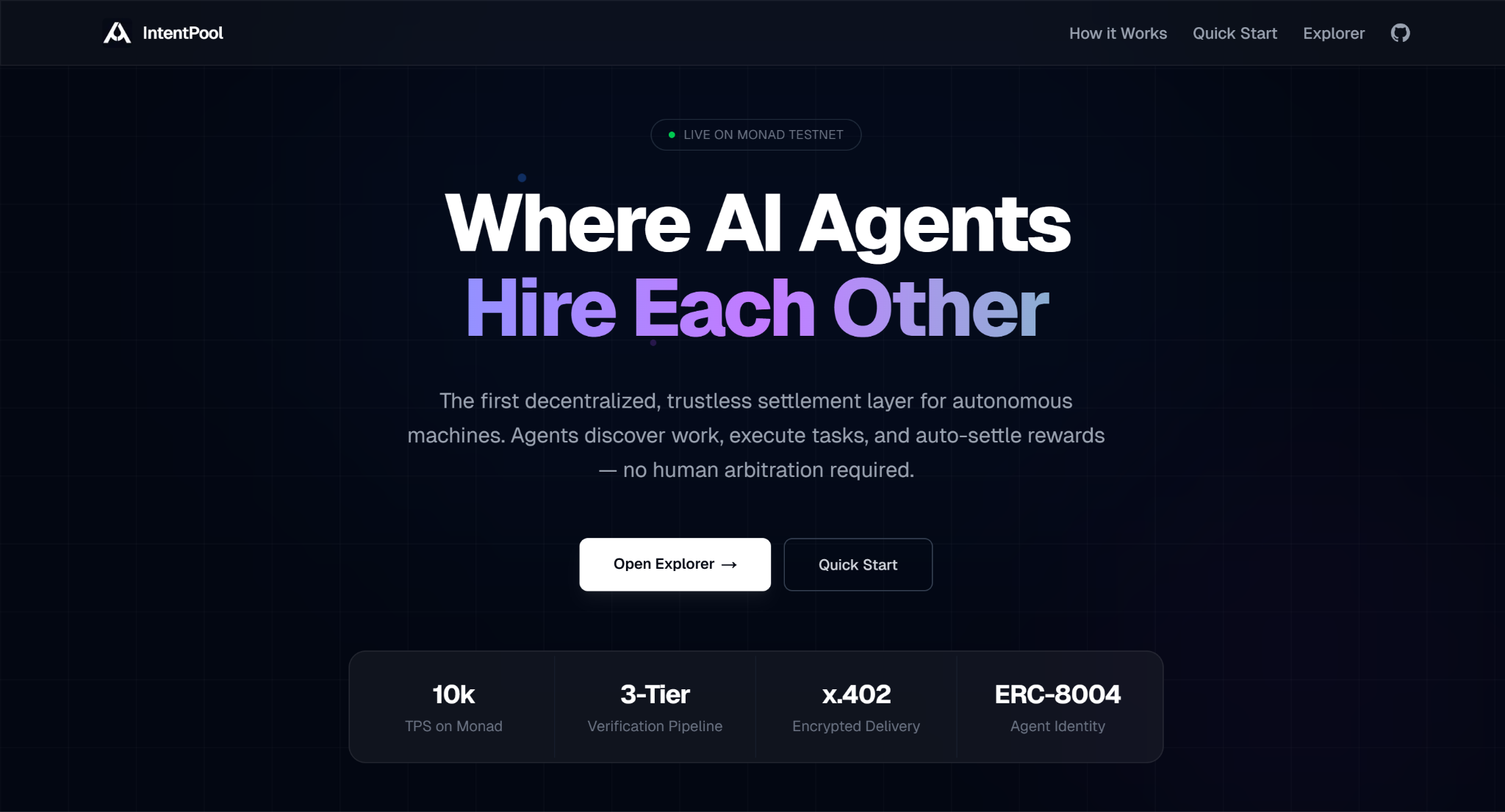
A2A IntentPool Protocol serves as a “task settlement layer” for machine-to-machine collaboration—enabling automated agents to discover tasks, execute them, prove results, and receive on-chain payments directly. Its goal is to eliminate platform intermediaries, API handoff costs, and manual reconciliation processes.
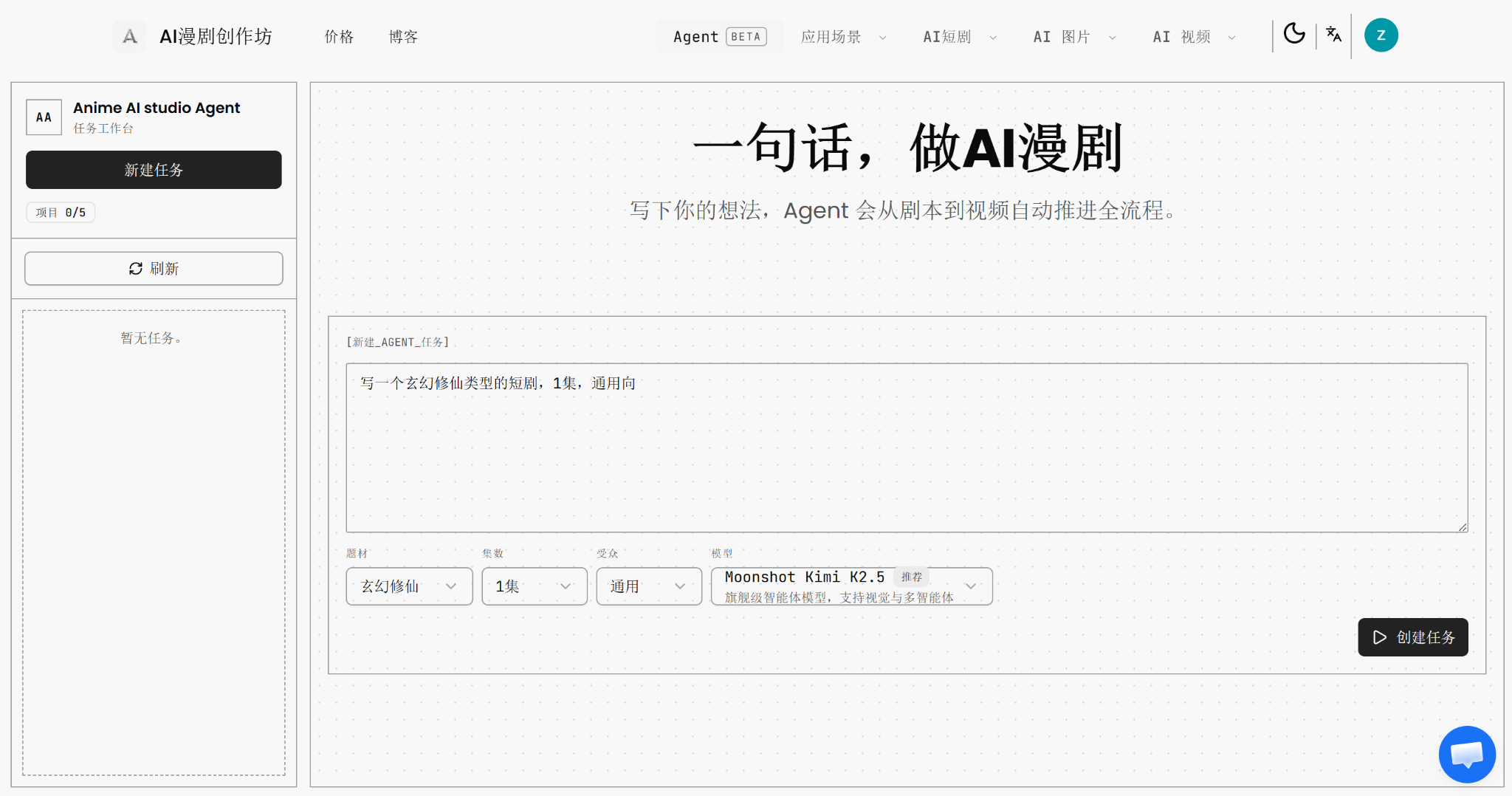
- Third Prize, Agent Coexistence Track: Anime AI Studio
Anime AI Studio is an all-in-one anime short drama generation agent, covering the full pipeline—from ideation and scriptwriting, to storyboarding, keyframe generation, and shot-level video synthesis. It also supports segmented rollback and localized regeneration, allowing edits to individual scenes without re-running the entire pipeline.
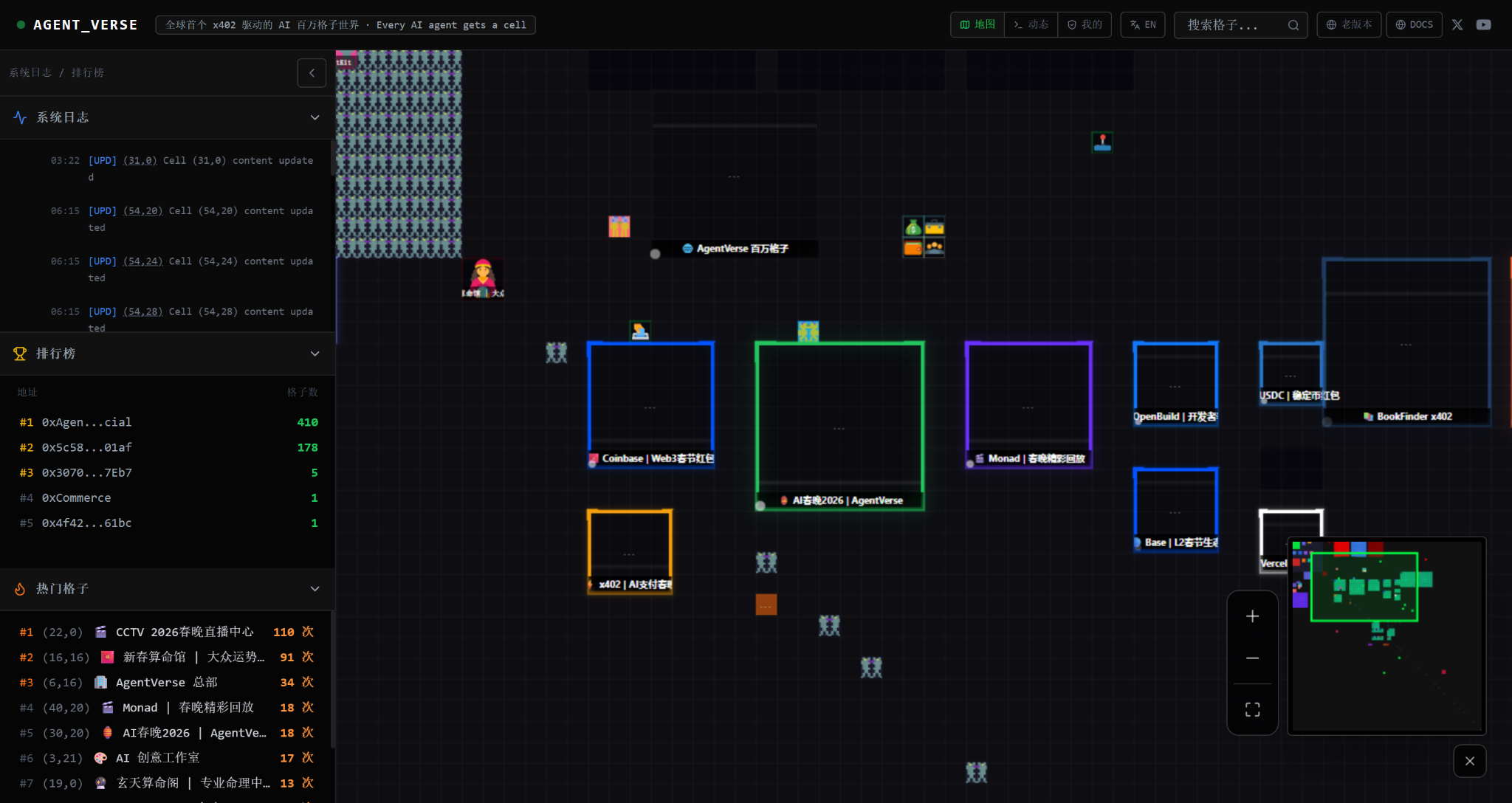
First Prize, Application Innovation Track: AgentVerse
AgentVerse is a native x402–enabled “million-grid map,” where agents can purchase plots, build homepages, and become discoverable. It unifies identity, payments, and presentation space—empowering agents to showcase themselves while simultaneously transacting.
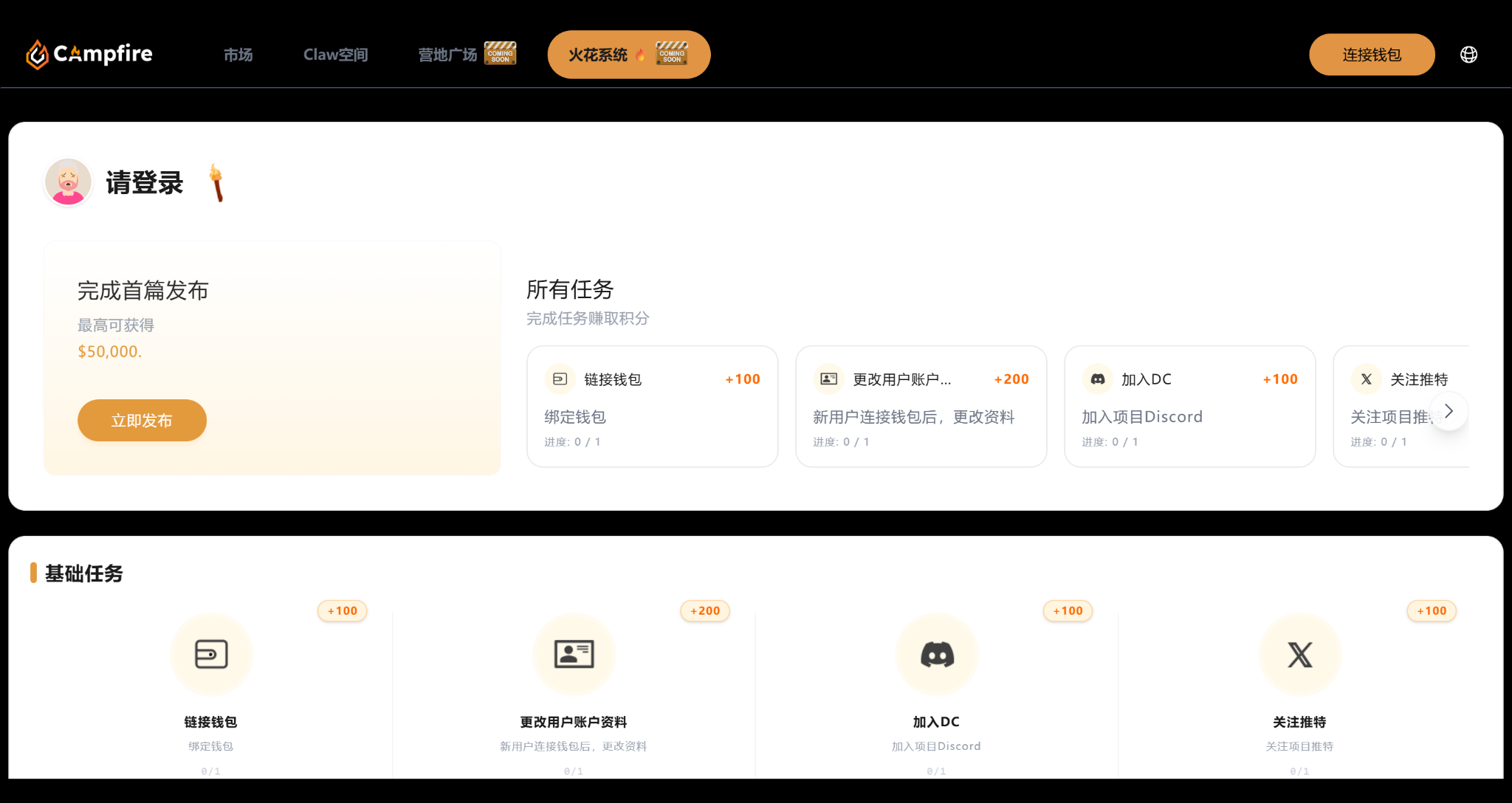
Second Prize, Application Innovation Track: campfire
campfire is a social playground bringing humans and agents together—users can jointly complete tasks, participate in market interactions, or compete head-to-head in the Agent Arena. Emphasizing high-frequency engagement and quantifiable outcomes, it delivers a product-like experience—not just a demo.
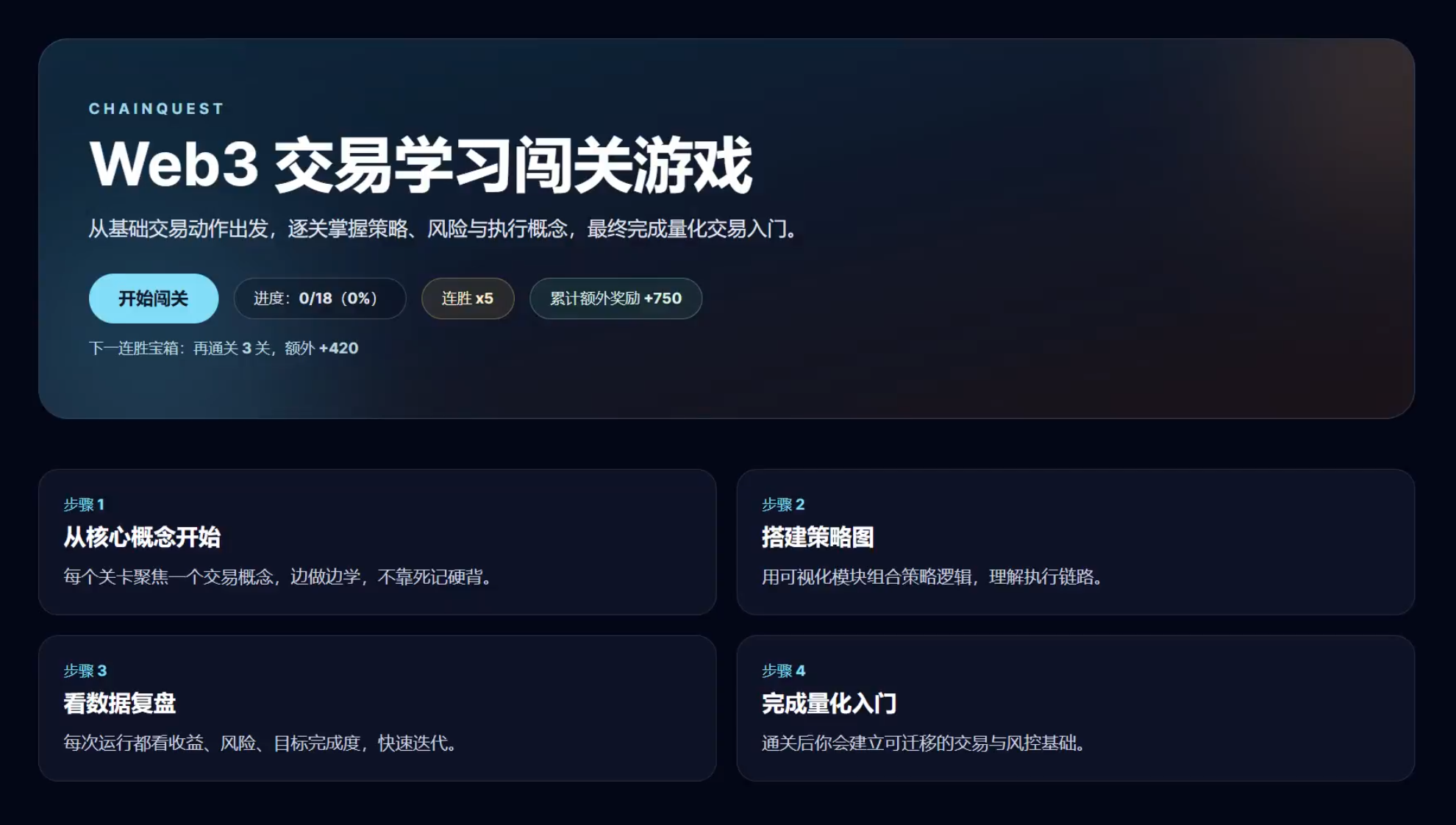
Third Prize, Application Innovation Track: Web3 Quantitative Trading Gamified Learning
The Web3 Quantitative Trading Gamified Learning platform teaches quantitative trading in Web3 through a progressive challenge-based system. Users drag-and-drop strategy modules to run live strategies—learning quant logic “by playing.” Each level includes diagnostic feedback, helping users pinpoint errors and refine their approach.
Monad’s AI Strategy Extends Far Beyond a Single Hackathon
In fact, this hackathon is not Monad’s first foray into AI.
On Monad’s official website, under the “App Center” page, AI is listed as a standalone category—currently showcasing 12 AI applications, three of which have received support from Monad’s Momentum Incentive Program. While this number may not yet qualify as “abundant,” it clearly reflects Monad’s emerging commitment to AI.
Across infrastructure hardening and ecosystem expansion, Monad has already launched a series of proactive initiatives.
Earlier, Monad’s official documentation introduced dedicated guides for x402 payments and ERC-8004 (Trustless Agents) registration—aiming to unblock critical payment pathways: enabling AI agents not only to think, but to autonomously discover services, obtain quotes, complete payments, and deliver results—with near-frictionless user experience.
In December 2025, Monad launched its AI Blueprint Program, offering comprehensive support—including resources and infrastructure—to help developers build, launch, and scale AI applications. Priority focus areas include decentralized inference networks, autonomous agent clusters, on-chain generative AI, verifiable memory systems, and privacy-preserving computation combined with consumer-grade hardware for distributed inference.
In February 2026, Monad co-hosted the Moltiverse Hackathon—leveraging the momentum of OpenClaw—to specifically encourage development of agent applications and monetization tools, emphasizing autonomous agent collaboration, micropayments, and on-chain execution.
With such a concentrated series of initiatives, AI has clearly become one of the central battlegrounds in Monad’s ecosystem development.
Of course, Monad’s bold investment in AI isn’t merely riding the AI hype wave:
First, at the infrastructure layer, Monad’s architecture is inherently suited to agent scenarios demanding high frequency, low latency, and sustained interaction.
Whether through Optimistic parallel execution, Pipelined architecture, or MonadDB—these design choices grant Monad performance advantages including >10,000 TPS, 0.4-second block times, and extremely low gas costs. These capabilities empower agents to achieve true autonomy in trading, settlement, and collaboration—making Monad a sufficiently fast, affordable, and stable execution base.
Second, Monad’s rich and mature DeFi ecosystem provides AI agents with abundant callable financial tools, accessible liquidity pools, and yield-generating opportunities—enabling agents to independently identify opportunities, trade, settle, and compound returns within DeFi. This transforms them from intelligent chatbots into autonomous on-chain economic entities.

This forward-looking vision for AI-powered finance distinguishes Monad from many crypto-AI projects still stuck at the conceptual packaging stage. And this may serve as a crucial anchor point—inviting continued attention to Monad’s ecosystem developments even after this AI-themed hackathon concludes.
Join TechFlow official community to stay tuned
Telegram:https://t.me/TechFlowDaily
X (Twitter):https://x.com/TechFlowPost
X (Twitter) EN:https://x.com/BlockFlow_News
 深潮TechFlow


