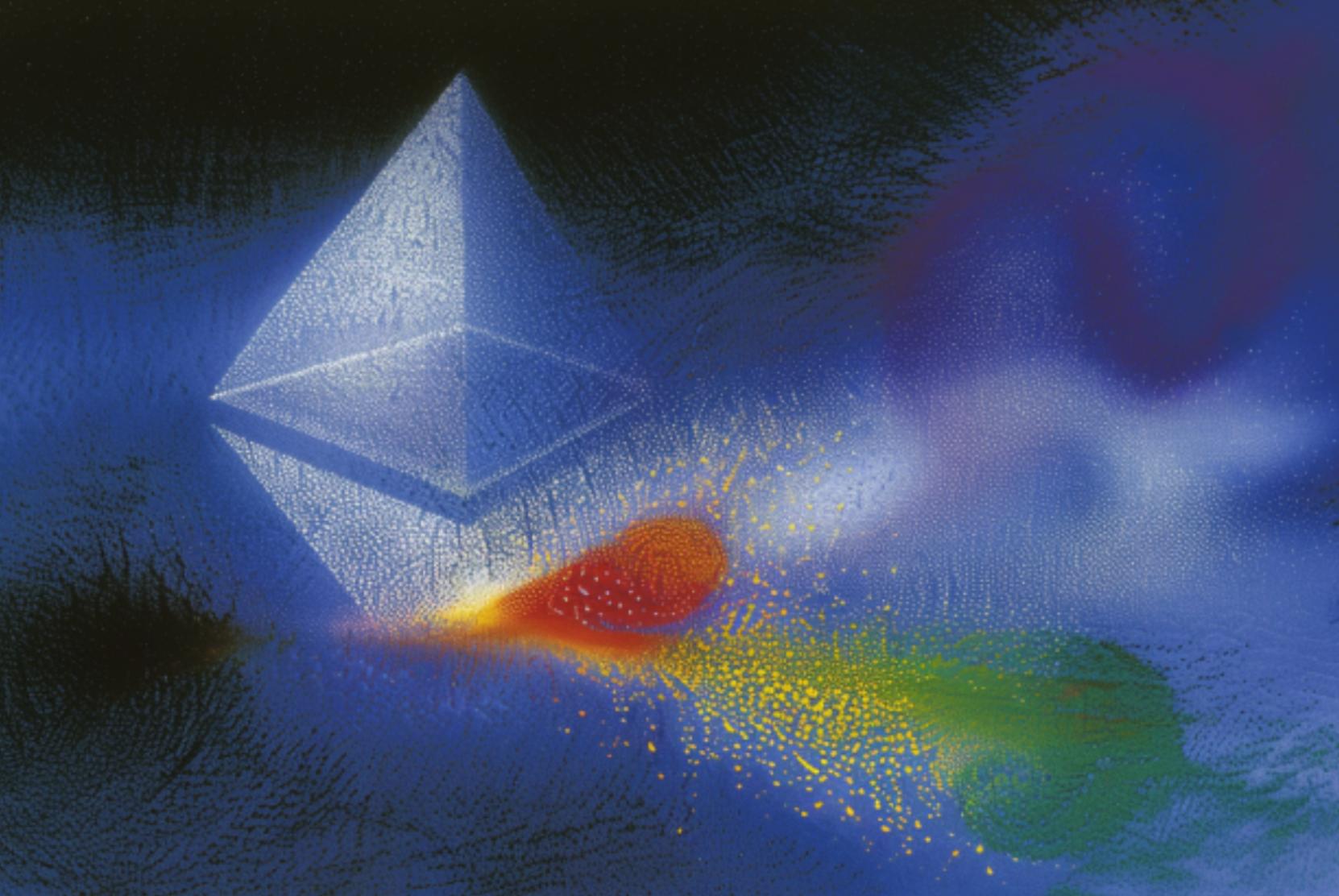
Can ETH return to its peak?
TechFlow Selected TechFlow Selected
Can ETH return to its peak?
Solving the liquidity fragmentation issue and improving tokenomics are key to driving ETH's next price surge.
 Navigating Web3 tides with focused insights
Author: The DeFi Investor
Translation: TechFlow
ETH has performed quite poorly in this market cycle.
Back in 2022, when BTC was at its bear market bottom, many predicted ETH would easily surpass $10,000 in this cycle.
Now, however, many are beginning to doubt whether ETH can even reach a new all-time high this year.
This skepticism is understandable given the current market sentiment, especially as even ETC has outperformed ETH.
Of course, I remain a strong supporter of the Ethereum ecosystem, but in my view, ETH's underperformance reflects the need for profound changes within the ecosystem.
Next, I’ll try to answer one key question:
Why has ETH performed poorly in this cycle?
While the reasons are hard to pinpoint completely, I believe the following factors are primary.
Too Many ETH Beta Tokens
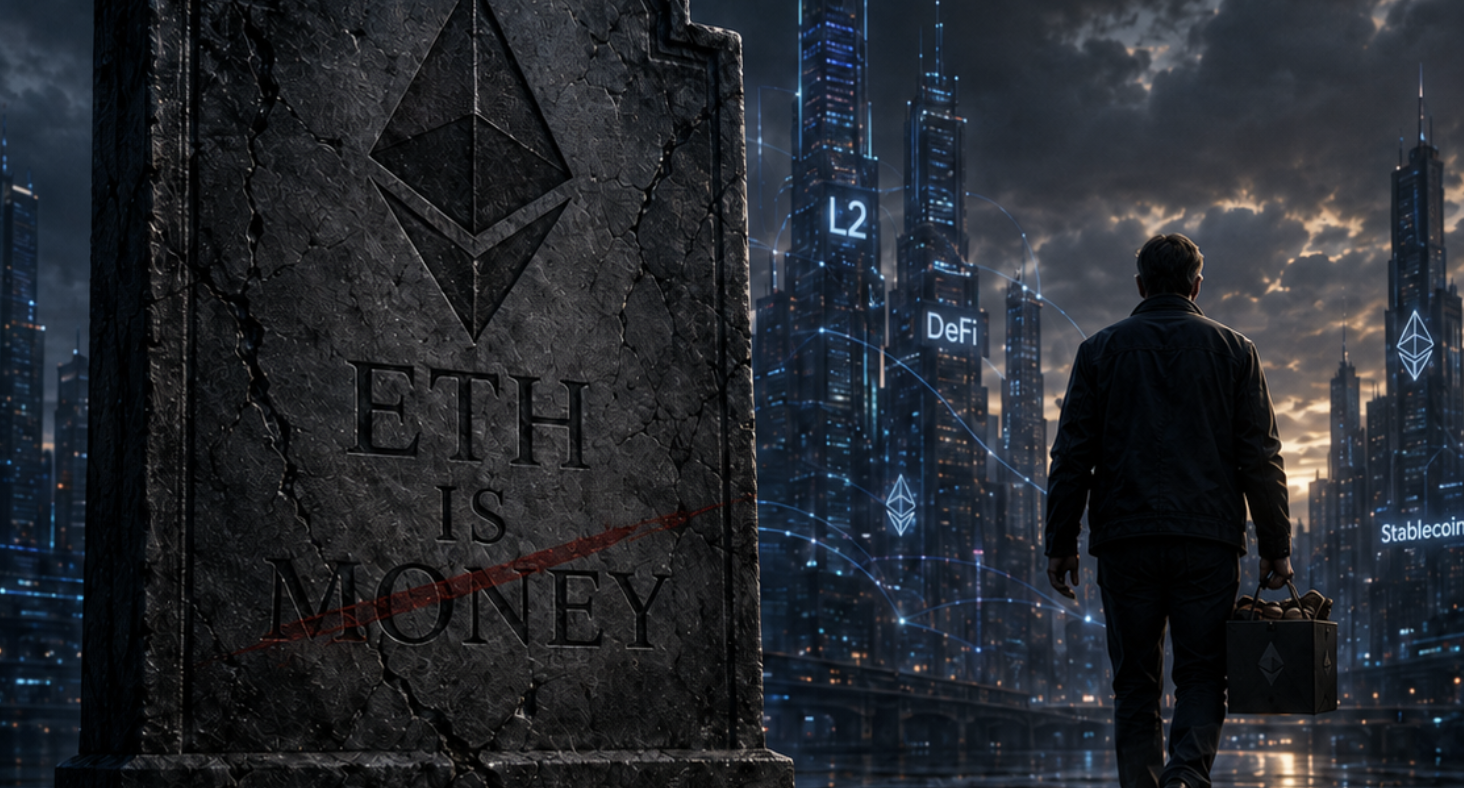
Nearly every Ethereum L2 project has issued its own token, leading many Ethereum supporters to allocate capital to these L2 tokens instead of ETH itself.
This significantly reduces the amount of capital flowing into ETH.
For example, if you're bullish on Solana (which has no L2 projects), you simply buy SOL; but if you're bullish on ETH, you may face dozens of choices involving ETH-related tokens such as those from L2 projects.
Liquidity Fragmentation
There are now over 100 L2 projects in the Ethereum ecosystem.
For experienced DeFi users, bridging between L2s isn't difficult, but for average investors, the process can be complex and frustrating.
Although Ethereum L2s offer fast transactions and low costs, unless cross-L2 user experience improves, this scalability won't drive mass adoption of Ethereum.
Technological Catch-Up by Other L1s
In the previous market cycle, Ethereum was clearly the leading L1 blockchain across most metrics.
While Ethereum still maintains the strongest DeFi ecosystem, other L1s like Solana have repeatedly surpassed Ethereum in metrics such as revenue and DEX trading volume.
This is partly due to their technological advancements. Although Ethereum has made important progress in recent years, some competing L1s have advanced faster and now offer better user experiences (UX).
How can ETH regain its peak position?
Here are some promising directions:
-
Encourage Ethereum L2 projects to integrate ETH into their ecosystems, such as by burning a portion of transaction fees, reducing supply, and thereby increasing ETH’s scarcity and value.
-
Strengthen ETH’s central role in the Ethereum economy (Vitalik has suggested greater support for dApps that use ETH as the primary collateral asset).
-
Allocating more resources to solve L2 fragmentation and unify liquidity should become a top priority for Ethereum development.
-
Accelerate Ethereum’s technical upgrades (although Ethereum burns over $100 million worth of ETH annually through fee burning, its pace of technical upgrades lags behind other L1 blockchains).
-
Establish a sustainable revenue model for the Ethereum Foundation. By generating stable income from transaction fees or staking yields, the foundation could reduce reliance on selling ETH, thus avoiding negative impacts on market prices.
-
Promote scaling of Ethereum L1. While Ethereum’s long-term goal is scaling via L2s, there remains significant potential for improving L1 performance. Enhancing L1 scalability can further improve Ethereum’s overall UX and competitiveness.
These measures could be crucial steps toward taking Ethereum to new heights.
However, over the past few years, the Ethereum Foundation and its community seem to have become somewhat complacent—a mindset that could weaken the project’s competitiveness in the long run.
Ethereum remains the leading L1 blockchain today, but without more proactive strategies, other L1s with driven and innovative teams may gain the upper hand in this competition.
It’s time for the Ethereum community to rekindle a “winner’s mentality” and secure its leadership in the blockchain space.
The good news is that we’re already seeing some positive changes, particularly from projects within the Ethereum ecosystem working to restore market confidence in ETH:
-
MegaETH: Developing a high-performance Ethereum L2 aiming to support over 100,000 TPS, positioning it to compete with highly scalable L1 blockchains.
-
Eclipse: Building the first Ethereum L2 powered by the Solana Virtual Machine (SVM), combining Solana’s speed with Ethereum’s security.
-
Pectra Upgrade: Ethereum’s upcoming major upgrade, Pectra, will introduce native account abstraction, significantly improving user experience (UX) and making blockchain interactions simpler and more efficient.
-
Eric Trump’s promotion: Eric Trump recently publicly endorsed ETH, sparking speculation about whether the U.S. might establish a national Ethereum reserve?
The first three technical developments mentioned above will undoubtedly boost adoption of Ethereum L2s. But the more critical question is:
Can these advances actually drive an increase in ETH’s price? That remains to be seen.
In my view, two factors are key to driving another ETH price surge:
-
Solving liquidity fragmentation (requires improved cross-L2 user experience).
-
Improving ETH’s tokenomics (Vitalik recently proposed on his blog encouraging L2 projects to burn part of their transaction fees to reduce ETH supply and enhance its value).
Personally, I don’t currently hold a large amount of ETH, as I prefer investing in rapidly growing DeFi project tokens.
However, a rising ETH price benefits all altcoin holders.
Historically, ETH rallies often serve as a key trigger for altseason.
The future development of the ETH ecosystem will not only impact Ethereum itself but also have far-reaching effects on the entire crypto market.
Join TechFlow official community to stay tuned
Telegram:https://t.me/TechFlowDaily
X (Twitter):https://x.com/TechFlowPost
X (Twitter) EN:https://x.com/BlockFlow_News
 The DeFi Investor