Binance: From QUANT to TRUMP, Unveiling the Human and Financial Phenomenon Behind Memes Driven by Community and Sentiment
TechFlow Selected TechFlow Selected
Binance: From QUANT to TRUMP, Unveiling the Human and Financial Phenomenon Behind Memes Driven by Community and Sentiment
Memecoin reflects the fascinating irrational side of human behavior.
 Navigating Web3 tides with focused insights
Author: Binance
Translation: TechFlow
Key Takeaways
-
Like the recently launched presidential token $TRUMP, memecoins are cryptocurrencies rooted in internet culture, thriving on intense community engagement and often gaining attention through humor and rapid virality.
-
This article dives into the recent QUANT memecoin incident, alongside other notable cases, to analyze the human and cultural logic behind the memecoin phenomenon.
-
The strangeness and high volatility of memecoins actually reflect the fascinating irrational side of human behavior.
If anything feels like it was pulled straight out of a satirical news headline, it’s the U.S. President launching his own memecoin—$TRUMP. Launched just three days before his inauguration, the token promises “huge” returns and a “bright” future—after all, in his vocabulary, everything he touches is “the best.” Backed by a wave of patriotic memes, NFTs featuring his iconic expressions, and the slogan “the most stable coin in history,” $TRUMP has ignited a frenzy across the crypto community. The token's price has surged over 10,000%, reaching a fully diluted valuation of $71 billion—an astonishing figure that even left Binance co-founder CZ baffled. Just two days later, Trump’s wife Melania also launched her own $MELANIA memecoin.
Whether these tokens will become the next financial phenomenon or merely end up as jokes remains unclear. But one thing is certain: when the first couple of a superpower gets involved, memecoins are no longer niche curiosities—they’ve become a full-blown cultural movement.
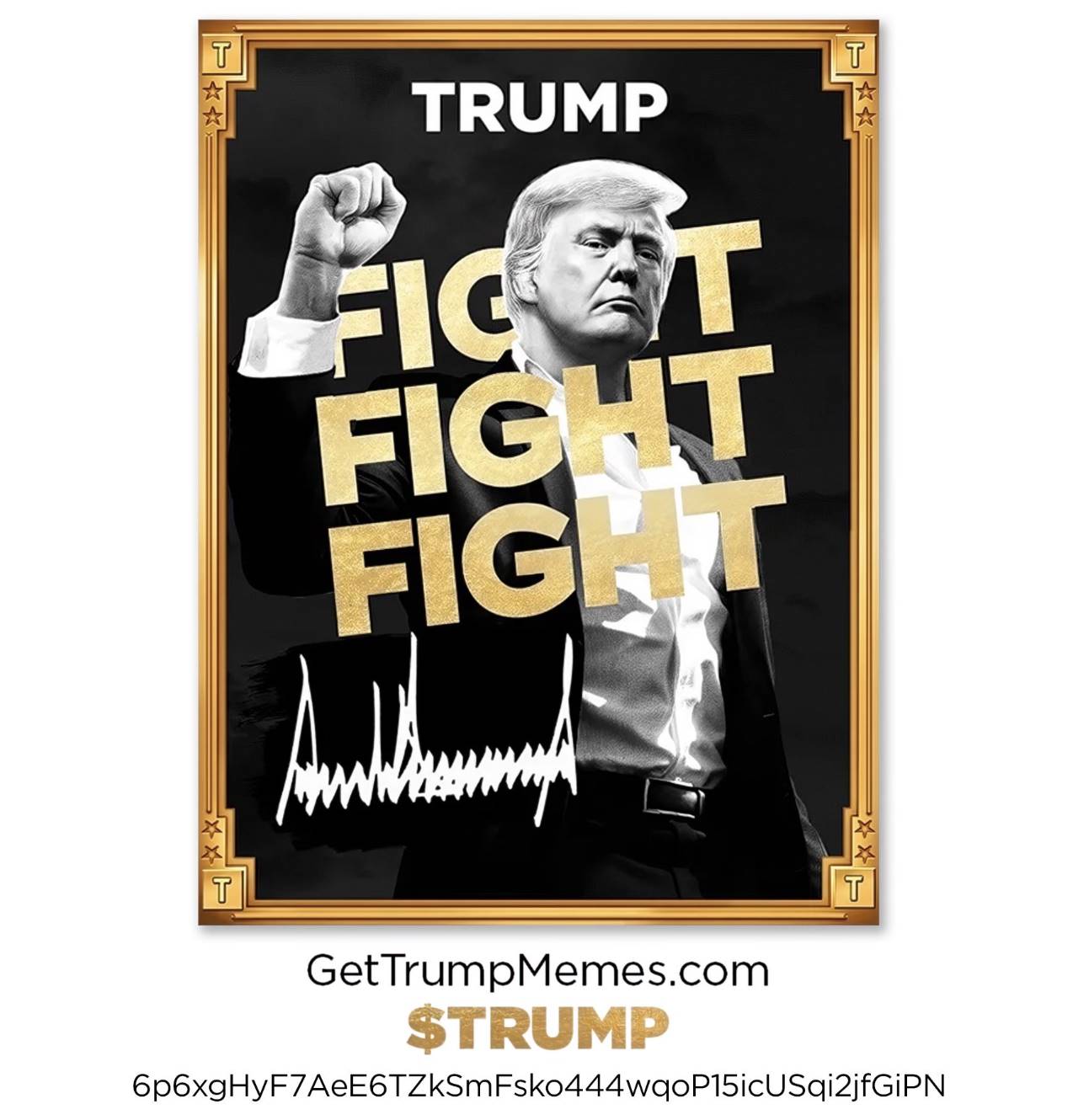
The memecoin of the 45th U.S. President
Source: X
Now is the perfect time to dive deeper into memecoins. This article uses the QUANT memecoin as a case study to explore the underlying success logic and cultural significance.
QUANT: How a 13-Year-Old Sparked a Mini Financial Revolution Online
The story began, like most memecoins, as a joke.
On an ordinary night in November 2024, a 13-year-old Gen Z streamer sat at his desk, broadcasting to a small but loyal audience. His tools? A sharp sense of irony, keen awareness of crypto trends, and a deep love for memes. His big plan? To launch a memecoin called QUANT on Pump.fun, a Solana-based platform where creating a cryptocurrency is nearly as simple as signing up for Instagram.
In minutes, QUANT went live. The young creator showcased his full talents as a savvy crypto prankster. As a group of token holders rushed in, lured by the promise of the “next hot memecoin,” he swiftly executed a classic move in the crypto world—the “Rug Pull.” He dumped 51 million tokens for 30,000 USD worth of SOL. Then, with a smug grin, he closed his laptop like a villain from a low-budget heist film.

Source: Chaincatcher.com
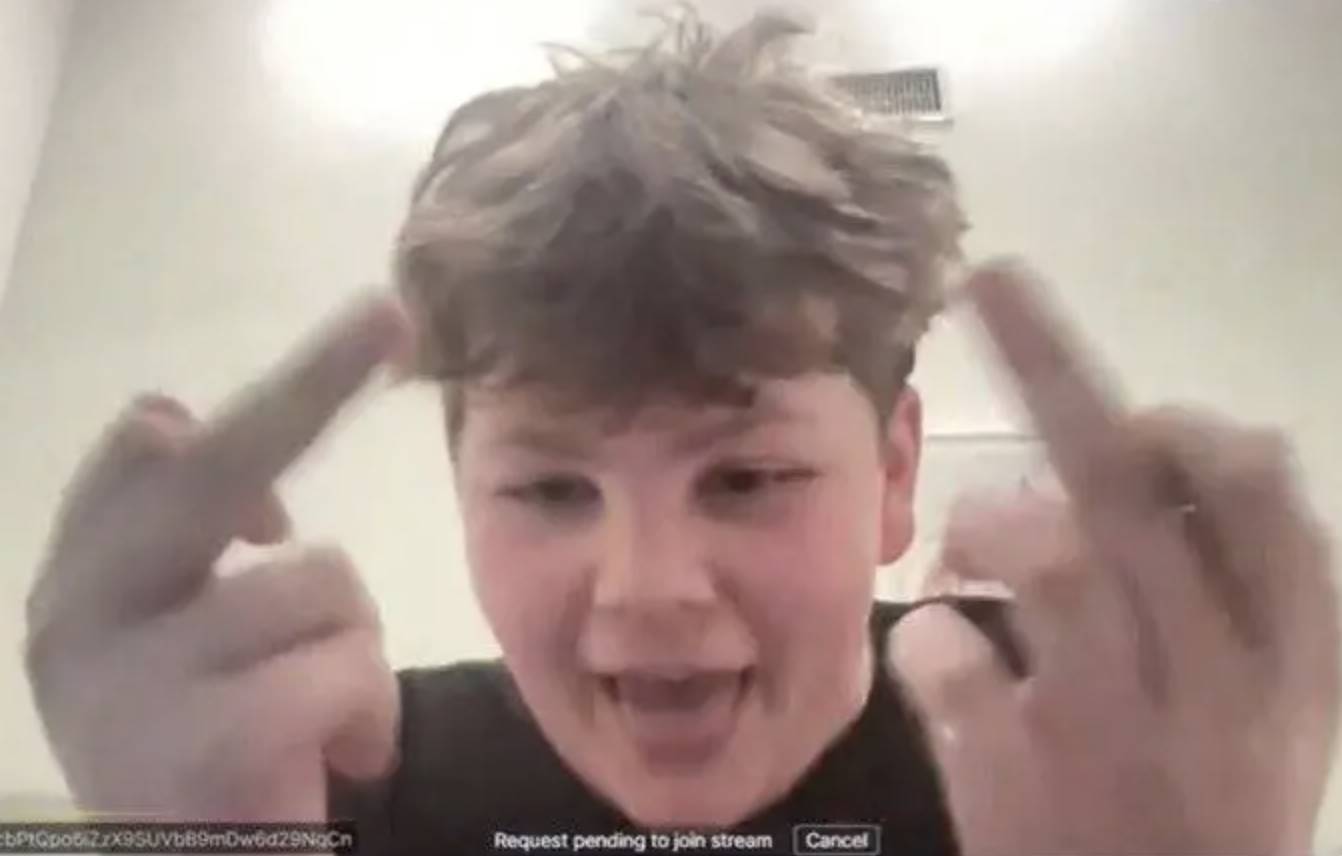
This kid provocatively flipped the middle finger just before the rug pull
Source: Chaincatcher.com
Rug pulls are nothing new in the memecoin world. But what happened next turned QUANT from a fleeting prank into an unprecedented mini financial and cultural revolution.
Instead of being quietly accepted, the rug pull sparked outrage within the community. Angry traders decided to retaliate in true memecoin fashion: they rallied together and drove the token’s value skyward.
Through collective action, the QUANT community pushed the token’s market cap to $22.6 million in just 15 hours. The tokens the boy had sold for $30,000 suddenly soared to nearly $4 million in value. Ironically, the mastermind behind the rug pull could only watch helplessly as his creation became the hottest memecoin—without him profiting a cent.
Meanwhile, crypto social circles—Twitter, Reddit, and Telegram—exploded with memes, jokes, and conspiracy theories. For one day, #QUANT dominated trending topics, perfectly capturing all the traits of the memecoin market: absurdity, community-driven momentum, and extreme unpredictability.
As QUANT’s popularity surged, crypto enthusiasts did what the internet does best: they unmasked the boy’s real identity. His personal information—and even details about his family—were leaked online. What started as a playful financial prank turned into a cautionary tale about the dark side of memecoin fame.
Yet, undeterred by the backlash, the 13-year-old showed no remorse. Instead, he doubled down, launching follow-up tokens like $Lucy, named after his dog, and another called $Sorry, continuing to profit from the memecoin speculation frenzy. By the end of 2024, he had become a classic antihero in the memecoin world: clever and daring, admired by some, despised by others.
For a brief moment in November 2024, QUANT seemed unstoppable. But like all memecoins, its value was as unpredictable as the community’s passion. After a short-lived peak, QUANT’s price began a steep decline. From its all-time high of $0.0633 to today’s $0.00075, it has lost a staggering 98.8% of its value.
In the end, the rise and fall of a memecoin hinges entirely on community attention. Once the anger and buzz around the rug pull faded, so did market interest. Traders who cashed out early made fortunes, while latecomers bore the brunt of the crash. Today, QUANT stands as digital history—a testament to both the potential and peril of memecoins.
Navigating the Psychedelic Jungle of Memecoins
In this chaotic, meme-filled corner of the internet, memecoins have become one of the most captivating social phenomena. Unlike traditional currencies symbolizing economy, stability, and rules, memecoins thrive on humor, virality, and community-driven chaos.
Memecoins are a unique form of cryptocurrency—not so much products of technological innovation as crystallizations of internet culture. Unlike Bitcoin, hailed as “digital gold,” or Ethereum, which powers decentralized applications, memecoins are essentially digital jokes that, through community power, morph into financial memes. Their value doesn’t stem from utility or scarcity, but from shared humor and collective belief in the joke.
The QUANT story is just a microcosm of this phenomenon. Tokens initially created for laughs often transform, thanks to the magic of community, into speculative trading vehicles.
At the heart of every memecoin lies its community. From obscurity to “moonshot” prices (more often crashing into the “garbage bin”), a memecoin’s fate rests entirely on the collective enthusiasm of its believers. Platforms like Pump.fun lower the barrier to entry even further. With user-friendly interfaces, anyone can create a token, customize its branding, and share it across their social networks.
Meanwhile, the biggest hype unfolds on X and Discord. Here, memecoin enthusiasts gather, swap hilarious memes, plot the next “moon mission,” and shamelessly promote their latest favorites. It’s these platforms and their chaotic communities that shape memecoins into forces that are both absurd and impossible to ignore: they’re jokes, economic experiments, and authentic reflections of internet culture all at once.
The launch of $TRUMP is a textbook example of cultural branding, perfectly showcasing how Donald Trump has turned himself into a symbol and phenomenon. Leveraging his global influence as a politician, celebrity, and entrepreneur, he demonstrates a unique ability to stay relevant in the age of viral internet culture. This memecoin may further cement his status as a cultural disruptor, adding a bold new chapter to his legacy in an era where influence itself is traded as currency.
Then there’s 2024’s other viral sensation: FARTCOIN. Originally just a humorous jab at crypto culture, it unexpectedly emerged as a serious market player. With a name that invites laughter, FARTCOIN attracted a devoted fanbase, transforming the token into a cultural icon. Its success reaffirms the core appeal of memecoins: they don’t need logic—just the power to make people laugh.
Another standout in 2024 was MOODENG, whose rise was fueled by a major donation from Ethereum co-founder Vitalik Buterin to wildlife conservation. Named after a dwarf hippo that went viral in Thailand, the token skillfully rode the wave of online fame and KOL-driven charity. This powerful combination deeply resonated with the crypto community.
When discussing memecoins, one cannot overlook their original pioneer: Dogecoin. Born as a humorous tribute to a Shiba Inu meme, it has evolved into a full-fledged cryptocurrency empire. Dogecoin’s journey from internet joke to mainstream currency stands as the ultimate digital proof of the power of community belief.
Dogecoin’s most famous supporter, Elon Musk, has infused it with his signature flair. From claiming Dogecoin will be the official currency on Mars to proposing a “Department of Government Efficiency (DOGE)” to manage the federal budget, Musk’s endorsement has transformed Dogecoin from a simple online joke into a cultural symbol of the digital age—a beacon of technological dreams.
The Golden Rules of Memecoins
For ordinary users, participating in memecoins is less an investment and more a high-risk experiment in collective psychology. The first rule to remember is that these tokens completely overturn traditional investment logic. Their success depends not on utility or intrinsic value, but on viral热度 (heat). A memecoin lives or dies by its ability to capture the internet’s imagination, riding waves of jokes, trends, and defining moments of online culture.
The second rule: a memecoin’s value is determined by the strength of its community. A passionate, loyal following can elevate any memecoin—whether a sincere project or a half-joking idea. Take QUANT: its meteoric rise wasn’t due to tech innovation, but to collective community anger. After the founder’s rug pull, the community’s determination drove the price up, proving that shared emotion—even resentment—lies at the core of memecoin valuation. Yet, as QUANT’s story shows, such热度 is fleeting. Once excitement fades, so does the token’s value.
Finally, this highly volatile ecosystem exemplifies the high-risk, high-reward nature of memecoins. Known for wild price swings, memecoins can turn small investments into massive gains overnight—or wipe them out just as fast. For example, PENGU, the native token of the Pudgy Penguins NFT series, surged 581% within 24 hours of its exchange listing, driven by strong community support and a well-executed airdrop. However, by mid-January 2025, PENGU traded around $0.0316, down 54.8% from its all-time high of $0.06845 on December 17, 2024.
The chaotic nature of the memecoin market inevitably raises serious ethical questions. What does it mean when a 13-year-old can freely issue tokens and profit? The QUANT story reveals the urgent need for clearer boundaries—both regulatory and ethical—regarding who should be allowed to create and promote digital assets.
In the memecoin market, every trader is an observer in a world ruled by unpredictable forces: virality, humor, and collective action. Here, finance and internet culture intertwine; an asset’s value isn’t tied to functionality, but to the strength of public belief.
Through the lens of memecoins, we glimpse the power of collective belief, the deep impact of viral culture, and the democratization of financial participation. These tokens are, at their core, a reflection of human behavior—filled with uncertainty, collaboration, and endless creativity.
Binance Empowers Meme Investing
If you're intrigued by the memecoin craze but want to participate in a safer environment, Binance offers a more reliable option. Binance's rigorous listing process helps filter out obvious joke projects and short-term rug-pull scams.
Still, remember: even on Binance, investing in memecoins is not a guaranteed path to wealth. The thrill of this market comes with inherent risks. Never invest more than you can afford to lose. Whether you're riding a cultural wave or simply testing the waters, Binance provides a safer, more secure way to explore this uncertain space with confidence.
Disclaimer: Digital asset prices are subject to high market risk and volatility. Your investment value may fluctuate, and you may not recover your initial investment. All investment decisions are your own responsibility; Binance assumes no liability for any losses you may incur. Past performance is not a reliable indicator of future results. Invest only in products you understand and are aware of the risks. Before making any investment decision, carefully evaluate your investment experience, financial situation, investment objectives, and risk tolerance, and consult independent financial advisors. This material is for informational purposes only and does not constitute financial advice. For more information, please see our Terms of Use and Risk Warning.
Join TechFlow official community to stay tuned
Telegram:https://t.me/TechFlowDaily
X (Twitter):https://x.com/TechFlowPost
X (Twitter) EN:https://x.com/BlockFlow_News
 @binance