








Bitcoin Strategic Reserve in the United States: A New Approach to Hedging Inflation Behind the Five-Year $76 Billion Investment Plan
TechFlow Selected TechFlow Selected
Bitcoin Strategic Reserve in the United States: A New Approach to Hedging Inflation Behind the Five-Year $76 Billion Investment Plan
Including Bitcoin could potentially reduce U.S. debt and serve as a diversification tool.
 Navigating Web3 tides with focused insights
Author: Arunkumar Krishnakumar
Translation: TechFlow
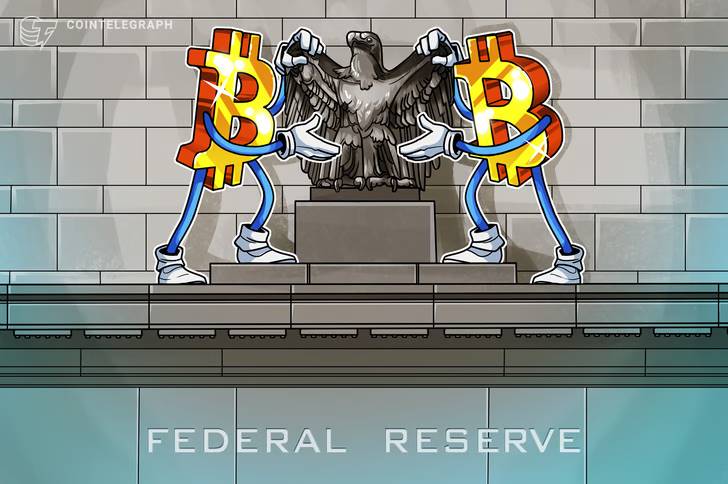
Key Takeaways
-
The U.S. Treasury plans to invest $76 billion in Bitcoin over the next five years, using it as a long-term hedge against inflation and economic instability.
-
Bitcoin will be stored in secure vaults managed by the Treasury, with strict custody measures in place to ensure asset security and transparency.
-
Incorporating Bitcoin could reduce U.S. debt and serve as a diversification tool, although its volatility and market impact remain key concerns.
-
This initiative may solidify Bitcoin's legitimacy and accelerate global institutional adoption, potentially stabilizing its price over time.
Established in 1789, the U.S. Department of the Treasury manages federal financial affairs, including tax collection, currency issuance, and oversight of public debt. Its primary role is to maintain national financial stability, fund government operations, and promote economic growth. The Treasury operates by issuing government bonds, notes, and securities—widely regarded as among the safest investments globally due to full backing by the U.S. government.
The idea of incorporating BTC, the leading cryptocurrency, into national fiscal strategy was initially explored by smaller economies such as El Salvador, which adopted Bitcoin as legal tender in 2021.
What Are Fiscal Assets?
Fiscal assets are part of the federal government’s financial reserves and typically include cash holdings, gold, and securities. Several key criteria are considered when selecting fiscal assets. Below are these standards and how Bitcoin meets them in its current state.
Liquidity
Liquidity refers to the ability to quickly convert an asset into cash without significant loss in value. Higher liquidity generally indicates healthier assets. Bitcoin is one of the most liquid digital assets globally, with annual trading volumes reaching several trillion dollars. The Treasury could rapidly liquidate holdings, though large-scale transactions might impact market prices.
Security
An asset must carry minimal risk of default or devaluation. Assets with high counterparty credit risk or exposure to volatile markets may be unsuitable. Bitcoin is decentralized and censorship-resistant, offering a hedge against political or economic instability. However, risks include potential cyberattacks and the need for secure custodial solutions.
Stability
Fiscal assets should not exhibit extreme valuation fluctuations. Bitcoin’s volatility remains its biggest drawback. Its value can fluctuate significantly within hours, contrasting sharply with the Treasury’s preference for stable assets like U.S. bonds or gold.
Returns
While safety is paramount, generating moderate returns helps sustain government operations. Unlike traditional fiscal assets, Bitcoin does not yield interest. However, its substantial price appreciation over the past decade makes it a strong candidate for capital gains. For example, if Bitcoin continues its historical annualized growth rate of approximately 200%, it could vastly outperform conventional assets.
Bitcoin in the U.S. Treasury
Proponents of integrating Bitcoin into the U.S. Treasury argue that its fixed supply cap of 21 million coins and decentralized nature make it an effective inflation hedge and protection against currency devaluation.
Companies like MicroStrategy and Tesla have drawn attention for adding Bitcoin to their corporate treasuries, demonstrating its potential as a reserve asset. This strategy stems from the belief that Bitcoin can outperform traditional fiat reserves and act as a non-correlated asset during periods of economic uncertainty.
Donald Trump’s victory in the November U.S. presidential election and his nomination of crypto-friendly Paul Atkins as SEC Chair played a pivotal role in the crypto market, driving Bitcoin’s price toward $100,000.
The 2024 Nashville Announcement
In the third quarter of 2024, the Trump administration announced a major plan in Nashville to allocate a portion of U.S. fiscal reserves to Bitcoin. This move aims to diversify the nation’s asset portfolio and leverage the potential benefits of digital assets. Key details include:
-
Allocating 2% of fiscal reserves to Bitcoin
-
Phased purchases over 24 months to minimize market impact
-
Custody managed jointly by private-sector partners and government regulators
This announcement sparked intense debate across political and economic circles, with critics questioning its rationale and potential risks, while supporters view it as a bold step toward a modern financial future.
Bitcoin Act: Establishing a Strategic Bitcoin Reserve
Senator Cynthia Lummis introduced the Bitcoin Act of 2024, proposing that the U.S. Treasury establish a national Bitcoin reserve. The plan calls for acquiring 1 million BTC over five years, purchasing 200,000 BTC annually. The goal is to position Bitcoin as a strategic asset to combat inflation, reduce national debt, and strengthen America’s global financial leadership.
Key aspects of the proposal include:
Investment Plan
-
The Treasury plans to gradually invest approximately $76 billion in Bitcoin over five years to mitigate the impact of price volatility.
Secure Storage
-
Bitcoin will be held in digital vaults managed by the Treasury for at least 20 years.
-
Custody arrangements and partnerships have not yet been disclosed but will meet stringent security standards.
-
Storage will employ the highest levels of physical and digital security infrastructure.
Disposal Guidelines
-
The bill establishes strict disposal rules, allowing sales only under specific conditions. For instance, digital assets obtained through forks or airdrops from the strategic Bitcoin reserve cannot be sold or disposed of within five years unless authorized by law.
-
These restrictions aim to stabilize market impact and preserve Bitcoin’s value as a hedge during economic downturns.
Transparency and Monitoring
-
The bill mandates transparent reporting and a secure custody framework.
-
A blockchain-based monitoring system and independent audits will be implemented.
-
Quarterly reports on transactions and Bitcoin reserve balances will be required.
The bill is gaining momentum due to political support in Congress and advocacy from industry leaders. It seeks to position the United States as a global leader in cryptocurrency while sparking debates about associated economic risks and volatility.

Impact on the U.S. Treasury’s Risk Profile
-
Volatility Risk: Bitcoin’s price volatility is significantly higher than that of traditional fiscal assets. The Treasury would need robust risk management strategies to handle potential price swings.
-
Liquidity Considerations: While Bitcoin is more liquid than many assets, large-scale Treasury transactions could disrupt market prices. Over time, this asset has shown sensitivity to supply and demand shocks across market cycles.
-
Inflation Hedge: Bitcoin’s limited supply makes it an ideal tool against inflation, offering diversification opportunities for the Treasury’s reserve strategy.
Impact on U.S. Government Debt
Credit rating agencies may reassess the U.S. Treasury’s risk profile. Holding Bitcoin could be perceived as speculative, potentially affecting the country’s AAA credit rating. Bitcoin may not satisfy the three core criteria—liquidity, safety, and stability—as effectively as gold.
Consequently, any downgrade in credit ratings could lead to higher Treasury yields and increased debt servicing costs. However, if Bitcoin performs well, it could strengthen the Treasury’s financial position and offset this risk.
Traditional safe-haven U.S. debt instruments may face scrutiny from conservative investors. Conversely, pro-Bitcoin institutional investors may increase demand. Another argument against serious concern is that, according to the Nashville announcement, only 2% of total fiscal assets are expected to be held in Bitcoin.
Impact on Bitcoin’s Price
Large-scale purchases by the U.S. Treasury could trigger a significant rise in Bitcoin’s price, reinforcing its status as a macroeconomic asset. Even before the Treasury begins major acquisitions, speculation that the Federal Reserve is evaluating Bitcoin as a reserve asset could cause a supply shock, leading to sharp price increases.
The approval of U.S.-based spot Bitcoin exchange-traded funds (ETFs) has brought much-needed legitimacy and credibility to the asset and its category. The U.S. Treasury’s move to hold BTC as a reserve asset could further drive global institutional adoption, enhancing Bitcoin’s standing in financial markets.
As the U.S. Treasury becomes a major holder—and as other nations and large corporations follow suit—this top cryptocurrency may see reduced volatility over time, similar to gold in its early decades as a reserve asset.
U.S. Debt and the Bitcoin Reserve
By 2024, the U.S. national debt had surpassed $33 trillion, posing an urgent economic challenge. The idea of using a Bitcoin reserve to alleviate this burden presents intriguing possibilities. If Bitcoin experiences substantial appreciation, the Treasury could sell part of its holdings to reduce debt.
Suppose the U.S. holds a Bitcoin reserve worth $50 billion, purchased at an average price of $30,000 per coin. If Bitcoin rises to $150,000 per coin, the reserve would be valued at $250 billion, generating a profit of $200 billion.
While this would only slightly affect overall debt, it could meaningfully contribute to specific fiscal programs or interest payments. A Bitcoin reserve could also function as a geopolitical and financial instrument, reducing reliance on fiat reserves and diversifying away from traditional assets affected by inflation. Moreover, Bitcoin could help balance deficits in scenarios where inflation erodes the dollar’s purchasing power.
In the short term, Bitcoin is unlikely to become a primary tool for managing national debt. Its role would be more supplementary—providing diversification and a potential inflation hedge. However, if Bitcoin matures into a globally recognized, stable reserve asset akin to gold, it could play a larger role in fiscal strategy.
Currently, Bitcoin’s real contribution lies in modernizing the Treasury’s asset management approach, signaling openness to innovation while maintaining focus on long-term fiscal sustainability.
Join TechFlow official community to stay tuned
Telegram:https://t.me/TechFlowDaily
X (Twitter):https://x.com/TechFlowPost
X (Twitter) EN:https://x.com/BlockFlow_News
 @Cointelegraph






