Why Web3 Companies Need EU MiCA and Dubai VARA Licenses
TechFlow Selected TechFlow Selected
Why Web3 Companies Need EU MiCA and Dubai VARA Licenses
MiCA and VARA licenses are compliance tools for Web3 companies to access the European and Middle Eastern markets.
 Navigating Web3 tides with focused insights
Authors: Bai Zhen, Song Kewei
Trump's election, Bitcoin hitting new highs... At the end of 2024, the crypto industry is seeing a fresh wave of positive signals. While the industry continues to grow, countries are also introducing regulatory measures one after another. Among these, the most eye-catching element is undoubtedly the "license."
What is a license? In short, a license is the "passport" for Web3 companies engaging in cryptocurrency-related business. It enables Web3 enterprises to legally and securely conduct crypto activities while building trust with investors and regulators.
This article will delve into the compliance frameworks of MiCA and VARA, explaining why holding a license is not merely an option but a necessity for any Web3 company aiming to thrive in regulated markets. For any company or investor hoping to succeed in the next chapter of the crypto industry, understanding this landscape is essential.
MiCA and VARA Licenses: Compliance Tools Opening European and Middle Eastern Markets for Web3 Enterprises
The European Union’s Markets in Crypto-Assets Regulation (MiCA) is “one of the most comprehensive digital asset regulatory frameworks to date.” Designed to provide a clear regulatory environment, it aims to reduce compliance costs and encourage businesses to enter the EU crypto market. MiCA’s regulatory framework applies to all EU member states, as well as the three European Free Trade Association (EFTA) countries within the European Economic Area (EEA)—Iceland, Liechtenstein, and Norway—since they are part of the internal market and subject to many of the same EU regulations.
The Dubai Virtual Assets Regulatory Authority (VARA) is the world’s first independent virtual asset regulator, responsible for overseeing the issuance and trading of virtual assets both within and beyond the Emirate of Dubai. Its policies are shaping the direction of Web3 regulation across the Middle East. However, VARA’s jurisdiction is limited to the Emirate of Dubai; other regions of the UAE, including the Dubai International Financial Centre (DIFC), fall outside its scope.
Background and Global Impact of MiCA and VARA
-
Global Regulatory Trend: MiCA and VARA are landmark developments under the broader global shift toward regulation. They signify increasing governmental oversight of the Web3 sector and may serve as blueprints for other nations’ regulatory frameworks.
-
Strategic Importance of Europe and the Middle East: The European and Middle Eastern markets are critical expansion targets for Web3 enterprises, boasting large investor bases, vibrant innovation ecosystems, and significant growth potential. The leadership roles played by MiCA and VARA in these regions could set trends for global markets.
-
From Regulation to Innovation: MiCA and VARA are more than just regulatory tools—they may unlock new innovation opportunities. A standardized market presents a double-edged sword for startups, offering both constraints and incentives.
Commercial Value of Obtaining MiCA and VARA Licenses
-
Compliance and Market Access: Holding MiCA and VARA licenses serves as a legal “passport” to enter the Middle Eastern and European markets, helping companies gain trust from local financial institutions and reducing legal barriers to market entry.
-
Enhanced Corporate Image and Reputation: In the crypto industry, a license is not only a symbol of compliance but also a mark of corporate strength. Web3 companies that obtain such licenses enjoy greater recognition and credibility within the industry.
-
Increased Cross-Border Expansion Potential: MiCA and VARA licenses facilitate operations across different jurisdictions, minimizing compliance risks associated with cross-border expansion. They effectively act as “cross-border operation licenses” within the EU and Middle East markets.
MiCA vs VARA: A Comparative Look at Two Regulatory Frameworks from the License Application Perspective
Different regions have distinct regulatory requirements and market demands for Web3 enterprises, leading to variations in how MiCA and VARA licenses function and their relative importance. Europe tends to emphasize market transparency and risk mitigation, while the Middle East often prioritizes rapid innovation and capital mobility.
Overview of Licensed Activities Under the MiCA Framework
MiCA sets out detailed compliance requirements for stablecoins such as EMTs and ARTs, but due to space limitations, this article focuses solely on “crypto-asset services” under MiCA. These refer to any of the following services or activities related to crypto-assets:
1. Providing custody and administration of crypto-assets on behalf of clients
2. Operation of a trading platform for crypto-assets
3. Exchange of crypto-assets for funds
4. Exchange of crypto-assets for other crypto-assets
5. Execution of orders for crypto-assets on behalf of clients
6. Placing of crypto-assets
7. Reception and transmission of orders for crypto-assets on behalf of clients
8. Providing advice on crypto-assets
9. Providing portfolio management on crypto-assets
10. Providing transfer services for crypto-assets on behalf of clients
Overview of Licensed Activities Under the VARA Framework
Any entity operating within or from the Emirate of Dubai—whether serving UAE residents or globally accessible clients where permitted—must apply to and obtain a license from VARA.
Currently, there are eight licensed business types under the VARA framework:
1. Advisory Services: Providing advice on matters relating to virtual assets
2. Broker-Dealer Services: Facilitating the buying and selling of virtual assets
3. Custody Services: Offering secure custody solutions for virtual assets (subject to additional VARA requirements)
4. Exchange Services: Operating a virtual asset trading platform
5. Lending and Borrowing Services: Facilitating lending and borrowing of virtual assets (not covered by MiCA)
6. Management and Investment Services: Managing and investing virtual assets on behalf of clients
7. Transfer and Settlement Services: Facilitating the transfer and settlement of virtual assets
8. Virtual Asset Issuance Category 1 (VA Issuance Category 1): Issuance of fiat-referenced virtual assets (FRVAs), such as stablecoins
Applicants may apply for multiple licensed activities and consolidate them under a single umbrella license.
Comparison of Licensed Business Scope Between MiCA and VARA
To date, the scope of licensed activities under the two regulatory frameworks can be compared as follows:
As shown in the table above, MiCA and VARA differ significantly in the range of activities they regulate.
Regarding lending and borrowing services, VARA offers a dedicated licensing pathway, whereas MiCA does not currently cover this area. At least in 2024, MiCA will not include lending services as part of its licensed activities. Therefore, MiCA does not intend to regulate lending services related to crypto-assets—including electronic money tokens—and refrains from prejudicing national laws applicable in this domain.
For custody services, VARA imposes additional regulatory requirements. Virtual asset custody is the only activity that must be handled separately from other licensed operations. In this case, a VA custodian must be established as an independent legal entity with its own separate license, unlike other services which can be bundled under a single umbrella license.
In addition, licensed entities must ensure full compliance with all relevant activity requirements from the time of application through ongoing operations.
Strategic Value of Licensing: Why Web3 Enterprises Must Prepare Early
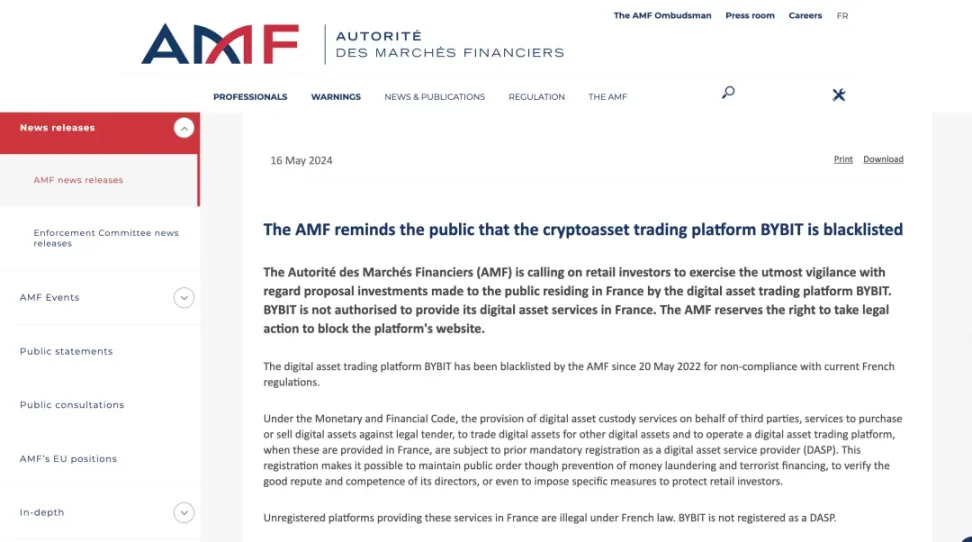
Why do Web3 companies need licenses? The most direct reason is simple: without a license, you get blacklisted. In May 2024, France’s financial regulator, Autorité des Marchés Financiers (AMF), stated that since BYBIT was providing virtual asset services in France without authorization, AMF reserved the right to take legal action to block access to the platform’s website.
Track Industry Trends and Prepare Early for Licensing
With the rapid development of the Web3 industry, regulators worldwide are progressively strengthening oversight of virtual assets and blockchain technology. As regional regulatory policies and frameworks continue to evolve, Web3 companies face growing compliance pressure. Failure to proactively pursue licensing may result in missing the optimal window for compliant growth, thereby restricting business operations and expansion.
-
Rapid Industry Growth vs. Regulatory Lag: Globally, the Web3 industry is advancing quickly, but regulatory frameworks often lag behind. This delay may prevent some companies from obtaining necessary licenses in time, causing them to miss key market opportunities. Early preparation allows companies to seize first-mover advantages and capture market share.
-
Trend Toward Stricter Regulation: Whether it’s VARA in the Middle East or MiCA in the EU, efforts are intensifying to bring various virtual asset-related activities into compliance. Gaining early understanding of these frameworks and applying for licenses promptly ensures legal operation and mitigates future regulatory risks.
-
Mitigating Risks from Sudden Policy Changes: Governments are increasingly adopting stricter stances toward the Web3 industry. Companies that wait until policies are fully mature before applying for licenses often face more complex approval processes—or even rejection. Early preparation enables firms to respond calmly to potential policy shifts and regulatory demands.
Manage Compliance Risks and Reduce Costs
Compliance remains a major challenge for Web3 companies. As the global regulatory landscape evolves, failure to obtain proper licensing exposes businesses to serious legal risks, including penalties, lawsuits, or even operational suspension. Proactively applying for licenses helps companies manage compliance risks effectively and significantly lower potential compliance costs.
-
Avoiding Financial Losses from Non-Compliance: Operating without a valid license may lead to heavy fines, asset freezes, or even business interruption if regulators intervene. Holding a compliant license provides legal protection and reduces exposure to litigation and financial loss.
-
Complexity of Compliance Review Processes: Regulatory frameworks vary across jurisdictions. Applying early and ensuring alignment with local rules helps avoid rejections or complicated review procedures. Over time, this minimizes expenses and delays caused by compliance failures.
-
Long-Term Advantages of Compliant Operations: Compliance is not a one-time task but an ongoing process. Once licensed, companies undergo regular reviews by regulators. Securing a license early and passing these checks positions a company for stable, competitive growth in the long run.
-
Simplifying Cross-Border Compliance: Web3 companies often operate across borders, facing diverse regulatory environments. Holding licenses in multiple jurisdictions simplifies cross-border compliance, enabling smooth operations in different markets and avoiding legal obstacles due to lack of licensing.
Enhance Brand Image and Drive Funding and Partnerships
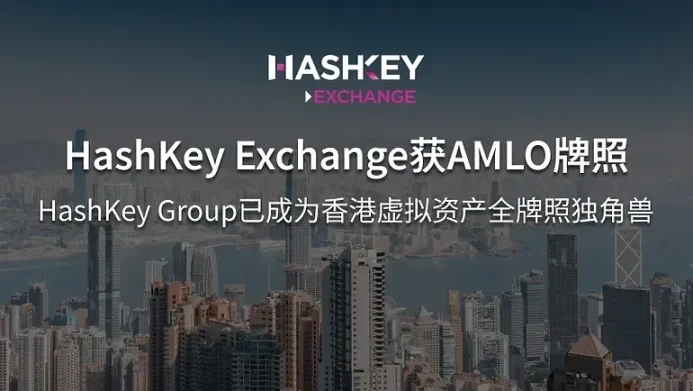
After Hong Kong’s Securities and Futures Commission issued virtual asset trading platform licenses this year, Livio Weng, CEO of HashKey Exchange, noted that the new rules effective June 1 would drive unlicensed platforms out of the market, creating a user overflow effect benefiting licensed operators. HashKey has already observed clear changes—new app activations increased by 267% week-on-week last week.
In the Web3 industry, trust is crucial for attracting investors and users. A license is not just a compliance badge—it symbolizes reliability and professionalism. Obtaining a legitimate license enhances brand image and opens doors to more funding and partnership opportunities.
-
Building User Trust: Due to the nature of the industry, users and investors often harbor concerns about the compliance and security of Web3 companies. Holding a valid license demonstrates regulatory adherence and strengthens trust. This trust attracts more users and increases institutional investor interest.
-
Boosting Brand Credibility: A compliance license signifies legitimacy and trustworthiness in global markets. By securing regional or international licenses, Web3 companies build strong brand identities and showcase their professional standing. In highly competitive markets, a license helps companies stand out.
-
Driving Fundraising and Collaboration: Licensed Web3 companies are generally more attractive to investors, especially institutional and venture capital firms. Investors prefer compliant businesses due to lower legal risks and higher market stability. A license thus facilitates access to greater financial support.
-
Expanding Partnership Opportunities: Financial institutions, tech suppliers, and multinational corporations are more likely to collaborate with licensed Web3 companies. A license reflects not only compliance but also maturity and responsibility. Thus, obtaining a license becomes a key prerequisite for expanding business partnerships.
Licensing Analysis: Stablecoin Issuance Under MiCA as a Case Study
Under the MiCA regulation, new strict rules for stablecoin issuers have taken effect across the entire European Union. This upcoming legislation marks a significant shift in Europe’s regulatory framework for stablecoins. Any entity issuing stablecoins in Europe must now comply with MiCA, prompting varied responses from institutions.
1. Responses from Licensed Institutions
Circle
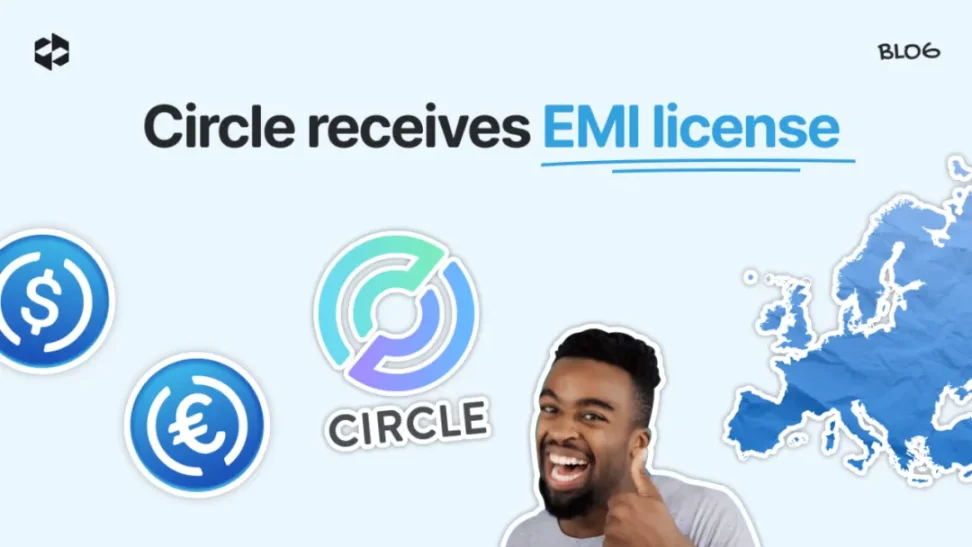
In June 2024, U.S.-based stablecoin issuer Circle announced full compliance with MiCA. The company became the first global stablecoin issuer to obtain an Electronic Money Institution (EMI) license under the EU’s MiCA framework, allowing it to operate throughout the EU using its license. Circle confirmed that its two main stablecoins, USDC and EURC, now meet the new regulatory requirements and can be used under the updated European rules. Registered in France as an EMI, Circle Mint France will issue its euro-denominated EURC stablecoin “onshore” within the EU, and will also issue USDC from the same entity, serving customers across the entire EU.
SG-Forge
Société Générale—forge (SG-Forge), a subsidiary of French bank Société Générale—also announced it has obtained an electronic money license, with its stablecoin EURCV now classified as an electronic money token under MiCA. SG-Forge updated its smart contract to remove whitelist restrictions, aligning with MiCA regulations. The update primarily aims to accelerate settlement speed, enhance security, and expand its applications on public blockchains. This enables EURCV to be used in broader markets, offering greater liquidity and utility.
Now that these stablecoin issuers have taken the step and secured EMI licenses, we may see other stablecoin companies seeking similar approvals in Europe—offering more choices for those wishing to use stablecoins.
2. Responses from Unlicensed Institutions
Due to stringent requirements for dollar-pegged stablecoins, many existing stablecoins risk being deemed non-compliant under MiCA and potentially forced to exit the EU market. According to MiCA, companies issuing fiat-backed stablecoins must now obtain an electronic money license within the EU. To offer stablecoins in the EU, issuers must register as either an electronic money institution or a credit institution. Key obligations include publishing a white paper, holding liquid reserves with a third-party custodian, and regularly reporting the value and composition of reserves.
Many cryptocurrency exchanges operating in the EU have already taken action ahead of the new rules taking effect. They’ve adjusted their stablecoin policies and product offerings, creating major opportunities for licensed electronic money platforms. Major exchanges like Uphold, Binance, Bitstamp, Kraken, and OKX have begun delisting non-compliant stablecoins such as Tether and DAI for their European customers, or have started imposing service restrictions on EU and EEA users—with others pledging to follow suit in the coming months.
Uphold
In June, New York-based crypto exchange and custodial platform Uphold announced it would cease support for several stablecoins in preparation for MiCA. These include Tether, FRAX, GUSD, USD, and TUSD. Starting July 1, 2024, these digital assets will no longer be available on the Uphold platform. Users holding these stablecoins are encouraged to convert them into other cryptocurrencies by June 28. After that date, the exchange will automatically convert any remaining holdings into USD Coin. If users fail to act before the deadline, these stablecoins will be automatically converted into Circle’s USD.
3. HashKey’s Stance: “License First”
Livio Weng, COO of HashKey Group and CEO of HashKey Exchange, said in a recent interview: “We firmly believe that unregulated financial services should not be attempted lightly—this closely aligns with our principle of ‘long-termism.’ All HashKey operations follow the principle of ‘license first, then operate.’ We have already obtained licenses in Japan, Singapore, Hong Kong, and elsewhere, with more applications underway. We consistently adhere to the philosophy of ‘no regulation, no finance,’ launching services only after securing regulatory approval.”
It is foreseeable that in the future, the “license-first” approach will become deeply embedded in the industry, evolving into a fundamental requirement for Web3 companies expanding their businesses.
Conclusion
This article uses MiCA and VARA licenses as entry points to compare differences in their licensed activities and, through real-world cases, analyzes in depth why it is essential for Web3 companies to obtain licenses. Of course, regulatory frameworks are not static. As pioneers, MiCA and VARA provide valuable models for licensing regulations around the world and will profoundly influence the future of the Web3 industry. Whether already licensed or still in the application phase, Web3 companies should reassess the risks and costs of licensing based on its strategic value, supporting sustainable long-term growth.
Join TechFlow official community to stay tuned
Telegram:https://t.me/TechFlowDaily
X (Twitter):https://x.com/TechFlowPost
X (Twitter) EN:https://x.com/BlockFlow_News