








Eight Years Ago He Went All-In on Ethereum. Why Is This Crypto Billionaire Now Obsessed with Longevity Science?
TechFlow Selected TechFlow Selected
Eight Years Ago He Went All-In on Ethereum. Why Is This Crypto Billionaire Now Obsessed with Longevity Science?
After achieving great success in cryptocurrency investments, James Fickel has quietly become one of the world's largest funders of longevity science and brain research.
 Navigating Web3 tides with focused insights
By Ashlee Vance, Bloomberg
Translated by Luffy, Foresight News
In early April this year, James Fickel boarded a train from Boston to New Haven, Connecticut, to inspect a batch of animal (pig) brains. These brains were stored in large containers arranged in rows inside a building on the edge of Yale University’s campus, connected to a tangle of tubes and several machines that pumped nutrient-rich fluid into them. Researchers have long dreamed of studying brains that remain functional outside the body—and this setup has turned that dream into reality.
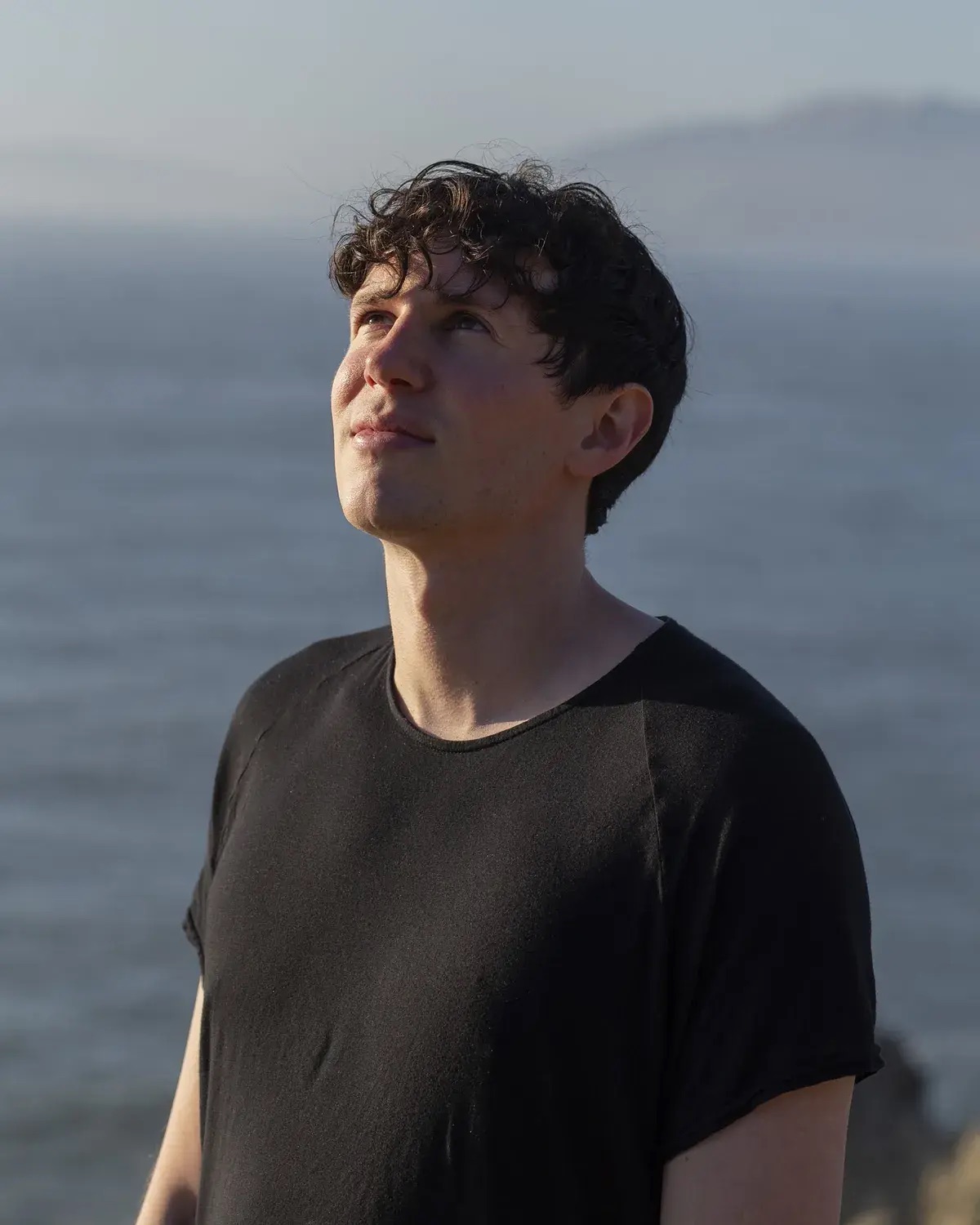
James Fickel. Photo: Bloomberg Businessweek
A few years ago, work by Croatian scientists Nenad Sestan and Zvonimir Vrselja paved the way for this kind of brain research. In 2019, they announced they had restored cellular activity in pig brains up to four hours after slaughter at a meat processing plant—an announcement that made headlines worldwide. Since then, this scientific endeavor has evolved from a research project into a startup called Bexorg Inc. The company hopes its technology—also applicable to donated human brains—will enable deeper understanding of brain biology, lead to better drug development, and possibly offer sci-fi-like recovery methods for people with brain trauma. As an early investor, Fickel has played a major role in advancing this work.
Fickel’s involvement with Bexorg was unexpected. After achieving massive success in cryptocurrency investments, he quietly became one of the world’s largest funders of longevity science and advanced brain research. Fickel has invested over $200 million across various startups and university labs, aiming to extend healthy human lifespan and prepare for coexistence between humans and artificial intelligence. He frequently invests alongside well-known, deep-pocketed philanthropists such as Bill Gates and Eric Schmidt. This is his first public discussion about his work in this field.
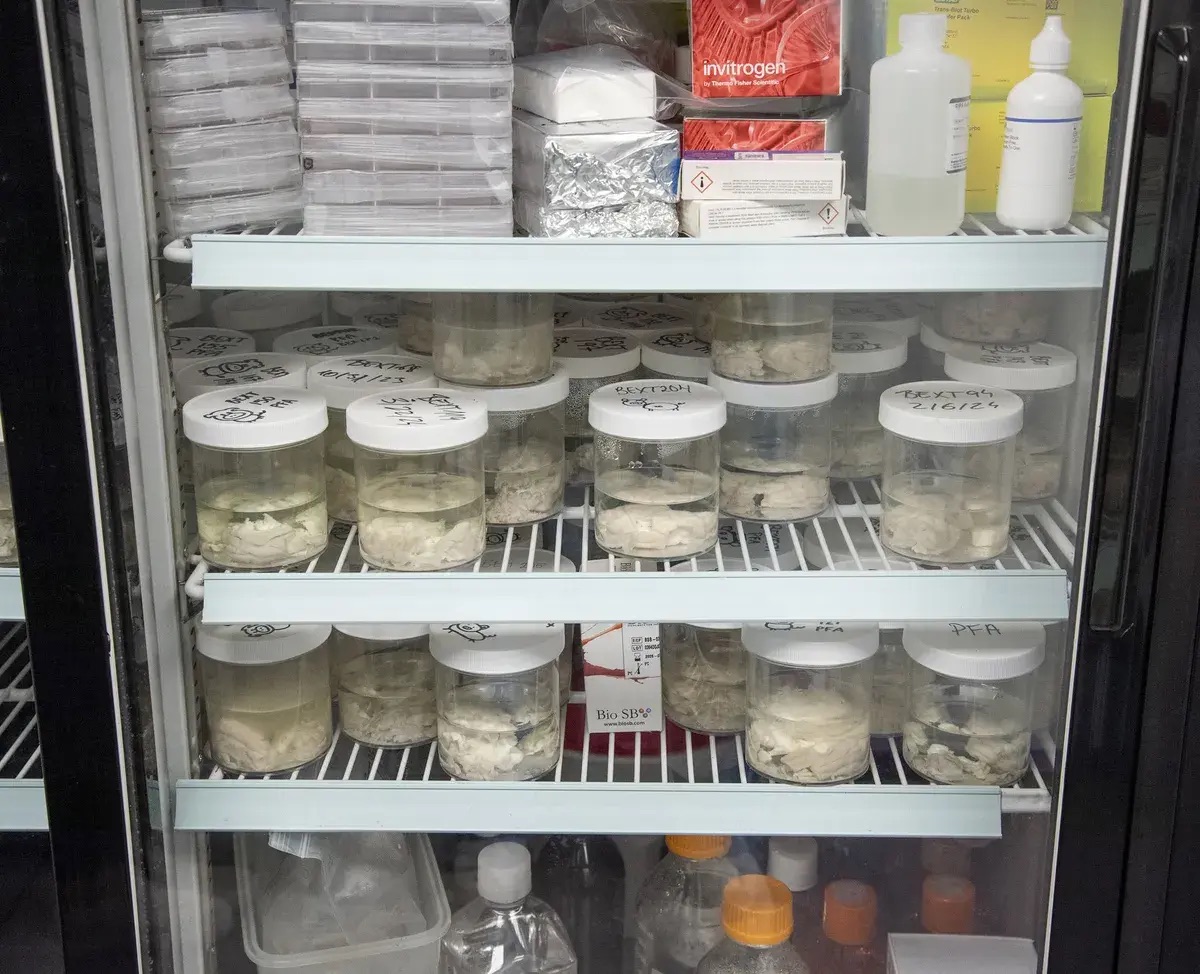
Canned pig brains stored in refrigerators at Bexorg's research lab in New Haven. Photo: Bloomberg Businessweek
Fickel’s unusual journey began in 2016 when, at age 25, he invested all $400,000 he’d earned from software development and stock trading into the emerging cryptocurrency Ethereum. At the time, Ethereum was a little-known token trading around 80 cents. Today, it’s one of the most recognized crypto assets, with each token worth more than $3,000. That single investment alone elevated Fickel into billionaire status.
Crypto billionaires are often known for partying in tax havens and chasing financial fads. Fickel previously appeared in mainstream media only once—in 2018, when The New York Times featured him in an article titled "Everyone Became Very Rich, and You Didn’t." He was photographed with his cat Bigglesworth, portrayed as an apostle of populist digital currency movements. The article also recounted how his personal trainer made a fortune following his trading advice.
Fickel has a sense of fashion and occasionally enjoys partying, but he doesn’t fit the typical mold of a crypto enthusiast. He leans toward the intellectual side of cryptocurrency. He funded academic research on Ethereum price volatility, including a paper published in 2020 by Columbia University professor Timothy Roughgarden, a leading researcher in algorithmic game theory. That paper helped stabilize Ethereum transaction fees and curb inflation trends in the network.
When the pandemic hit, Fickel suddenly grew tired of the crypto industry. Seeking a more comfortable place to ride out the crisis and avoid state income taxes, he moved from San Francisco to Austin, Texas, in 2020. “I decided to be a monk for a while—I read a lot,” said Fickel, who is tall, lean, and something of a laid-back futurist. “I’d been in crypto for a long time and needed to think about something different.”
In Texas, he read works by longevity gurus like Nir Barzilai and Aubrey de Grey, then delved into deeper scientific texts, discovering respected researchers who genuinely believed major breakthroughs in longevity were imminent. This seemed far more compelling than the new hobbies pursued by many other crypto enthusiasts—such as non-fungible tokens (NFTs), which Fickel found absurd. He decided to become an investor and philanthropist, and started emailing startup founders introducing himself and asking whether they had suggestions on where to allocate funds. Unsurprisingly, founders were thrilled to hear from him.
By 2021, Fickel decided to formally commit to investing and philanthropy. (Translator’s note: James Fickel remains an active whale in the cryptocurrency space, with frequent large-scale transfers and trades occurring in his on-chain wallet.) He founded the Amaranth Foundation and hired Alex Colville, then a young genetics PhD student at Stanford University, as his primary investment partner. Together, they began interviewing dozens of researchers and startup founders and reading vast amounts of scientific literature. Despite lacking formal academic training, Fickel learned quickly and soon could engage deeply with scientists, assessing whose work held the most promise.
In the first 18 months after Amaranth’s founding, Fickel’s organization deployed $100 million—with 70% going to startups and the rest funding ambitious academic moonshot projects. Amaranth has invested in approximately 30 companies and research groups. Among Fickel’s earliest investments were Cellular Longevity Inc (developing drugs to extend dogs’ lifespans), Cyclarity Therapeutics Inc (researching therapies to reverse arterial plaque buildup and prevent heart disease), and LIfT BioSciences (developing novel cells capable of destroying cancerous tumors). Today, he is the largest backer of age1, a venture fund focused on longevity science co-founded by Colville and renowned investor Laura Deming.
For someone who amassed enormous wealth through cryptocurrency, Fickel’s high tolerance for risks that other investors might avoid seems understandable. His interest in Magic Lifescience, based in Mountain View, California, illustrates this point. Founded in 2021, the company uses technology developed over years at Stanford to build a toaster-sized machine capable of diagnosing multiple diseases using small samples of urine, saliva, and blood. Its resemblance to the infamous diagnostics startup Theranos posed clear fundraising challenges. Yet these hurdles didn’t deter Fickel—he led Magic’s initial funding round.
Initially, the Amaranth Foundation provided grants to individuals doing meaningful work in Alzheimer’s and mental health before diving deeper into brain science. Beyond Bexorg, Fickel has supported E11 Bio, which develops new brain-mapping technologies, and Forest Neurotech, which manufactures brain implants that emit ultrasound pulses to study the causes of mental health disorders and neurological diseases. One of the foundation’s latest investments is a $30 million grant to a secretive Stanford project called Enigma, which aims to construct an ambitious structural model of the brain and map the activity of every neuron across the entire organ.
Fickel says part of his interest in the Enigma project lies in its potential to create a digital representation of the brain that could help train AI systems. Once we fully understand the mechanics of the human brain, we could use that knowledge to digitally recreate an artificial brain. Using associated data and AI models, we could gain a more comprehensive understanding of how we think and how our values are deeply rooted. If we’re lucky, this may enable safer ways of merging humans and machines in the coming years. “We really don’t know what’s safe or unsafe when we transfer capabilities along one dimension or another,” Fickel said. “We need to figure out how to give AI systems representations and values similar to ours and bind models to our capabilities until we learn how to safely design more powerful minds.”
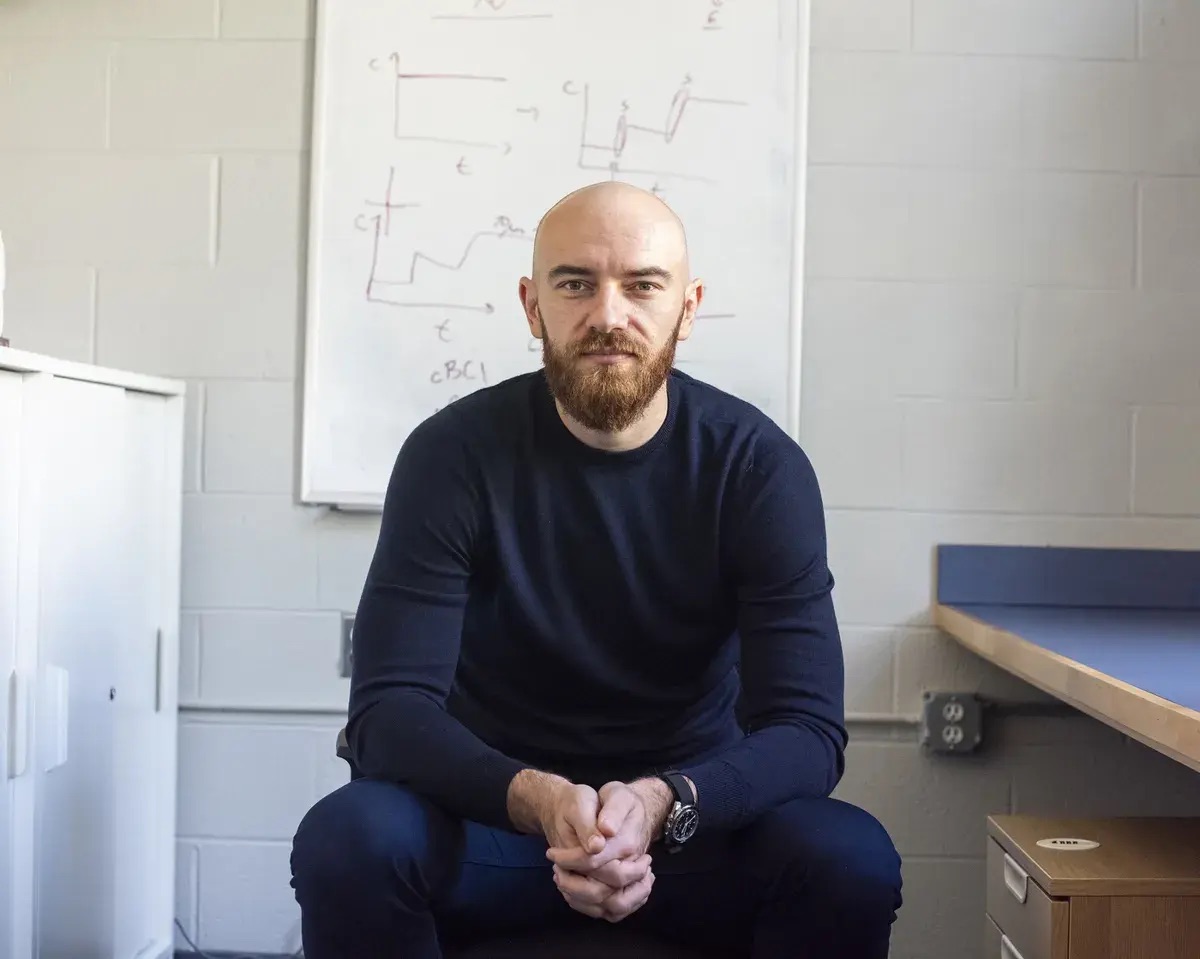
Zvonimir Vrselja in his lab at Yale University. Photo: Bloomberg Businessweek
Back at Bexorg, scientist Vrselja moves among rows of tanks containing brains. Beside him are Fickel and Joanne Peng, who joined Amaranth as chief of staff after Colville transitioned to managing age1. At 24, Peng is another biotech prodigy who took a two-year leave from Princeton University to pursue a Thiel Fellowship. While completing her degree, she now helps Fickel manage his vast wealth.
Vrselja tries to show all the progress the startup has made since Fickel’s last visit a year earlier. “Everything you see—code, hardware, software, fluids, everything—is built by us,” he says. The technology could allow pharmaceutical and biotech companies to test compounds and their effects on the brain in entirely new ways, serving as an alternative to human trials. Currently, the only path to testing drugs on humans involves years of animal trials—a process that remains expensive and arduous even then. “Drug development is hard; developing brain drugs is even harder,” Vrselja says.
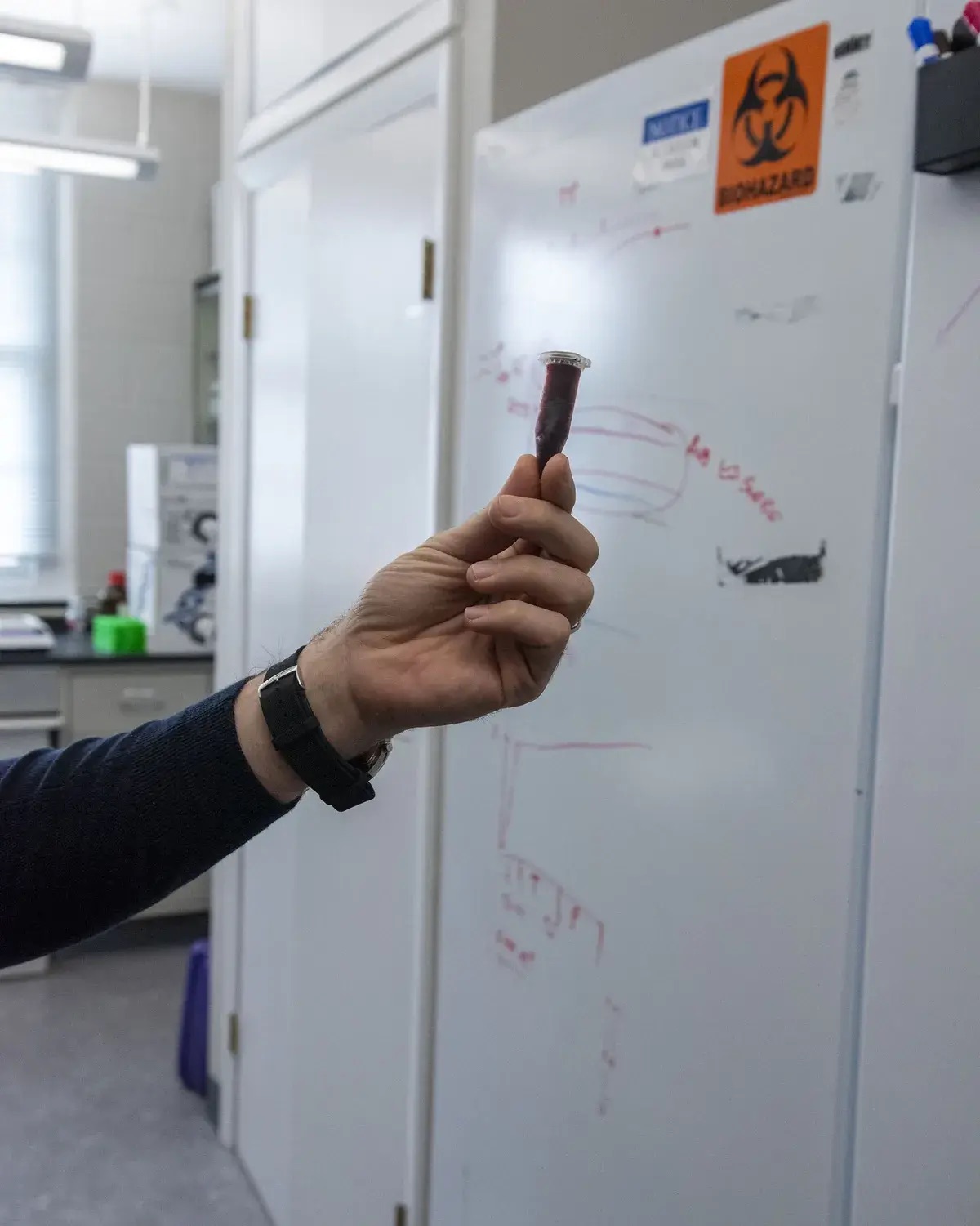
Bexorg's custom blood substitute. Photo: Bloomberg Businessweek
With Bexorg’s system, however, brains affected by diseases such as Alzheimer’s and Parkinson’s appear capable of maintaining certain functions. The company says that while cellular activity continues in these brains, neurons stop firing, meaning there is no consciousness. It’s certainly not equivalent to clinical trials, but the hope is that early brain testing will save time and money by making it easier to identify promising candidates for exploration early in the drug development pipeline.
“I’m not a physicist or neuroscientist,” Fickel said, describing his investment philosophy. “What I try to do is build a higher-level mental model alongside top scientists and then push for the kind of world change I want to see.”
Join TechFlow official community to stay tuned
Telegram:https://t.me/TechFlowDaily
X (Twitter):https://x.com/TechFlowPost
X (Twitter) EN:https://x.com/BlockFlow_News
 @Bloomberg


