Election Day Highlights: This Crypto Group Spent $113 Million Supporting "Pro-Crypto" Candidates
TechFlow Selected TechFlow Selected
Election Day Highlights: This Crypto Group Spent $113 Million Supporting "Pro-Crypto" Candidates
Sometimes, people tend to simply assume that "a particular party winning is better for cryptocurrency."
 Navigating Web3 tides with focused insights
Author: YB
Translation: TechFlow
Happy Election Day!
Don't worry, today's post won't dive into anything on-chain.
This is a special day that comes once every four years when we can legitimately put down our work and fully enjoy the social media circus.
Sunday, a friend asked me what I thought about how the election might impact crypto and tech.
All I could say was: "Uh, I saw someone on Twitter saying the market might go up if Trump wins." But why? Is that true?
To be honest, I'm not entirely sure. Frankly, I don’t care much. Macroeconomic and political analysis isn’t my strength.
I’ve been in this space for five years now—short-term price movements don’t affect me much.
However! Yesterday I spent some time digging in. If you're wondering what crypto-related things to pay attention to on Election Day, here are some basic thoughts I’d like to share.
Let’s take a look.
Focus
From my research, I’ve realized that the impact of this election on crypto is fundamentally different from previous ones, because cryptocurrency has actually become a major topic discussed by candidates.
Note: This includes candidates running for seats in both the House and Senate.
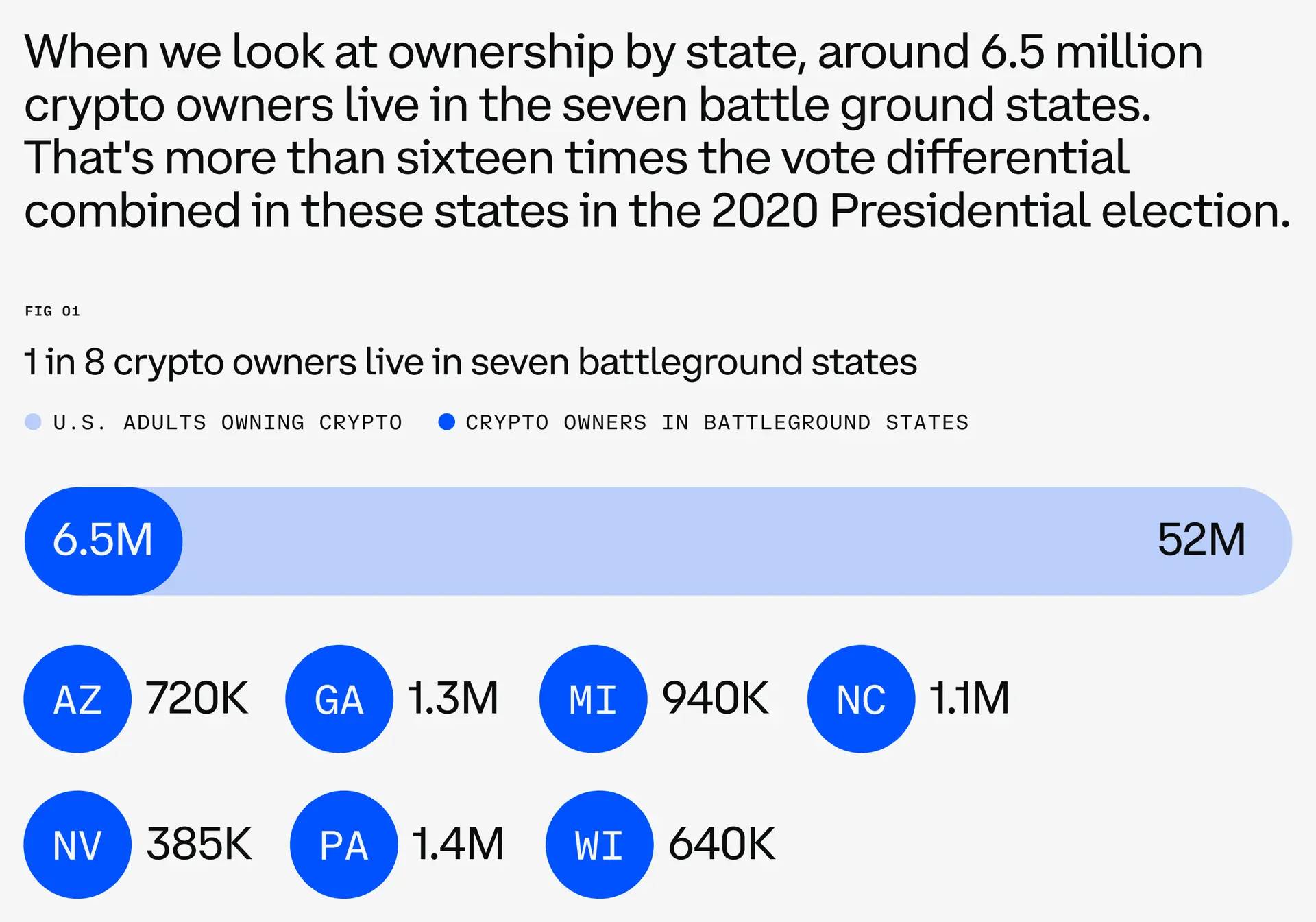
I think Coinbase may have slightly overstated the importance of crypto in elections with its State of Crypto report. For example, while 52 million people hold digital assets, I don’t believe crypto ranks high in most voters’ decision-making criteria.
Yet, as we saw in the 2020 election, races can be extremely tight! In states like Georgia and Pennsylvania, outcomes could hinge on the final 10,000 votes.
Here’s my key point: even if only 20% of crypto holders in swing states care about their investments, crypto policy could still have an outsized influence due to the design of the electoral system.
Virtually every politician running for office has been asked about their stance on digital assets, blockchain technology, and stablecoin regulation.
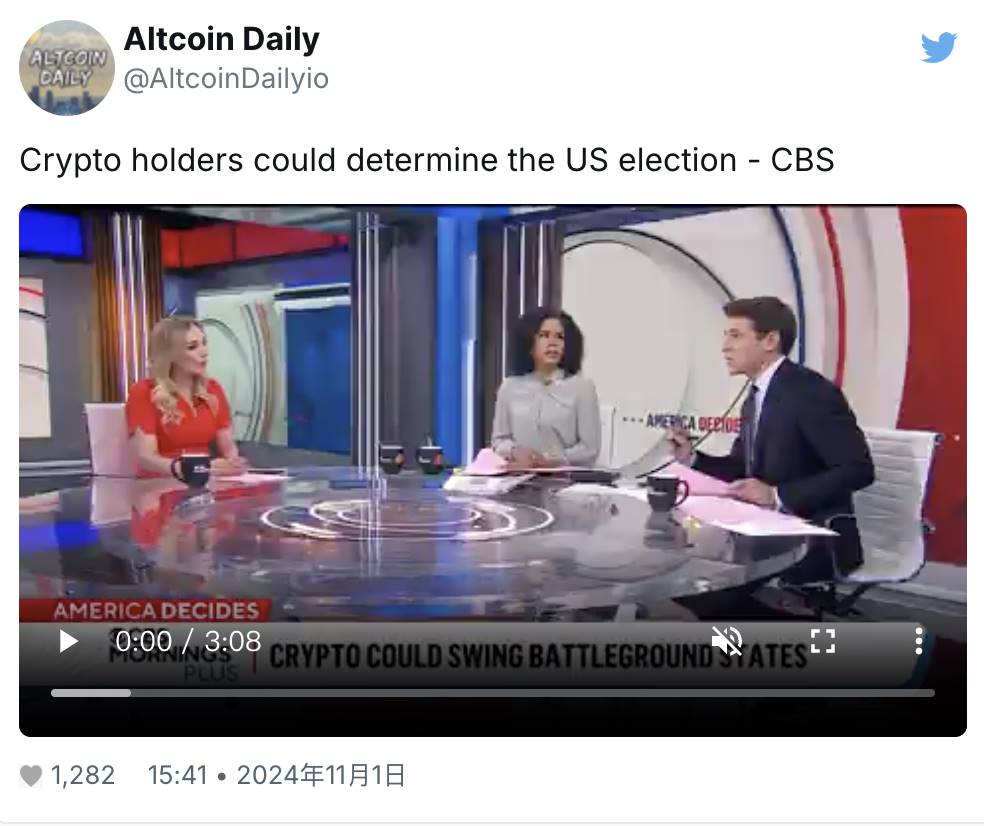
This has also forced mainstream media to cover the topic. While it remains unfamiliar territory for them (check out the CBS video below), they’re almost compelled to discuss crypto in some form.
Many presidential candidates have participated in tech-focused podcasts like “All-In” during this cycle. Even Trump sat down for an interview with Farokh.
Clearly, candidates are actively trying to capture the attention of crypto voters. While these promises mean little until implemented, crypto has undeniably become a significant issue.
This made me wonder—why has the situation changed so dramatically over the past year?
Fairshake Super PAC
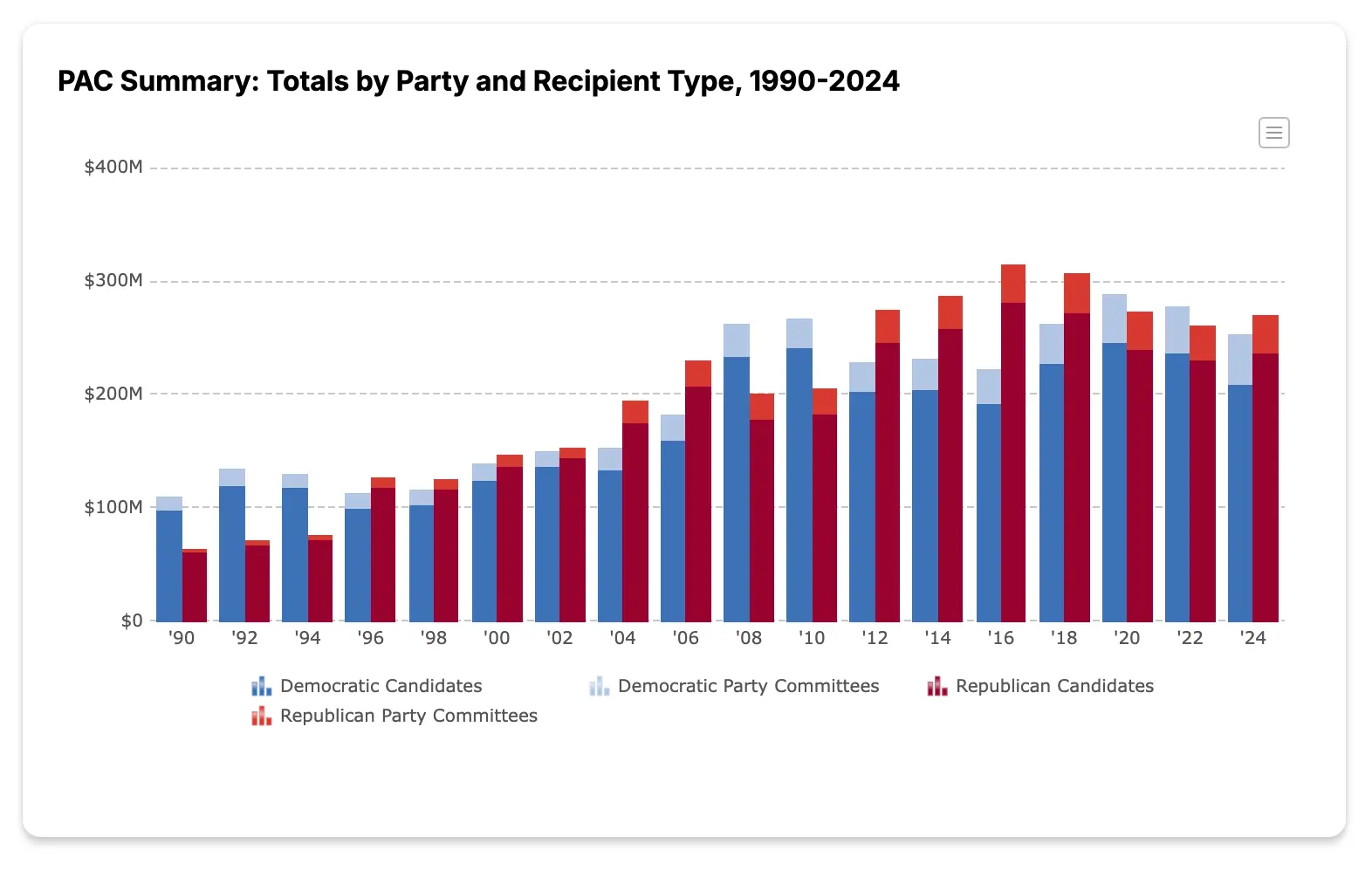
For friends outside the U.S., Political Action Committees (PACs) are organizations focused on specific issues that raise funds to influence elections—either supporting candidates aligned with their views or opposing those who aren’t.
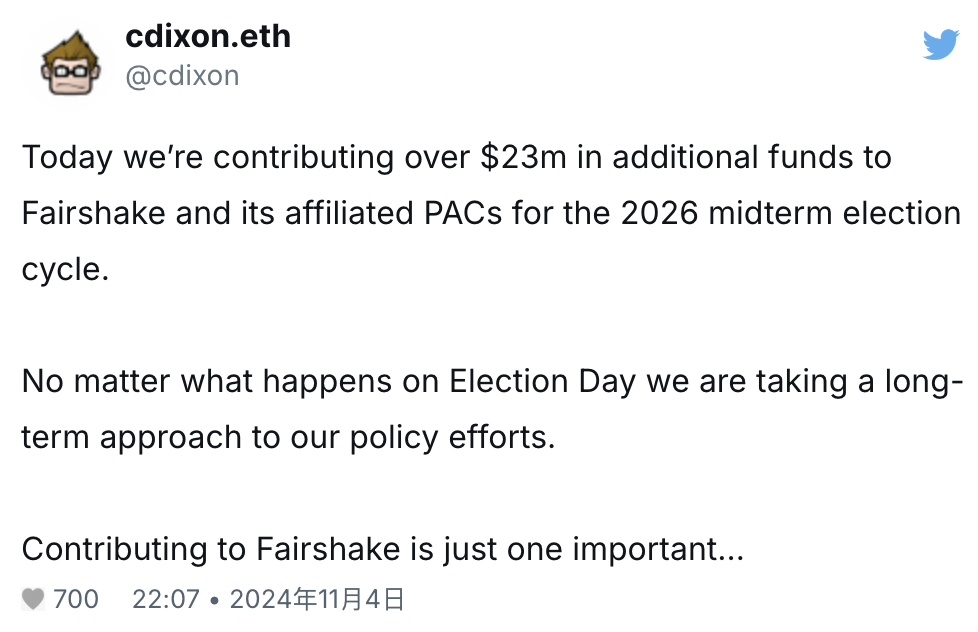
Over the past year, many of us have seen industry leaders like Chris Dixon and Brian Armstrong announce their support for Fairshake PAC.
Since 2022, Fairshake has supported pro-crypto candidates across both parties. Their mission statement on the website reads:
Fairshake supports those committed to making America the home of next-generation internet innovators.
For the open blockchain economy to fully thrive in the United States, it is essential to provide blockchain innovators with the ability to build networks under clearer regulatory and legal frameworks.
I had known about Fairshake before but hadn’t paid close attention to their actual numbers. Yesterday, while browsing Open Secrets, I was stunned by the amount of money Fairshake raised.
They ranked sixth on the fundraising list, raising nearly $300 million.
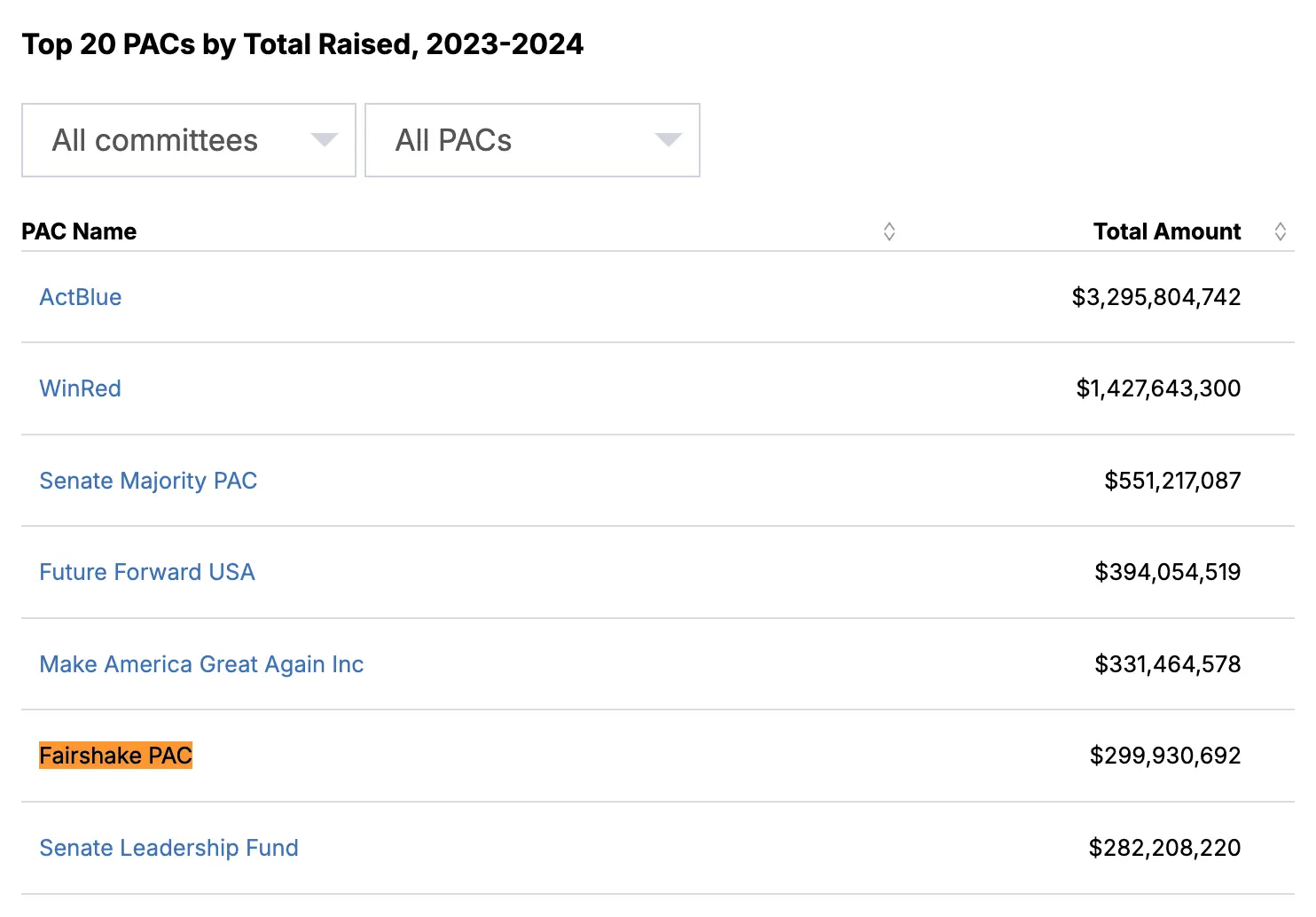
Notably, Fairshake (independent) works alongside affiliated PACs such as Defend American Jobs (conservative) and Protect Progress (liberal), so the total fundraising reflects combined figures across these groups.
Below is the list of the top 15 donors—all familiar names:
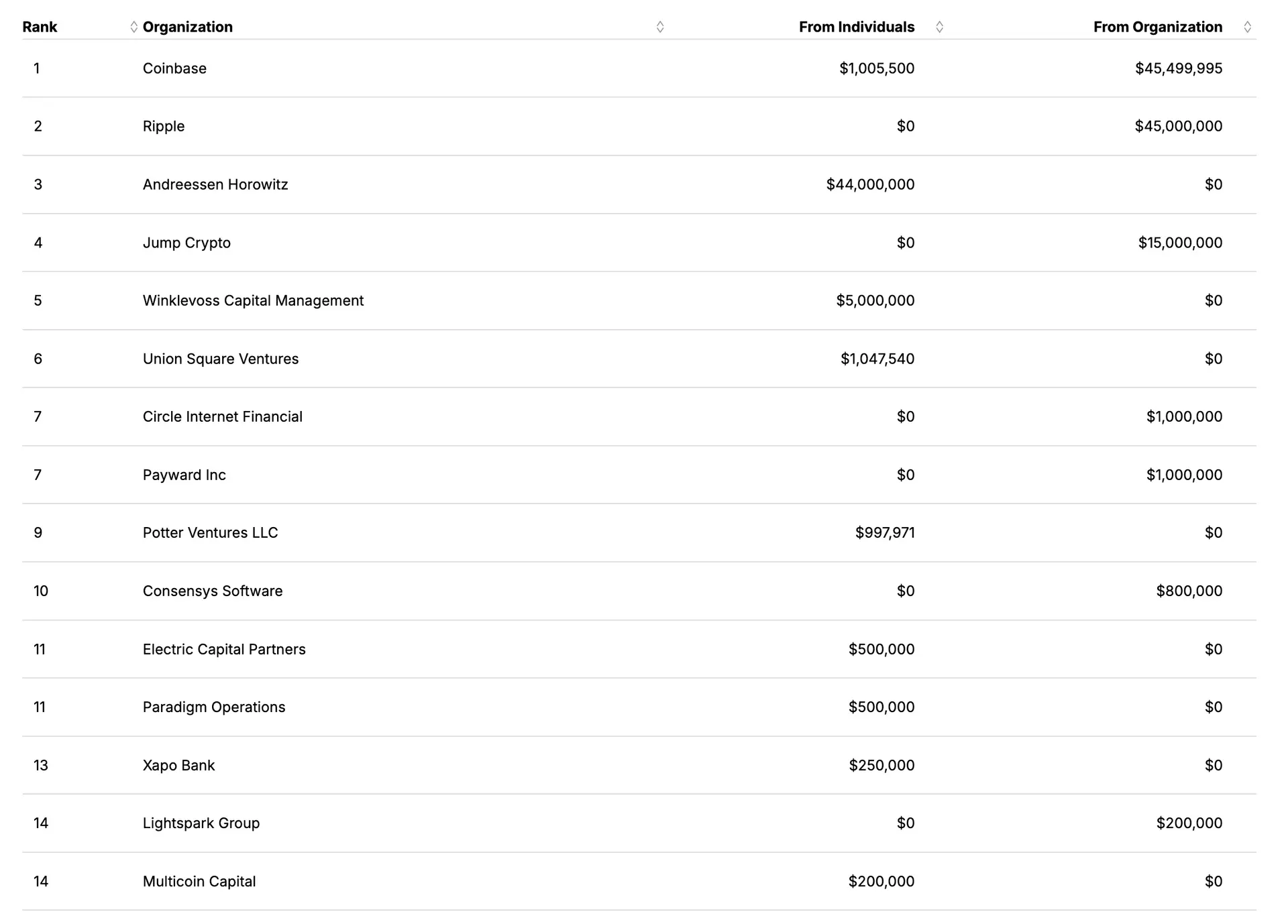
Spending by organizations in the 2024 federal election cycle:
-
Fairshake: $40,698,591
-
Defend American Jobs: $57,883,662
-
Protect Progress: $34,633,121
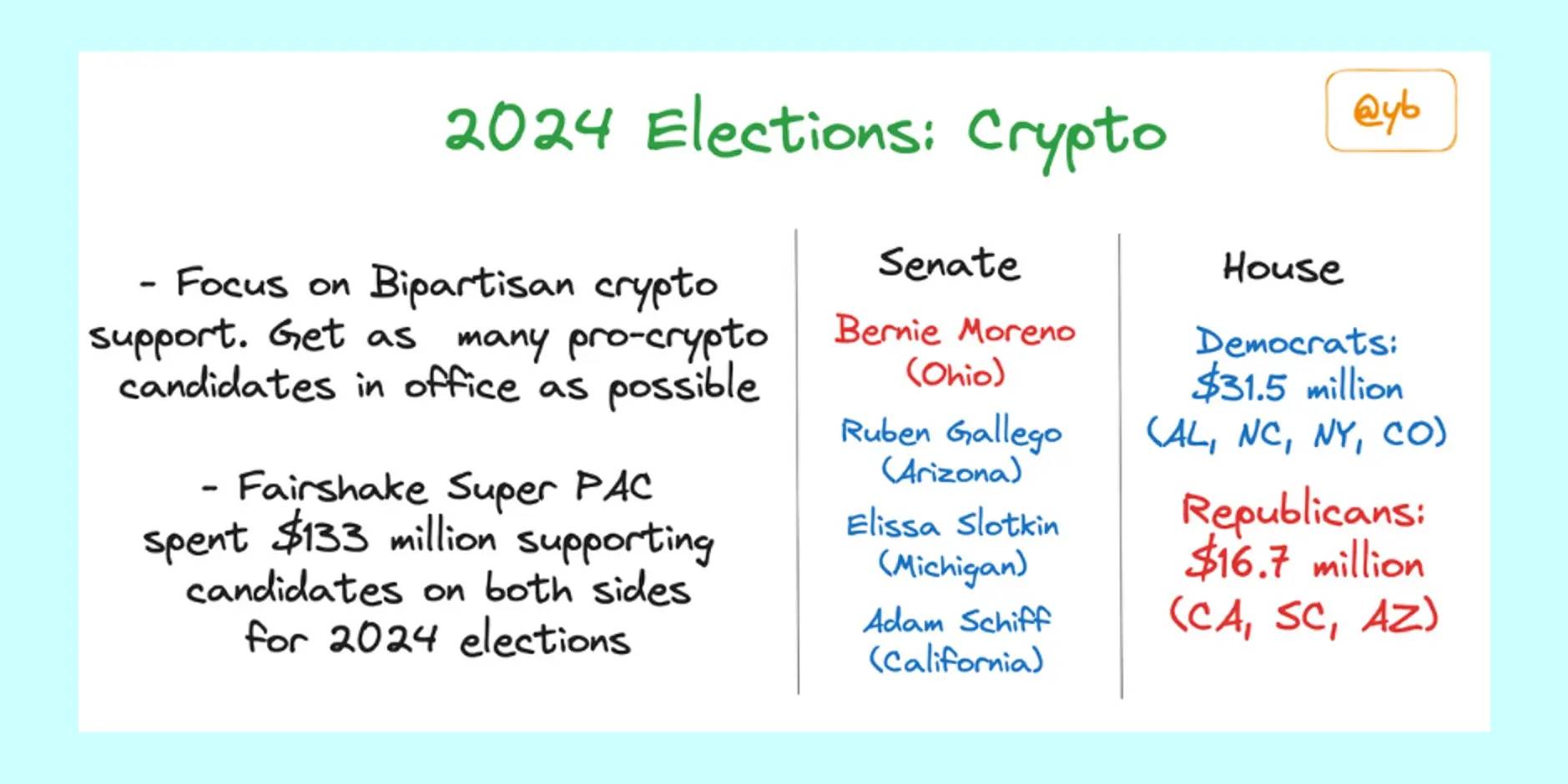
Total: $133,162,374.
Until yesterday, I realized most people only focus on the contrast between Trump and Kamala on crypto policy. But what’s more interesting is Fairshake’s efforts in key Senate and House races—they support candidates in both parties!
Supporting Pro-Crypto Candidates
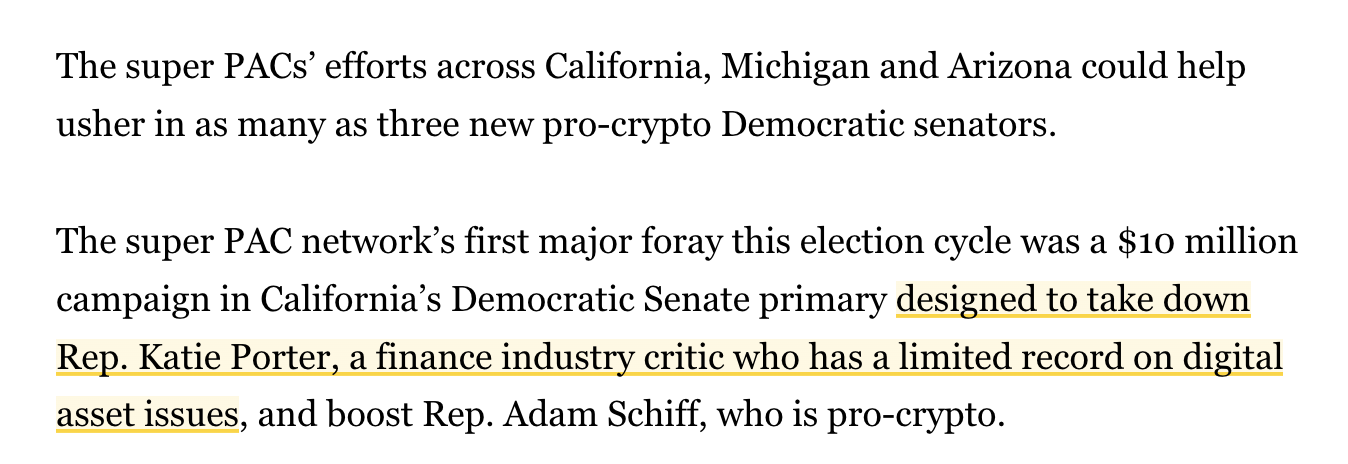
This Politico article details all candidates receiving funding from Fairshake. Below, I’d like to highlight a few particularly notable ones.
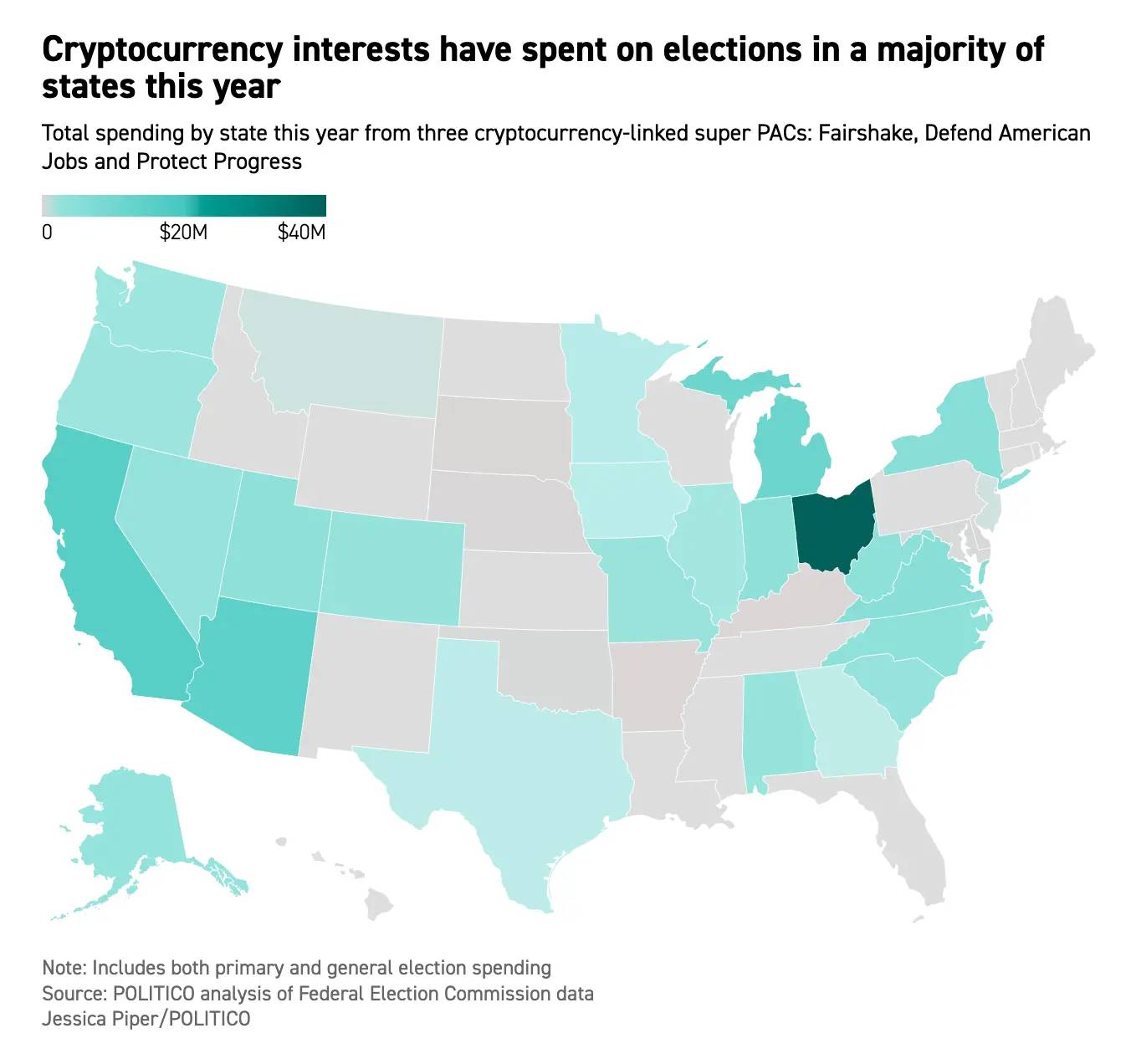
Senate
Ohio: Republican Bernie Moreno received $40.1 million in support for his Senate race against Democrat Sherrod Brown.
Arizona: Democratic Representative Ruben Gallego received $10 million in support to challenge Republican Kari Lake.
Michigan: Democratic Representative Elissa Slotkin received $10 million in support to defeat Republican Mike Rogers.
House
In the House, Fairshake is focusing on around 50 competitive races nationwide.
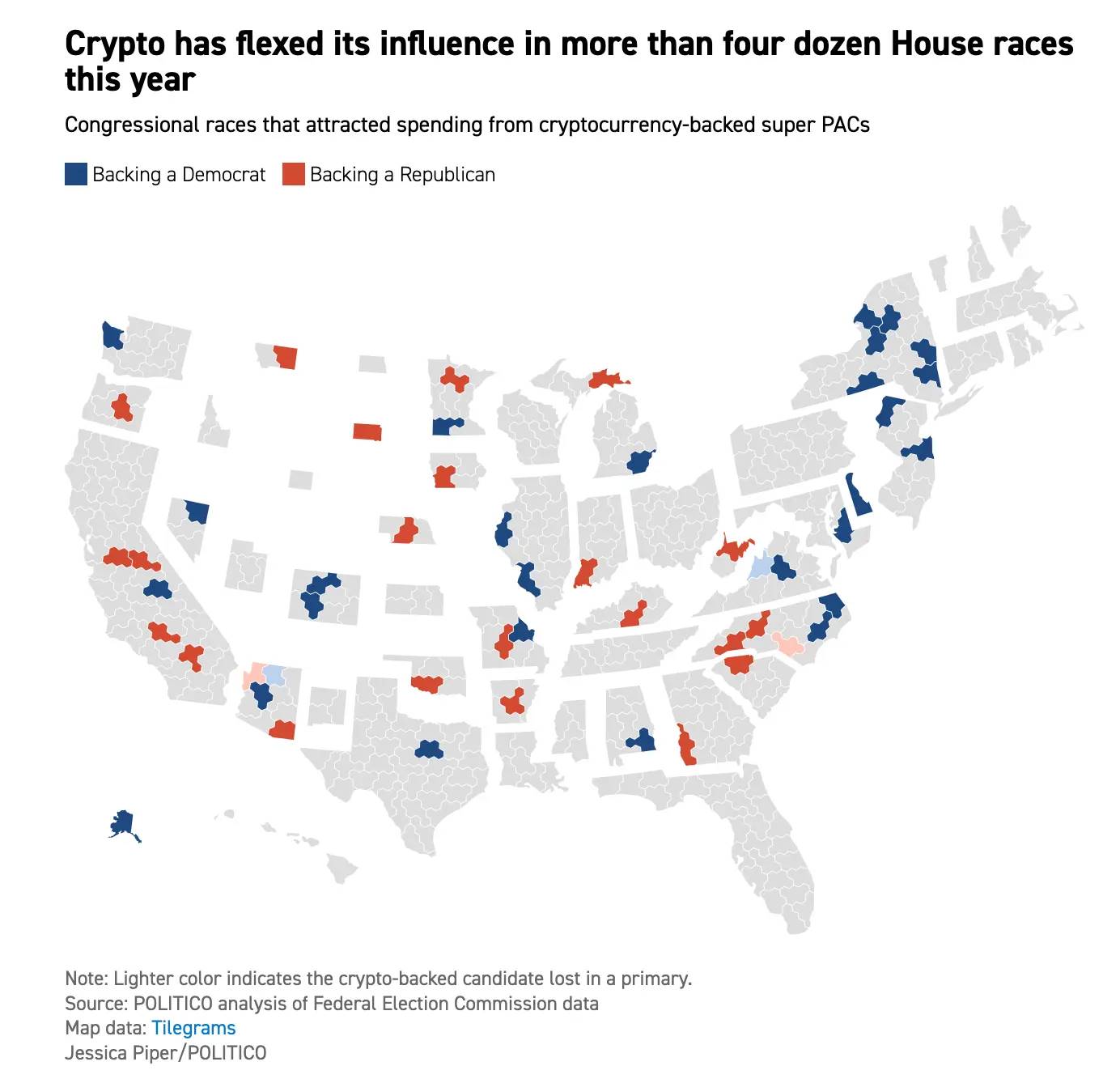
"We've observed broad bipartisan consensus on viewing crypto and blockchain as vital components of the future economy... We will continue investing resources in leaders across both chambers and both parties who take real action and collaborate with the industry to advance innovation, create jobs, and maintain America’s global leadership through responsible regulation."
Fairshake announced it will spend $25 million on TV ad campaigns supporting 18 House candidates from both parties.
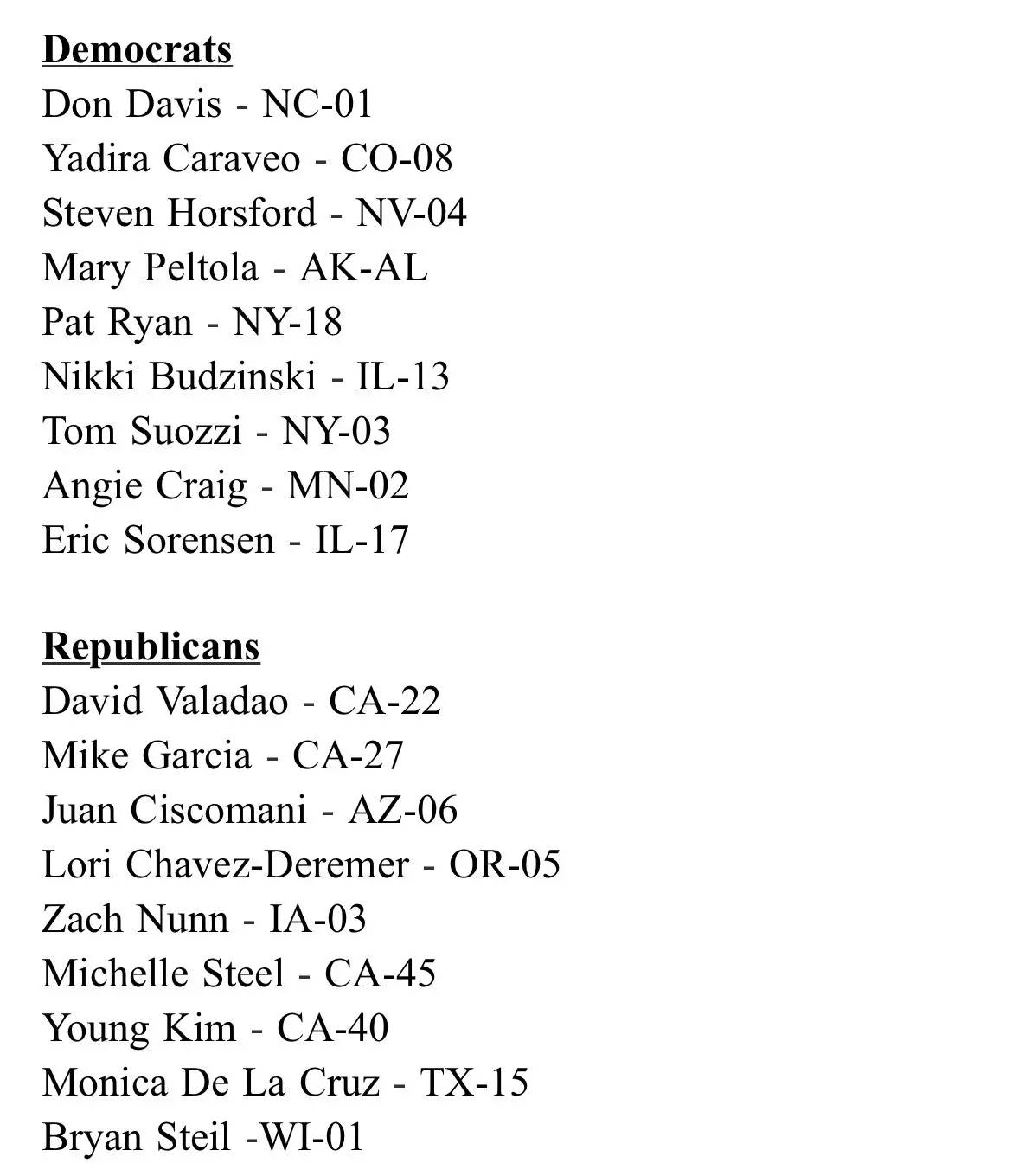
Sometimes people tend to oversimplify by thinking, “One party winning is better for crypto.” To some extent, this makes sense—holding the majority in Congress is indeed crucial.
However, it’s worth noting that the key crypto legislation FIT 21 (Financial Innovation for the 21st Century) recently passed the House with strong bipartisan support, including votes from 71 Democratic representatives.
Every pro-crypto candidate elected today won’t just be able to drive meaningful change over the next two years (until the midterms), but also help set the tone for future candidates' positions on digital assets.
That’s all for today. See you next time!
Join TechFlow official community to stay tuned
Telegram:https://t.me/TechFlowDaily
X (Twitter):https://x.com/TechFlowPost
X (Twitter) EN:https://x.com/BlockFlow_News