Will the recently popular Off The Grid be a game-changer for Web3 gaming?
TechFlow Selected TechFlow Selected
Will the recently popular Off The Grid be a game-changer for Web3 gaming?
Although it's still too early to predict the ultimate success or failure of OTG, its impact has already begun to emerge.
 Navigating Web3 tides with focused insights
Author: 1mpal
Translation: TechFlow
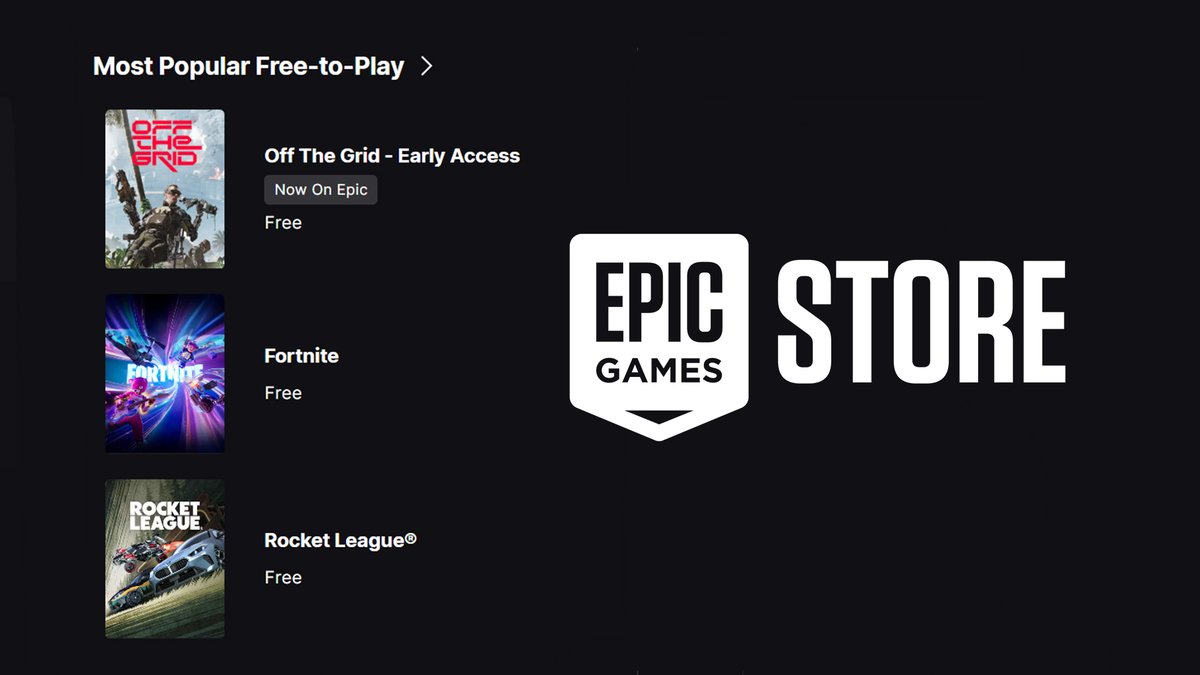
Just one week ago, the Web3 gaming space felt like a barren wasteland. Most games were struggling to gain momentum for token listings, while all attention was captured by meme coins. But today, the situation has dramatically shifted. The success of Off The Grid (@playoffthegrid) has injected fresh energy into the sector, sparking excitement and optimism—standing in stark contrast to Limit Break’s expensive Super Bowl ad campaign.
Of course, fun is subjective, so I won’t rate the game here. However, my Web3-savvy friends generally agree that this game is “more enjoyable than 99% of Web3 games.” Interestingly, they all add, “I play it because it's genuinely engaging, but I don’t expect any significant financial returns from it.”
A single successful game can shake the entire market. In the short term, there won’t be another game like OTG, nor is there currently any other Web3 game that matches its marketing or gameplay performance. While it’s still too early to judge OTG’s ultimate success or failure, its impact is already evident. Its influence will undoubtedly continue shaping the Web3 gaming landscape for some time to come.
1. Separation of Game and Token
OTG has already sold its tokens and nodes, but they aren't fully operational yet. If OTG ultimately fails, no one will blame blockchain or the token itself. Conversely, if OTG succeeds, it may not directly correlate with GUN Token’s performance. Whether GUN Token will perform well remains to be seen. Relying primarily on tokens as a revenue model presents challenges. It might be more appropriate to compare future token performance with cases like mythical games.

Let’s recall: How did we make money in MMORPGs like Ultima Online, World of Warcraft, or RuneScape (or Lineage)? Some players collected in-game materials, others engaged in market arbitrage based on patch notes, and some crafted top-tier gear and helped fellow players profit. The key point is that players created all supply within these systems—unlike today, where developers tightly control item availability. Sustainable economic ecosystems have always revolved around monetization through in-game supply-demand balance. Today’s peer-to-peer ecosystem organized by OTG similarly lacks developer-controlled supply.
Some may argue now is the ideal time for OTG to launch its token, but this view is overly biased toward Web3. Just as Web1 evolved into Web2, the goal of Web3 gaming should be to solve Web2 gaming problems and evolve further. Why do people play OTG? For the GUN Token? Or for NFT skins? Right now, it's more about playing alongside famous streamers like Ninja and winning matches. This suggests economic incentives play a relatively weak role in player motivation.
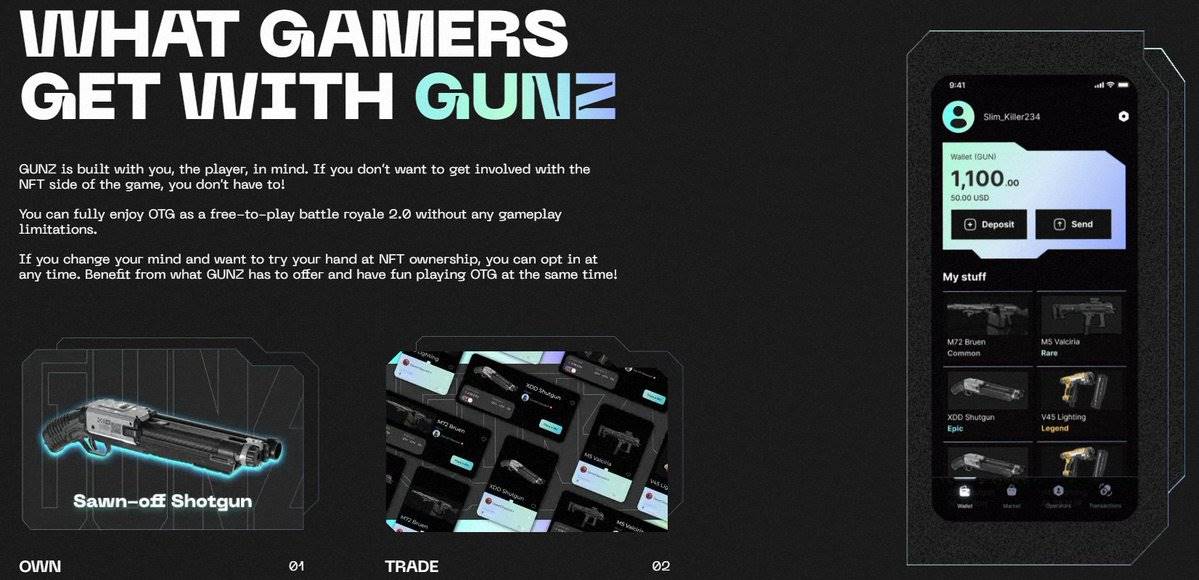
In the long run, for OTG’s sustainability, it would be wiser to continuously reinvest part of revenues back into the game rather than conduct token buybacks. Node operators also receive rewards, so token buybacks aren’t necessary—especially since the game’s primary target audience has always been Web2 players. Games shouldn’t easily default to Web3 considerations. Regardless of how GUN Token performs, the more successful OTG becomes, the higher the likelihood of AVAX chain activation, making AVAX the only effective bet on OTG. For OTG players, tokens are just another form of payment.
2. Mass Marketing and Timing
According to Web3 gaming founders, OTG is estimated to spend at least $1 million per day on marketing, especially targeting top streamers like Ninja and Shroud. In the short term, the most effective marketing strategy is maximizing exposure. While many Web3 institutions may claim Web2 marketing tactics don’t work, their most common approach is actually flooding social media with the same keywords via groups of well-known influencers.

For comparison, in 2021, top Twitch and YouTube creators in the Korean market earned approximately $30,000 per livestream or video upload. With increased influence and costs, top creators now likely charge between $40,000 and $50,000. These top creators have 1 to 2 million subscribers, and global creators’ fees are even higher.
While OTG is currently the only Web3 game that can be considered AAA in scale (setting aside Star Atlas), its production budget is actually relatively low compared to typical AAA titles. According to Delphi’s research, OTG’s development cost is only about one-twentieth that of a game like GTA 6. Despite this, their efficient use of marketing budgets has been recognized, contributing to an over 10% increase in AVAX token value. Given AVAX’s high fully diluted valuation and market cap, it’s no surprise AVAX allocated substantial funds to support marketing.
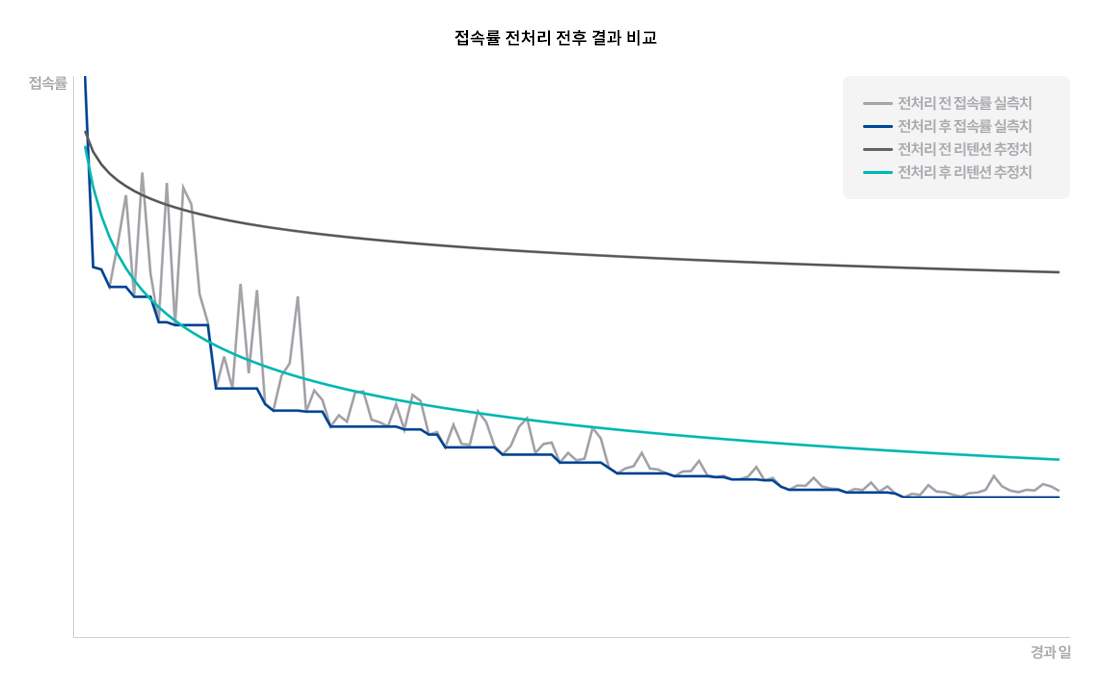
(Chart reference: source)
What many fail to notice is that a game’s user peak typically occurs right after launch, and few projects manage to reach that peak again. Ironically, many Web3 games fail to effectively boost both token and player bases upon release, with prolonged initial campaigns often leading to wasted resources. In the future, we may see more stealth-mode projects going all-in at launch.
3. Rise of Streamers and Influencers
(Image source)
Remember when OTG first released its teaser trailer? Despite high expectations within the Web3 community, the YouTube community responded lukewarmly. People expressed skepticism toward the battle royale genre (which was less popular than looter-shooters at the time), criticized the low frame rate in the trailer, and grew tired of repeatedly seeing Dr Disrespect’s gameplay demos.
So what resulted from massive marketing efforts? Millions of players tried the game, over 2 million created accounts and wallets, and more than 3 million transactions occurred. Beyond the game’s high quality, this moment proved the immense influence celebrities and streamers wield in credibility and mobilization. Mainstream players trust the messenger more than they trust blockchain or the game itself.
When some YouTubers show a game trailer saying, “This looks interesting!” it generates some interest. But when top influencers livestream gameplay and interact with audiences, the impact multiplies significantly. Due to high system requirements and the need for organized promotion, many Web3 on-chain players have struggled to access this game.

The long-term sustainability of OTG depends on whether its promoting streamers become organic, self-motivated players. Additionally, given the widespread cheating issues in shooter games, the argument that AAA-level play-to-earn games are inherently unsustainable cannot be ignored. The road ahead is tough, but I sincerely hope OTG succeeds—for the benefit of the entire industry. It’s not market narratives that transform gaming ecosystems, but unique successes.
While it’s still too early to determine whether Off the Grid is truly successful, it has indeed injected new vitality into the market.
-
Effectiveness of traditional marketing: OTG has proven that traditional game marketing can work in the Web3 space.
-
Playing for fun, not profit: Players’ motivation to play OTG isn’t driven by earnings. This shift could send shockwaves through the market.
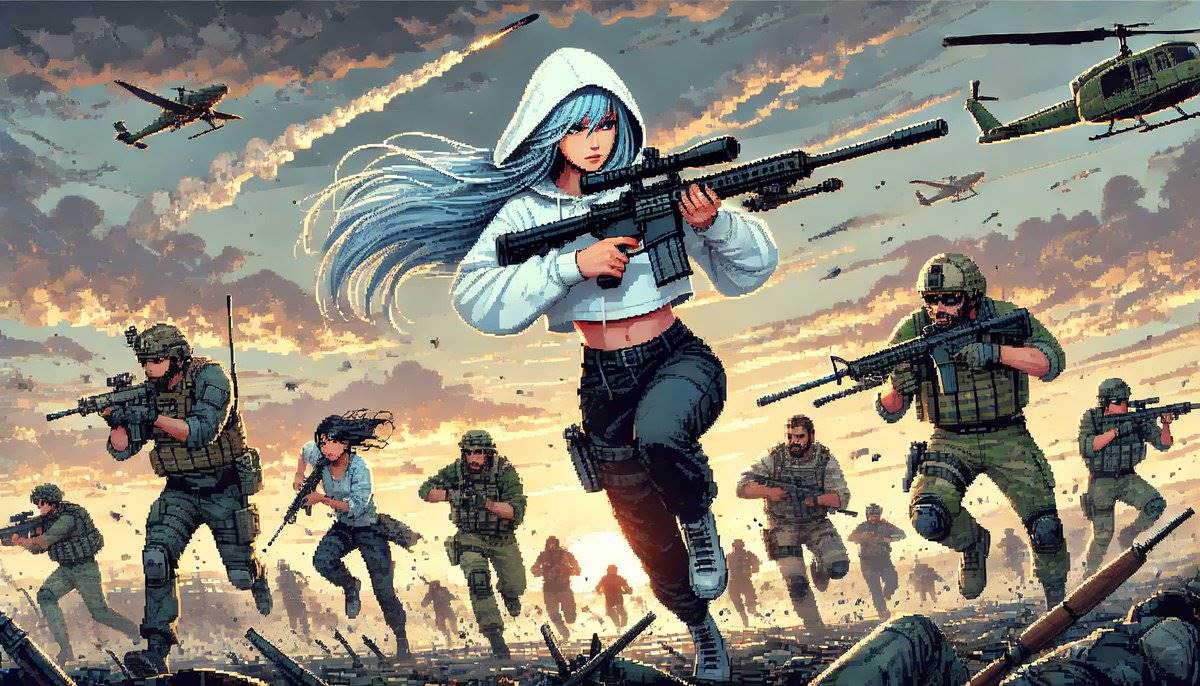
While OTG cannot yet be called a successful game, its marketing strategy has already succeeded. Notably, the game’s approach perfectly aligns with current market priorities. By shifting player motivation from earning to entertainment—even if it means downplaying Web3 elements—it addresses skepticism arising from the weaknesses of Web3 game tokens.
Not every game can or should emulate OTG’s model. There will still be airdrops, free mint NFT whitelist promotions, and demands for social engagement. Interest in tokenized games will persist. Nevertheless, there’s no doubt that OTG’s performance has planted seeds of confidence among games currently in stealth development.
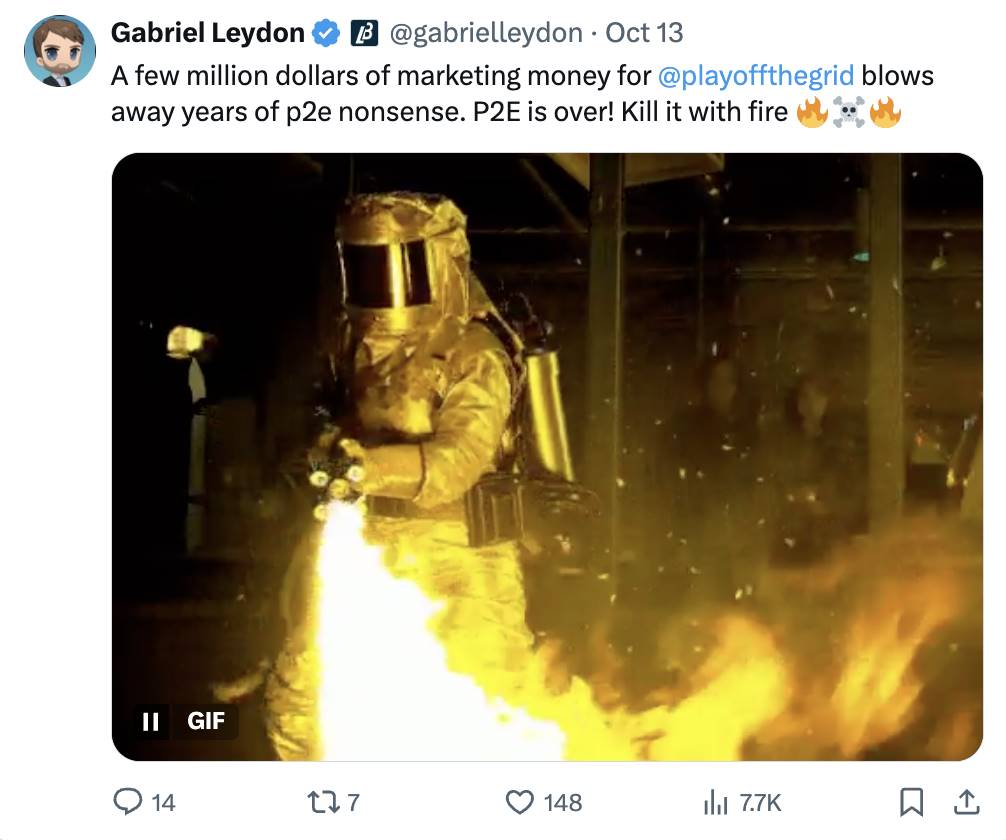
I remember DigiDaigaku briefly flashing a QR code during the Super Bowl, which drew laughter. I’m still unsure if that counts as a successful marketing move, but I understand why @gabrielleydon is now actively discussing OTG’s impact.
I’m glad to see the space reactivating and sparking lively discussions. The conversation between Vador and Sparkc, along with Keplr’s insights, combined with current market narratives, are particularly fascinating.
Will OTG completely transform the market? At the very least, many players and developers have already seen a new path forward.
Join TechFlow official community to stay tuned
Telegram:https://t.me/TechFlowDaily
X (Twitter):https://x.com/TechFlowPost
X (Twitter) EN:https://x.com/BlockFlow_News
 @impalementd