Consumer crypto apps are becoming a trend—could Sidekick's play-to-earn social + private domain traffic creator economy model be the next dark horse? (With participation tutorial)
TechFlow Selected TechFlow Selected
Consumer crypto apps are becoming a trend—could Sidekick's play-to-earn social + private domain traffic creator economy model be the next dark horse? (With participation tutorial)
This article will provide a detailed introduction to Sidekick's business model, market fit, and the opportunities currently available for you to participate.
 Navigating Web3 tides with focused insights
Author: TechFlow
Besides volatile memes, users are currently experiencing a wave of "infrastructure fatigue":
Highly valued infrastructure projects have gradually lost their appeal after a round of user education, and people are no longer eager to invest.
So, what new Alpha opportunities or returns should we pay attention to? The answer may lie in recent trends.
Recently, the BNB Chain ecosystem has risen rapidly. Combined with expectations around CZ's release from prison, attention and liquidity have quickly concentrated here, bringing a springtime resurgence for both established and emerging DeFi and meme projects within the ecosystem.
On another front, consumer-grade crypto applications are gaining increasing attention.
Imran from AllianceDAO once publicly stated: "We’re all tired of infrastructure… The entire crypto community knows only a few consumer-facing crypto apps."
Meanwhile, on CT (Crypto Twitter), we’ve also seen a growing consensus that practical, C-end crypto applications could be the sector to restore fundamentals and rebuild investor confidence in the next market cycle.
From these two trends, the real Alpha potential lies at the intersection: consumer-focused crypto apps that not only benefit from the BNB Chain ecosystem momentum but also achieve strong product-market fit (PMF).
At this intersection stands Sidekick, backed by Binance Labs—a project bringing Web3 into the gaming companionship social market—and it deserves close attention.
Why is Sidekick a perfect match for these emerging trends?

A TL;DR version:
-
BNB Chain Ecosystem Tailwinds: Beyond the general rise of the BNB Chain ecosystem, Sidekick gains additional legitimacy through official recognition—being the only consumer-facing application selected in the 7th phase of BNB Chain’s officially supported MVB (Most Valuable Builder) program.
-
Geopolitical Context: Telegram has shown explosive growth among Eastern European users. With a large pool of gaming talent in the region seeking alternative income streams, crypto/Web3 offers convenient payment solutions. Founded by former core team members of Trovo.live (Eastern Europe’s largest live-streaming platform), Sidekick leverages the region’s strong creator ecosystem to deliver global companionship services.
-
Seamless Onboarding of Web3 for Non-Crypto Users: Unlike many crypto apps that force artificial use cases, Sidekick integrates naturally into existing, mature scenarios. It positions itself ahead of key trends, allowing traditional Web2 users to open Web3 wallets without even realizing it.
For example: In May, Discord CEO announced in a blog post that, building on existing game group features, Discord will launch embedded mini-apps by year-end, enabling developers to roll out games and apps directly within Discord.
According to industry insiders familiar with companionship services, Chinese Web2 giant BiXin (Beixin), as the world’s largest social app in its category, has achieved 1 billion users and 1 billion MCN fans in China—equivalent to one-sixth of China’s total gamer population—with its companionship service generating millions of daily active users (DAU). This highlights the massive scale of the business in traditional gaming and social ecosystems.
For Sidekick, driven by the primary gaming-social use case, the companionship model may gain significant early-mover advantages on Discord; a scenario analogous to how Notcoin leveraged Telegram’s mini-program ecosystem to rapidly penetrate communities and spark viral adoption.
Additionally, “The profit distribution model enabled by Web3 connects incentives across different user roles — Degens chase token airdrops, Telegram and Discord group admins earn revenue shares from service fees, gamers earn money using their skills, while clients receive emotional value.”
Below, we’ll dive deeper into Sidekick’s business model, market fit, and current participation opportunities, helping you quickly understand this rising dark horse in consumer crypto apps.
What Does Sidekick Do? What Problems Does It Solve?
What is gaming companionship? Simply put, it’s “supply-demand matching in the creator economy.” Successful examples like OnlyFans monetize private traffic, social engagement, and emotional value. The companionship industry applies this model to gaming: Sidekick combines private traffic, gaming socialization, and emotional value monetization.
Currently, no other Web3 product has entered this space besides Sidekick.
How does companionship relate to Web3?
Web3 applications must break through established Web2 systems, capture organic traffic, and integrate crypto features. The key lies in “onboarding non-crypto users and enabling online payments.”
Sidekick taps into gamers’ needs, integrates cryptocurrency payments, reactivates geographic arbitrage advantages, and helps Web2 users create their first Web3 wallet. By strengthening community dynamics, Sidekick globally recruits Affiliate Partners (similar to community leaders), improves outreach efficiency, and incentivizes key community managers with points.
In short, Sidekick embeds crypto functionality into traditional companionship services, expands the Web2/Web3 user base via tokenomics, and guides Web2 users into Web3.
With this foundation, let’s examine how Sidekick implements its vision.
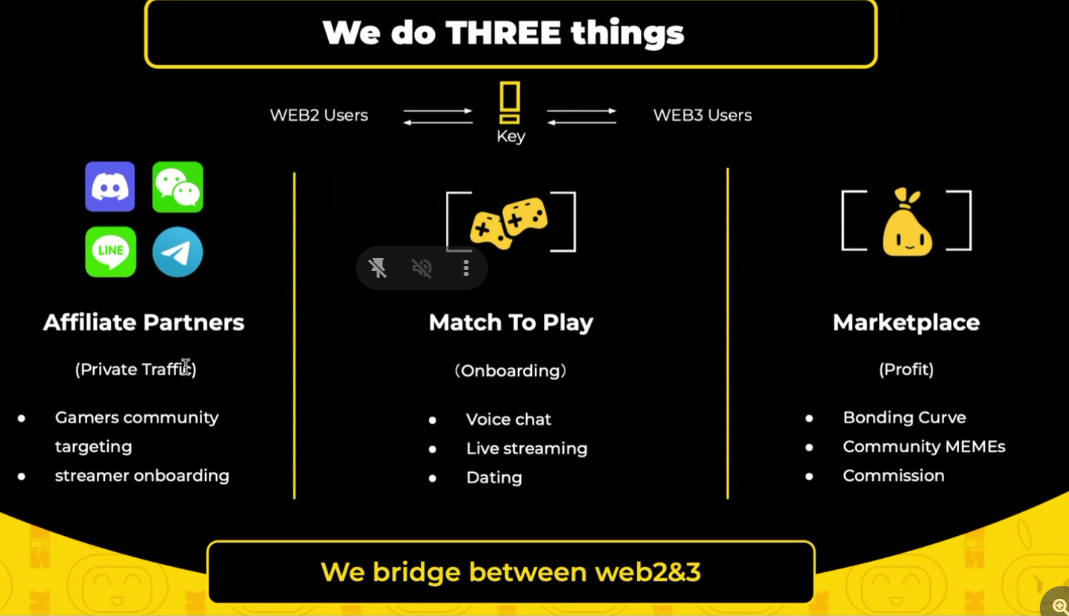
By combining companionship with crypto, Sidekick addresses three core challenges: where to source traffic and acquire users, how to support the service flow, and how to commercialize the product.
-
User Acquisition & Business Model
The premise of companionship is establishing a two-sided marketplace (supply and demand). Sidekick partners with Affiliate Partners—admins or moderators of Discord servers, Telegram groups, and other social media communities—who often influence large audiences across platforms (essentially, the so-called “private domain traffic” in internet parlance). These partners seamlessly integrate the Sidekick bot into their groups, connecting the service with their user base. Users can simply place an order via the bot to start a session.
The companionship economy already exists—many players join Discord for social reasons. As the world’s largest gaming community, Discord boasts over 20 million daily active users, serving as a natural traffic reservoir. Affiliate Partners need only introduce Sidekick and install its service bot.
Sidekick also provides a partner portal to help them grow their audience, share revenue, and manage finances—making it easy to monetize traffic.
https://sidekick.fans/partners
With traffic and demand secured, the next step is placing orders, making payments, and matching companions. Sidekick adopts a low-barrier, easily scalable approach: simple command-based ordering within chat groups.
After selecting their needs, users are recommended suitable companions along with profiles. Once confirmed, they can place an order and pay via cryptocurrency or credit card to begin the session.
Cryptocurrency payments are held in escrow by Sidekick and only released to the companion upon successful completion and user satisfaction—aligning with standard escrow practices.
-
Web3-Driven Innovations & Further Monetization
So far, this might seem like just an enhancement of Web2 companionship. So where does Web3 add unique value? In fact, Web3 unlocks new possibilities. For instance, introducing crypto-based tipping in the companionship economy or fan-driven interactive models. Friend.Tech experimented with bonding curves tied to private communities, which ultimately collapsed due to speculation—but the bonding curve concept still holds promise. Perhaps Sidekick will unlock more compelling mechanics.
Observably, Web3 enables diverse monetization methods, though these aren’t the end goal. The current priority is user growth and brand awareness—Sidekick’s core objective at this stage.
So how is Sidekick progressing? According to the latest data from its official Twitter, beyond receiving investment from Binance Labs and support from the MVB program, Sidekick has partnered with 263 streamers across various fields, whose combined fanbase totals 68 million, averaging 450,000 viewers per streamer. The project now aims to build a full value distribution system benefiting community leaders, Web3 users, and companions alike, targeting coverage of 30 million gamers by year-end.
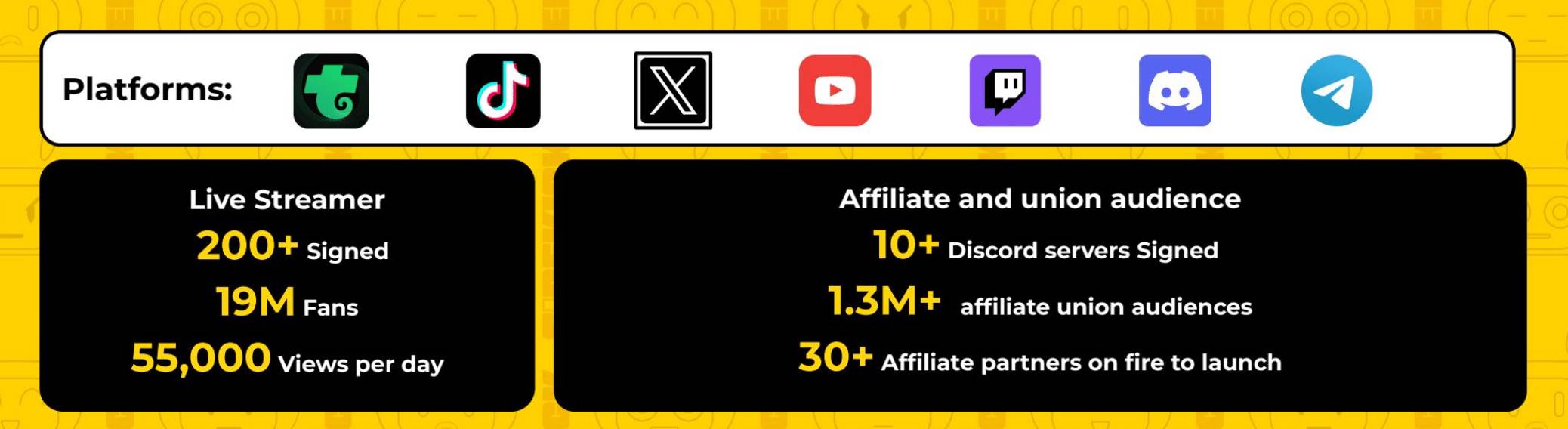
A breakout moment where crypto ignites mass traffic via companionship services may already be underway. But looking globally, does companionship truly have market fit?
Where Is Sidekick’s Product-Market Fit (PMF)?
We often joke about “not making money, just for company.” But Sidekick’s companionship model is anything but a joke.
First, the market is genuinely large.
Earlier, we discussed the overall size of the global companionship market. Looking specifically at Web2 companies, Epal.gg abroad and Beixin domestically serve as benchmarks. Beixin’s annual revenue is roughly estimated at $100 million, proving the business model is viable.
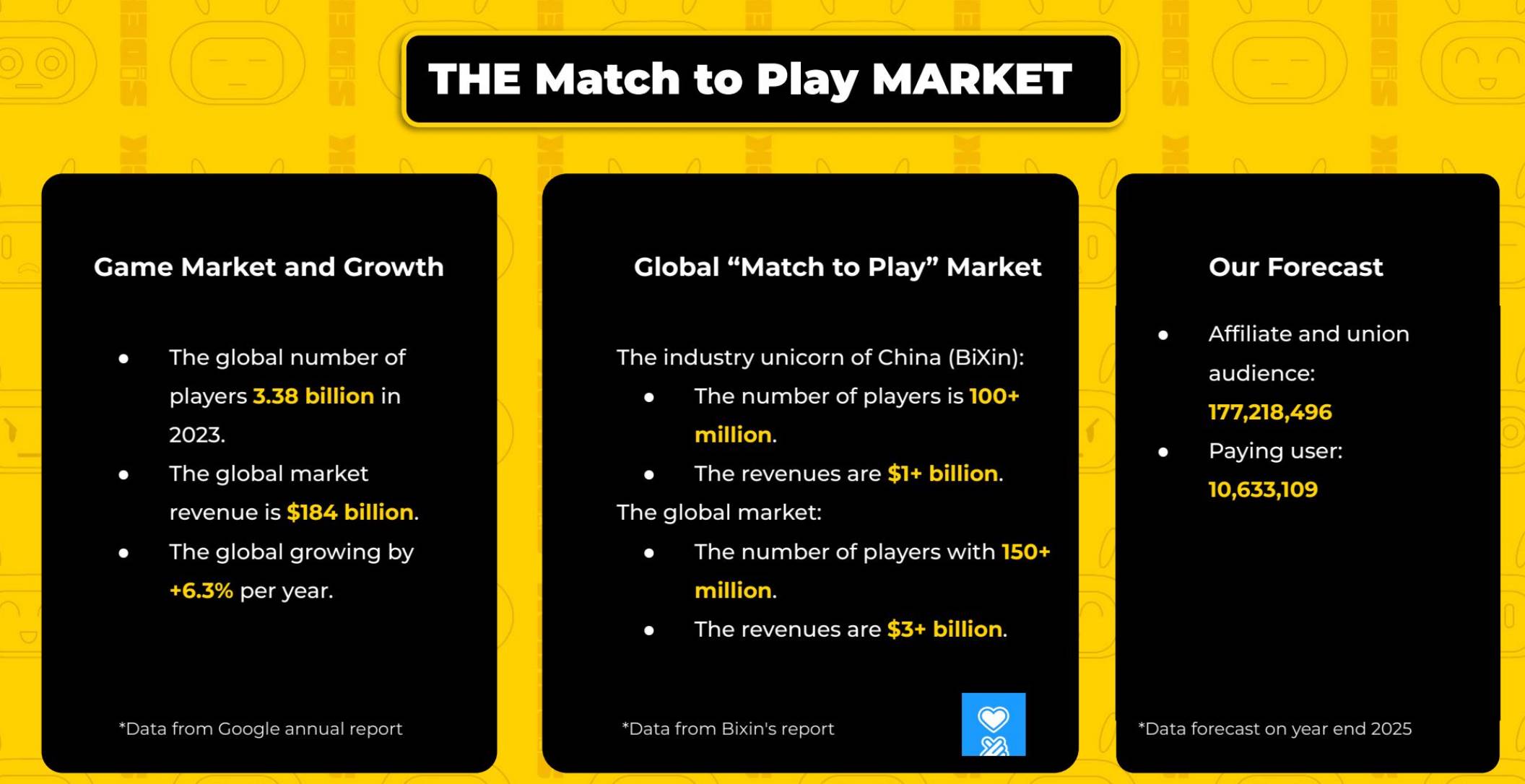
Prior to launching Sidekick, the team had already built a Web2 companionship product for global users, achieving over 200,000 users and successfully validating international user acquisition, conversion, and order fulfillment processes. However, this doesn’t fully guarantee a smooth transition to Web3.
Judging a product’s success requires more than team effort—it depends on historical context and environment. Sidekick benefits significantly from crypto tailwinds driven by geopolitical tensions and regional conflicts.
One of Sidekick’s headquarters is located in Eastern Europe, where labor costs are relatively low. Amid ongoing regional conflict, young people are motivated to increase income through companionship services and are more receptive to cryptocurrency. Data shows companions are primarily aged 18–25, including both elite players and female users, creating space for virtual friendships and fulfilling emotional needs of male gamers.
More broadly, the Russia-Ukraine war disrupted bank transfers between parts of Eastern and Western Europe, halting some digital businesses. These settlement and payment issues created an opening for cryptocurrencies. Web3 excels in cross-border payments and settlements, bridging financial gaps caused by conflict and enabling the expansion of companionship services.
Moreover, global social platforms like Telegram and Discord solve traditional challenges in promoting and allocating resources for companionship services. Their wide reach, ease of interaction, and vertical traffic make them ideal for spreading such services.
Overall, Sidekick leverages geopolitical and market advantages to achieve solid product-market fit.
How Can You Leverage Your Private Traffic to Earn?
This might be the topic you care about most. Sidekick is still in its early stages—the earlier you join, the greater the rewards from its growth.
Beyond its core operations, becoming a Sidekick Affiliate Partner (community leader/team captain) is a particularly “Degen-friendly” move: as a grassroots BD, you can obtain Sidekick’s API and embed the service into your own groups and communities. After each completed order, partners earn an 8% commission (paid in stablecoins), plus eligibility for future token airdrops.
Unlike typical bounty-hunting projects, Sidekick requires no special hardware, time commitment, or capital investment. You simply share a link—no complex development or aggressive promotion needed.
A step-by-step tutorial at the end of this article will show you exactly how to become an Affiliate Partner.
True Mass Adoption Is About Going Outward, Not Pulling In
Why does Sidekick’s model have real potential? In short: the Web2 market is already validated, and there are no direct competitors in Web3. More importantly, it represents a shift from “pulling people in” to “going outward”—embedding crypto into mature traditional businesses instead of forcing artificial crypto-native use cases. It doesn’t invent demand where none exists, but rather uses crypto incentives and convenience to fulfill existing needs.
Consumer-grade crypto apps must be built on legitimate consumer use cases and executed well. Crypto integration should enhance the experience—not define it. Projects like Sidekick signal that crypto applications should pursue user growth and expansion realistically, rather than relying on artificial hype cycles. Expanding within appropriate contexts may well be the path beyond mere trading.
Appendix: How to Become a Sidekick Affiliate Partner (Chinese Guide)
Official links:
Here’s a summarized Chinese version:
Step 1: Log in to (sidekick.fans/affiliate) and connect your Discord account. The system automatically generates a dedicated wallet—no crypto knowledge required.
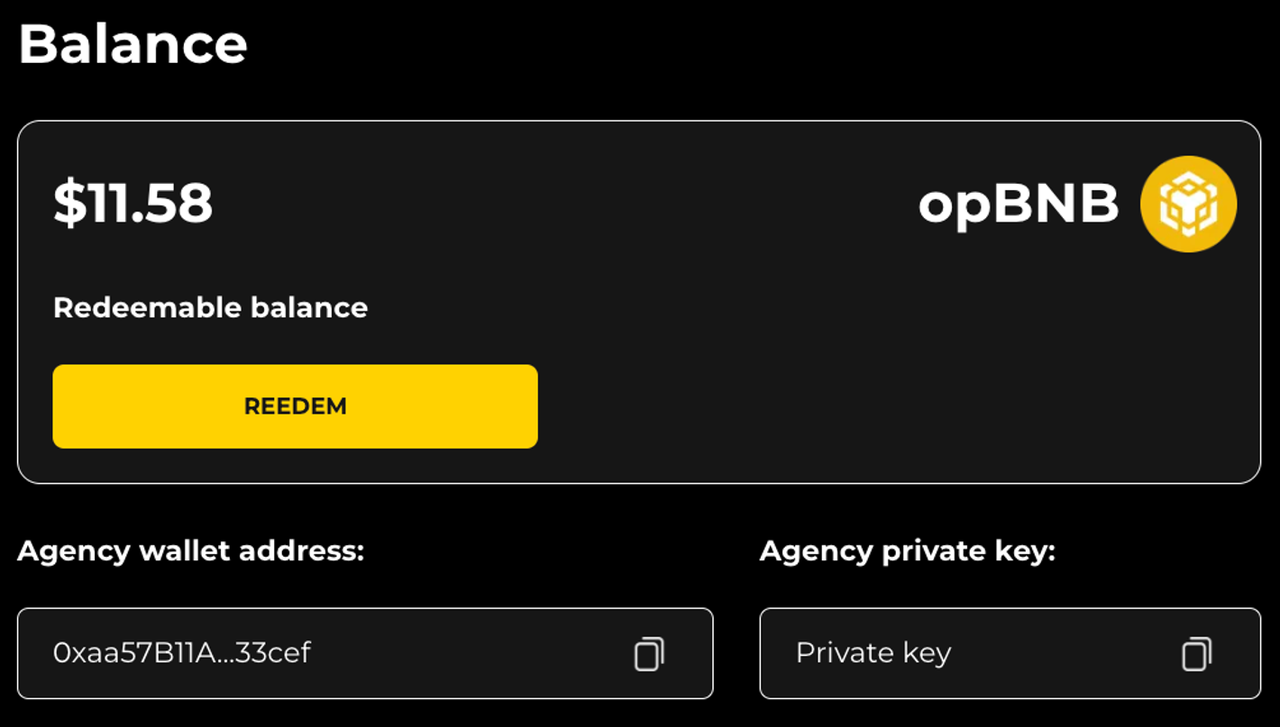
Step 2: Add the Sidekick bot to your Discord server via this link.
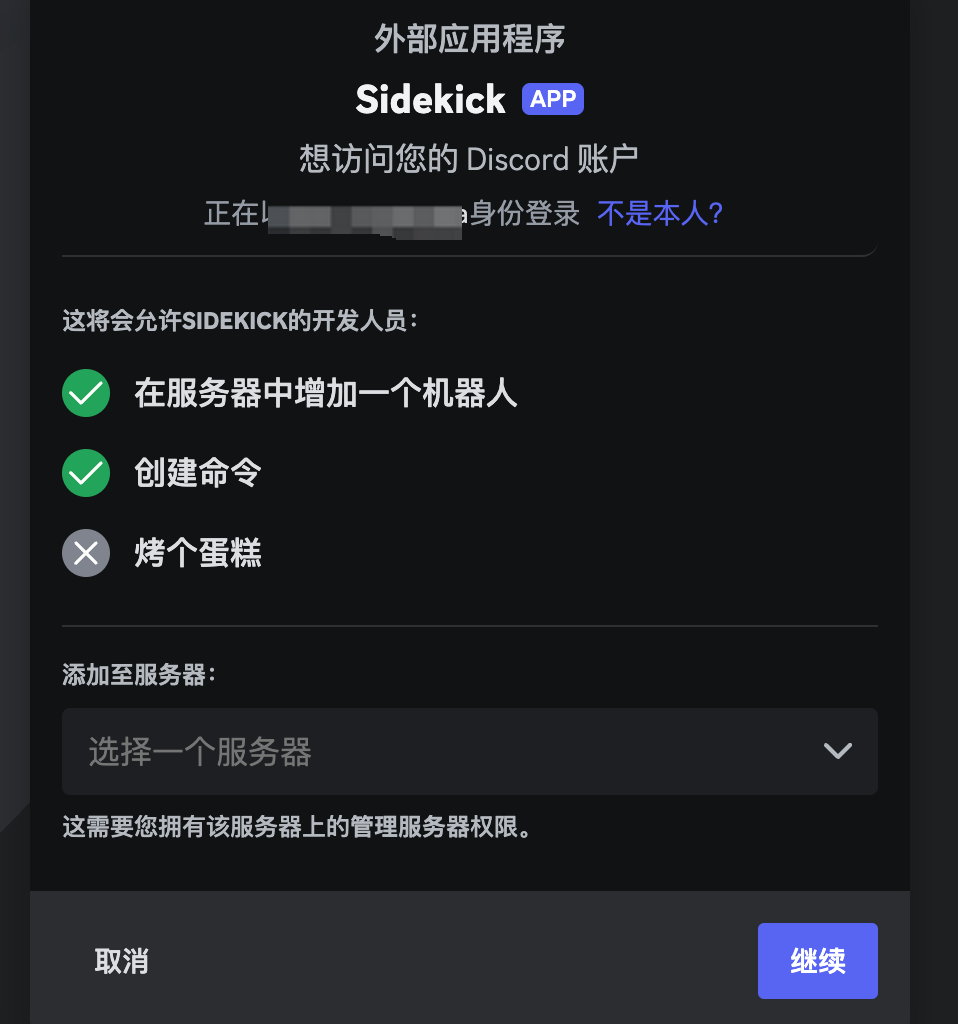
Step 3: Fill out the ambassador application form. Once approved, you’ll become an official ambassador. Your wallet address will be recorded for future token distributions.
You’re probably wondering: what exactly are the incentives after becoming an Affiliate Partner?
Sidekick offers three types of incentive programs designed to drive user acquisition and engagement. These programs are not mutually exclusive—active participants can qualify for all three, effectively leveraging their niche private traffic to earn while contributing to the project’s growth.
-
Type 1: User Acquisition – Affiliate Partner Base Bonus
This monthly bonus requires adding the Sidekick bot to your Discord server, inviting Sidekick BDs to post in your Sidekick channel, creating a dedicated bot channel, and posting announcements.
Bonus amounts vary based on server size:
0,000 – 24,999 users: $75
25,000 – 49,999 users: $90
50,000 – 99,999 users: $110
100,000+ users: $150
-
Type 2: Engagement – Bonus for Completed Sessions
A “completed session” refers to a successful companionship request initiated by a player and fulfilled.
This monthly incentive draws from a $1 million total prize pool. Rewards scale based on the number of completed sessions on your Discord server:
Level 5: 100 sessions → $10
Level 4: 500 sessions → $50
Level 3: 2,000 sessions → $150
Level 2: 5,000 sessions → $450
Level 1: 10,000 sessions → $10,000 (only 10 spots available)
-
Type 3: Revenue Share Bonus
Community leaders earn a percentage of revenue from every successful companionship transaction initiated on their server. The revenue share is based on the hourly rate set by the companion.
The split increases over time:
Base: 10%
After 3 months: 15%
After 6 months: 17%
After 12 months: 20%
Overall, for administrators and community leaders who already have private traffic and gaming-related communities, this represents a low-cost way to earn crypto incentives.
This promotion isn’t irrelevant “hard advertising,” but aligns naturally with existing group interests—finding teammates, getting gameplay guidance, or forming squads—all of which have clear demand. Considering Web3 gaming, one can even envision future scenarios like guided play-to-earn or optimized farming tutorials.
Join TechFlow official community to stay tuned
Telegram:https://t.me/TechFlowDaily
X (Twitter):https://x.com/TechFlowPost
X (Twitter) EN:https://x.com/BlockFlow_News
 深潮TechFlow