








Asia's Web3 Terroir: A Unique Technological Ecosystem Where the Sun of Innovation Will Rise
TechFlow Selected TechFlow Selected
Asia's Web3 Terroir: A Unique Technological Ecosystem Where the Sun of Innovation Will Rise
Do not ignore Asia, "for when she awakens, she will shake the world."
 Navigating Web3 tides with focused insights
Author: Allen Ng
Translation: TechFlow

A defense of Asia's astonishing yet underappreciated local talent, innovation, and resilience in Web3—and the key to navigating its unique tech environment.
What do Asian wines and Web3 technology have in common?
"Terroir." Sounds unfamiliar, doesn't it?
Not really. For wine connoisseurs, the concept of "terroir" is already well known. It refers to a unique set of natural and cultural factors—such as soil, climate, topography, historical context, and regional practices—that make a final product like wine or cheese one-of-a-kind.

Wine terroir: from soil to glass. Tech terroir: from ecosystem to consumer product.
Most of these characteristics cannot be replicated elsewhere. This uniqueness makes such products extremely scarce and desirable, sometimes commanding astonishing prices.
The same combination of distinctive factors and exceptional output applies to technology. Indeed, there is such a thing as “technological terroir,” with Silicon Valley being the most prominent example. Yet over the past two decades, Asia has developed its own unique “tech terroir”, providing an almost unreplicable competitive advantage for world-class Web2 and Web3 social and consumer applications.
The Birthplace of Social Apps
Just as terroir affects vine growth and grape flavor, technological terroir matters deeply. We in Asia grew up immersed in a landscape filled with uniquely homegrown social apps, but cultivating and maintaining this environment amid a rapidly changing world requires skill and ingenuity.
As someone who frequently travels between East and West, I must say the cliché that Asians excel only at mindless reverse engineering and imitation still persists. This perception existed during the Web2 era but is even more pronounced in the borderless, integrated world of Web3. However, the reality is far from it.
The recent blockbuster game Black Myth: Wukong exemplifies how Asia can deliver outstanding original products and storytelling at half the cost and manpower of Western counterparts.
Do not underestimate Asian developers.
Asia has long been mobile-first, and super apps like WeChat, Line, Kakao, or Grab are deeply embedded in our lives with unparalleled user stickiness. The trillions of dollars they’ve created didn’t come from nowhere—they stem from developer brilliance, a fertile ground of advanced technology, favorable legal and economic conditions, the “dark matter” of social networks, and a vast, growing market fueled by hundreds of millions of daily active users hungry for new trends.
These tangible and intangible elements together form Asia’s “tech terroir.”
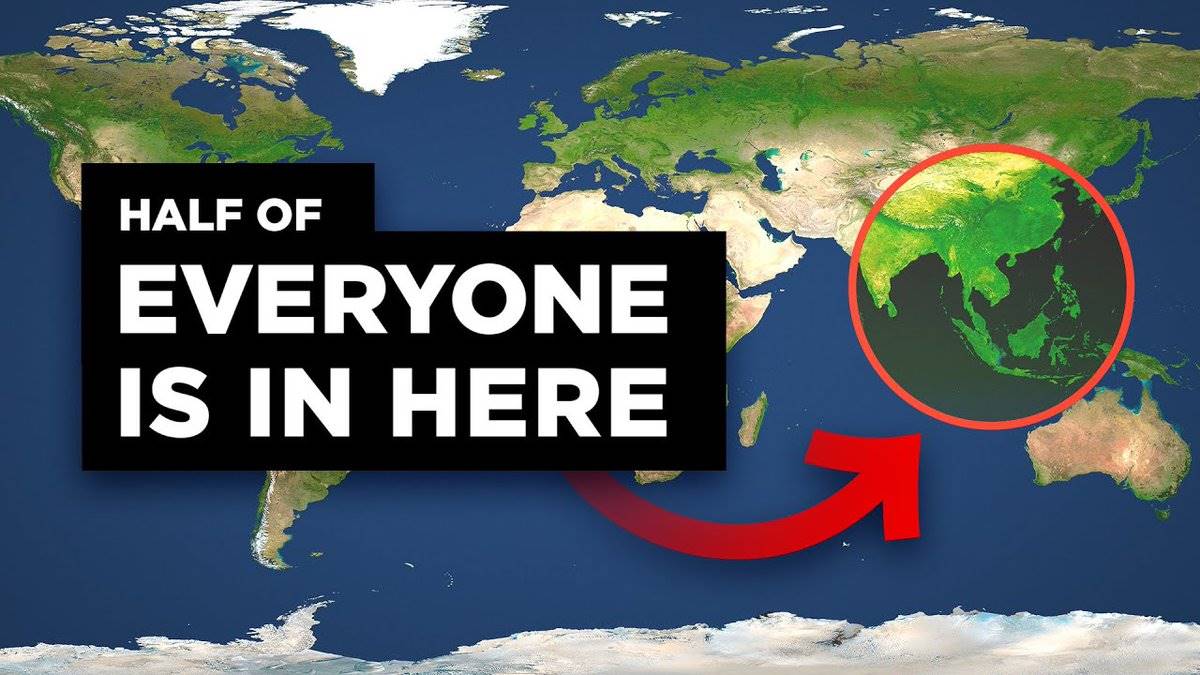
It often surprises people that Tencent, the company behind WeChat, is also today’s largest Web2 gaming company. Your favorite IP-based mobile games, such as Call of Duty Mobile or Harry Potter, are developed by Chinese studios like NetEase. Products like Xiaohongshu (Little Red Book) and Bilibili serve hundreds of millions of monthly active users across multiple countries. While Robinhood struggles to break even in the U.S., its Asian counterpart Futu continues generating billions in profit thanks to a highly differentiated product.
Their success lies in placing social and mobile at the core, enabling users to game or shop anytime, anywhere, while fostering social interaction. Tencent helped popularize entertainment in markets typically ignored by non-Asian game companies by pioneering the free-to-play model instead of pay-to-play, expanding the gaming market and nurturing a vibrant, unique gaming culture across the region and beyond. Meanwhile, Xiaohongshu demonstrates remarkable product-market fit, integrating social and e-commerce far more effectively than Instagram.
The Asia-Pacific region has 1.5 billion active mobile gamers, with double-digit growth rates. Asian Web3 game developers aim to elevate accessibility through democratized ownership and revenue from in-game assets, benefiting those unable to afford traditional AAA titles—using novel approaches and unprecedented scale.

AxieInfinity and SkyMavisHQ co-founder Trung Nguyen made waves in the gaming world.
It’s no surprise that Axie Infinity, developed by Vietnam-based studio SkyMavis, and YieldGuild from the Philippines achieved explosive growth in their respective countries and across broader Asia. The region boasts abundant talented developers and a fertile market of mobile gamers and tech-savvy users seeking alternative investments. Hats off to trungfinity (Axie Infinity) and gabusch (YGG) for their bold, innovative efforts in driving mass Web3 adoption. They essentially pioneered the GameFi market, bringing millions into Web3 and inspiring countless other developers to join the journey.

Gabby Dizon dedicated to building the future of gaming guilds.
In emerging Web3 innovations, the Stepnofficial phenomenon also stands out. Founded by Jerry10240 and yawn_rong, Stepn popularized the “move-to-earn” fitness app concept, making Web3 part of everyday life and attracting massive Web2 users along with top-tier brands like Adidas and ASICS. For nearly half a year, STEPN was the top dApp on Solana. All these novel experiments were largely ignored or dismissed by mainstream media.
Though the Web3 revolution won’t be widely broadcast on TV, innovation and experimentation will continue on-chain—and in Asia.
Rugged Terrain, Fertile Terroir

Returning to the wine terroir analogy, imperfections in vineyards—the altitude, slope, and sun-facing orientation—affect sunlight exposure, moisture, and airflow to the vines. These very features become sources of charm, quality, and uniqueness in the final product. Rugged terrain forces vines to root deeper, yielding more “complex” fruit capable of aging over time.
Likewise, Asia’s economic environment may be challenging in multiple ways, but it is precisely these imperfections that drive local builders to demonstrate antifragility, resilience, and accelerate broader Web3 adoption. As the saying goes, “Hard times create strong men.” Not so difficult as to halt Web3 entrepreneurship in certain parts of the world, but hard enough to hone imaginative, resourceful builders—and shape future Web3 diamonds. The sweet spot. Perfect terroir.
For instance, six of the top ten countries globally in cryptocurrency adoption are in Asia, surpassing all of North America and Europe—regions that did not evolve under the same economic “tough conditions.” In Southeast Asia, one such “tough condition” is the lack of accessible traditional financial infrastructure, creating a vacuum that offers massive opportunities for countless small investors, forming a new class of truly Web3-native consumers. In Vietnam, for example, only 1% of the population owns stocks, but over 10% hold digital assets. Like Axie Infinity, coin98_wallet (founded by serial entrepreneur imlethanh98) has also played a pivotal role in developing Vietnam’s Web3 ecosystem. C98 employs over 300 full-time staff, serves 9 million users across Southeast Asia with diverse products, and supports numerous founders within the ecosystem.
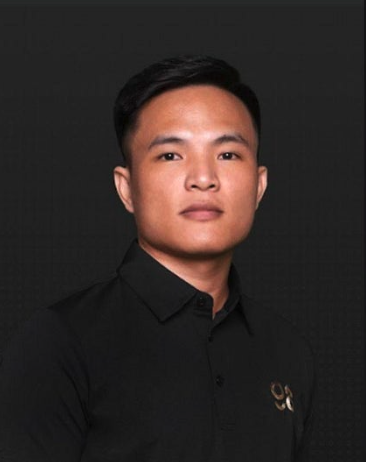
Thanh Le, Co-founder of C98
On the other hand, founders in Asia benefit from a pre-existing culture rooted in organic mentorship, camaraderie, and “guanxi” (relationships). This cultural fabric enables founders to build networks that offer invaluable guidance, resources, and “special advantages.” It’s almost like the Michael Jordan and Kobe Bryant relationship—or Silicon Valley’s PayPal Mafia. For outsiders, this may be a barrier, but once you put in the effort to enter this circle and earn trust, it becomes a lasting competitive edge, driven by powerful and unstoppable network effects.

In Asia, business is personal.
Who Came First? Does It Matter?
Of course, Asia might not be the industry’s “first,” but history sometimes (in fact, often) fails to honor the first inventor, instead spotlighting those who popularized the invention. Wine history is no exception. Today’s most prestigious wines come from countries like France or the U.S., yet viticulture originated in Persian civilization and was spread across the Mediterranean thousands of years ago by Phoenician traders. Who remembers them now? Almost nobody.
In crypto, Coinbase and Kraken were among the earliest exchanges established, but Asia, especially the Mandarin-speaking world, birthed the largest and most user-friendly exchanges, such as Binance (cz_binance) and OKX (star_okx), which now dominate the industry—proving that building upon existing foundations can still yield innovation.

Star Xu and Chanpeng “CZ” Zhao, co-founders of OKX and Binance respectively
Whether wine or Web3 projects, both reflect their origins, expressing their unique terroir. Asian companies benefit from lower development costs and exceptional work ethics, allowing faster iteration and superior user experience—even if they weren’t first to market. I often tell my Western friends: “A million raised in the U.S. is very different from a million raised in Asia.” Here, we do more with less. As Malaysian comedian Ronny Chieng joked in his stereotype skit, “Things are cheap, delicious, and open.”

"Need someone responsible? Pick an Asian. We work while you eat."
Overlooked Treasures
When startups raise large sums, it usually signals demonstrated strength in talent, product, and execution, hence the valuation. However, projects and builders in Asia are often undervalued, raising less capital than their Silicon Valley peers.
We aim to debunk the widespread misconception that Asia being “cheaper” implies inferior quality and reduces it to a simplistic, creativity-lacking copycat factory. In fact, many Asian teams are extremely efficient at the same funding levels, able to iterate quickly and move faster—surprising the world.
Examples abound. The region’s near-bottomless pool of high-quality engineering talent gave rise to Solana Superteam in India, Vietnam, Malaysia, and the Philippines, innovating under the determined leadership of calilyliu. Ethereum’s scaling solution 0xPolygon owes much of its success to Indian developers and founders. Malaysia is known for innovative DeFi projects like Pendle_fi (founded by tn_pendle) and JupiterExchange, Solana’s largest decentralized exchange (founded by weremeow). In fact, even Ethereum itself has deep Asian roots, as Vitalik Buterin personally built communities locally and gained early support among Mandarin-speaking enthusiasts.
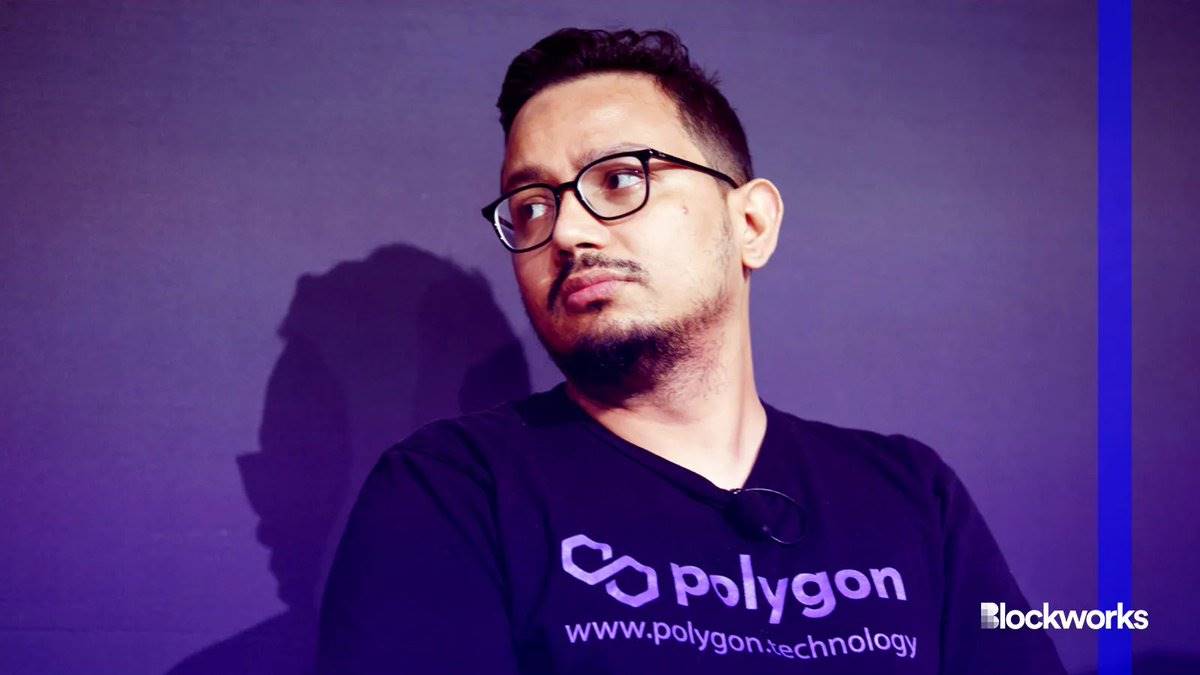
Sandeep Nailwal, COO of Polygon
The value of Asian Web3 tech companies is like a fine wine highly praised by connoisseurs, yet sold at a reasonable price. Their lower valuations don’t indicate lack of upside or poor quality, nor weak fundamentals. Instead, these valuations highlight alternative paths to startup success and attest to the resilience and adaptability of Asian builders.
At the end of the day, good wine is good wine, regardless of origin. This isn’t a zero-sum game between regions. At EVGHQ, we build companies and support founders across four continents. But the key is to recognize and celebrate our differences. Asia has already nurtured some of the finest tech “Grand Crus.” If you’re willing to explore, many more await discovery.
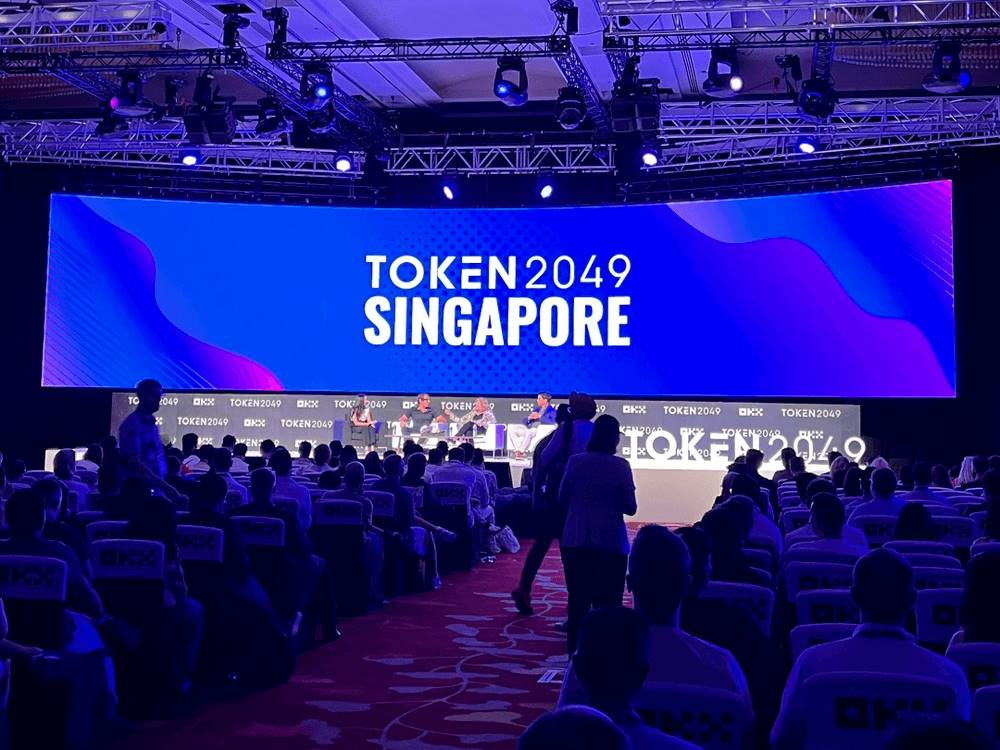
Singapore’s Token2049 has proven to be an industry-defining event
Finally, generations-old viticulture practices, winemaking techniques, and historical contexts in a region also shape its terroir. Asian builders stand on the shoulders of giants, benefiting from proven business wisdom.
Historically, the evolution of Asian “conglomerates”—holding groups managing diverse business lines (like Alibaba, Tencent, Baidu in China; Korean chaebols like Samsung and LG; Japanese keiretsu like Mitsui, Sumitomo, Mitsubishi; and Southeast Asian family firms like Charoen Pokphand and Kerry Group)—has fostered a distinct innovation model characterized by deep social collaboration, even personal partnerships, and strategic investments with key allies.
We see similar early developments in Asian Web3 operating groups. For instance, Animoca Brands, led by visionary founder and seasoned entrepreneur Yat Siu, has expanded from focusing on NFTs, IP, and gaming to include digital asset advisory, Web3 application and platform operations, investment management, and blockchain application development services. Another example is South Korea-based Hashed_official, which has extended its reach to Singapore, Silicon Valley, and the Middle East, spanning venture capital, incubation, and research.
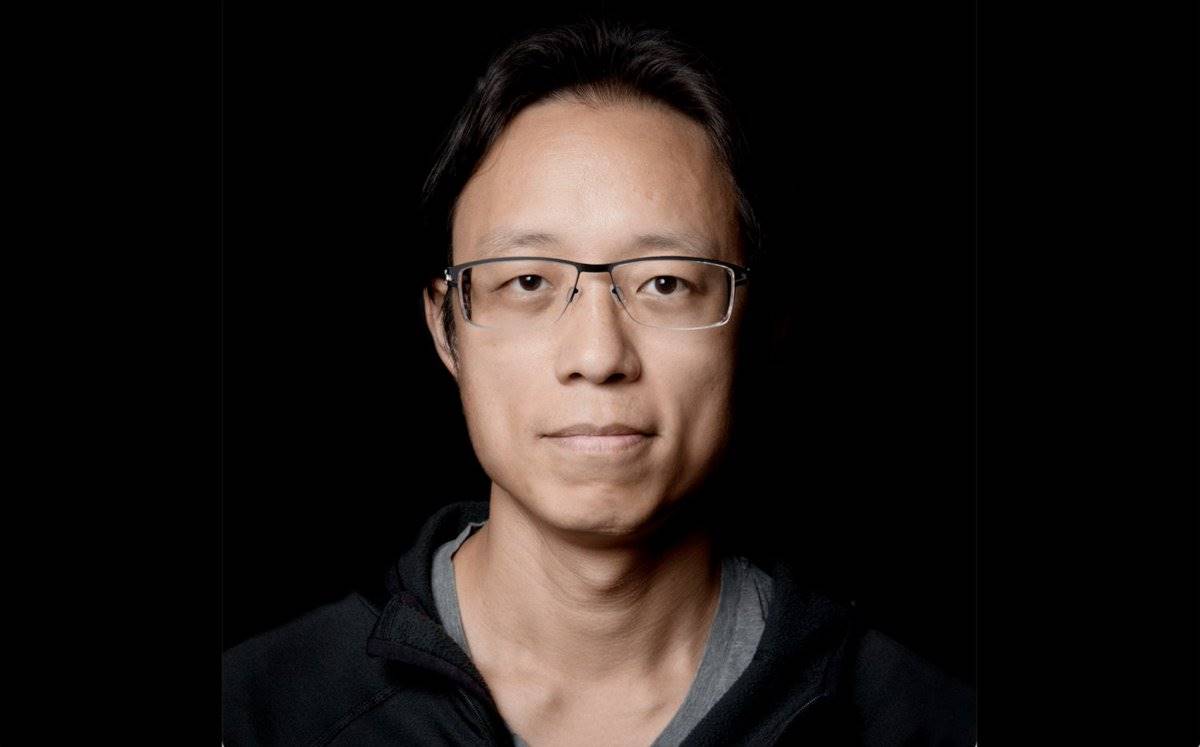
Yat Siu, Co-founder of Animoca Brands. As previously stated, social networks in business are Asia’s secret weapon in tech terroir, and their importance cannot be overstated. Unlike the West, where academic credentials and alumni ties are emphasized, in Asia, who you know significantly impacts your entrepreneurial trajectory.
Don’t overlook Asia—“because when she wakes, she will shake the world.”
At EVGHQ, as Web3 venture creators, we recognize and take pride in our Asian roots. Without Asia’s vast pool of mature, affordable, and diligent engineers, we couldn’t develop our products. Our products, such as OpenSocialLabs, a Web3 social infrastructure enabling anyone to build community dApps, could not have achieved early network effects without the open-mindedness of Asian users. At EVG, we know we stand on the shoulders of giants—and remain humble. Once again, this proves that Asia is where things are moving fast.
Whether you’re a founder, general partner, or blockchain project, to elevate your Web3 initiative and achieve breakthroughs, crafting a solid strategy focused on Asia is essential. Rather than going solo, partner with local players or “insiders” who understand the terrain. Spend time on the ground to get to know us: a series of top-tier events are coming up, such as KBW in Seoul, Token2049 in Singapore, Hong Kong’s FinTech Week and Chainlink SmartCon, and EF DevCon in Bangkok.
Many Asian founders have created astonishing products, paving the way for emerging builders like us: megaeth_labs's hotpot_dao, alt_layer's yq_acc, Aptos's Avery Ching, TronDAO's Justin Sun, Matrixport_EN's Jihan Wu, CoinGecko's Bobby Ong, Binance's He Yi, Azuki's ZAGABOND, Magic Eden's Zhuoxun Yin, Bybit_Official's Ben Zhou, KuCoin's Gan Chun, Bitget's Gracy Chen, and many others.
Without you, Web3 would not have its current significance.
Thank you all for the inspiration. Who knows—could 2024’s halving cycle become an “AsiaFi” cycle?
One thing is certain: The sun of Web3 will rise in the East. Don’t miss it.
Join TechFlow official community to stay tuned
Telegram:https://t.me/TechFlowDaily
X (Twitter):https://x.com/TechFlowPost
X (Twitter) EN:https://x.com/BlockFlow_News
 @realAllenNg






