








Interpreting the Binance Report: How Far Is Web3 from Going Mainstream?
TechFlow Selected TechFlow Selected
Interpreting the Binance Report: How Far Is Web3 from Going Mainstream?
Expanding the presence of Web3 dApps across various distribution channels will be key to achieving broader market coverage.
 Navigating Web3 tides with focused insights
Author: TechFlow
For a long time, the crypto industry has resembled little more than self-indulgence.
Continuously creating tradable assets and concepts within limited circles, it has never truly entered other industries.
How far is Web3 from becoming a household name?
On August 29, Binance released a report titled "Web3: A Household Name," analyzing current adoption levels, industry use cases, exposure and promotion, usage scenarios, and more—aiming to answer the question above.
Given the report's length, TechFlow has curated and organized its key insights and charts.
TL;DR
-
While Web3 has made notable progress in key innovation and adoption metrics, it remains a niche compared to Web2. Active on-chain users account for less than 1% of the global population, with an average network retention rate of just 5.4%. In contrast, 67.1% of the world’s population uses the internet, and Web2 retention rates are significantly higher, with healthy benchmarks ranging between 25–40%.
-
Two clear market trends are distorting Web3 adoption and retention metrics. First, excessive speculation—especially around meme coins—leads to temporary demand and fleeting participation. Second, investors’ strong focus on infrastructure projects overshadows fundamental development of consumer-facing dApps needed for sustained daily user adoption.
-
Building decentralized applications ("dApps") that offer real utility to everyday users is critical to scaling Web3 and addressing retention challenges. Consumer-centric Web3 dApps—particularly those centered on speculation, social interaction, or gaming—have shown significant promise in attracting active users, reflected in the growth of unique active wallets ("UAW") over the past year.
-
Expanding the presence of Web3 dApps across various distribution channels will be key to achieving broader market reach, especially as overlap with Web2 ecosystems becomes increasingly common. Leveraging existing product bases like Telegram or creating shortcuts to blockchains (e.g., Links) can significantly boost visibility and harness the massive network effects of Web2 users.
-
Fewer than 10% of leading Web3 dApps offer native mobile experiences. Given that mobile internet traffic now dominates, mobile accessibility is essential for reaching the most active users.
1. Adoption and Retention
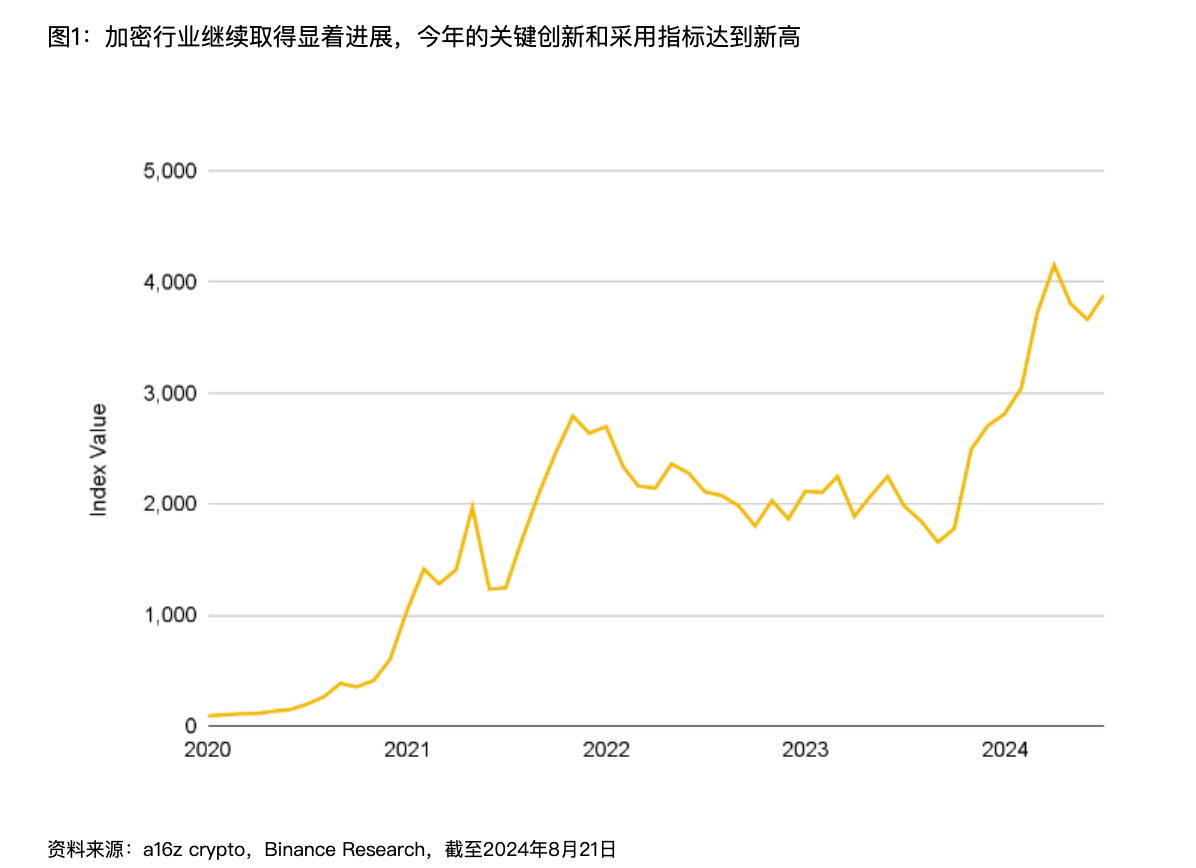
Note: The vertical axis of this chart features a crypto index combining various data points—including active addresses, transaction volume, stablecoin activity, active developers, academic research, and new projects and contracts—into a composite metric. The upward trend is evident, indicating steady market momentum.
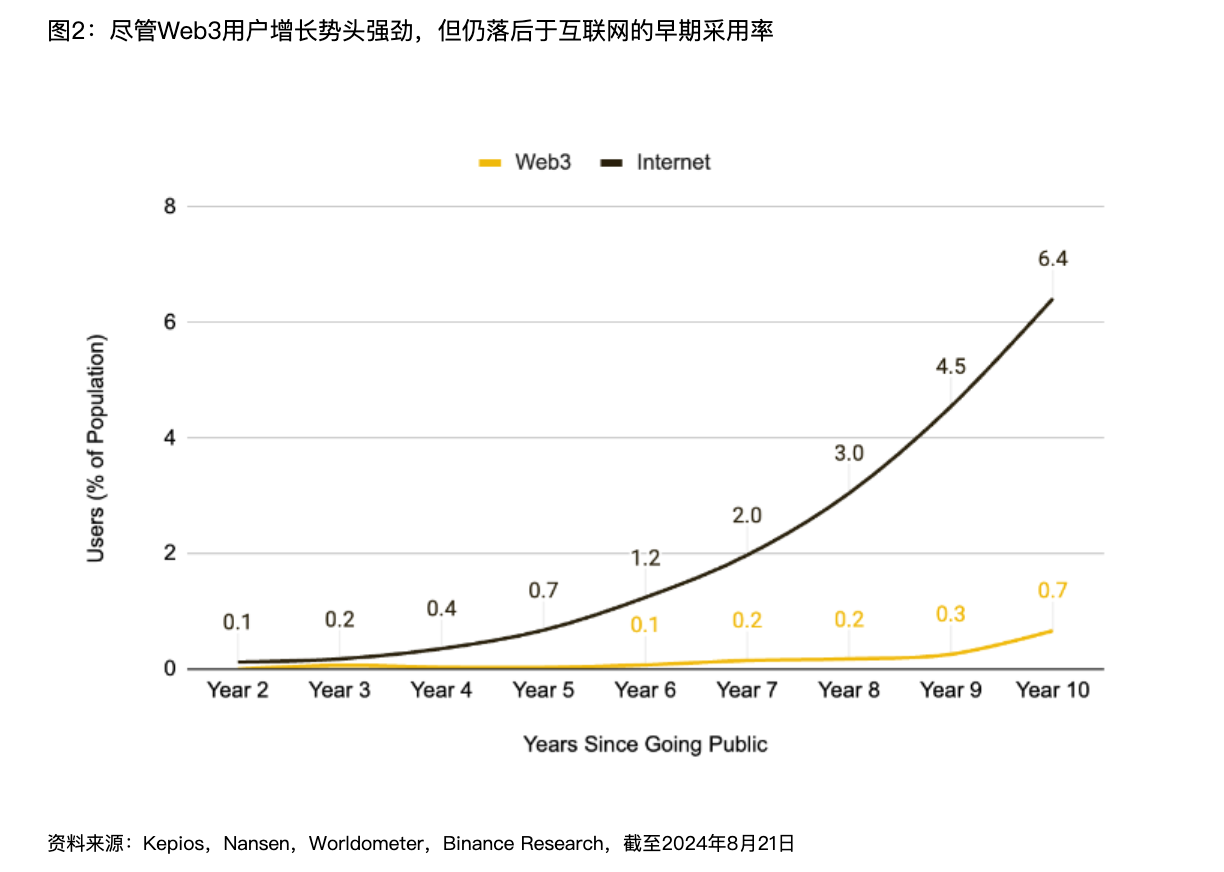
Adoption still has a long way to go: approximately 54.4 million active on-chain addresses—less than 1% of the global population.
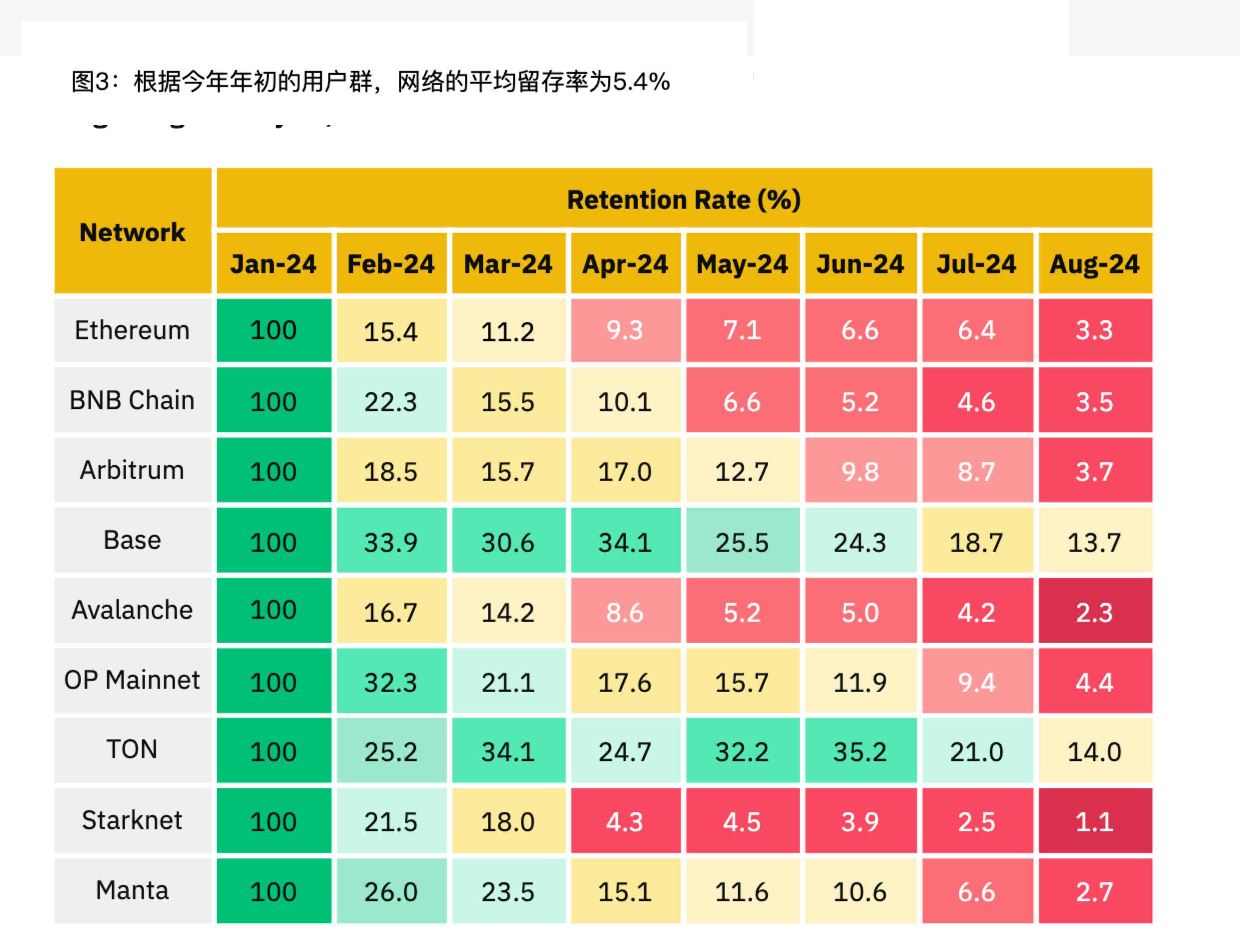
Analysis of blockchain networks featuring dApps reveals high user churn rates when using Web3 products.
A prime example is Starknet, whose user retention plummeted from 18.0% in March to only 4.3%. This drop likely followed the conclusion of their airdrop campaign, illustrating the limited impact of speculative incentives on long-term engagement.
2. What Trends Are Shaping Today’s Web3?
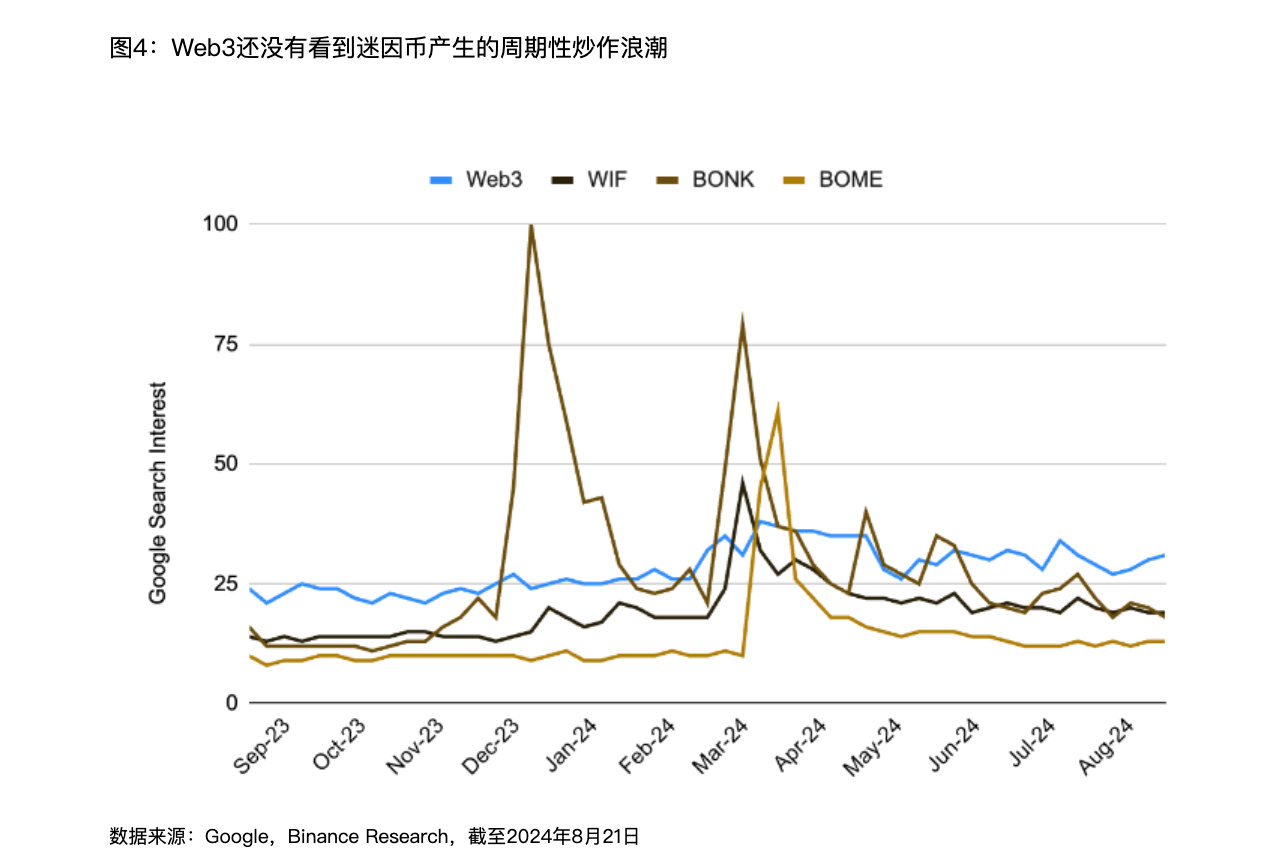
First, beyond Bitcoin, meme coin speculation appears to dominate public discourse in crypto. As hype fades after two or three months, so does user interest, leading to brief participation as users chase the next speculative opportunity.
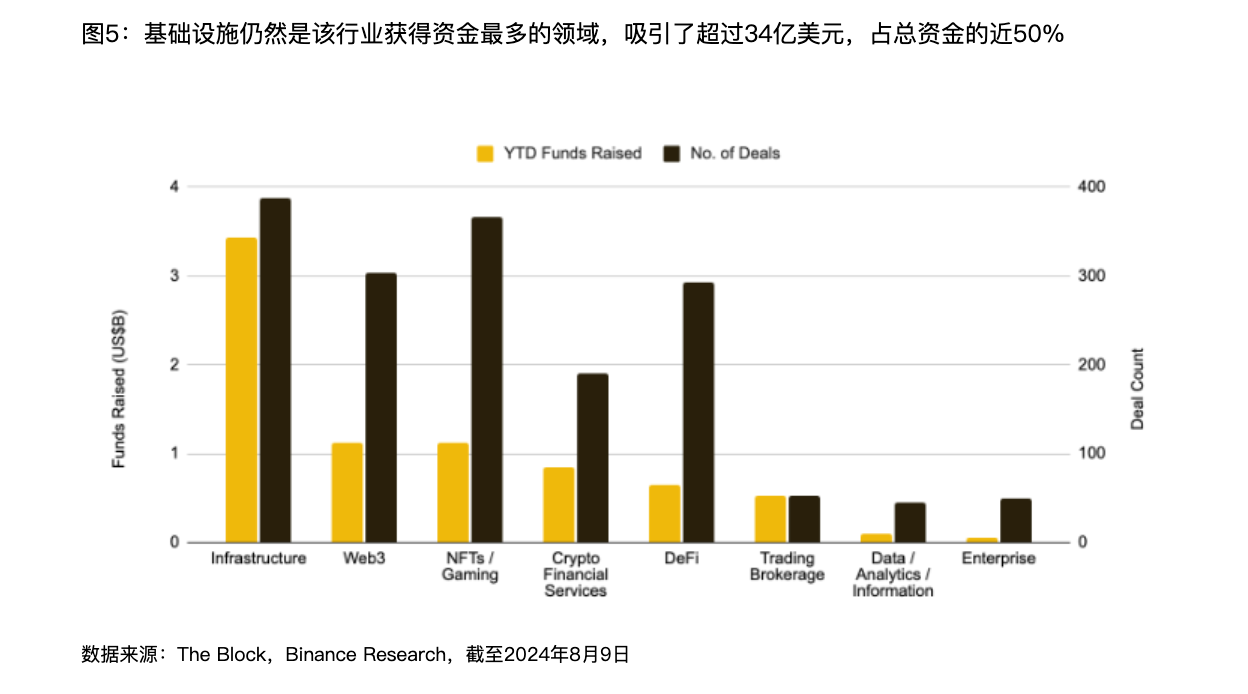
Second, large-scale infrastructure, small-scale dApps.
This disconnect between infrastructure development and application creation stems from current industry demand dynamics. One reason is that consumer crypto dApps still struggle to find consistent product-market fit, making them riskier due to subjective demand. In contrast, infrastructure projects provide more concrete data points for evaluation.
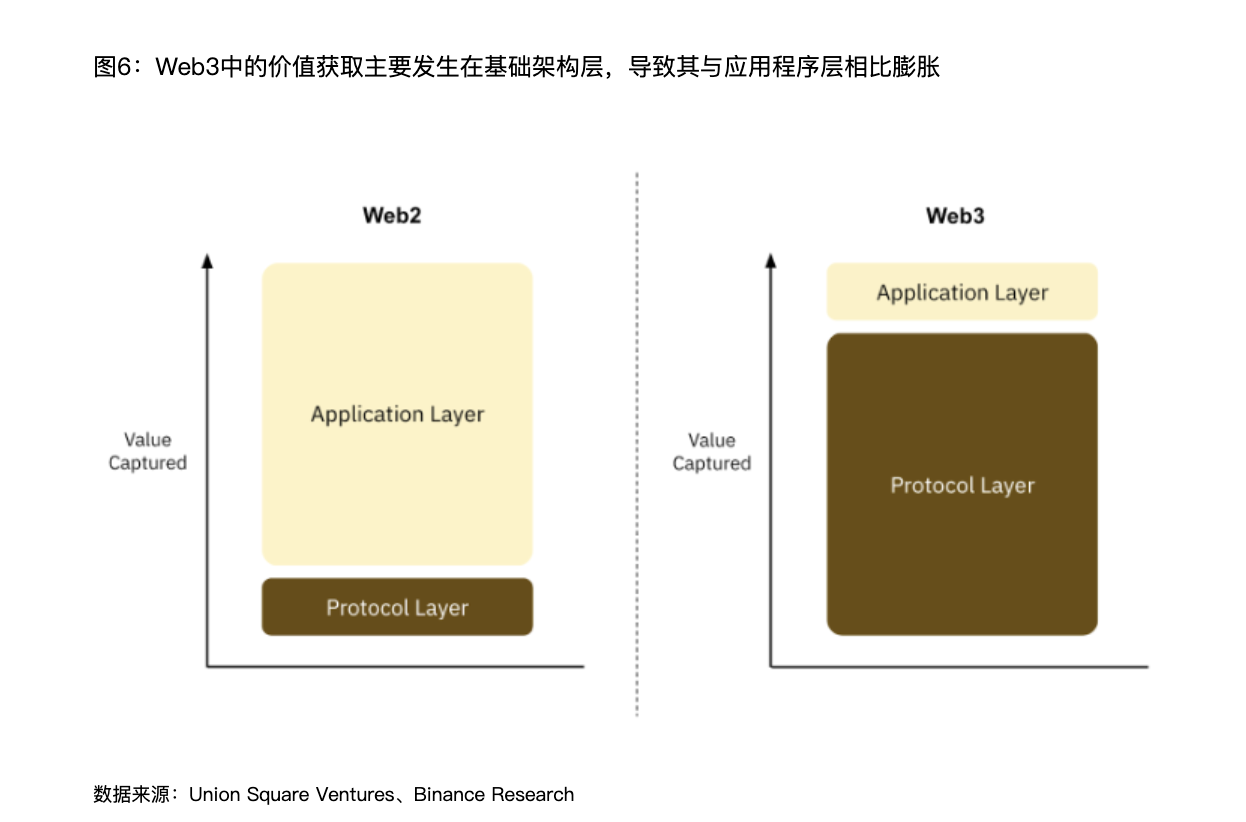
Third, the crypto market seems trapped in a cycle of infrastructure bloat, without allowing dApps to achieve similar success.
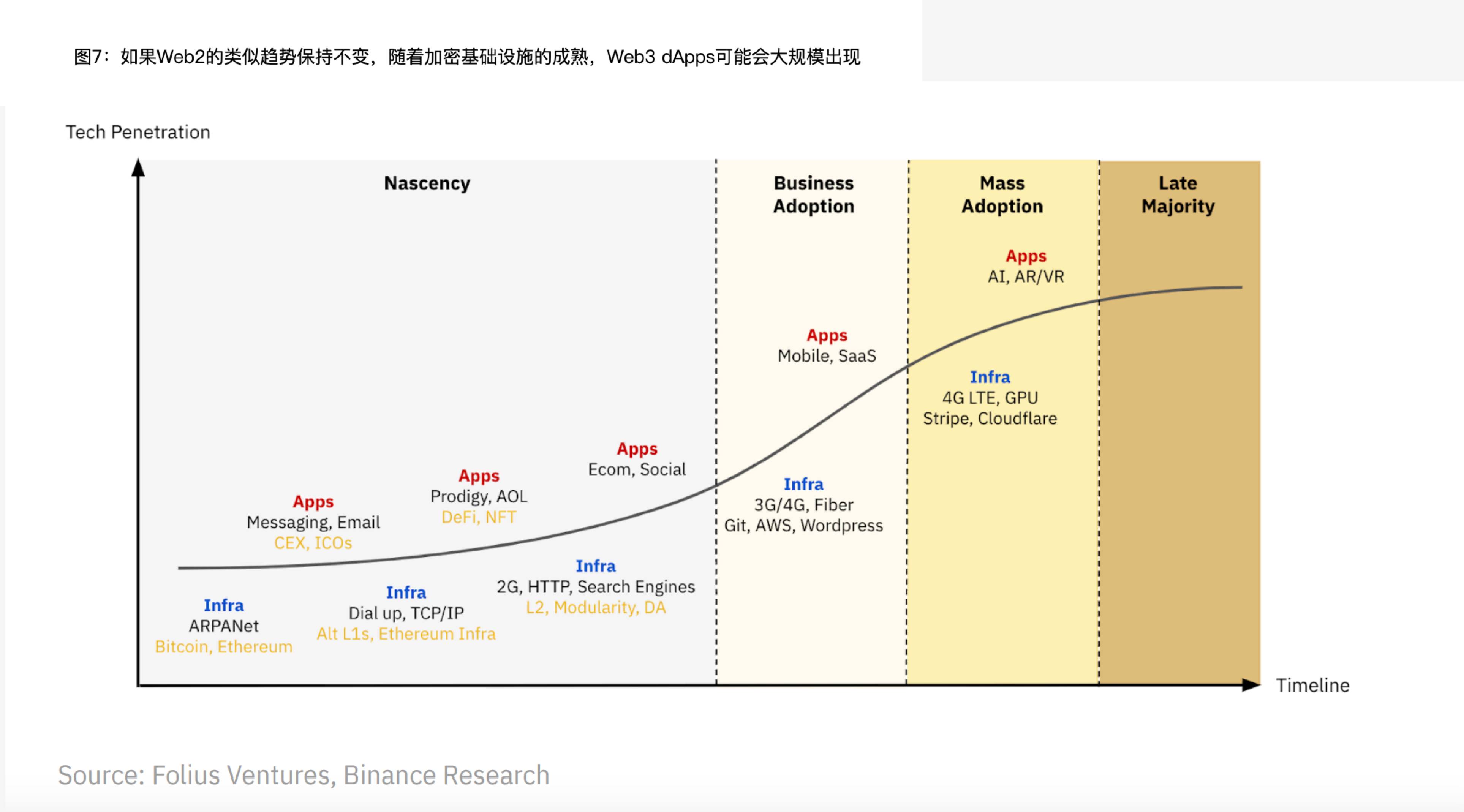
Just a matter of time? If Web3 follows a similar trajectory, the shift from infrastructure to consumer applications may simply be inevitable—consumer applications are poised for mass adoption and attention.
3. Crypto Applications and Use Cases
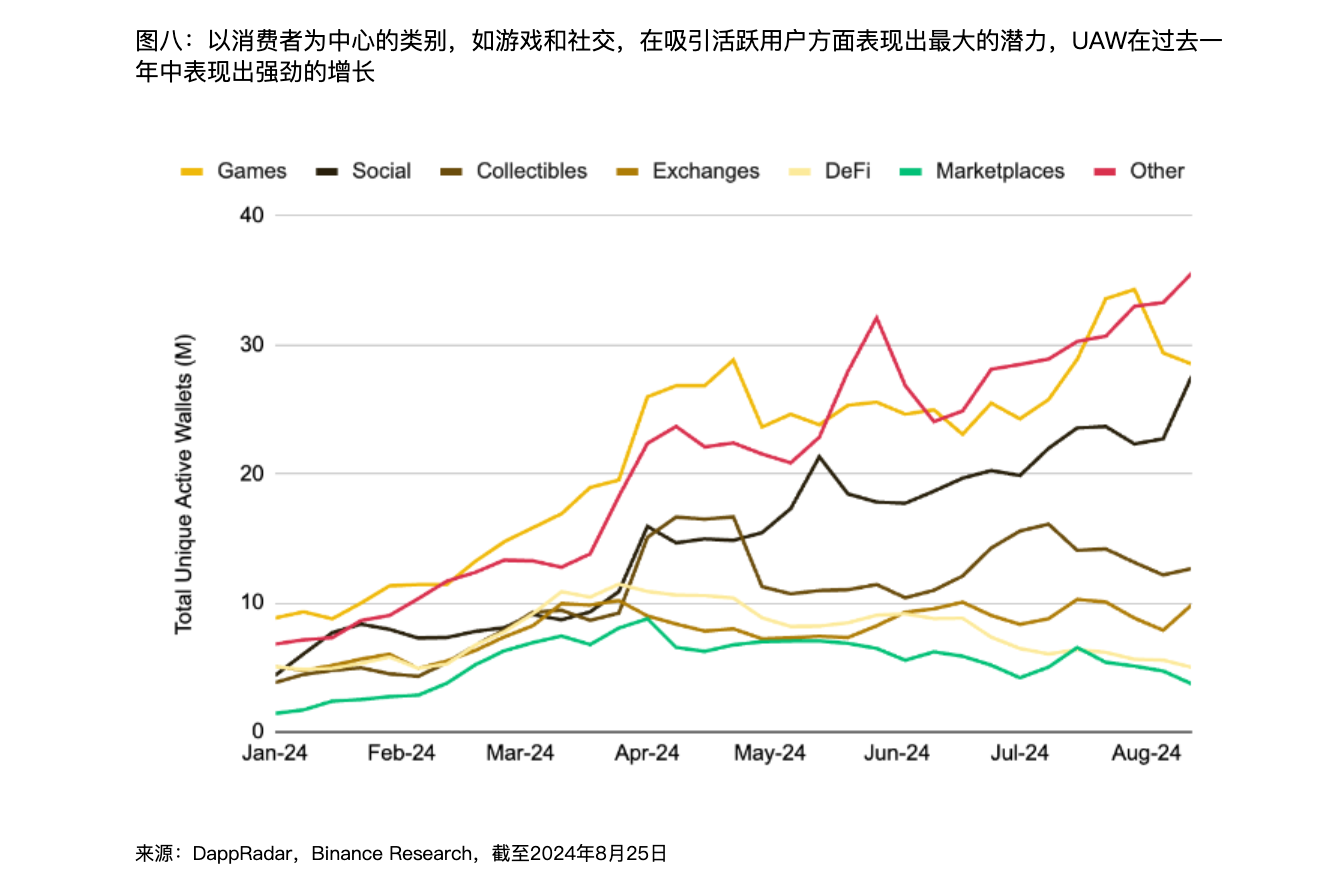
We see a similar trend in Web3: consumer dApps are driving growth in unique active wallets (UAW).
Unfortunately, building for consumer markets remains one of Web3’s toughest challenges—it’s not merely about crypto ownership or financialization.
Future dApps have several potential paths:
- Compete within crypto’s existing strengths (e.g., speculation), or create entirely new verticals where no established demand exists;
- Improve upon Web2 use cases by bringing them on-chain, though this risks direct competition with mature Web2 apps. Social media, payments, and gaming are already well-established in Web2, raising the critical question: what would incentivize users to operate on-chain instead of using their current off-chain applications?
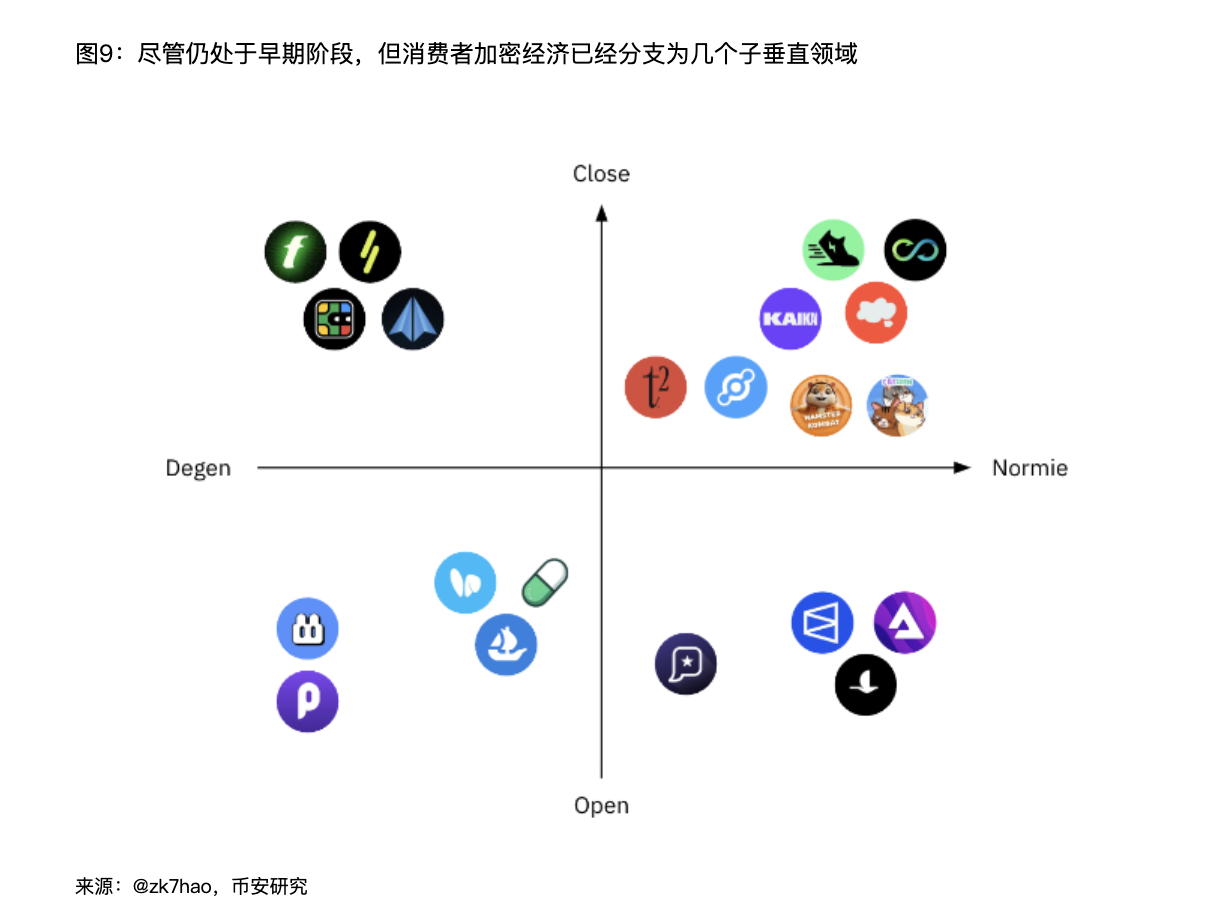
Some products have begun demonstrating possibilities when consumer experience meets decentralized systems.
A key difference between the new generation of dApps and earlier versions is that many now cater to mainstream audiences. Users access them via familiar methods such as email or social logins (often alongside wallets), pay with credit cards, and don’t need to worry about network compatibility or gas fees.
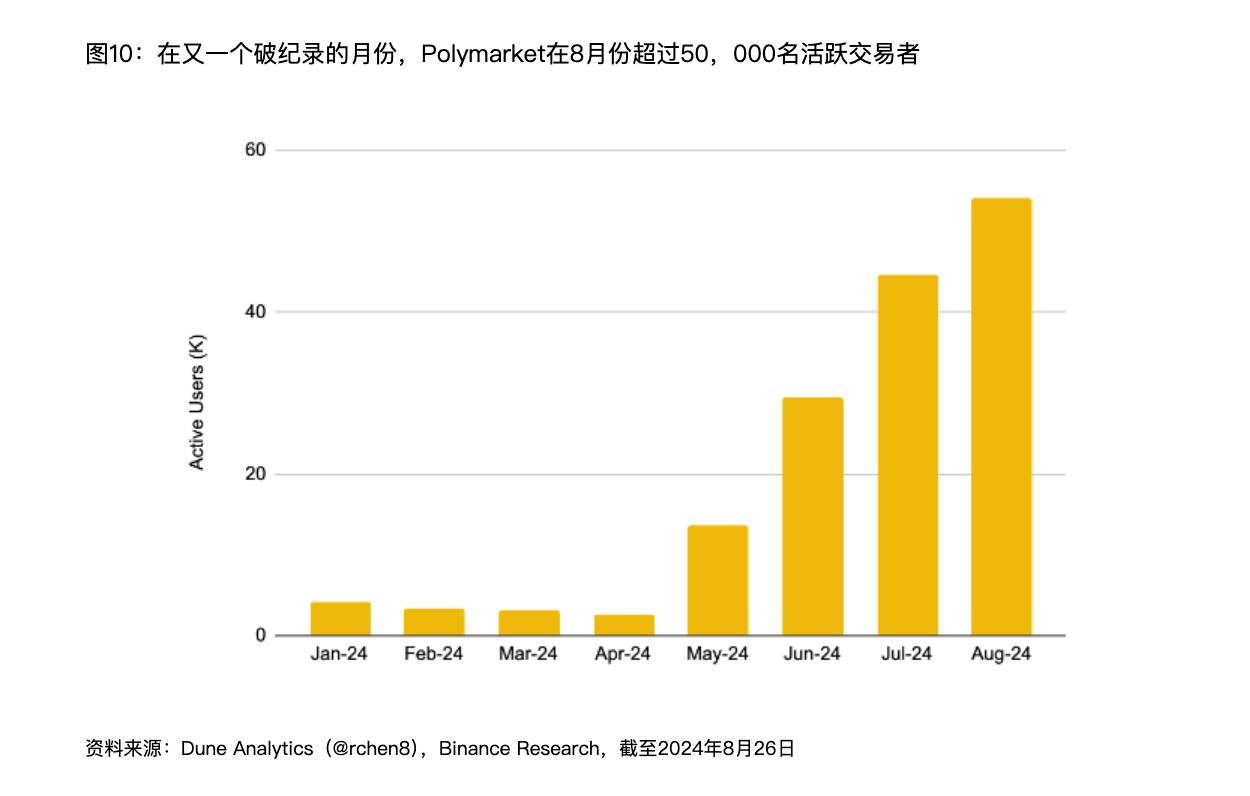
Productized speculation has succeeded on platforms like Polymarket (prediction markets) and Pump.fun (tokenized launchpad). Both combine speculative appeal with utility, resulting in consumer-friendly products.
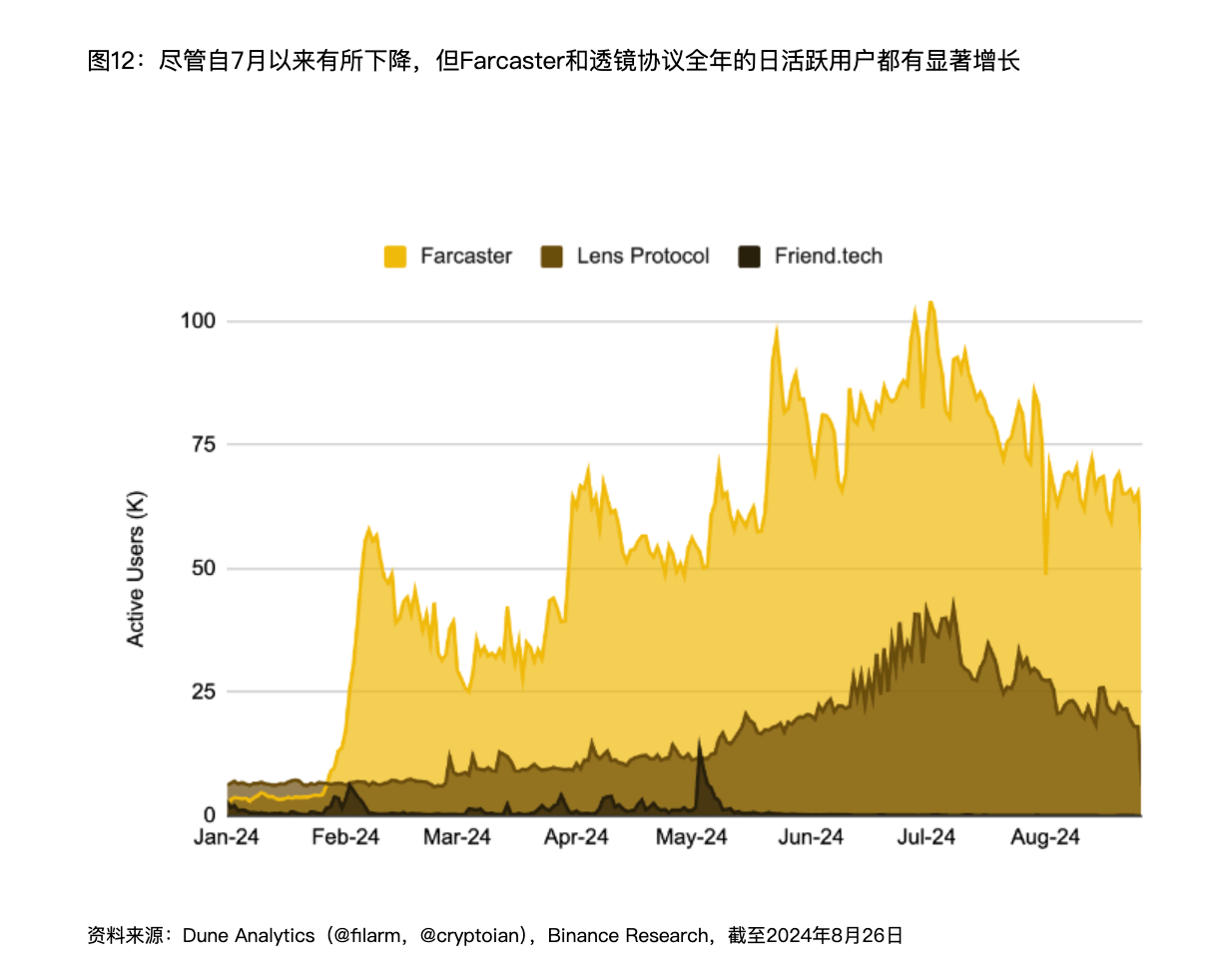
Warpcast, the most successful app on Farcaster, confirms this potential. As more high-value use cases emerge, it could help reduce user volatility. Additionally, features like frameworks and open actions allow these platforms to attract dApps from outside their native ecosystems, offering greater flexibility and enabling direct user engagement through social interfaces.
Additionally, regarding Web3 gaming:
One of the most popular innovations in this cycle is T2E ("Tap-to-Earn") games on the TON blockchain.
Even accounting for potentially inflated metrics, these numbers surpass anything previously seen in Web3 gaming, showing the model’s potential to attract massive user bases.
While content and infrastructure are key components of the gaming industry, distribution remains the decisive factor for success. For billions of gamers to join Web3, Web3 games must be accepted by traditional game distribution platforms such as Apple App Store, Google Play Store, Steam, Xbox, and PlayStation. Complementing these efforts with strong marketing and robust social media strategies is also crucial to foster cultural investment in the games created.
4. Distribution: A Necessity for Expanding Market Reach
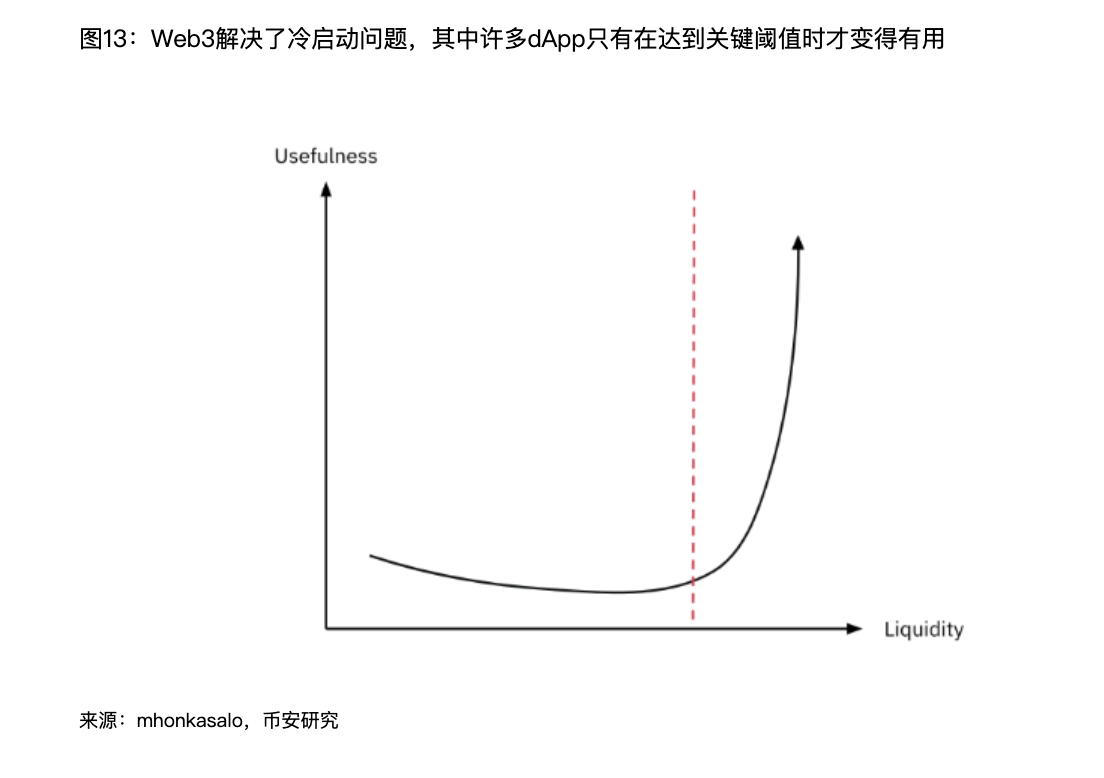
The typical Web3 dApp user funnel includes steps like user acquisition, wallet connection, funding the account, and activation. Each step presents challenges and depends on users completing the prior step without dropping off.
Without sufficient users and liquidity, many Web3 dApps will struggle to stay viable. Strong distribution strategies are essential to bring these dApps to useful scale.
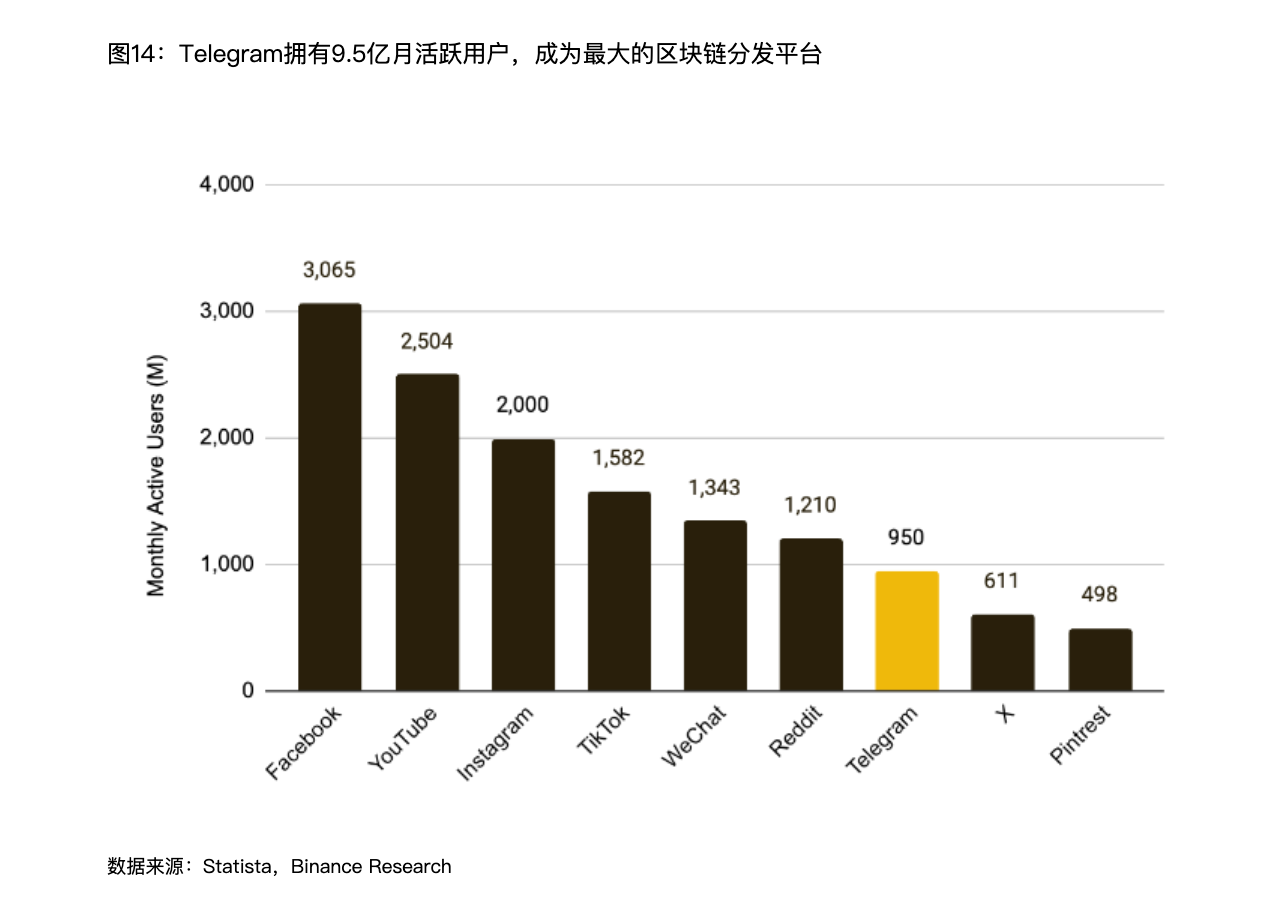
dApps built and distributed on Telegram may face less competition in early stages, enabling more effective user activation. Meanwhile, Telegram’s current revenue stands at $45 million—but compared to WeChat at a similar user scale—this suggests potential for billions in revenue.
This highlights an opportunity to acquire untapped users at low cost and monetize them faster through in-app purchases, subscriptions, or ad-sharing models.
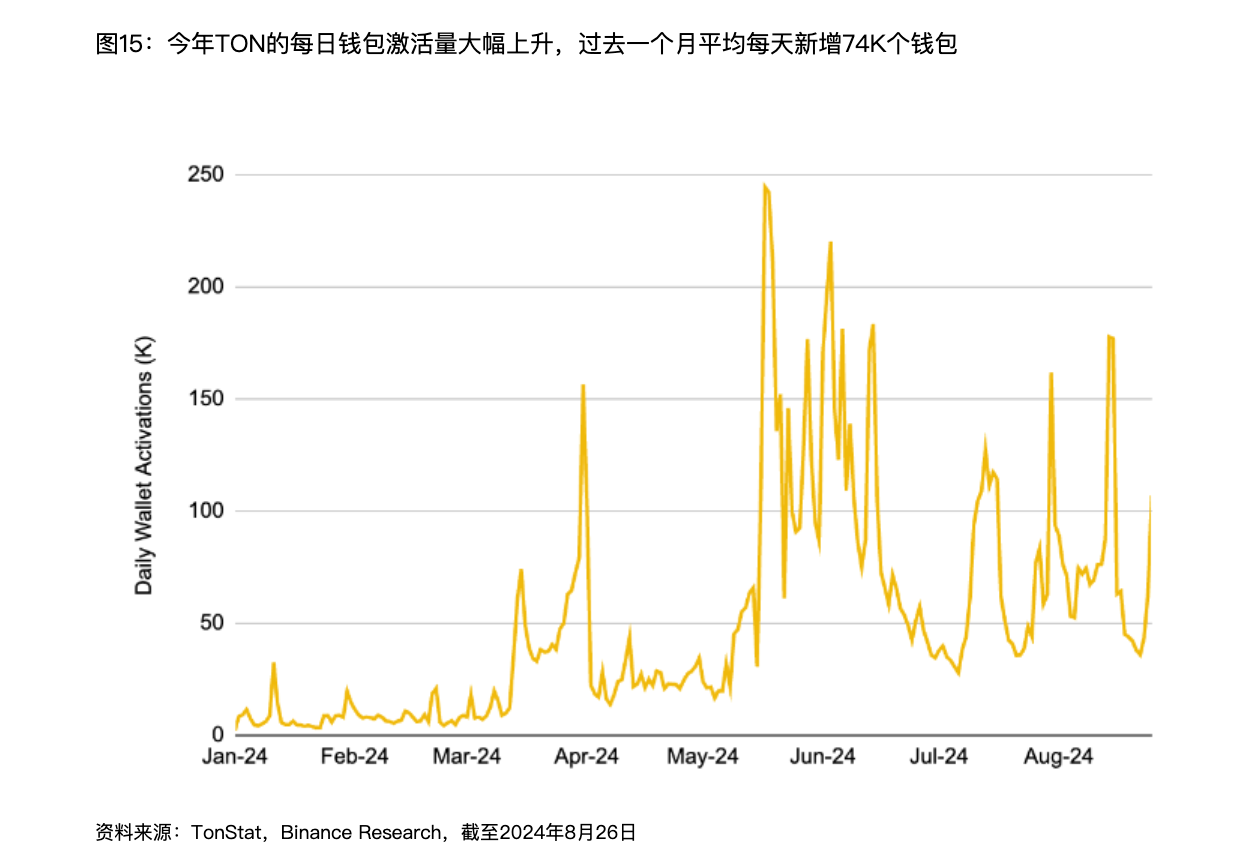
Mini-app revolution: Simplified interfaces familiar to global audiences have elevated distribution to a new level.
Catizen, in particular, reported a 7% conversion rate—significantly higher than the average 0.66% for other Telegram crypto interactions—highlighting the channel’s potential for user acquisition.
To elevate this distribution channel further, it will be interesting to see whether the mini-app ecosystem can replicate its success in more mainstream areas like DeFi. The opportunity is there—especially since T2E games have already captured user attention and liquidity, which could spill over into other mini-app categories. Competitive advantage will go to projects that deliver simplified experiences for complex on-chain functions.
Conclusion
Making Web3 a household name is indeed uncharted territory. In a space where new technologies constantly emerge and narratives shift rapidly, additional variables always come into play:
-
User Behavior: Serving Web2 and Web3 users requires understanding different cultural contexts. These groups differ greatly in language, preferences, and behavior, impacting product design and user experience.
-
Product Complexity: Web3 is inherently more complex than Web2. While improvements in user experience through account abstraction, smart wallets, and better on-ramps can help, nuances in on-chain operations, wallet management, and tokenomics may take time to gain wider acceptance.
-
Post-Acquisition Engagement: Engaging users after acquisition differs in Web3 from traditional Web2 strategies. Customer experience programs, email marketing, and other standard Web2 engagement tactics do not seamlessly translate to on-chain environments. Many dApps rely on wallet-based logins, leaving little room for conventional outreach or ongoing engagement. Without clear channels to maintain contact, Web3 dApps must develop new ways to sustain relationships and improve retention.
-
Brand Awareness: While some Web3 networks like Solana and Berachain have begun establishing strong brands, for dApps, cultivating vibrant communities around their products is even more important.
-
Adapting to Growth Opportunities: In some cases, utility can emerge around speculative elements—especially where social narratives intersect with the attention economy, such as serving as positive-sum memes (as opposed to zero-sum) within social discourse.
Moreover, expanding the presence of Web3 dApps across various distribution channels will be key to achieving broader market coverage—Telegram being a prime example.
In the end, a great product with mediocre distribution can still succeed, but a subpar product with great distribution cannot. The challenge for Web3 founders lies in finding the right balance between the two. As we move forward, we look forward to seeing the next generation of dApps drive the coming wave of adoption and retention.
Join TechFlow official community to stay tuned
Telegram:https://t.me/TechFlowDaily
X (Twitter):https://x.com/TechFlowPost
X (Twitter) EN:https://x.com/BlockFlow_News
 深潮TechFlow






