Crypto enthusiasts, beware of criminal risks associated with Meme coin funds
TechFlow Selected TechFlow Selected
Crypto enthusiasts, beware of criminal risks associated with Meme coin funds
When in doubt, trade MEME coins?
 Navigating Web3 tides with focused insights
Authors: Liu Honglin, Rao Weitong, Shanghai Manqin Law Firm
When in doubt, speculate on MEME coins?
In recent years, the blockchain industry has undergone a transition from peak to trough. Once-dominant trends such as DeFi and NFTs have gradually faded over time. With no breakthrough technologies or new application scenarios emerging yet—and amid a lack of fresh narratives and mutual disconnection between Eastern and Western markets—investors are increasingly turning their attention to a new speculative vehicle: MEME coins.
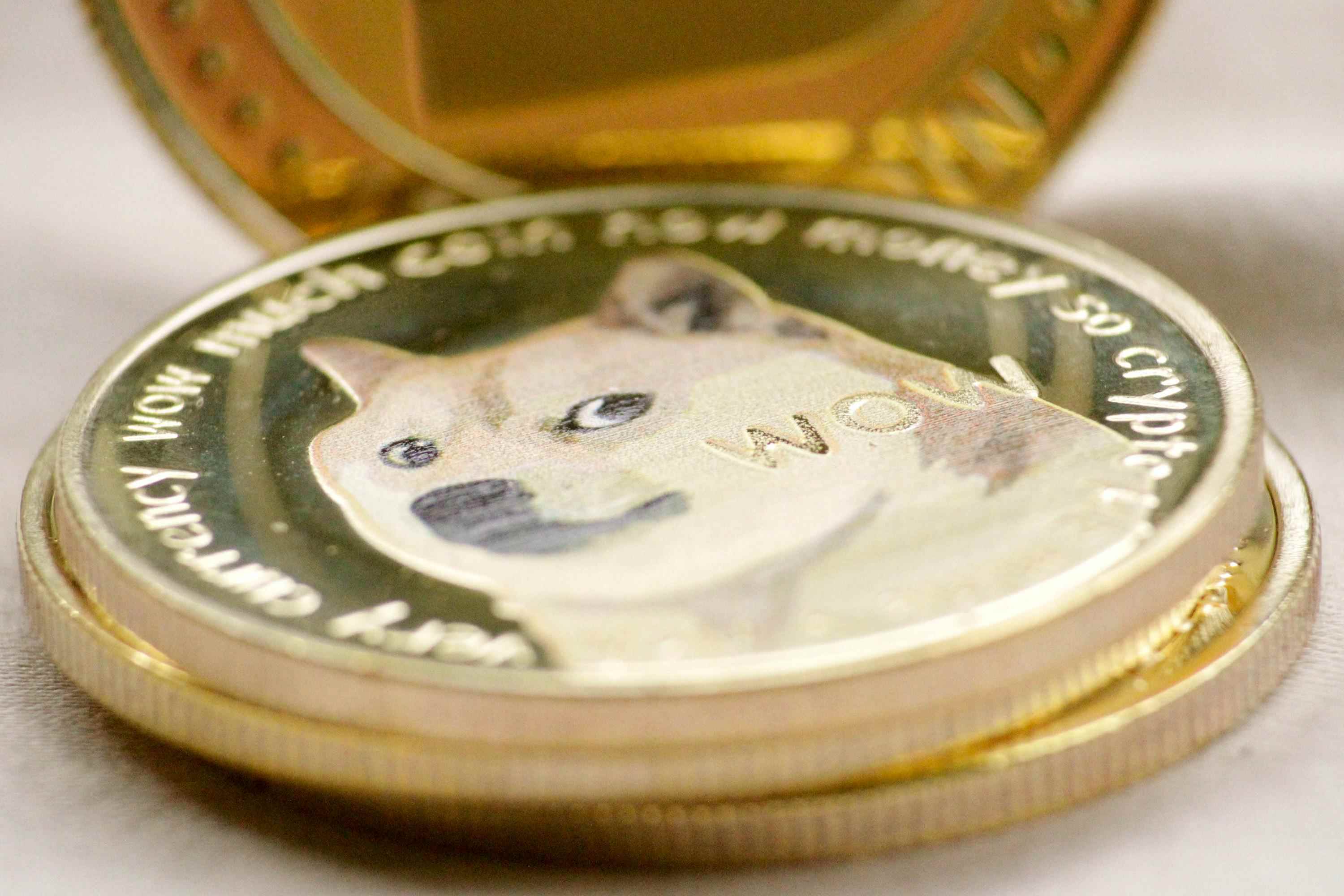
MEME coins are cryptocurrencies built around internet culture and social media trends, closely tied to viral topics, internet jokes, or pop culture phenomena—distinctly different from traditional technology-driven digital assets. Prominent examples include Dogecoin, Shiba Inu, and PepeCoin. Dogecoin originated in 2013 as a satirical take on Bitcoin, but thanks to strong community support and endorsements from figures like Elon Musk, it evolved from a joke into a significant market force. Shiba Inu, branded as the "Dogecoin killer," leverages the Ethereum blockchain and gained rapid traction through enthusiastic online communities and social media discussions, quickly amassing a large user base. PepeCoin, inspired by the internet meme character Pepe the Frog, may not have matched Dogecoin or Shiba Inu in market performance, but its speculative impact within the crypto space remains notable.
The price movements of MEME coins are rarely driven by traditional fundamental analysis; instead, they are largely fueled by market sentiment, community engagement, and social media virality. Platforms like Twitter, Reddit, and TikTok serve as primary channels for spreading awareness about these coins. Influential users and active communities play key roles in promoting them, sparking widespread interest in short periods. Community members contribute through content creation, information sharing, and even crowdfunding to propel the growth of these projects. Due to their typically low initial prices and minimal investment thresholds, MEME coins attract many retail investors.
For many investors—especially younger generations—MEME coins represent an opportunity for quick wealth accumulation. Compared to traditional financial markets, investing in MEME coins is accessible and straightforward. Combined with extensive social media exposure, this often triggers FOMO (fear of missing out) among investors. Moreover, the entertainment and social aspects of MEME coins transform them from mere investment tools into forms of engaging, even "fun," interaction—even if they lack solid technological foundations or intrinsic economic value.
However, while chasing the social buzz and potential windfalls associated with MEME coins, investors must remain fully aware of the hidden legal risks. Crossing legal boundaries can lead to severe consequences.
Misconceptions Among MEME Coin Issuers
Many individuals or teams launching MEME coins mistakenly believe that as long as they avoid classic financial crimes such as market manipulation or fraud, they won't run afoul of the law. However, as virtual assets, MEME coins are closely linked to the real-world financial system. When issuers conduct public fundraising, trading, or exaggerate return expectations without proper legal basis or regulatory approval, they often cross legal red lines.
For example, a development team heavily promoted its MEME coin project on social media, claiming it would soon be listed on major exchanges and promising investors multi-fold returns. When these promises failed and funds disappeared, the team members could face criminal charges for illegal fund-raising fraud. Similarly, an individual promoted a self-created MEME coin online, touting its massive appreciation potential. Without any legal authorization, he attracted numerous investors to buy in. After the project collapsed and caused substantial investor losses, his actions could also constitute the crime of fundraising fraud. If the amount involved is significant, he might face more than seven years in prison—or even life imprisonment—along with asset forfeiture.
Illegal Fundraising Under the Guise of Crypto Funds
Within the crypto space, increasing numbers of individuals and organizations are conducting public fundraising under the label of "crypto funds," luring unsuspecting investors. These MEME coin-focused crypto funds often have very low entry barriers—sometimes just tens of thousands of RMB—and advertise high returns in short timeframes, such as doubling profits within a week, making them highly tempting. To alleviate investor concerns, some funds promise liquidity with immediate withdrawal options, creating a false impression of "risk-free" investment. Notably, marketing and sales for these funds frequently occur offline via seminars, meetups, and private gatherings, adding an element of secrecy.
Such fundraising activities, particularly when conducted without clear compliance frameworks, are easily classified as illegal fundraising offenses under Chinese law.
Criminal Legal Risks Under Chinese Law
Unregulated crypto fund fundraising and investment activities involve unmonitored fund flows, making it easy for fund managers to embezzle money and disappear. Once such conduct is deemed illegal fundraising or fraud, responsible parties face serious criminal liability.
First, the crime of **illegally absorbing public deposits**. This refers to raising funds from the general public—undefined, non-specific groups—through public channels such as the internet, media, promotional events, flyers, or text messages, without formal approval from competent authorities or under the guise of legitimate business operations. It usually involves promises of principal repayment and returns within a certain period. According to the *Criminal Law of the People's Republic of China* and relevant judicial interpretations, using virtual currencies as the target of fundraising still constitutes illegal fundraising. For instance, if a MEME coin fund operator raises capital publicly without proper licensing, and the project fails leaving investors unable to recover their funds, this act may be recognized as illegally absorbing public deposits. If the amount involved is large, organizers may face three to ten years in prison along with fines or asset confiscation.
Second, the crime of **fundraising fraud**. Compared to illegal deposit absorption, fundraising fraud specifically involves knowingly false promises of high returns that are either impossible to fulfill or never intended to be fulfilled. For example, if a crypto fund team fabricates investment projects and return rates while concealing the true operation of the fund, then absconds with the raised funds, causing heavy losses to investors, such behavior may constitute fundraising fraud. For cases involving large sums or other serious circumstances, perpetrators may face sentences of seven years or more in prison, or even life imprisonment, along with fines or asset confiscation.
Third, **money laundering risks**. Cryptocurrencies, due to their anonymity and cross-border mobility, are prone to misuse for money laundering. However, many MEME fund operators pay little attention to anti-money laundering (AML) practices or KYT (Know Your Transaction) protocols. They often lack proper investor asset screening and effective risk management during investment operations. Due to weak risk awareness, these funds can inadvertently become conduits for money laundering. Once identified as part of a money laundering scheme, responsible individuals not only face heavy fines and asset recovery actions but may also be criminally prosecuted for money laundering, with penalties reaching up to ten years in prison.
Practical Risk Tips for Crypto Market Participants
As ordinary investors, one should exercise extreme caution when participating in MEME coin investments or related crypto funds, strictly comply with applicable laws and regulations, and avoid falling into both legal and financial pitfalls in pursuit of high returns. Below are several recommendations:
1. Avoid Blind Herd Behavior: Before investing in any MEME coin, thoroughly research the project’s background, team, community dynamics, and market performance. Avoid jumping in solely based on hype or social media promotion.
2. Understand Legal Regulations: In China, any form of public fundraising requires formal approval and supervision by relevant authorities. Unauthorized fundraising may constitute illegal financial activity. Investors must understand these laws to avoid involvement in illegal schemes. Additionally, note that all forms of virtual currency investment activities conducted within mainland China are not legally recognized. This means contracts between investors and crypto fund managers are invalid under Chinese law, making it extremely difficult to seek legal recourse domestically in case of disputes.
3. Be Aware of Investment Risks: High returns come with high risks, especially in volatile and uncertain market conditions. Investors should act according to their financial capacity and avoid allocating large amounts of capital to highly speculative ventures. For on-chain MEME coin investments, consider using dedicated wallets and remain vigilant against phishing attacks or improper contract authorizations.
4. Seek Professional Advice: Before making significant investments, consult qualified legal professionals to ensure your investment and any related agreements comply with regulatory requirements.
Join TechFlow official community to stay tuned
Telegram:https://t.me/TechFlowDaily
X (Twitter):https://x.com/TechFlowPost
X (Twitter) EN:https://x.com/BlockFlow_News