
Bitcoin Once Fell Below $50,000—What’s the Market Outlook?
TechFlow Selected TechFlow Selected
Bitcoin Once Fell Below $50,000—What’s the Market Outlook?
Will "312" happen again?
 Navigating Web3 tides with focused insights
By Chandler, Foresight News
Latest data released last Friday showed a rise in U.S. unemployment for July, sparking close attention on recession indicators and triggering global spread of recession fears, leading to a sharp decline across global capital markets on Monday. The Nikkei dropped 4,451 points—the largest single-day fall in Japanese stock market history—surpassing the previous record of 3,836 points after the U.S. market crash on October 20, 1987. South Korea's benchmark Kospi index and small-cap Kosdaq index both fell over 8%, triggering circuit breakers and marking their biggest daily drop since 2008. Nasdaq 100 futures extended losses beyond 5%, while European markets opened lower and continued to slide, with the Euro Stoxx 50 down more than 3%.
The crypto market was not spared from the synchronized downturn. BTC failed to find support below $60,000 and plunged further below $50,000, reaching a low near $49,000—an intraday loss exceeding 15%. ETH dropped over 20% within 24 hours, briefly falling below $2,200 and wiping out all its gains for 2024. According to CoinMarketCap data, total crypto market capitalization bottomed at $1.76 trillion, down nearly 20% in 24 hours.
Amid this global market turmoil, echoes of the brutal "March 12" sell-off seem to be resurfacing. Market participants and analysts expect two Fed rate cuts by the end of 2024 as increasingly plausible, amid mounting concerns over slowing growth and declining rates. Bitcoin price crashes often coincide closely with declines in the Nasdaq 100 Index. Some investors have reduced exposure but remain in the market, maintaining long-term bullish views focused on technology, industry fundamentals, and adoption.
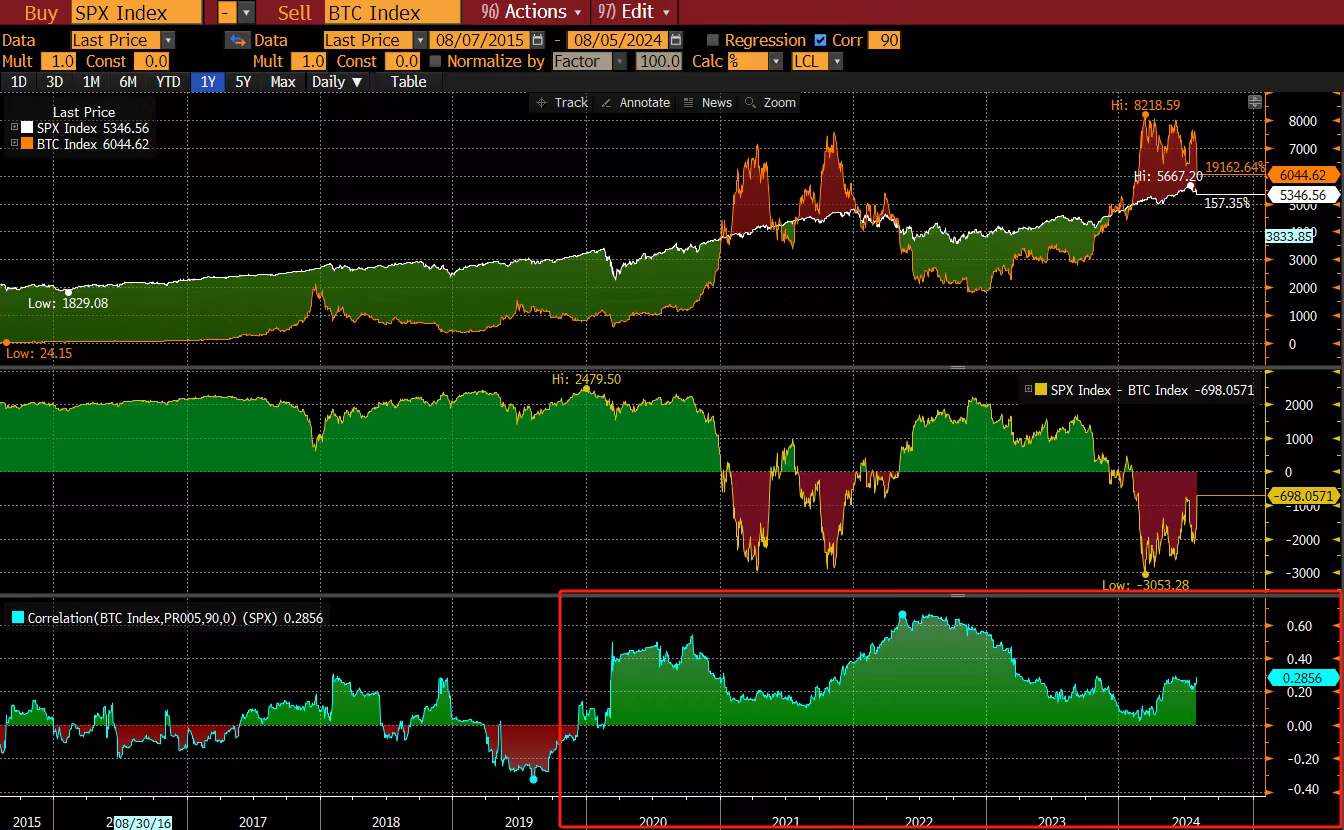
Alvin Chu, Head of Digital Asset Management at China Asset Management (Hong Kong) and Founder of Asia RWA Working Group: Bitcoin price crashes frequently align almost synchronously with drops in the Nasdaq 100 Index, especially during periods of broad systemic risk such as the market crash triggered by the pandemic in March 2020 and the 2022 market correction. At other times, Bitcoin’s volatility appears more isolated, though it still influences overall market sentiment to some degree.
Figure 1: MVRV (Market Value to Realized Value), which compares BTC's market price to the on-chain average cost basis of all BTC. In this chart, BTC that has remained inactive on-chain for over seven years is treated as long-term dormant or lost and excluded from the calculation. The black line represents BTC: MVRV from 2022 to present; the blue line covers 2018–2021; and the red line covers 2014–2017. Each segment aligns with the respective halving date of BTC mining output.
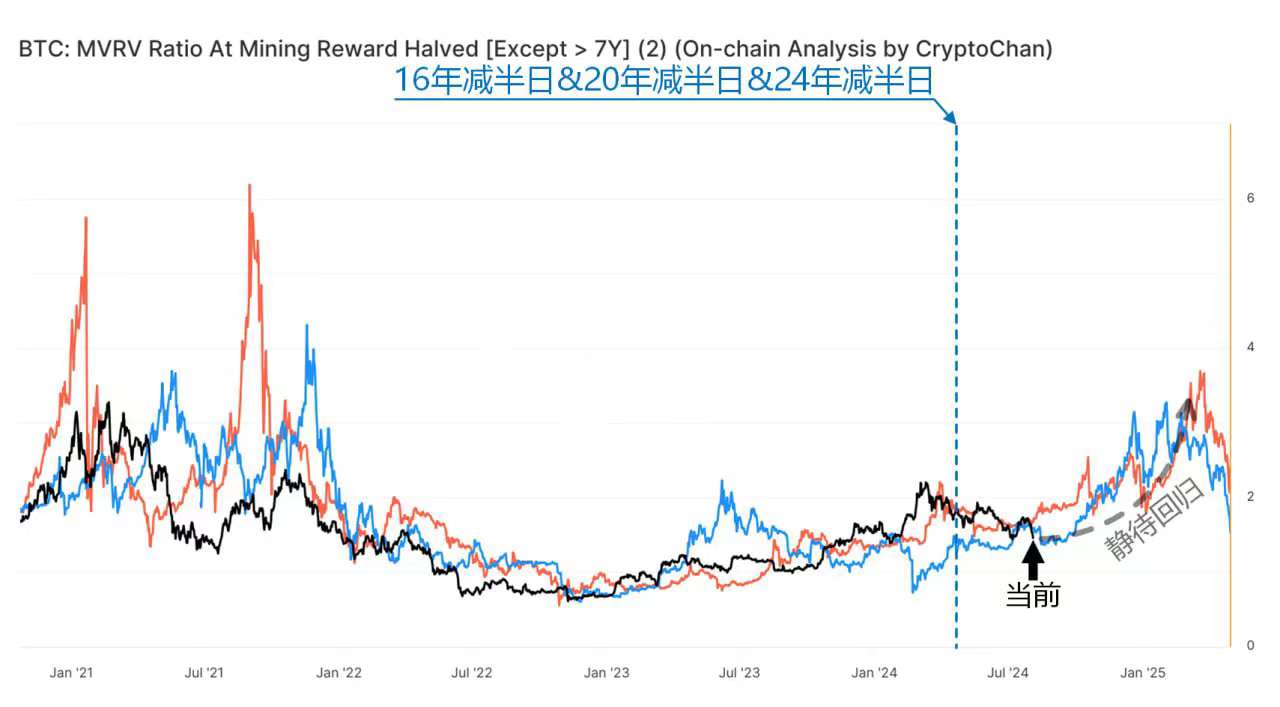
Figure 2: Time relationship between Bitcoin price crashes and Nasdaq 100 Index declines over the past 16 years, along with specific drawdown magnitudes:
Bitcoin Crash in 2013
Bitcoin Price Crash Timing: December 2013
Bitcoin Decline: Fell from above $1,100 to around $500, a drop of approximately 55%
Nasdaq 100 Index Decline: No significant correlated drop
Timing Relationship: No clear correlation
Bitcoin Crash in 2017–2018
Bitcoin Price Crash Timing: December 2017 – February 2018
Bitcoin Decline: Dropped from nearly $20,000 to about $6,000, a fall of roughly 70%
Nasdaq 100 Index Decline: February 2018
Nasdaq 100 Index Decline Magnitude: A brief pullback of about 10%
Timing Relationship: Nearly synchronous
Market Crash Triggered by COVID-19 in March 2020
Bitcoin Price Crash Timing: March 2020
Bitcoin Decline: Fell from around $10,000 to about $4,000, a decline of approximately 60%
Nasdaq 100 Index Decline: March 2020
Nasdaq 100 Index Decline Magnitude: Around 30%
Timing Relationship: Synchronous
Bitcoin Crash in May 2021
Bitcoin Price Crash Timing: May 2021
Bitcoin Decline: Dropped from around $64,000 to about $30,000, a fall of approximately 53%
Nasdaq 100 Index Decline: May 2021
Nasdaq 100 Index Decline Magnitude: A short-lived correction of about 5%
Timing Relationship: Nearly synchronous
Crypto Market Collapse in 2022
Bitcoin Price Crash Timing: May 2022 – June 2022
Bitcoin Decline: Fell from around $40,000 to about $20,000, a drop of approximately 50%
Nasdaq 100 Index Decline: Early 2022 – June 2022
Nasdaq 100 Index Decline Magnitude: Approximately 30%
Timing Relationship: Nearly synchronous
Hayden Hughes, Head of Crypto Investments at family office Evergreen Growth: Crypto assets became part of the victims of yen carry trade unwinding
As speculators adjust to higher interest rates in Japan, crypto assets have become one of the casualties in the unwinding of yen carry trades, with investors also grappling with sharply rising hedging costs due to USD/JPY exchange rate volatility.
Daniel Tan, Portfolio Manager at Grasshopper Asset Management: Two rate cuts by end of 2024 more reasonable
We believe five rate cuts by the Fed by the end of 2024 are unlikely. Two cuts appear more reasonable—one in September and one in November—for a total reduction of 75 basis points by year-end. This suggests potential opportunities to increase bond exposure in the coming months. Overall, we think emerging market bonds will perform well into year-end under a gradually declining interest rate environment.
Prior to the recent early-August selloff, we were cautious about chasing the rally in global equities, which had been largely driven by surging tech stocks. Given the strong run-up earlier this year and investor demand to liquidate assets to cover losses, there may still be room for further downside in equity markets.
George Bourbouras, Research Head at Melbourne-based K2 Asset Management: The reaction to employment data seems excessive
Markets are clearly concerned about recent weak economic data. However, extrapolating from last Friday’s employment figures seems like an overreaction, as it reflects only a single month’s data. Three consecutive months would provide a better signal. It is evident that recent U.S. economic momentum has slowed. Recent improvement in core inflation data, combined with comments from the Fed, has led markets to price in a 25-basis-point rate cut in September. The era of ultra-low U.S. cash rates is over.
Despite market volatility and concerns about persistent weakness in economic data, overall earnings and credit conditions remain solid. With the Fed expected to begin rate cuts before the U.S. election (November 5)—as implied by futures markets—this could raise political sensitivity even if economically justified, potentially amplifying pre-election market swings.
Min Jung, Analyst at Presto Research: Weak jobs data, recession fears, and large transfers from Jump Crypto contributed to crypto market decline
The drop in Bitcoin and Ethereum can be attributed to several factors. First, last Friday’s employment report came in significantly below expectations, adding just 114,000 jobs, intensifying recession fears. Over the weekend, news emerged that Berkshire Hathaway, chaired by Warren Buffett, sold nearly half of its Apple stake in Q2, which may add further pressure on equities.
Additionally, over the weekend, Jump Crypto, the digital asset arm of Jump Trading, appeared to start moving hundreds of millions of dollars worth of crypto assets, including Ethereum and USDT. This sparked speculation that the firm might be liquidating holdings amid an ongoing CFTC investigation. Reports suggest Jump Trading has been transferring ETH to a centralized exchange (CEX), fueling rumors they may be forced to exit crypto operations due to regulatory scrutiny.
Lark Davis, Crypto Analyst: Reduced positions but didn’t exit crypto, better buying opportunities may emerge ahead
I’m reducing risk in part of my portfolio. Key reasons include: 1) Concerns about collateral liquidation risks for BTC and ETH loans; 2) A large portion of my net worth is in crypto, leaving only a small cash buffer—this needs to change; 3) Capital preservation considerations.
I know buying the dip is ideal right now, and current oversold levels may represent the first real buying opportunity. If I had more cash, I’d take advantage. While many have been catching falling knives over the past 72 hours, remember that uncertainty remains around Japan, the U.S., and Iran—each capable of creating even more attractive entry points. I still hold a substantial amount of crypto. I haven't fully exited the market.
Justin d'Anethan, APAC Business Development Director at crypto market maker Keyrock: Current market is not led by BTC
Unlike in the past, this market is being driven by sentiment rather than Bitcoin leadership. This is primarily because of spot Ethereum ETF trading and large holders unwinding their ETHE (Grayscale ETH Trust) positions. On a broader scale, interest rate dynamics, the possibility of a Trump election win, and Mt. Gox redemption-related selling pressure are also weighing on the crypto market.
10x Research: Bitcoin could fall to $42,000
We expect the $55,000 support level to break, potentially pushing prices down to $42,000. In such a scenario, Ethereum could fall below $2,000. While this may seem extreme to some, persistently weak market structure, on-chain data, and our cycle analysis indicate further downside pressure ahead.
Andrew Kang, Co-founder of Mechanism Capital: Bitcoin below $50,000 offers exceptional value
I won’t bet further on ETH downside. It might go lower, but it’s better to focus on identifying future buying opportunities. Don’t cry over what’s already happened. I’m neither bullish nor bearish on ETH. Direction is unclear right now, and the risk/reward doesn’t look favorable.
Regardless of short-term moves, Bitcoin below $50,000 offers exceptional value.
Jeremy Allaire, Co-founder and CEO of Circle: Still bullish—focus on technology, industry, and adoption
I remain as bullish today as I was six weeks ago. Focus on technology, industry, and adoption. Amid global macro volatility, don’t obsess over price movements in digital commodities unless you’re purely here for trading.
Bitwise CEO: Now marks the beginning of an “incredible bull market” for Bitcoin
Though hard to imagine now, when we look back in the future, today may be seen as the starting point of an “incredible bull market” for Bitcoin. As interest rates decline and recession fears loom, massive amounts of capital invested in equities and fixed income will seek alternative assets.
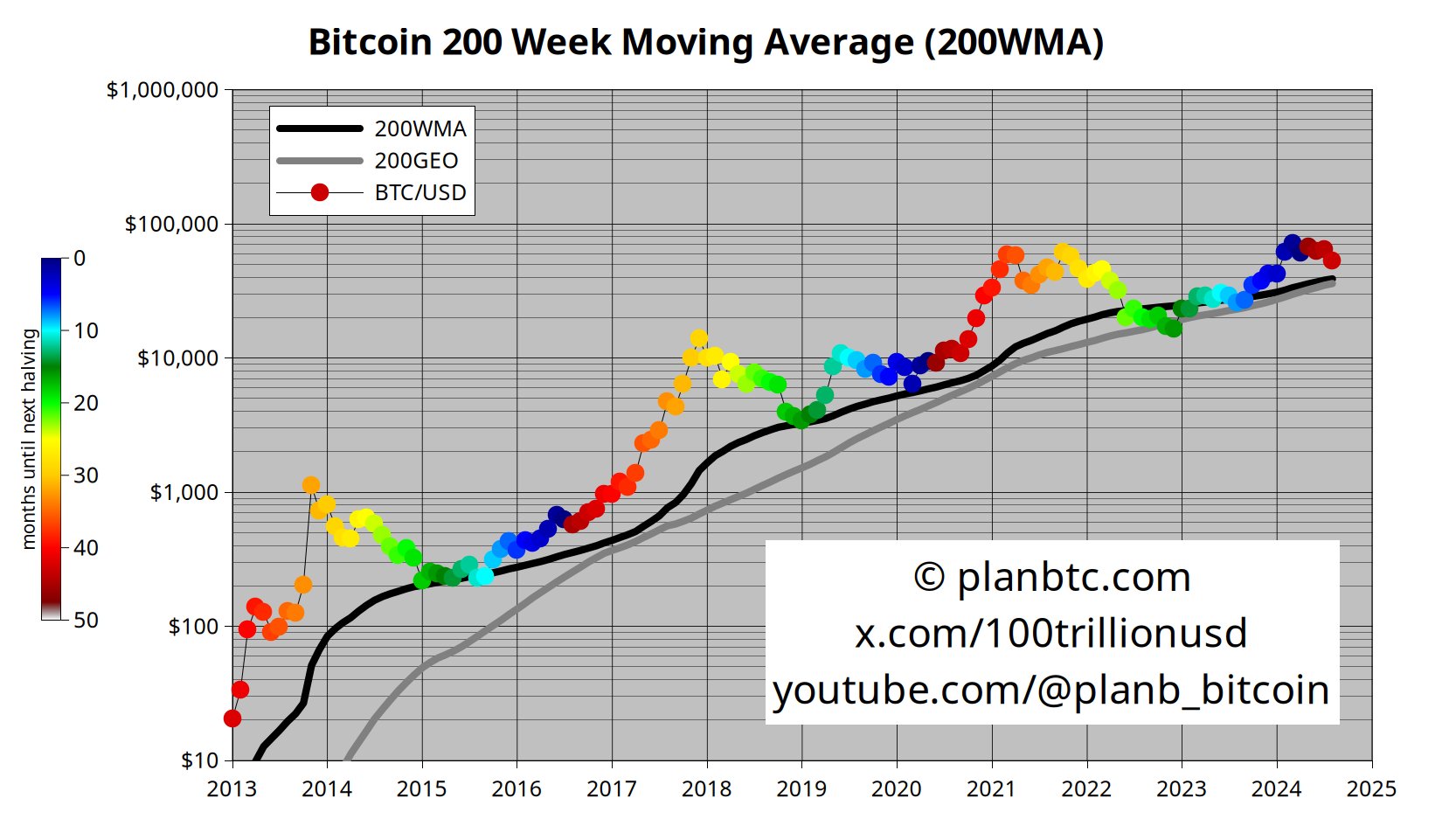
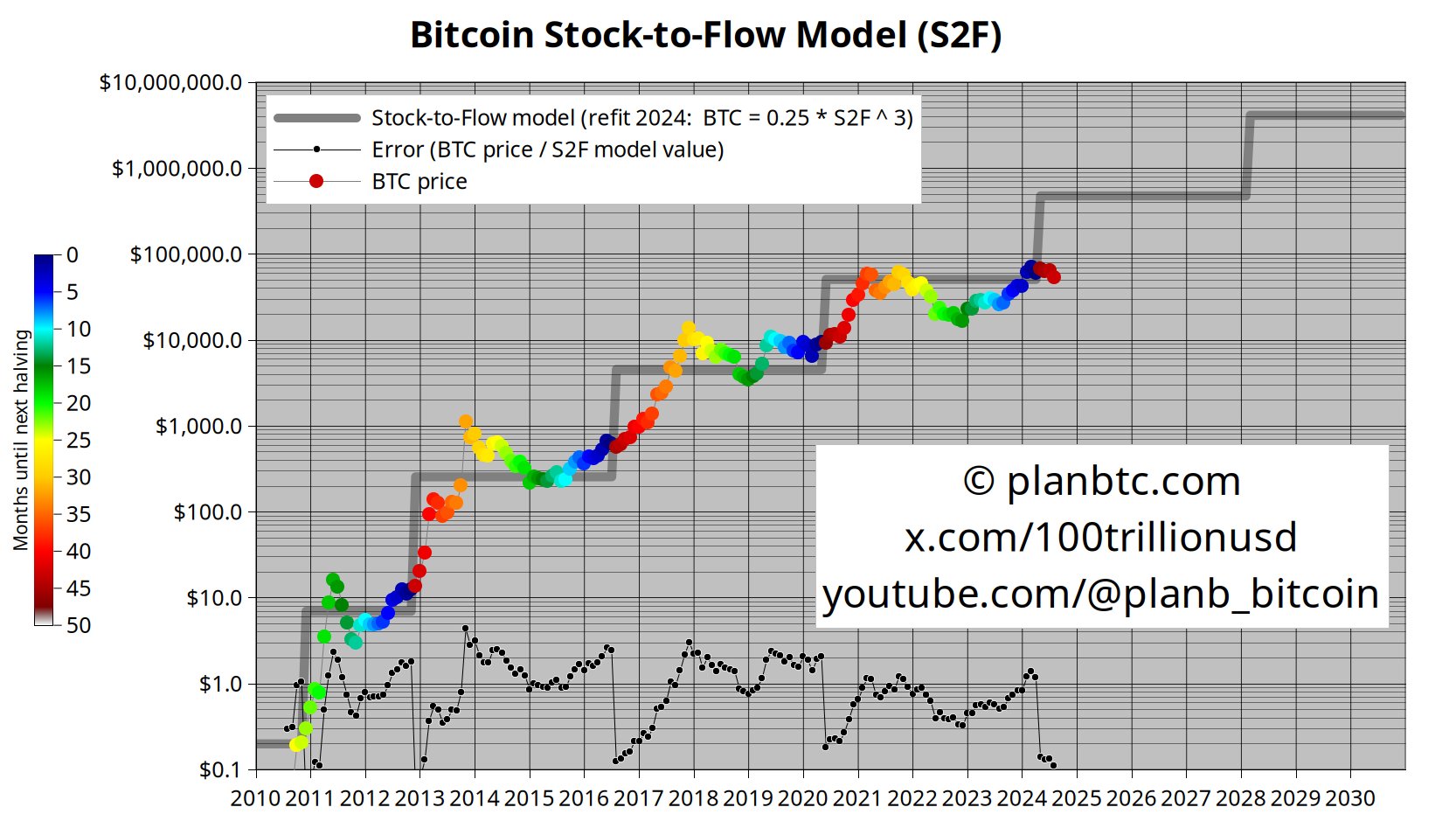
Quantitative Analyst PlanB: 20% chance of zero, 80% chance of $1 million
Most of you know my Bitcoin strategy: let it go to either zero or $1 million. I build models and charts because they help me understand where we stand within these two scenarios. My view: high volatility, but an upward bias—20% probability of zero, 80% probability of $1 million.
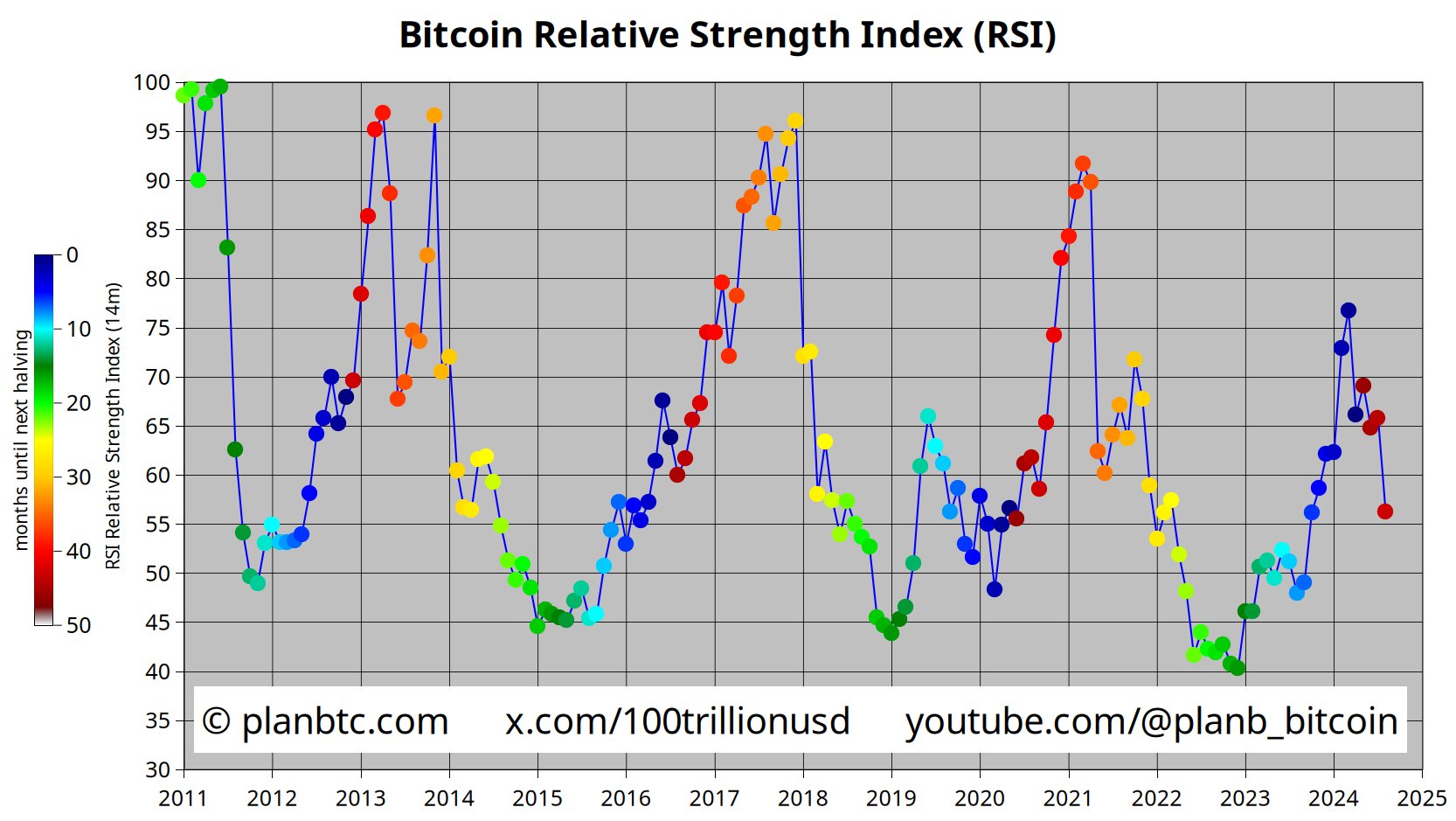
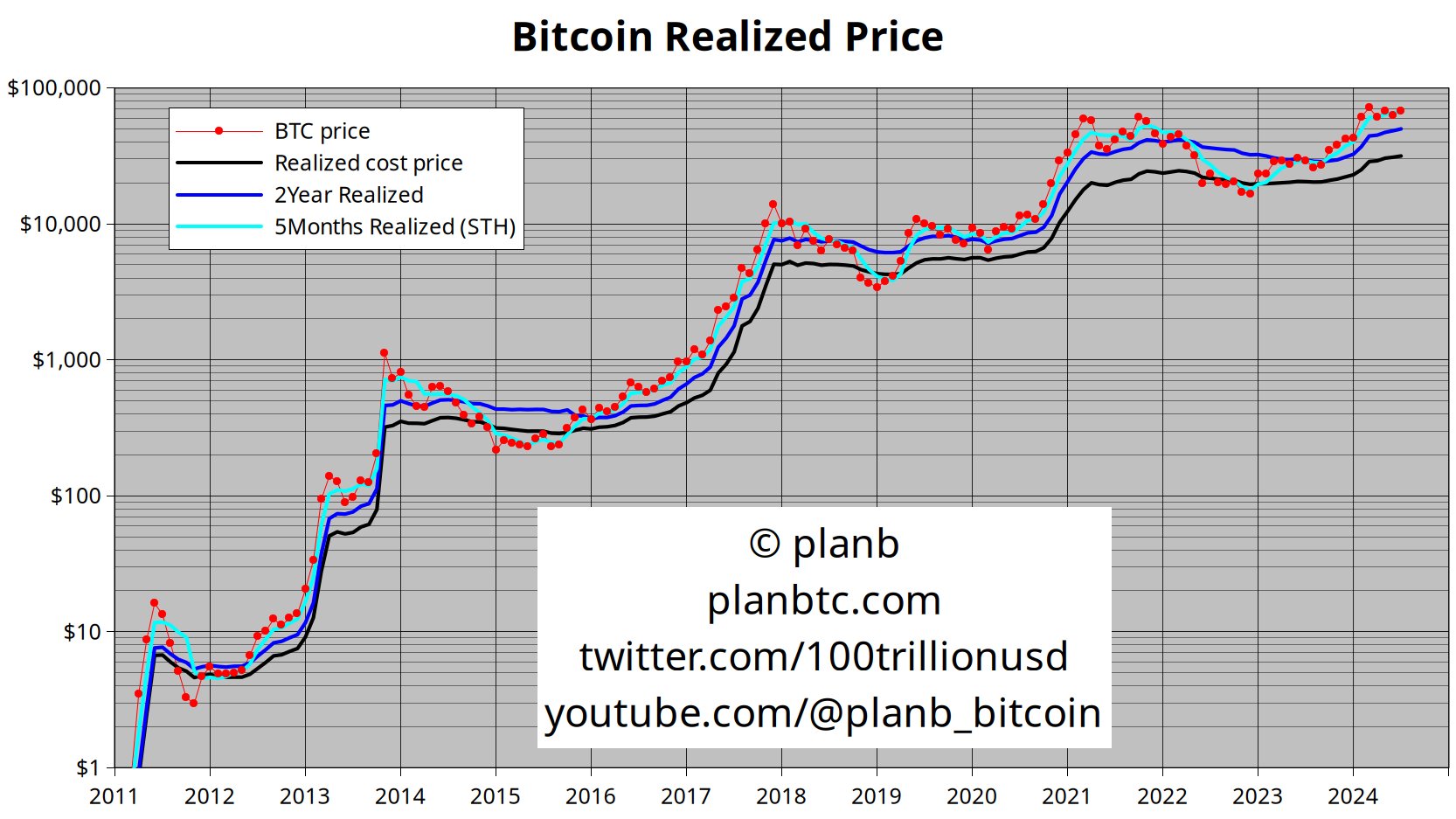
Arthur Hayes, CEO of DeFiance Capital @Arthur_0x: The market will enter a period of low liquidity in the coming weeks—but this presents the best investment opportunity
Join TechFlow official community to stay tuned
Telegram:https://t.me/TechFlowDaily
X (Twitter):https://x.com/TechFlowPost
X (Twitter) EN:https://x.com/BlockFlow_News
 Foresight News