From YangDAO to Trump: The Stunning Political Comeback of the Crypto Community
TechFlow Selected TechFlow Selected
From YangDAO to Trump: The Stunning Political Comeback of the Crypto Community
Four years ago, YangDAO's efforts in the presidential campaign ended at the party primary, but in this election cycle, the crypto community has already made it to the final round.
 Navigating Web3 tides with focused insights
Author: Wang Chao
In August 2019, an organization called YangDAO was announced, aiming to support Asian-American presidential candidate Andrew Yang’s campaign.
A DAO is a new organizational form that coordinates through cryptographic networks, with operational and governance rules defined by code. However, the definition of DAO has never been standardized—today, many organizations are considered DAOs as long as they feature decentralized collaboration and governance mechanisms, even if they don’t fully rely on code.
DAOs were once among the most exciting innovations in crypto, but the first large-scale DAO in history suffered a catastrophic security breach in 2016. The community was severely shaken, and the concept of DAO fell into obscurity for several years—until Valentine's Day 2019, when a guy named Ameen Soleimani unveiled 144 lines of core code at the Ethereum Denver Conference, announcing the return of the DAO.
This simple yet practical code was named the Moloch Protocol, enabling people to create donation funds in DAO form on Ethereum. In ancient Canaanite mythology, people sacrificed their firstborn children to a deity called Moloch in exchange for tribal safety. In 2014, scholar Scott Alexander published a famous essay titled “Meditations on Moloch,” explaining how humanity falls into tragedies of the commons. Since then, Moloch has come to symbolize systemic failure in public institutions.
The Moloch Protocol struck like thunder, rekindling people’s aspirations for DAOs. By August that year, more than 80 DAOs built on the Moloch Protocol had emerged—one of them being YangDAO.
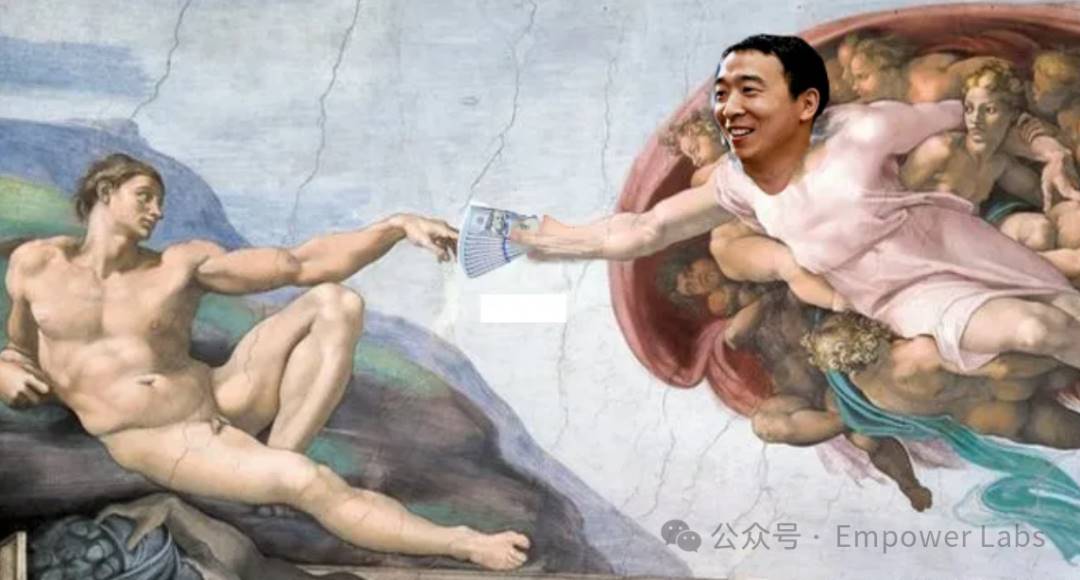
Andrew Yang’s two major campaign platforms—support for cryptocurrency and promotion of universal basic income—attracted crypto enthusiasts. YangDAO aimed to become a super PAC (an independent political committee allowed to accept unlimited donations) supporting Yang. It described itself as a 21st-century solution to 21st-century problems, particularly focusing on issues like AI-driven unemployment. However, due to poor outreach and limited public understanding of DAOs, YangDAO raised only tens of thousands of dollars.
After Yang dropped out following the Democratic primary, YangDAO also came to an end. Though brief, YangDAO’s existence marked the first open, collective attempt by the crypto community to engage in American politics.
PACDAO
On August 20, 2021, PACDAO was founded with the goal of influencing U.S. lawmakers’ attitudes toward cryptocurrency through political lobbying—and even hoped to help elect a pro-crypto representative to Congress.
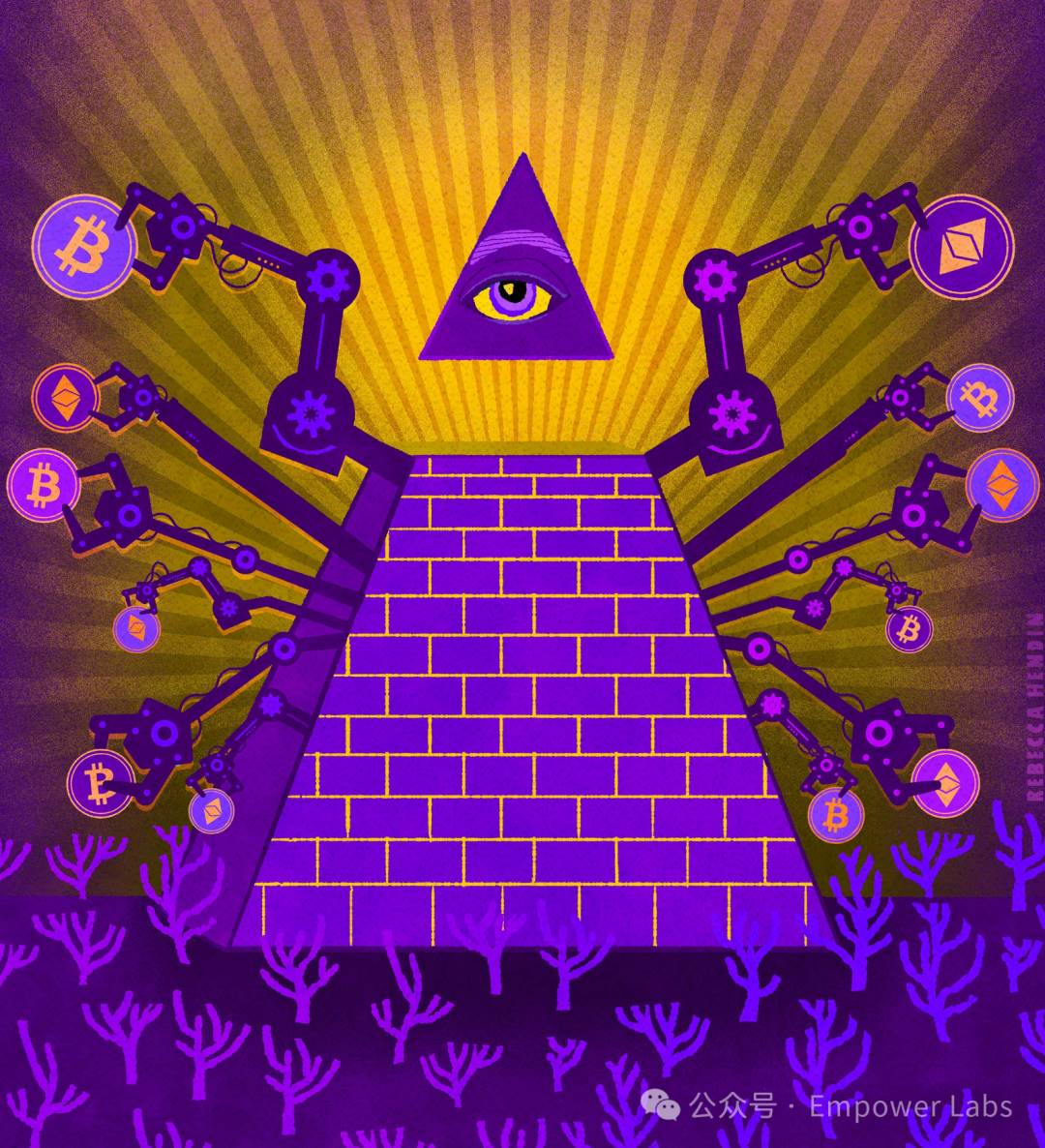
PACDAO demonstrated rapid evolution within the DAO space. Compared to YangDAO two years earlier, it showed significant progress in community organization, talent recruitment, fundraising, and project execution. Its initial fundraiser used NFT sales and enlisted renowned political artist Rebecca Hendin for design.
PACDAO’s most notable innovation was its on-chain Congressional scorecard. Community members could rate lawmakers based on their crypto-friendliness, guiding the crypto community’s political support. They also created animated NFT avatars for each political figure based on these scores.
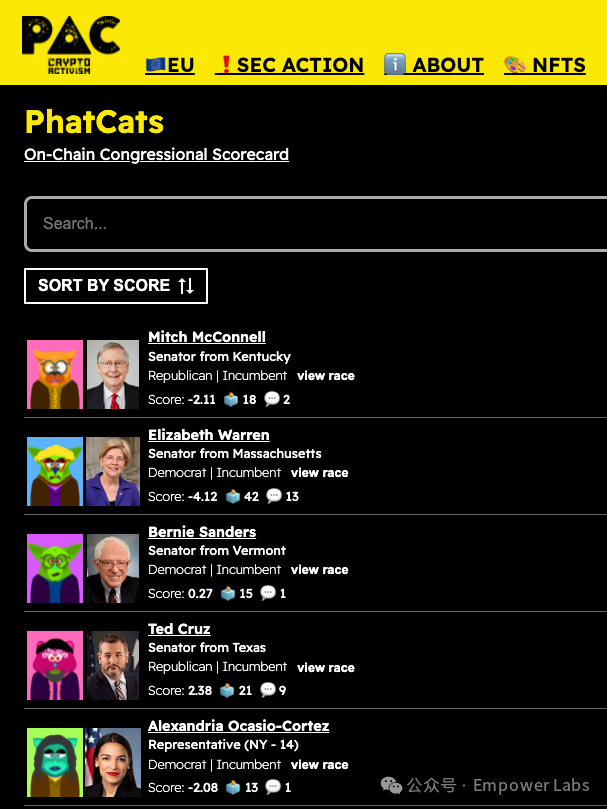
However, politics remains a niche topic in the crypto world. I observed PACDAO for a long time; despite its creativity, community engagement lagged behind other DAOs. After the midterm elections, PACDAO gradually ceased operations. Still, this attempt represented another important experiment in crypto community political participation.
Constitution DAO
In October 2021, Sotheby’s announced the auction of the only publicly circulating original copy among the 13 existing U.S. Constitution manuscripts. Less than ten days before the auction, a group of crypto enthusiasts sparked a bold idea on Twitter: form a DAO to crowdfund the purchase.
The idea spread like wildfire, igniting the entire crypto community. Within just one week, they accomplished what seemed impossible: securing bidding eligibility from Sotheby’s, negotiating cryptocurrency use for deposits, establishing a compliant DAO structure, and handling all auction logistics. This groundbreaking effort attracted widespread public attention and coverage from major media outlets.
Ultimately, Constitution DAO raised over $40 million in under ten days—an extraordinary feat. Although it failed to win the manuscript, this action planted a seed in the hearts of millions of Americans. These seeds will eventually sprout, bloom, and bear fruit, coalescing into a force that subtly transforms America’s political landscape.
Lobby3
Back to Andrew Yang. Although YangDAO had no direct connection to Yang himself, the experience made him recognize the potential of community power and the DAO organizational model.
At the 2022 Ethereum Denver Conference, Yang announced the launch of Lobby3. The name “Lobby” reflects its political nature. Lobby3 aims to merge traditional political lobbying with DAO-style decentralized governance, exploring new models for citizen involvement in policymaking—and potentially offering ordinary people a direct channel to influence politics.

However, Lobby3 turned out to be more hype than substance. Despite a strong start, it quickly lost momentum. Yang clearly devoted only a fraction of his energy to the project, leaving most work to a few passionate community volunteers. After organizing several lobbying events in Washington, Lobby3 issued its final proposal—the Sunset Plan—on August 20, 2023, marking the end of this political experiment.
Though short-lived, this attempt once again demonstrated the crypto community’s ongoing exploration of political engagement, providing valuable lessons for future initiatives.
Standing with Crypto
DAOs aren’t the only groups in the crypto community engaging in politics. In recent years, major U.S. crypto institutions have invested heavily in political lobbying, and these scattered efforts have gradually consolidated into greater influence.
In 2023, an organization called Fairshake emerged—a Super PAC officially registered with the Federal Election Commission, backed by giants of the U.S. crypto industry. Coinbase, Ripple Labs, and A16z alone donated $45.5 million, $45 million, and $44 million respectively. Fairshake has a clear mission: support political candidates committed to making the U.S. a global hub for next-generation internet innovation. They believe unlocking the full potential of an open blockchain economy hinges on creating a clear, favorable regulatory and legal environment for innovators.
Meanwhile, another group named Standing with Crypto also launched in 2023. If Fairshake is the high-end stage for crypto titans, Standing with Crypto represents an effort to unite broader community力量. Initiated primarily by Coinbase, it aims to bring together a wider range of industry participants and ordinary citizens—and has attracted politically active DAOs like Devils DAO.
Standing with Crypto adopted a highly creative strategy, closely mirroring PACDAO’s approach by building a comprehensive scorecard rating politicians’ stances on crypto. The database includes over a thousand political figures, allowing people to instantly see each lawmaker’s position on cryptocurrency.
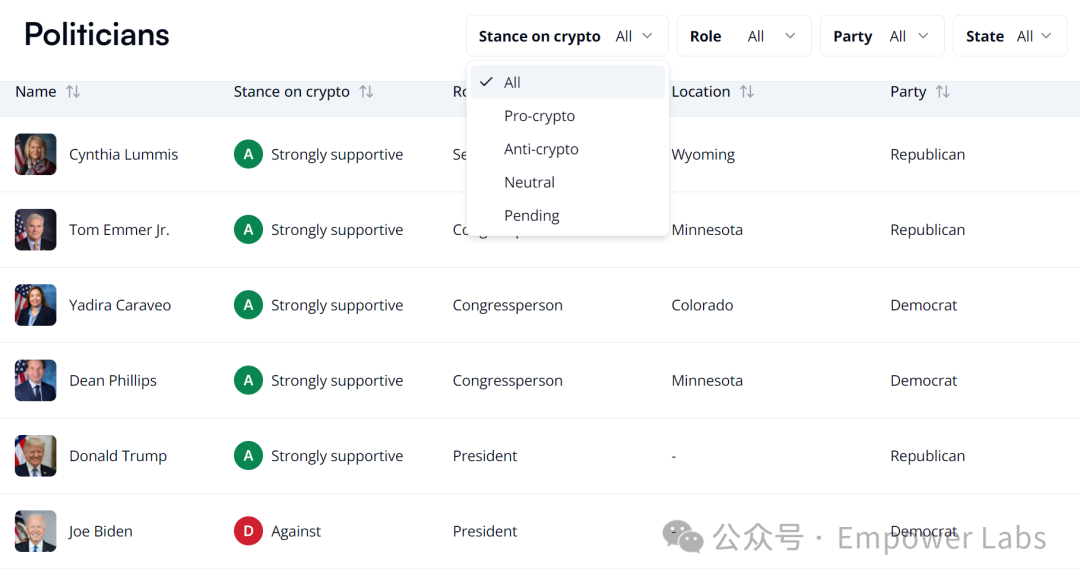
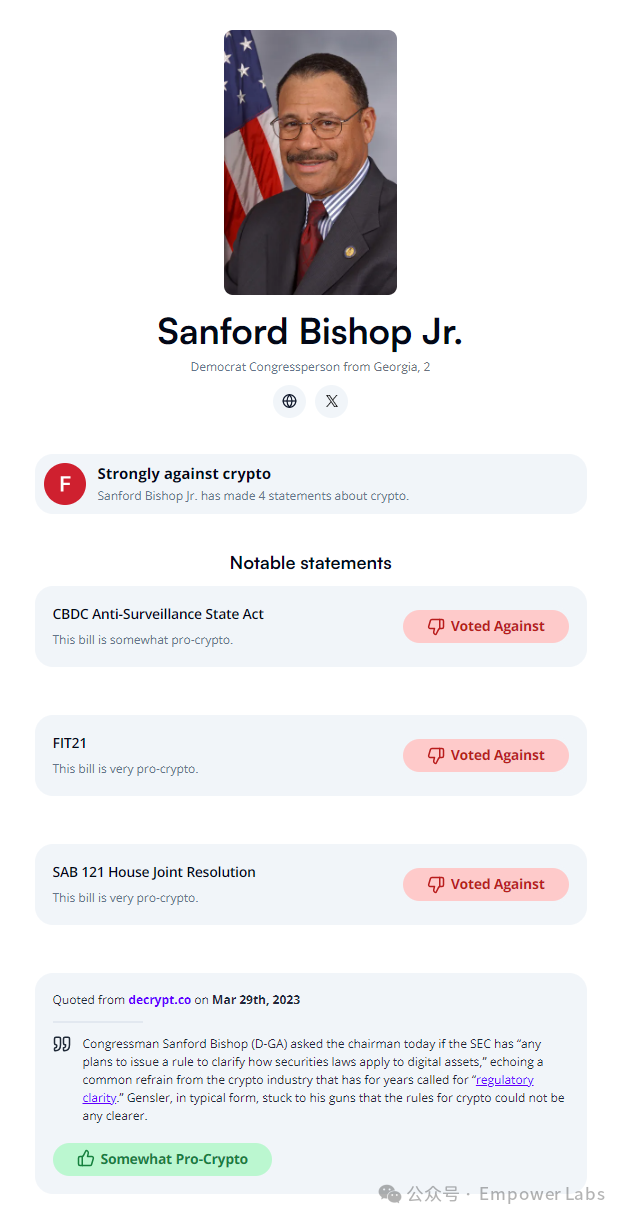
Each representative's data card also shows how they previously voted on crypto-related proposals
Moreover, they carefully selected 24 crypto-friendly candidates and actively encouraged community members to endorse or donate to them. This direct and powerful form of support is undoubtedly influential in shaping these candidates’ electoral prospects.
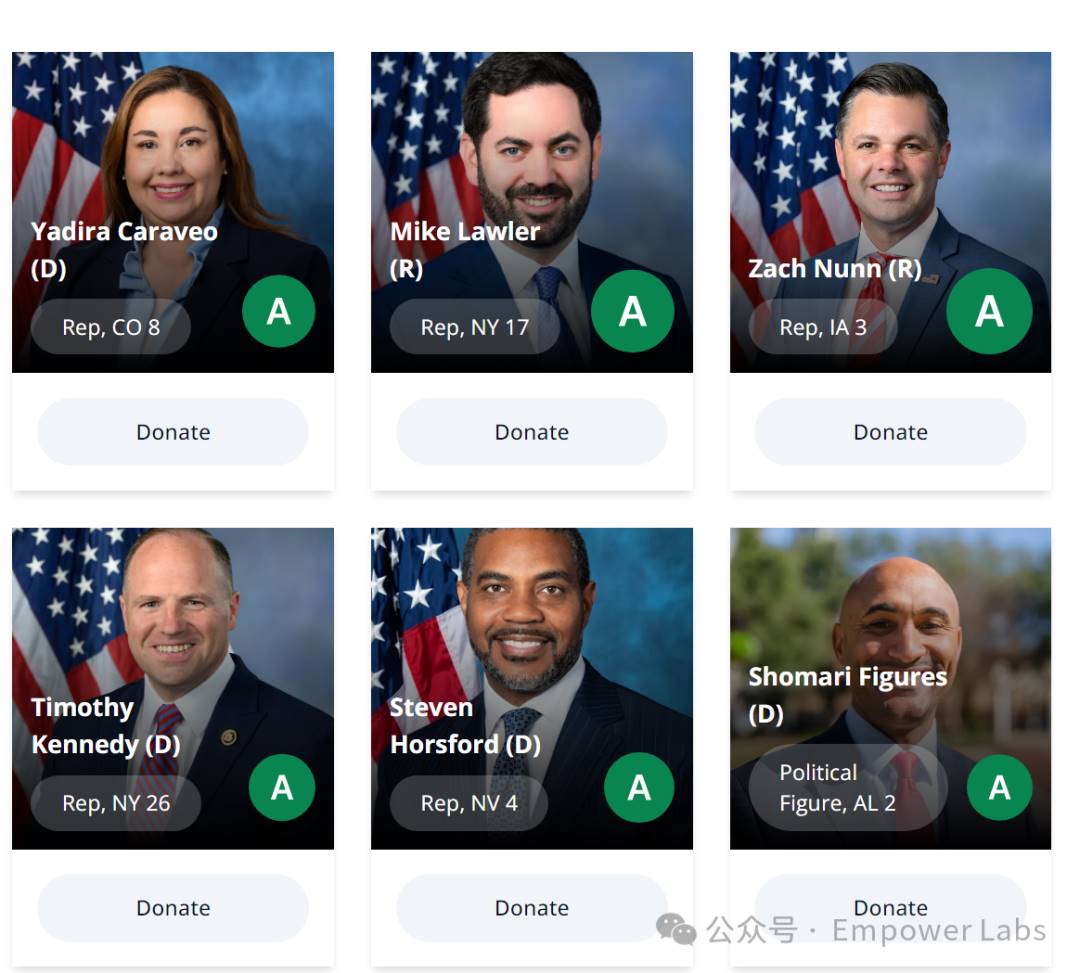
The selected candidates
With strong backing from industry leaders, the collective force mobilized by Standing with Crypto far exceeds any previous political engagement by the crypto community.
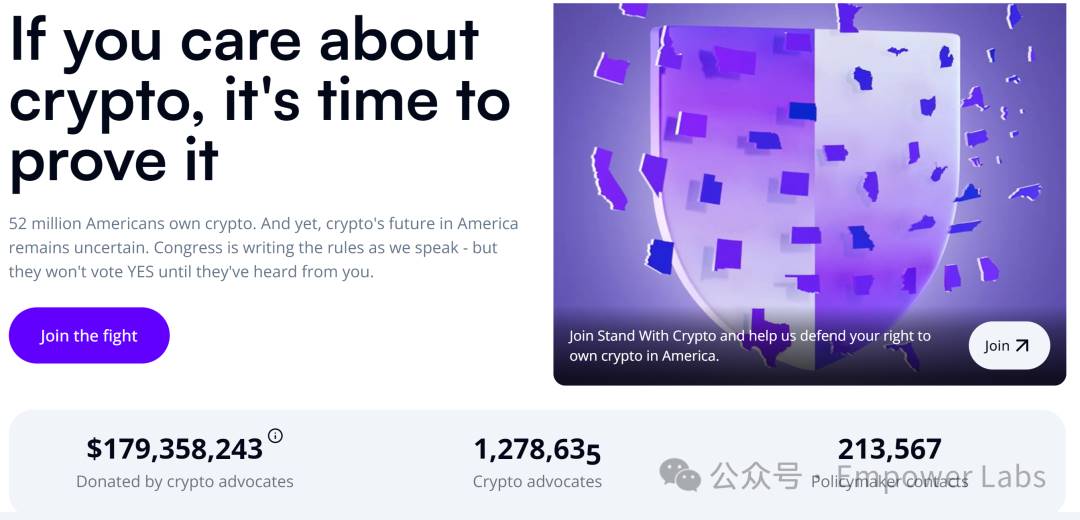
Looking ahead to the 2024 congressional elections, there is a high likelihood that multiple candidates supported by the crypto community will win seats. This new wave of political engagement may become a key driver pushing cryptocurrency into the mainstream.
Trump and J.D. Vance
Four years ago, YangDAO’s presidential campaign efforts ended in the party primaries. But in this election cycle, the crypto community has entered the final round.
According to a survey conducted in the first half of this year, 19% of registered U.S. voters already own cryptocurrency, with another 16% planning to buy. This massive constituency has drawn serious attention from candidates. Trump declared his pro-crypto stance early, while Biden—who previously opposed crypto—has had to soften his position and play catch-up.
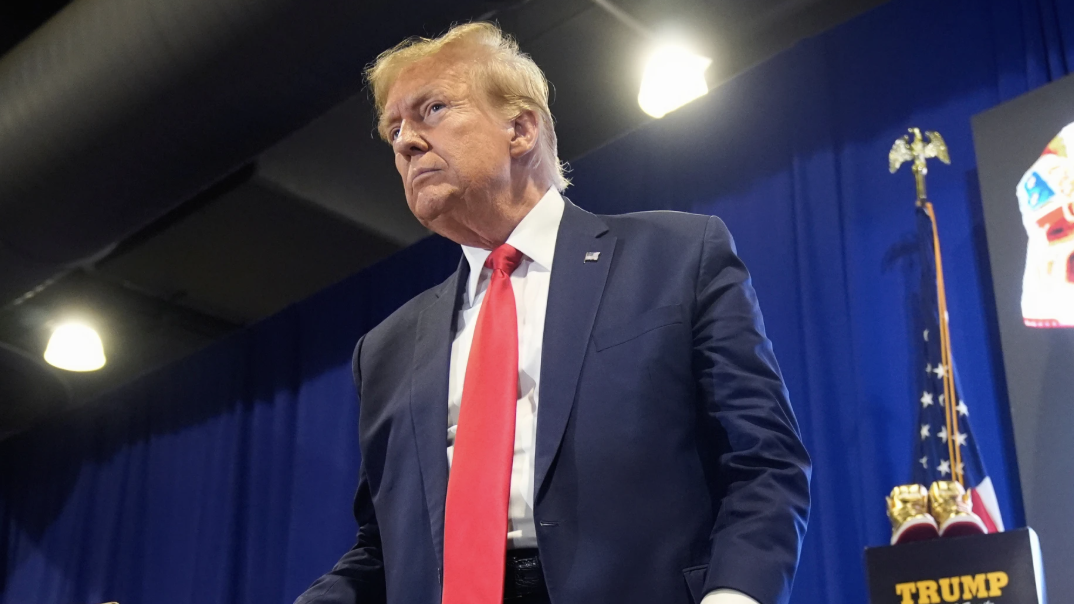
In June, Senator J.D. Vance facilitated a fundraising dinner for Trump organized by Silicon Valley investor David Sacks. Numerous crypto figures attended, urging Trump to ease regulations and encourage innovation. The event ultimately raised $12 million for Trump.
According to Axios, Elon Musk, former Fox News host Tucker Carlson, and David Sacks recently secretly lobbied Trump to choose J.D. Vance as his vice-presidential running mate—a campaign that continued until Monday morning. Ultimately, Trump did select J.D. Vance as his running mate. This decision may be directly linked to Vance’s role in connecting Trump with the crypto fundraising dinner.
Compared to Trump, J.D. Vance is a far more radical supporter of cryptocurrency. Since being elected to the Senate in 2022, he has been one of Congress’s most vocal advocates for crypto. His 2022 financial disclosures revealed holdings of $100,000 to $250,000 worth of Bitcoin via Coinbase, which he still holds. In 2023, Vance introduced legislation to protect crypto companies and exchanges from being blocked by traditional banks.
Vance once stated: "Our tech sector used to be defined by innovative startups, but is now dominated by boring monopolists. The crypto community stands in stark contrast to this trend."
Against this backdrop, the world may witness the emergence in November of a U.S. presidential/vice-presidential ticket that openly champions cryptocurrency. This potential outcome not only marks a significant rise in the political influence of the crypto community but could also have profound implications for U.S. and global crypto policy.
Looking back, these events feel like ancient history—yet upon reflection, the earliest roots trace back only to the last presidential election, with most developments occurring in just the past two or three years. In such a short span, the American political landscape has undergone dramatic transformation—a pace likely unforeseen even by the pioneers of crypto political engagement.
In retrospect, their efforts contributed to opening the doors of Capitol Hill to crypto—but greater credit belongs to the ideology of cryptocurrency itself and its growing influence. These ideas, refined over more than a decade, have quietly reshaped public perception, and widespread public acceptance has finally awakened the nerves of Washington politicians.
Once dismissed as a fringe topic, cryptocurrency has now become an issue that presidential candidates and lawmakers must take seriously. What was once a utopian vision is now becoming reality before our eyes. This transformation is reshaping public understanding of finance, technology, and governance. It is not merely about economics—it is about the future organization of society and the distribution of value. The crypto community’s political engagement has become an undeniable transformative force, quietly shaping the future of the world.
Join TechFlow official community to stay tuned
Telegram:https://t.me/TechFlowDaily
X (Twitter):https://x.com/TechFlowPost
X (Twitter) EN:https://x.com/BlockFlow_News