








In-depth Analysis: The Current State and Ambitions of Japan's Web3 Market
TechFlow Selected TechFlow Selected
In-depth Analysis: The Current State and Ambitions of Japan's Web3 Market
Gradually relaxed regulatory policies, globally oriented Web3 project founders, and strong content intellectual property (IP) will drive further growth of Japan's Web3 market.
 Navigating Web3 tides with focused insights
Authors: Jay Jo & Yoon Lee, Tiger Research
Translated by: Felix, PANews
1. Introduction
Japan has recently emerged as one of the most dynamic Web3 markets globally, undergoing rapid transformation with strong government support. Recognizing the strategic importance of the Web3 industry, the Japanese government has actively implemented measures to revitalize the sector. Since the 2014 Mt. Gox hack, Japan adopted a conservative stance toward Web3 and imposed stricter regulations. However, this situation is rapidly changing. As Japan began easing its crypto policies from 2023 onward, the market's potential for further development continues to grow.
While regulatory relaxation has indeed expanded the potential of Japan's Web3 market and raised expectations, true market revitalization goes far beyond regulatory adjustments. Market revival encompasses multiple factors, including:
- Practical application of technology
- Increasing number of users adopting the technology
- Integration across industries
Although policy significantly impacts the market, genuine market vibrancy requires conditions well beyond regulatory considerations.
This report provides a comprehensive analysis of the current state of Japan’s Web3 industry, detailing the nation’s Web3 revitalization policies, their impact on local ecosystem participants, and identifying tangible changes resulting from these developments. Additionally, it explores business opportunities within Japan’s Web3 market, assessing both short-term gains and long-term growth prospects.
2. Market Transformation Begins with Industry Revitalization
The deregulatory efforts led by Prime Minister Kishida’s administration and the Liberal Democratic Party (LDP) could significantly reshape Japan’s Web3 landscape. With reduced regulatory uncertainty and clear "rules of the game" being established, the market is poised for substantial change. This section examines the impact of three key policies introduced under the Kishida government on the Web3 industry.
2.1. Corporate Entry into Web3
Source: Tiger Research
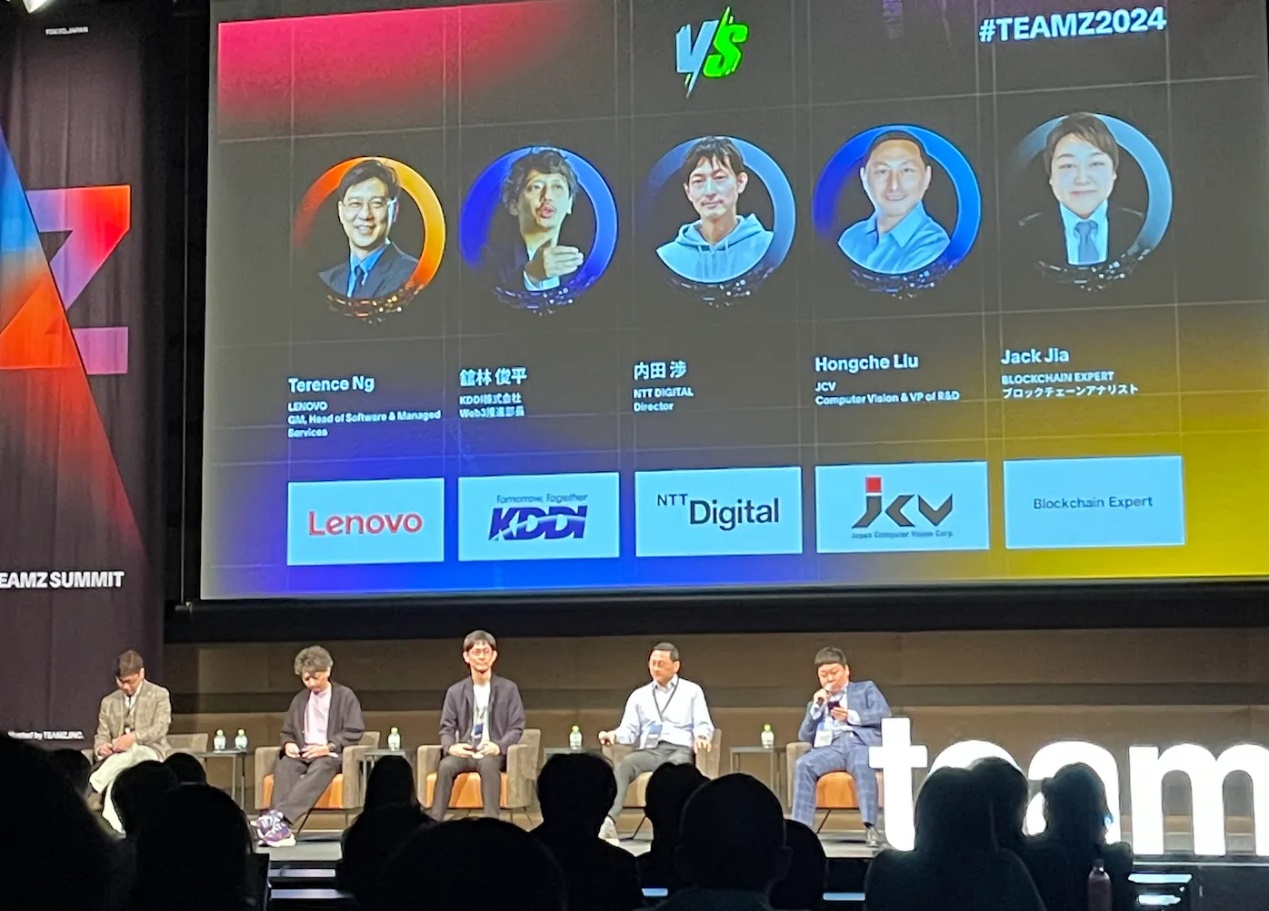
As previously highlighted in our report, the participation of major Japanese corporations in the Web3 space is particularly noteworthy. At recent summits, leading companies such as SBI, NTT, KDDI, and Hakuhodo have attended and expressed their visions and expectations for the future of the Web3 industry.
The active involvement of large Japanese enterprises plays a crucial role in ecosystem development, bringing substantial capital and R&D capabilities essential for advancing Web3 technologies.
For example, NTT DoCoMo’s subsidiary, NTT Digital, has invested heavily in developing a Web3 wallet. During development, NTT Digital partnered with Accenture Japan, a major consulting firm. Some analysts believe this collaboration has created a ripple effect, motivating other large enterprises to enter the Web3 market. (Note: The trickle-down effect refers to economic development where priority groups or regions indirectly benefit disadvantaged groups or areas through consumption and employment, thereby promoting broader prosperity.)
The participation of Japan’s large corporations is expected to significantly accelerate Web3 market development. Although still in its early stages, the proactive investments and R&D efforts of these key players are vital for building a solid foundation—not only strengthening the current market but also paving the way for the emergence and growth of more Web3-native companies.
2.2. Green Light for Stablecoin Issuance
Source: Japan Financial Services Agency (FSA)
- June 2022: Publication of guidelines for stablecoin issuance and brokerage
- June 2023: Amendment to the Payment Services Act allows money transfer institutions, banks, and trust companies to issue stablecoins
Japan’s approval of stablecoin issuance marks a significant step forward in promoting Web3 industry development. This policy shift has sparked market interest in stablecoin-related businesses, with many companies entering the field amid increasing regulatory clarity.
For instance, digital asset platform Progmat is actively exploring stablecoin opportunities. Binance Japan has revealed plans to collaborate with Mitsubishi UFJ Bank to launch a new stablecoin. Furthermore, Circle, the issuer of USDC, is seeking to partner with SBI Holdings to expand USDC distribution in Japan. Given the immense potential of Japan’s B2B payments market—valued at approximately $7.2 trillion annually—integrating stablecoins into this ecosystem could unlock significant commercial opportunities.
2.3. Allowing Venture Capital Investment in Cryptocurrencies
Source: JCBA, Tiger Research
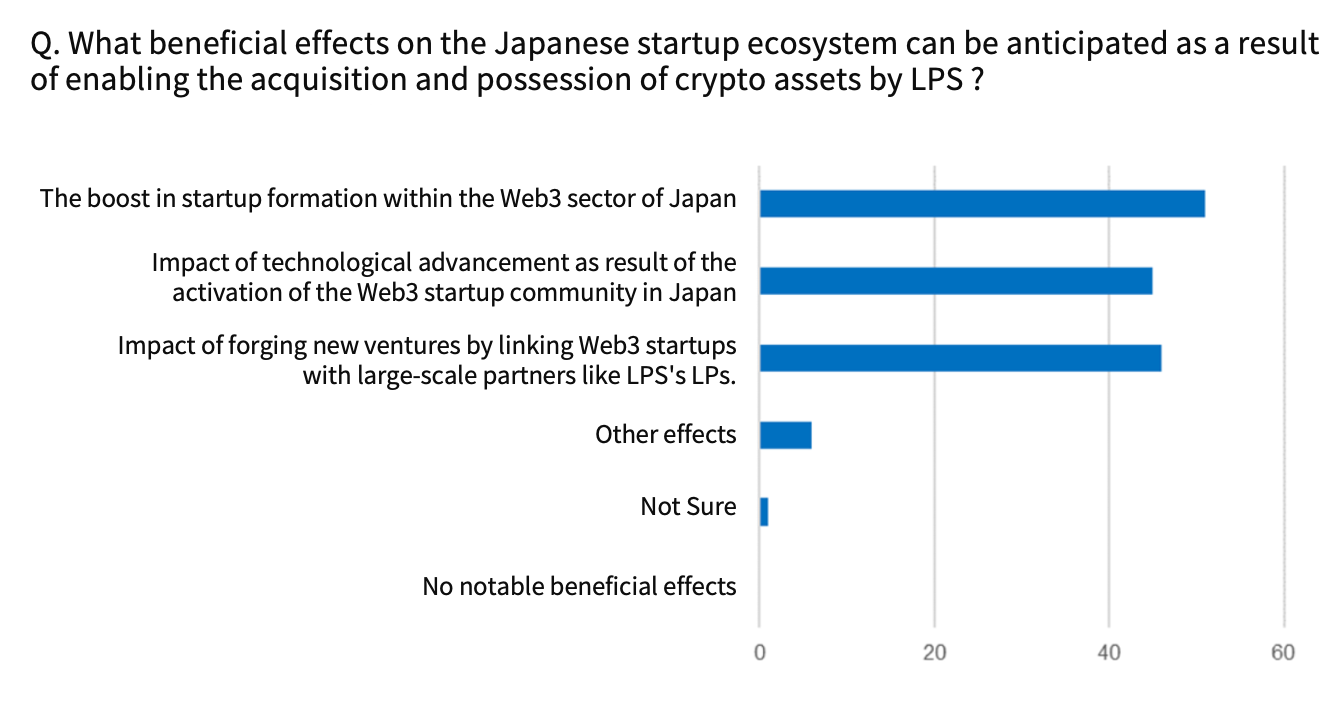
- February 2024: Limited partnership structures (LPS) and investment trusts can now directly invest in cryptocurrencies; corporate entities may raise funds from venture capital funds in exchange for non-equity tokens.
The Ministry of Economy, Trade and Industry (METI) (Note: A Japanese government agency responsible for enhancing private-sector economic vitality, ensuring smooth international economic relations, developing Japan’s economy and industries, and securing stable and efficient supply of mineral resources and energy) recently voted to allow venture investors to directly invest in crypto assets. This move aims to stimulate investment in domestic Web3 startups and ensure that promising projects thrive in Japan rather than relocating overseas. The resolution will be submitted to the Diet in June.
- June 2023: Decision not to tax year-end appreciation of tokens held by corporations
- April 2024: Decision not to tax appreciation gains when technical constraints exist regarding third-party issued tokens
Japan has made significant progress in easing taxation on virtual assets held by corporations. Previously, high taxes on crypto assets held by Japanese Web3 firms prompted many to relocate headquarters to jurisdictions with more favorable tax regimes, such as Singapore and Dubai.
Japan’s tax policies have faced widespread criticism for pushing domestic Web3 companies to expand overseas. In response, the government has gradually relaxed tax rules on corporate-held virtual assets. These policy adjustments are expected to encourage local Web3 company growth by facilitating smoother capital inflows, thereby invigorating the market.
3. Is Japan Really “Back”?
It is too early to conclude.
3.1. Excessive Taxation on Crypto Investors
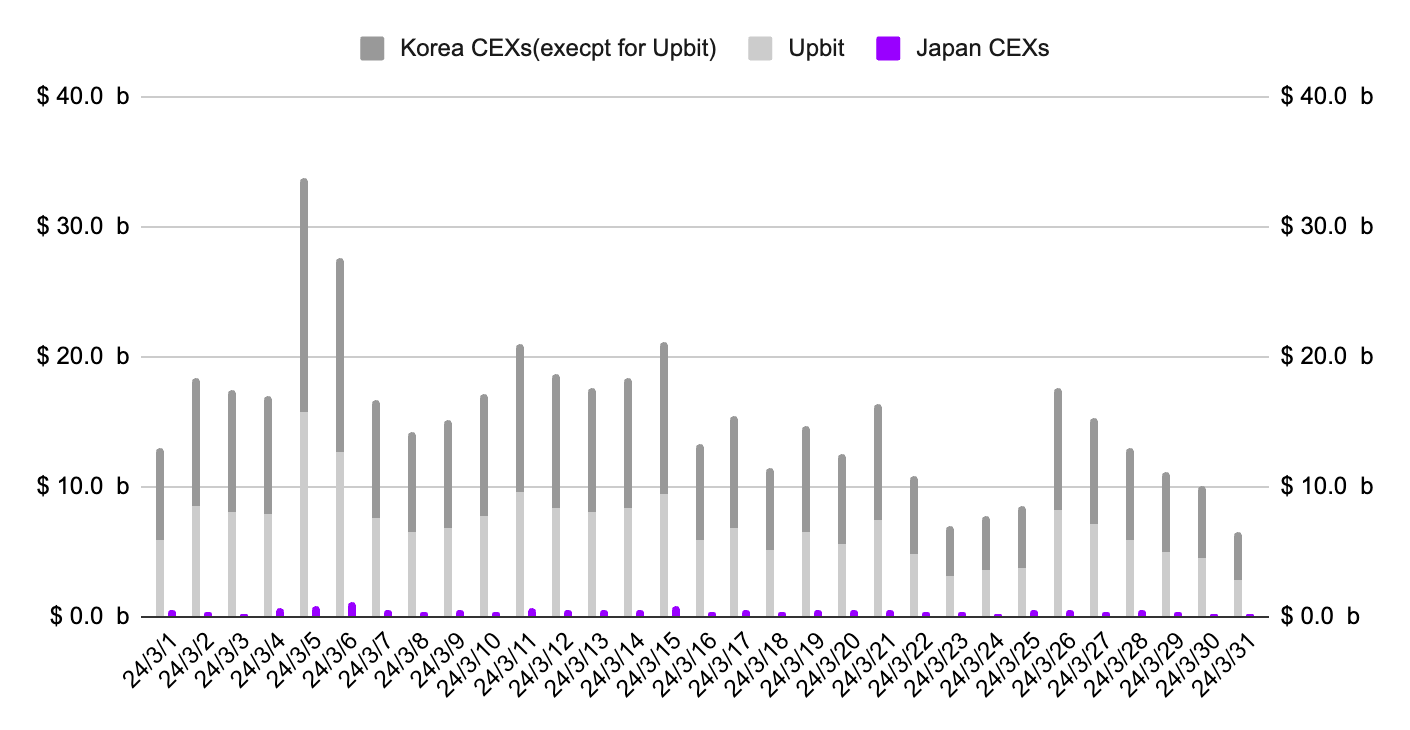
CEX Trading Volume in March 2024, Source: Coingecko, Tiger Research
Japan is gradually relaxing restrictions on corporate investment in and holding of cryptocurrencies. However, the tax regime for individual investors remains stringent. Retail crypto investors in Japan face a progressive tax rate of up to 55%, among the highest in Asia. This heavy taxation severely discourages retail investment and active trading in cryptocurrencies.
The tax policy dampens retail enthusiasm, evident when comparing trading volumes: for example, in March this year, Japan’s cryptocurrency trading volume was 18 times lower than South Korea’s.
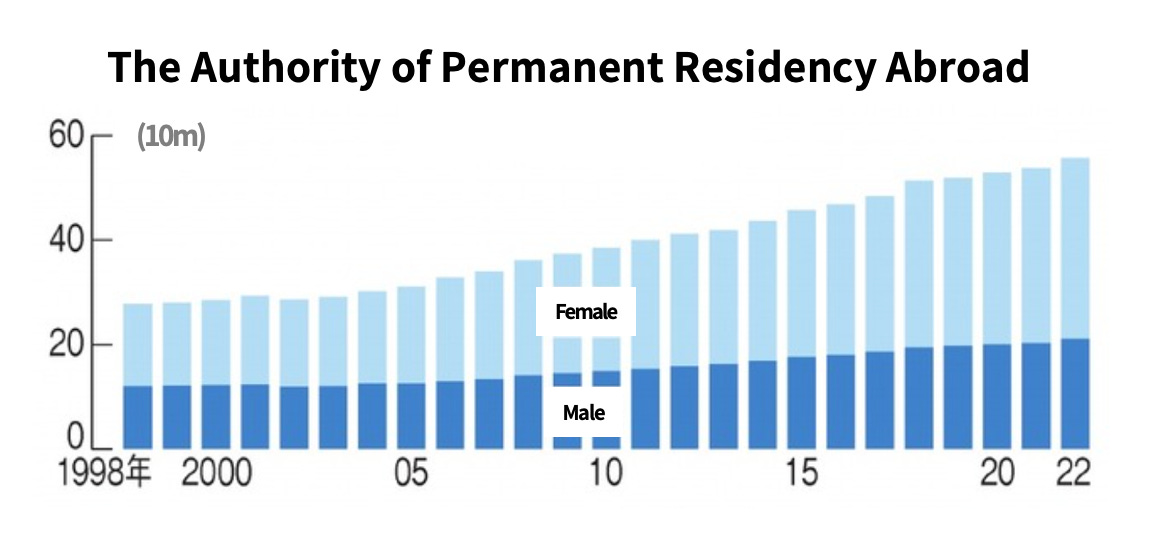
Annual Number of Permanent Residents Leaving Japan, Source: Japanese Ministry of Foreign Affairs, Tiger Research
For Japan’s crypto market to truly flourish, deregulatory efforts must extend beyond corporate entities to include individual investors. Balancing supply and demand is critical for a thriving market. Nevertheless, there are currently no signs that Japan plans to ease restrictions on individual investors. The lack of regulatory flexibility forces many Japanese Web3 startups and developers to relocate to more crypto-friendly environments like Dubai, which offers greater business opportunities and liquidity.
Data from Japan’s Ministry of Foreign Affairs highlights this trend, showing an increase in Japanese citizens moving abroad. Specifically, migration to the Dubai region rose by about 4% compared to last year. This trend underscores the broader impact of Japan’s strict regulatory framework on talent and the entrepreneurial ecosystem. If policies remain unchanged, it could lead to a brain drain in the industry.
3.2. Insular Market Environment
Japan’s Web3 market exhibits an “island-like” environment—a term describing a highly localized business ecosystem. This ecosystem is somewhat isolated, with limited scalability to global markets. This stems from the conservative regulatory framework developed in response to the 2014 Mt. Gox hack, which has profoundly shaped Japan’s approach to cryptocurrency regulation.
A distinctive feature of this localized model is the process for listing virtual assets in Japan. The Japan Virtual Currency Exchange Association (JVCEA), a government-approved self-regulatory organization, manages crypto listings through a whitelist/greenlist system.
Japan’s Web3 ecosystem is primarily oriented toward meeting domestic needs. Traditional companies, local governments, and banks mainly use blockchain technology to benefit domestic consumers, while entities like Astar Network similarly focus on the domestic rather than global market. This inward-looking approach creates significant barriers for international Web3 companies seeking entry into Japan, limiting industry diversity and stifling dynamic growth and innovation.
Therefore, for Japan’s Web3 industry to achieve substantial growth and become a significant player on the world stage, it must break free from this “island-like” market environment. Adopting a more open and globally oriented perspective would not only facilitate multinational entry but also encourage greater diversity of ideas and practices.
3.3. Shortage of Tech Talent
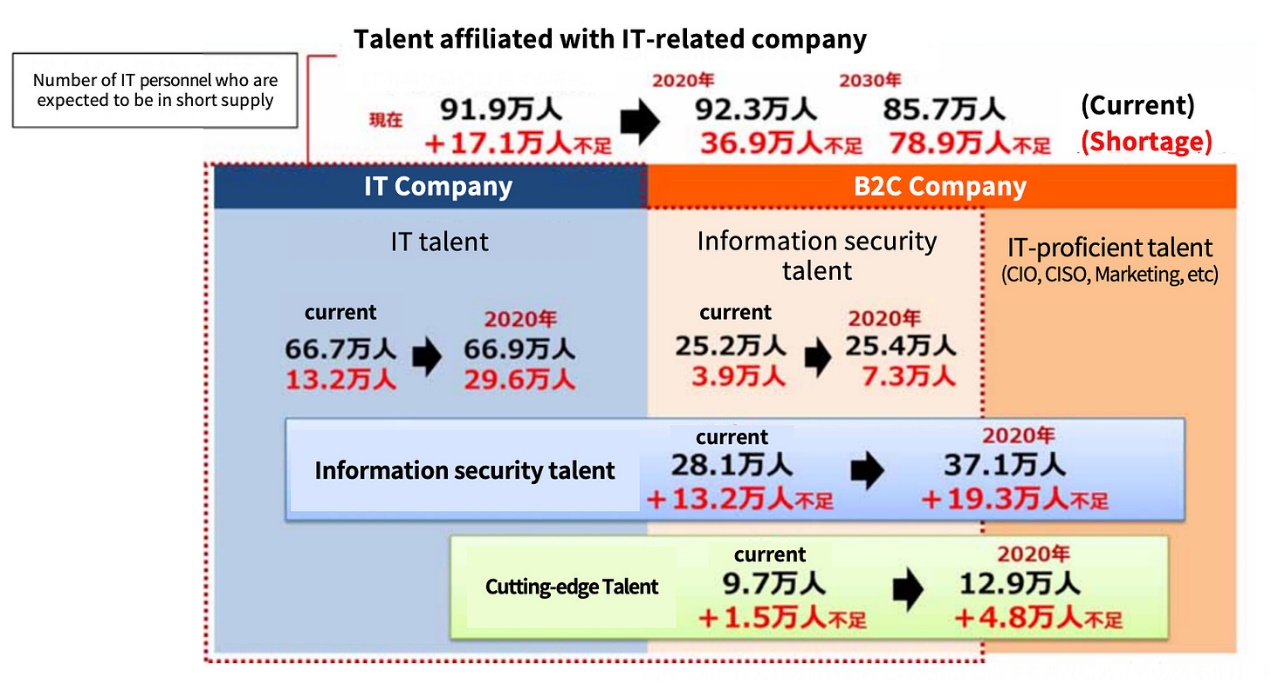
Projected IT Talent Shortage, Source: Ministry of Economy, Trade and Industry (METI)
A major obstacle hindering the growth of Japan’s Web3 market is the severe shortage of IT talent. This issue is worsening: in 2020, Japan faced a shortfall of approximately 370,000 IT professionals, projected to double to around 790,000 by 2030.
Even leading Japanese telecom companies at the forefront of technology find themselves in the early stages of Web3 industry development, having yet to make significant progress. The Web3 industry is inherently high-tech, requiring substantial human resources and specialized expertise to effectively drive innovation and development. Currently, Japan faces a clear shortage of Web3 builders, with very few projects dedicated to building Web3 infrastructure. This shortage not only hampers innovation within the field but is also a key constraint on the expansion of Japan’s Web3 market.
4. What to Expect from Japan’s Future Web3 Market?
4.1. Global Competence
Recently, the global competence of Japanese Web3 founders has come into focus, highlighting a significant shift in their business approach. From the outset, these entrepreneurs incorporate a global vision into their strategy, actively pursuing international expansion. A key component of this globalization effort is improved English language proficiency. This shift was evident at the 2024 TEAMZ Summit, where many Japanese leaders confidently delivered speeches and participated in discussions in fluent English.
The current dynamism in Japan’s Web3 industry reflects the perspectives of a younger generation combined with the inherent global nature of the Web3 industry. Many Japanese Web3 projects are designed with global markets in mind from day one. This marks a significant cultural shift—the first since the Meiji Restoration over a century ago—where Japanese entrepreneurs are actively seeking opportunities abroad.
4.2. Institutional Funding from Corporations and Others
As previously mentioned, Japan’s decision to relax regulations on corporate holding and investment in crypto assets will drive the development of its Web3 market. With already substantial investments underway—for example, NTT DoCoMo and SBI Holdings raising Web3 funds totaling 600 billion yen (~$3.8 billion) and 100 billion yen (~$640 million) respectively—regulatory easing is expected to stimulate further capital inflow.
Moreover, Japan’s Government Pension Investment Fund (GPIF), the world’s largest pension fund, recently announced plans to invest in Bitcoin. While the full impact of new regulations may take time to materialize, GPIF’s move is a positive signal for Japan’s Web3 market.
4.3. Accumulation of Use Cases
Source: JPYC
Within the broader global Web3 industry, practical applications and meaningful outcomes of blockchain technology are often scarce. However, the Japanese market is beginning to showcase impactful use cases. Notably, JPYC, a yen-pegged stablecoin, is being integrated into the “furusato nozei” (hometown tax) system—an innovative local funding mechanism. Additionally, several local governments in Japan are exploring the use of DAOs and NFTs to revitalize underdeveloped regions.

Source: Japan Financial Services Agency (FSA)
Furthermore, Japan is actively sharing its accumulated expertise and technological know-how internationally. By educating others and exporting innovation, Japan positions itself as a key player shaping the future of the industry.
Based on these factors, the future outlook for Japan’s Web3 industry is promising. Despite many Japanese Web3 founders currently relocating to Dubai for better business opportunities and a more favorable regulatory environment, long-term optimism about the Japanese market remains strong. Many founders express a desire to participate in Japan’s Web3 sector within the next decade, indicating confidence in Japan’s future growth.
5. Market Segments in Japan’s Web3 Industry
5.1. Short-Term Outlook: Research, Consulting, and Investment Services

Source: Progmat
Japan’s rapidly evolving Web3 regulatory landscape contrasts sharply with the inherently cautious decision-making culture of Japanese companies. This caution often results in slow business progress, as firms spend considerable time conducting thorough market research and project validation before committing. Consequently, in the short term, demand for research and consulting services in the Web3 market is likely to rise. The entry of data and research firm Messari into Japan exemplifies this trend. Japanese research firms such as Hash Hub and Next Finance Tech are becoming increasingly active.
With eased investment regulations and venture capital firms now able to hold crypto assets, the investment outlook for Japan’s Web3 market is poised for recovery. In this emerging field, Hyperithm stands out through various strategic investments, including stablecoin issuer JPYC and Web3-based live streaming company Palmu. These investments reflect the trends and potential of Web3 technology.
5.2. Long-Term Outlook: Stablecoins and Web3 Gaming
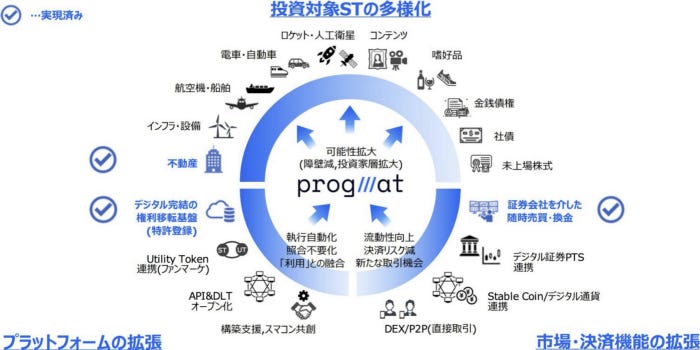
Source: Progmat
In the long term, stablecoins and Web3 gaming represent the most promising sectors in Japan’s Web3 industry. The stablecoin market, in particular, is poised for significant growth. With institutional frameworks solidifying and regulatory uncertainty decreasing, expectations for the sector are rising. JPYC, a yen-backed stablecoin, is at the forefront of potential expansion.
Currently in Japan, stablecoins can only be used as prepaid instruments for deposits, not withdrawals. This limits their broad application within the financial ecosystem. However, JPYC, the yen-pegged stablecoin issuer, is seeking an EPISP (Electronic Payment Instrument Service Provider) license, which would enable it to launch a new version supporting withdrawals. This upgraded version is scheduled for release this summer.
JPYC’s withdrawal capability is expected to greatly enhance the utility of stablecoins in Japan, making them more versatile and integrated into everyday financial transactions. In the long run, stablecoins could become a viable alternative for all transactions currently reliant on cash or bank deposits.
Although stablecoins are not yet listed on Japanese crypto exchanges, several exchanges are taking steps to obtain the necessary licenses. This development signals a bright future for stablecoin accessibility and usability in Japan.
OSHI3 Project, Source: gumi
Japan, the world’s third-largest gaming market, is also making notable strides in Web3 gaming. Major game companies such as Square Enix, SEGA, and Gumi are actively involved in Web3 projects.
However, the user base for Web3 gaming in Japan remains relatively small, with limited market liquidity. High taxes levied on virtual asset investors may hinder participation and investment in this emerging sector. Therefore, achieving significant growth in the short term may be challenging. Nevertheless, Japan possesses distinct advantages that can drive long-term growth and development in the Web3 gaming market. Its robust gaming industry and rich content creation capabilities provide a solid foundation for the advancement of Web3 gaming.
Conclusion
During my attendance at TEAMZ Summit 2024 in Japan, I observed the burgeoning vitality of Japan’s Web3 market. It is clear that this market is still in its early stages but holds tremendous growth potential. This potential is driven by several key factors: proactive government efforts to revitalize the industry, the globally oriented mindset of Japanese Web3 founders, and strong content intellectual property (IP). These elements are expected to fuel further market development.
While challenges such as high taxes on individual investors persist, the long-term outlook for Japan’s Web3 market remains bright. Whether the combined efforts of the Japanese government, corporations, and investors can position Japan as a global leader in Web3 will be fascinating to watch. This space is undoubtedly worth close attention.
Join TechFlow official community to stay tuned
Telegram:https://t.me/TechFlowDaily
X (Twitter):https://x.com/TechFlowPost
X (Twitter) EN:https://x.com/BlockFlow_News
 @tiger_research






