








Meta Spends $90 Billion to Close the Metaverse—and $2 Billion to Bring AI into Your Computer
TechFlow Selected TechFlow Selected
Meta Spends $90 Billion to Close the Metaverse—and $2 Billion to Bring AI into Your Computer
The metaverse and AI may stem from the same FOMO.
 Navigating Web3 tides with focused insights
Author: Kuli, TechFlow
On October 28, 2021, Mark Zuckerberg stood beside a legless virtual avatar and announced that Facebook would rename itself Meta.
At the time, he said the metaverse would reach one billion people within a decade, host hundreds of billions of dollars in digital commerce, and create jobs for millions of creators and developers.
That year, the metaverse was the sexiest concept on Earth.
Microsoft declared plans to build a metaverse version of Teams; NVIDIA launched Omniverse; Nike opened a virtual store on Roblox… No one wanted to miss this boat.
Meta didn’t just buy a ticket—it bought the entire ship.
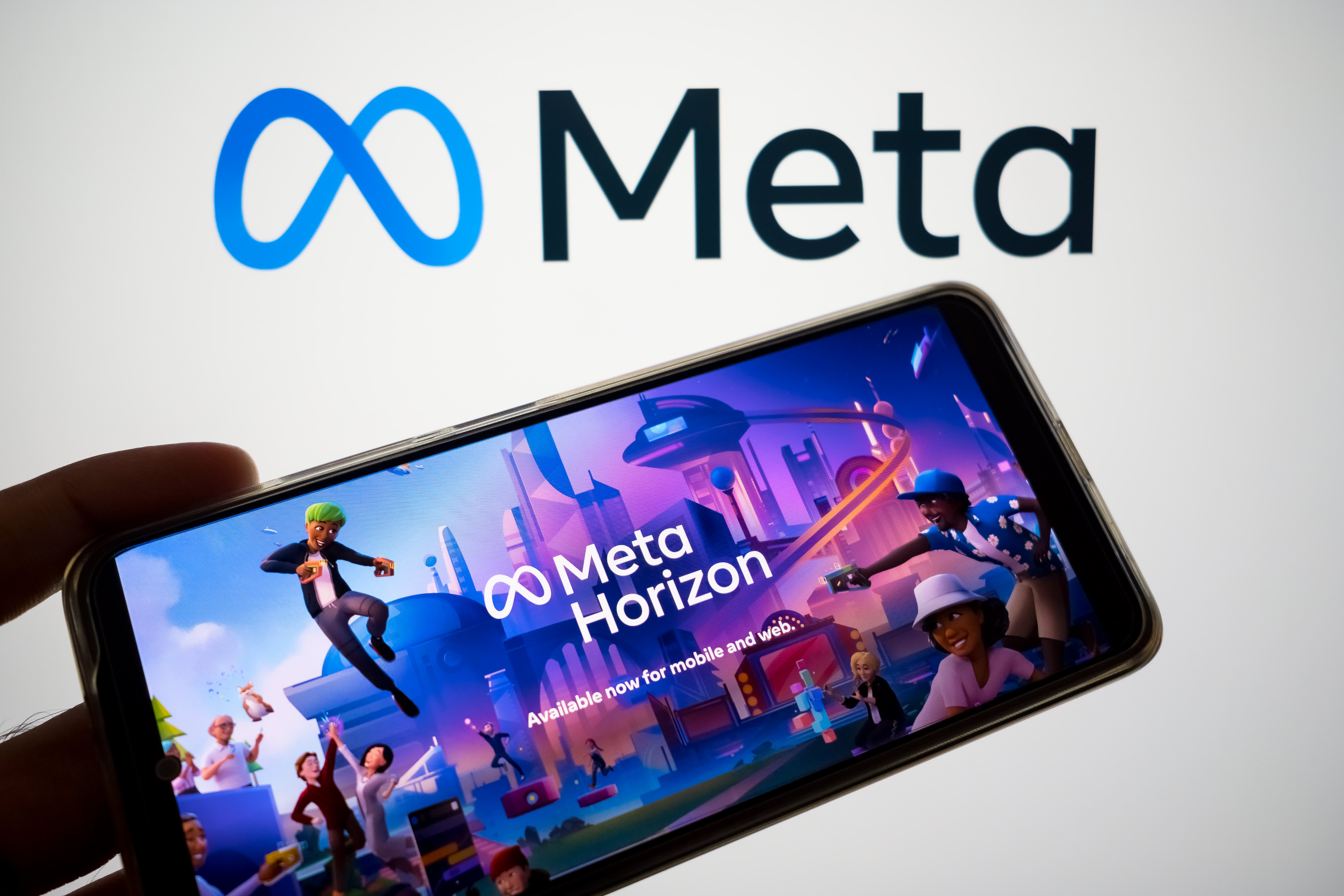
Horizon Worlds can now be understood as the central piece of evidence supporting Meta’s rebranding story—you put on a headset, enter a virtual world, and browse, play, and hold meetings alongside cartoon avatars representing other users.
When it launched at the end of 2021, Horizon Worlds was Meta’s flagship product—personally endorsed by Zuckerberg himself. Yet four and a half years later, it still hasn’t drawn one billion users.
On March 17, Meta posted an announcement on its community forum: the VR version of Horizon Worlds will shut down completely on June 15, removing the app from Quest headsets and rendering the virtual world inaccessible. Only a mobile version will remain operational.
It’s like a restaurant closing its dine-in service while keeping only delivery—but this restaurant was built specifically for dine-in.
The division footing the bill is Reality Labs. Over seven years, it has accumulated nearly $90 billion in operating losses. In its most recent quarter alone, it lost $6 billion, generating less than $1 billion in revenue—barely covering one-sixth of its losses.
In January this year, the division laid off over 1,000 employees, shuttered multiple VR content studios, and canceled nearly all virtual-world projects still under development.
The “boat ticket” everyone feared missing in 2021 has sunk—and the ticket remains clutched tightly in hand.
In mid-March, Reuters reported that Meta is planning to cut approximately 20% of its workforce—nearly 15,000 people. If implemented, this would be its largest round of layoffs since 2022.
Meanwhile, Meta’s capital expenditure budget for this year stands at $115–135 billion—almost entirely directed toward AI infrastructure.
Shutting down virtual worlds, laying off one-fifth of its staff, and redirecting all saved funds and freed-up roles into AI.
On the day the news broke, Meta’s stock rose 3%. Back in 2021, when Zuckerberg pledged full commitment to the metaverse, capital markets cheered just as loudly.
The answer had already been laid out on the table the day before Horizon Worlds’ shutdown was announced.
Virtual worlds close; personal computers take center stage
On March 16, Manus—a company acquired by Meta for $2 billion—launched its desktop version.
It features a function called “My Computer,” enabling AI to descend from the cloud and operate directly on your local machine: reading files, launching applications, executing terminal commands.
This happened the day before Horizon Worlds’ shutdown was announced.
When Horizon Worlds launched, the experience went like this:
You spend two or three thousand dollars on a Quest headset, put it on, adjust the interpupillary distance, set up safety boundaries, then enter a cartoon-style virtual lobby. Everyone there floats instead of walking—they have no legs. You can explore themed worlds, play mini-games, or chat with strangers’ avatars.
After half an hour, the headset starts pressing uncomfortably against your face; after an hour, some users begin feeling nauseous.
Meta spent four years and $90 billion building this lobby—yet it has never disclosed active user numbers. Not because it’s classified, but because the figure simply isn’t impressive.
Manus Desktop’s experience goes like this:
You download an app, open it, and type a single sentence—for example, “Organize the thousands of files in my Downloads folder by file type.” It scans your hard drive, automatically creates subfolders, and categorizes and archives everything—without you touching the keyboard once.
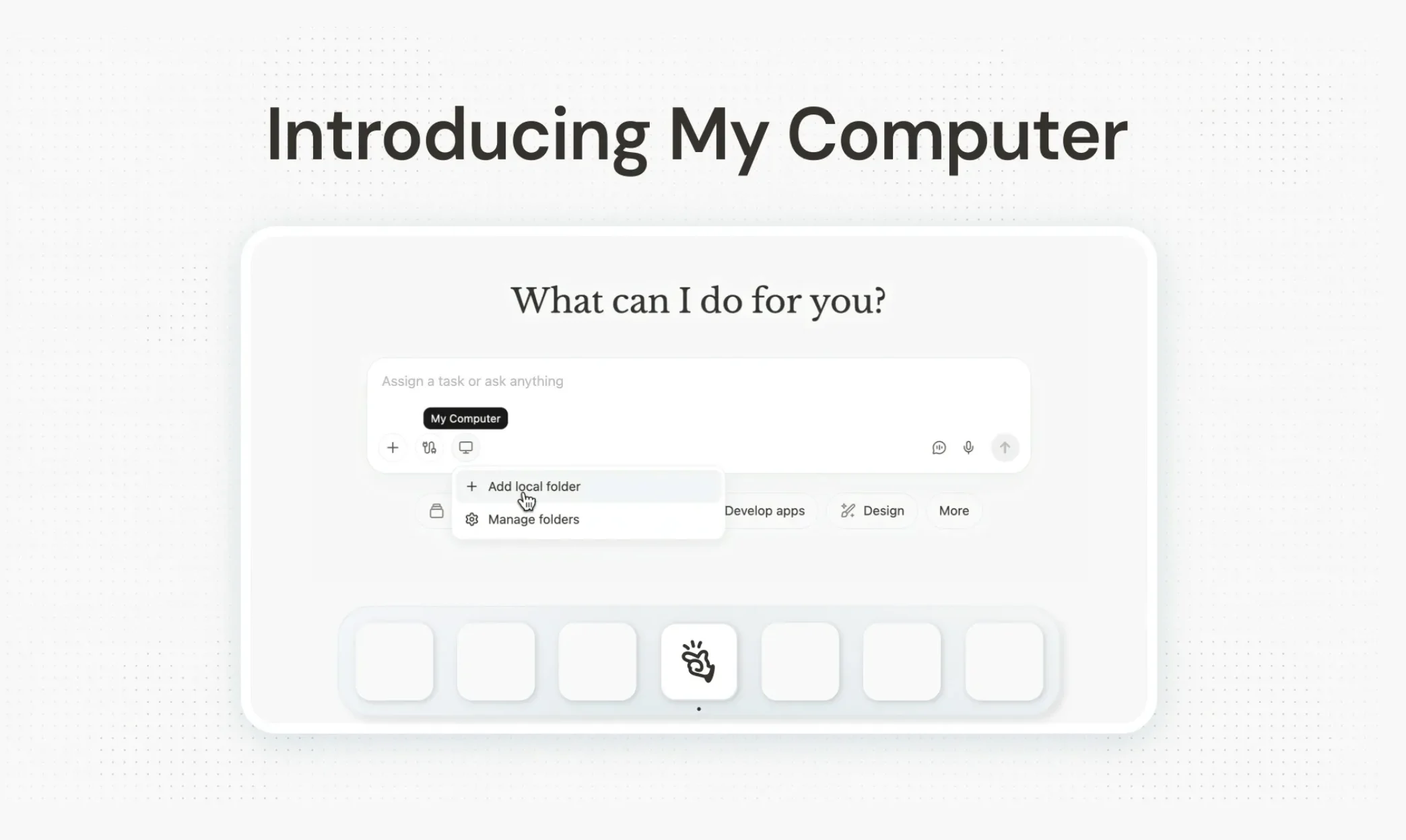
In one demo, someone asked it to develop a macOS application from scratch within their local environment—and it delivered in 20 minutes. Keep in mind: Manus had launched just eight months earlier, already attracting over one million paying users and achieving annualized revenue exceeding $100 million.
When people questioned whether Meta’s $2 billion acquisition of Manus was justified, consider comparing it to Horizon Worlds—the metaverse project Meta just shut down.
One product cost $90 billion to invite you into a virtual world—and no one showed up. Another cost $2 billion to step onto your real desktop—and generated real revenue and tangible use cases. Which would you choose?
The same company, within the same week, shut down the former and doubled down on the latter.
Previously, Meta built a world for you to enter. Now, AI steps through the screen toward you.
But choosing the right direction doesn’t guarantee smooth sailing. After pivoting, Meta doesn’t appear any more at ease.
The metaverse and AI may both stem from the same FOMO
If you read only headlines, Meta today looks like a company making blunder after blunder.
It burned $90 billion on the metaverse—then shut it down. Its flagship AI model, Avocado, was originally slated for release in March, but internal testing revealed its reasoning and coding capabilities lagged behind Google’s, OpenAI’s, and Anthropic’s contemporaneous models—so its launch was delayed to May.
Last year’s Llama 4 release drew lukewarm reactions and failed to generate meaningful buzz in developer communities. Reports indicate Meta even internally discussed temporarily licensing Google’s Gemini to power its own products—despite having spent $135 billion building AI infrastructure.
Chief AI Scientist Yann LeCun has departed to start his own venture; Alexandr Wang—the new AI chief hired from Scale AI for $1.43 billion—has yet to deliver tangible results…
A 20% layoff, the metaverse shutdown, and model delays—all hitting within one week—paint the picture of a company unsure of its own direction.
But shift your gaze away from Meta and look across the entire industry, and you’ll notice something:
Everyone is doing exactly the same thing—going all-in on AI.
In February this year, Block CEO Jack Dorsey announced cutting 4,000 jobs—nearly half its workforce. His layoff memo offered no euphemisms: intelligent tools have transformed how companies are built and operated, enabling smaller teams to achieve more. The stock surged 25% that night.
Shopify’s CEO issued a new company-wide rule: going forward, any request to hire additional staff must first demonstrate that AI cannot perform the task.
Amazon cut 16,000 jobs in January and restructured its robotics division in March. Atlassian laid off 1,600 people, pledging to concentrate all resources on AI-powered enterprise software.
In the first 74 days of 2026, 166 tech companies collectively cut nearly 56,000 jobs.
Does this scene feel familiar?
It should. In 2021, it was the same: after Zuckerberg rebranded Facebook as Meta, Microsoft pledged a metaverse version of Teams; NVIDIA rolled out Omniverse; Nike opened a virtual store on Roblox; Disney formed a metaverse division; Shanghai and Seoul unveiled metaverse strategy plans…
Everyone chased the same trend—and everyone feared missing out.
Five years later, the trend has changed—but the chasing hasn’t.
Last time, consensus held that “the metaverse is the next computing platform.” Meta spent $90 billion proving that consensus wrong. This time, consensus holds that “AI can replace everything”—and every company is cutting staff, slashing budgets, and pouring savings into AI.
There’s only one difference: last time’s consensus has been disproven; this time’s hasn’t yet.
But consensus is consensus. Its defining trait is that everyone believes it simultaneously—then everyone discovers simultaneously it’s flawed. The time gap between those two moments is precisely how fast money burns.
Meta isn’t a dumber company than others. It simply places bigger bets each time—so when consensus flips, its fall is the loudest.
In 2021, the entire industry bet on the metaverse—and Meta changed its name. In 2026, the entire industry bets on AI—and Meta cuts one-fifth of its workforce.
Five years from now, will this AI wave prove to have been the right bet?
No one knows. But we do know that back in 2021, when asked the same question, everyone answered, “Of course it is.”
Join TechFlow official community to stay tuned
Telegram:https://t.me/TechFlowDaily
X (Twitter):https://x.com/TechFlowPost
X (Twitter) EN:https://x.com/BlockFlow_News
 深潮TechFlow


