








Understanding Babylon: Unlocking Yields from Idle Bitcoin Assets (with Testnet Interaction Preparation Guide)
TechFlow Selected TechFlow Selected
Understanding Babylon: Unlocking Yields from Idle Bitcoin Assets (with Testnet Interaction Preparation Guide)
Blabylon may become an undeniable major player this year.
 Navigating Web3 tides with focused insights
Written by: TechFlow
As Bitcoin surpasses $56,000, market attention toward Bitcoin and its ecosystem continues to grow.
Previously, staking campaigns from Bitcoin L2 projects like Merlin successfully attracted significant BTC assets, intensifying competition. For airdrop hunters, there is an urgent need for new opportunities to participate in.
The next potential opportunity with possible rewards could be Babylon.
In recent days, discussions about Babylon on Twitter have steadily increased.
Babylon aims to become the largest staking infrastructure for Bitcoin, opening up new financial opportunities for the Bitcoin community by transforming Bitcoin into a more widely applicable yield-generating asset and providing returns for Bitcoin holders.
As early as December 7, 2023, Babylon raised $18 million in a Series A funding round led by Polychain Capital and Hack VC, with participation from Framework Ventures, Polygon Ventures, Castle Island Ventures, OKX Ventures, Finality Capital, Breyer Capital, and Symbolic Capital.

Recently, Babylon announced that its testnet platform will launch on the 28th, and early participants engaging with the testnet will receive a "Pioneer PASS" NFT.
Considering the popularity of the Bitcoin ecosystem and its impressive investor lineup, Babylon could become a major airdrop opportunity this year that cannot be overlooked.
This article provides a brief overview of Babylon's operations and details the steps required to participate in testnet interactions, including wallet creation, faucet claiming, and network configuration setup.
Introduction
For readers unfamiliar with Babylon, it can be briefly understood as a project enabling "yield generation from BTC" through staking.
Bitcoin holders can securely earn yield from idle Bitcoin—without relying on third-party trust or bridging Bitcoin to any other chain. By self-custodially locking their Bitcoin, holders gain the right to validate PoS chains and earn yield in return.
Supported by the protocol’s fast unbonding and scalable restaking features, Bitcoin stakers can also enjoy maximum liquidity and yield.
Technically, Babylon is a set of Bitcoin security-sharing protocols. Currently, it includes two protocols:
-
Bitcoin Timestamping: This protocol sends concise and verifiable timestamps of any data (e.g., PoS blocks) onto the Bitcoin blockchain;
-
Bitcoin Staking: This protocol allows Bitcoin assets to provide economic security to any decentralized system via trustless (and self-custodial) staking.
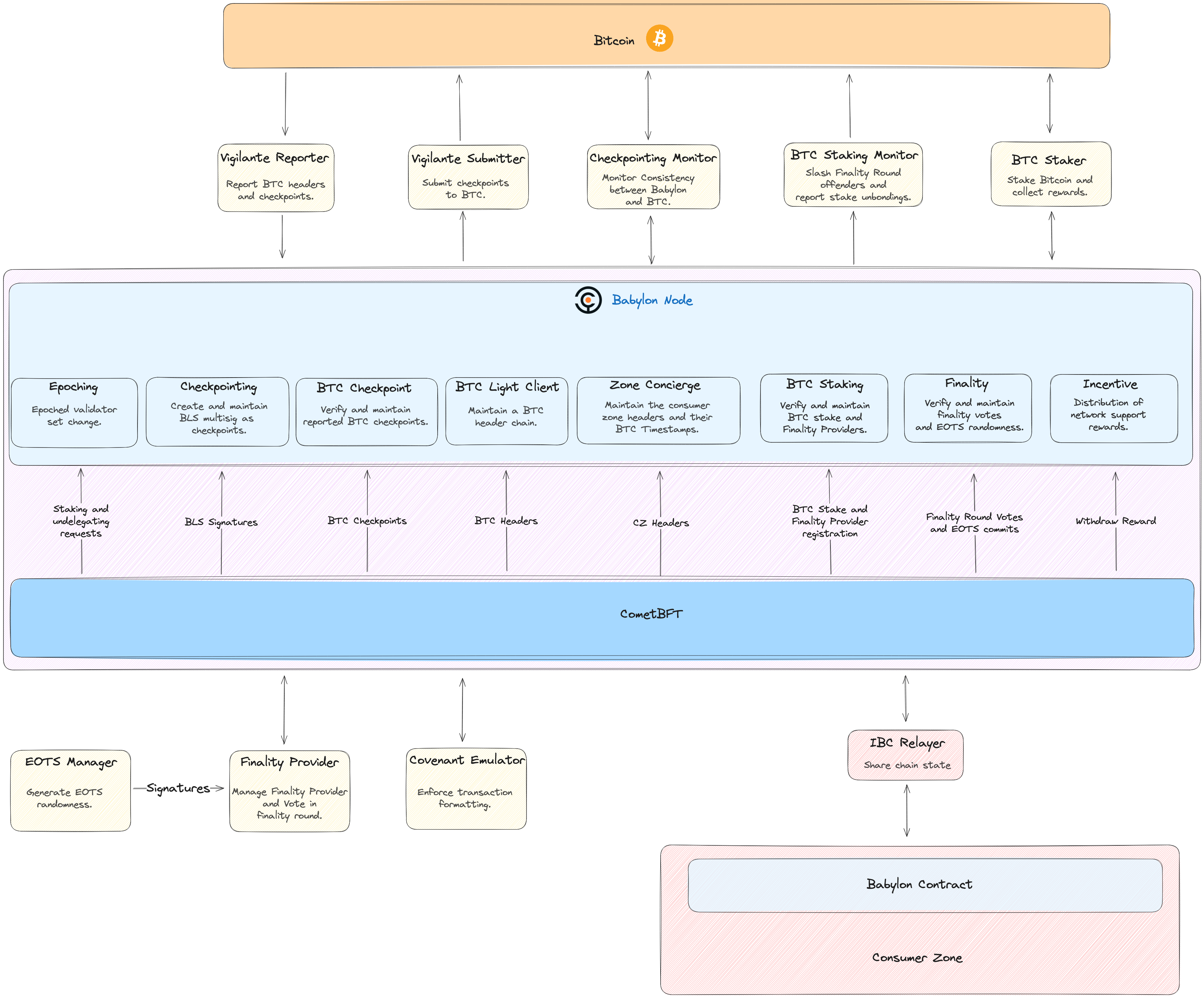
In implementation, Babylon acts as an intermediary between chains requiring additional security and Bitcoin—retrieving block headers from serviced chains and writing them to the Bitcoin blockchain, thereby enabling Cosmos-based blockchains to leverage Bitcoin’s network security. Validators running Babylon are compensated in the native tokens of the chains using Babylon’s services, as well as in Babylon’s native token.
Testnet Interaction Preliminary Setup Guide
According to the project’s official Twitter, the testnet will go live on February 28.
However, given the interaction between Cosmos architecture and the BTC system, some preparatory steps are required before engaging with the testnet.
-
Before starting, prepare two wallets: a Keplr wallet (keplr.app/download) connected to the Babylon Chain, and an OKX wallet (https://okx.com/cn/web3) connected to the Bitcoin Signet network.
-
Claim BBN
-
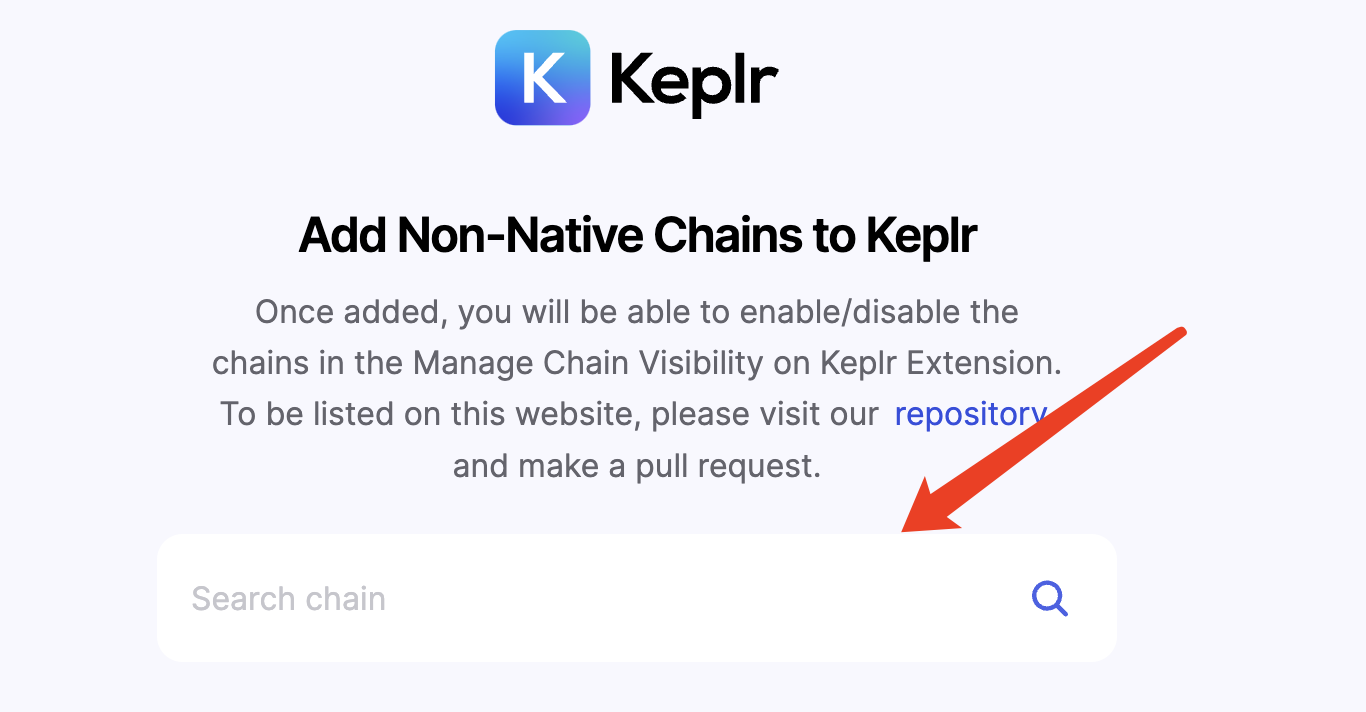
After downloading and setting up Keplr, visit the add-network website (https://chains.keplr.app/) and search for "Babylon testnet" in the chain search bar, then add it to Keplr.
-
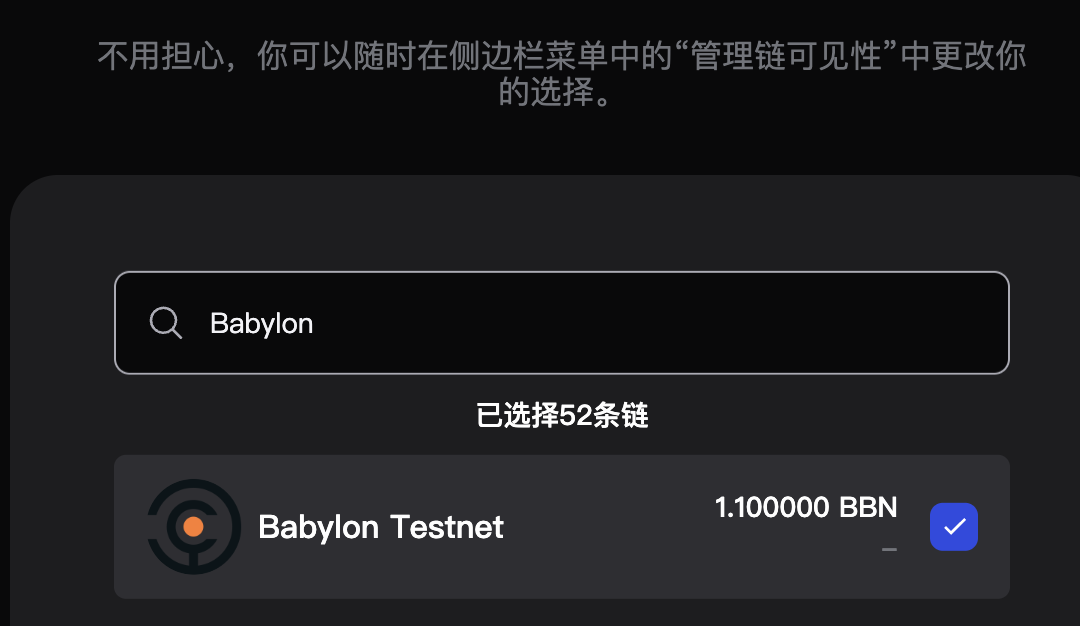
After adding the network, open the Keplr extension, click the top-left settings icon, and select "Manage Chain Visibility."

-
Search for "Babylon," check the box, and remember to click "Save" below;
-
Reopen the Keplr extension, select "Babylon Testnet" under copy address, and copy your address;

-
Enter the official Babylon Discord, navigate to the faucet channel, and enter "!faucet [space] Babylon Testnet address" to claim tokens. You may claim once every six hours.

-
Claim sBTC
-
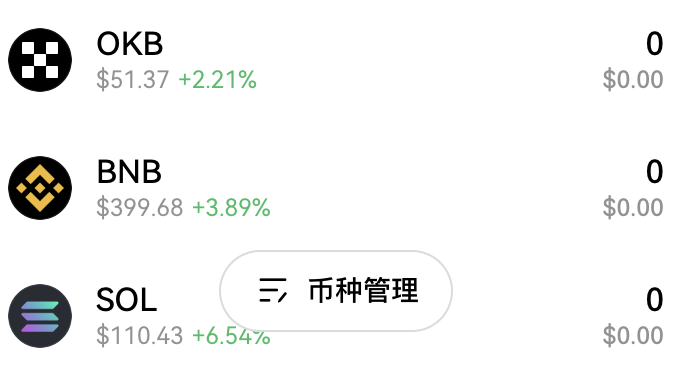
Open the OKX Web3 wallet (mobile or web version), scroll down to the bottom of the page, and locate "Token Management";
-
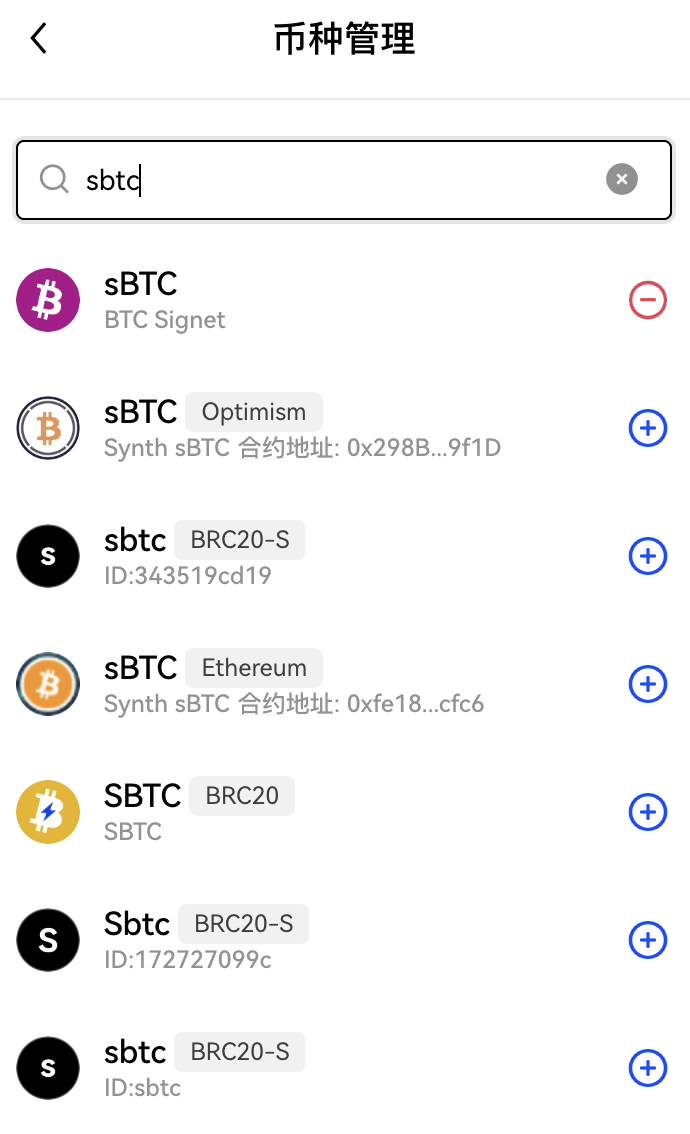
Click on Token Management, search for "sbtc" in the search bar, and select to add it. (Note: If you cannot find sbtc or the BTC network in the wallet extension, make sure to import your wallet using a mnemonic phrase instead of a private key to ensure visibility);
-
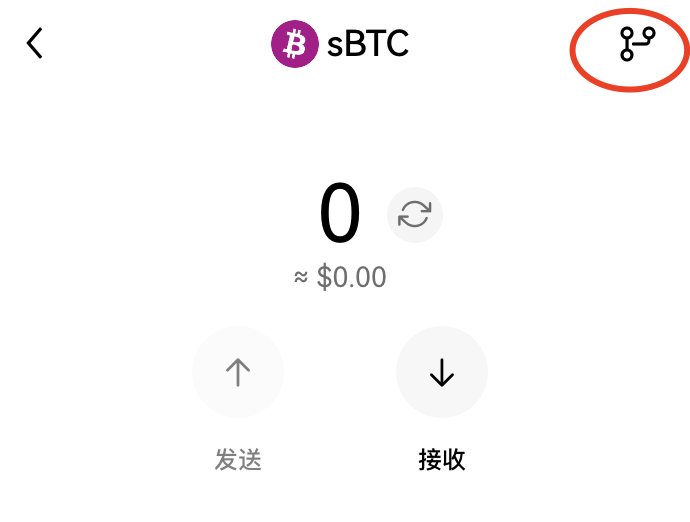
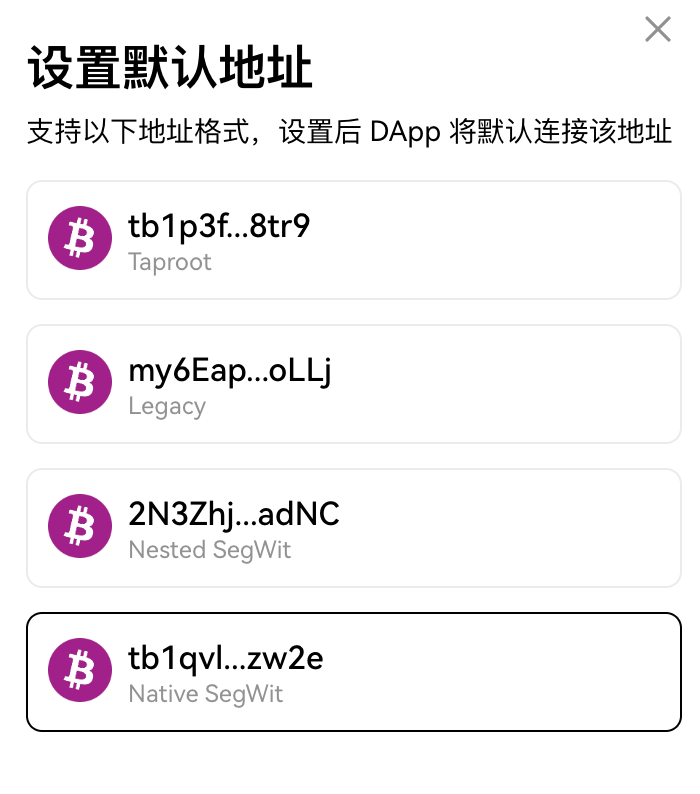
After adding, return to the main wallet page, click on sBTC, then access the network selection menu in the top-right corner and set the default address type to Native SegWit;
-
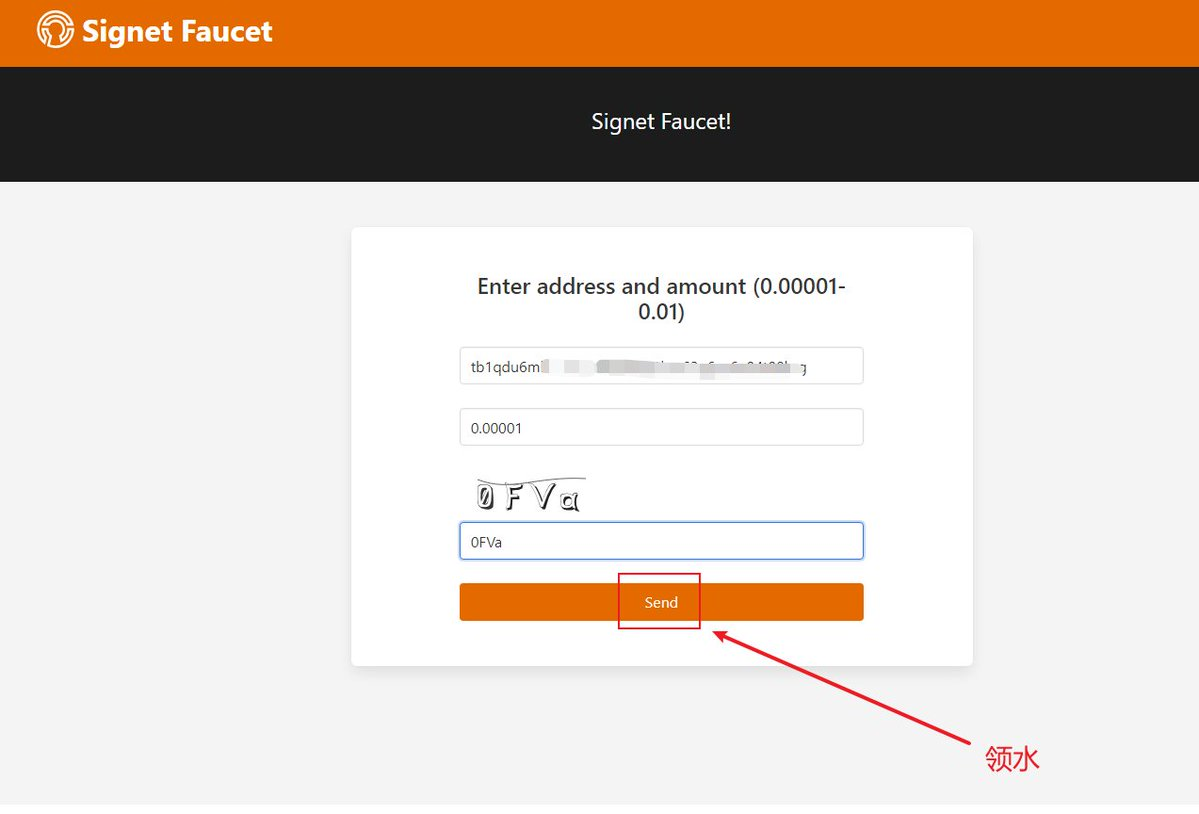
After copying your address, visit one of the official water faucet websites to claim sBTC (beware of phishing sites). Currently, two websites are available:
-
If experiencing high traffic, multiple attempts may be necessary.
After completing the above steps, wait for the testnet interaction on the 28th.
Note: The above are only preparatory steps. Only after actual testnet interaction will users receive the Pioneer NFT Pass airdrop mentioned earlier.
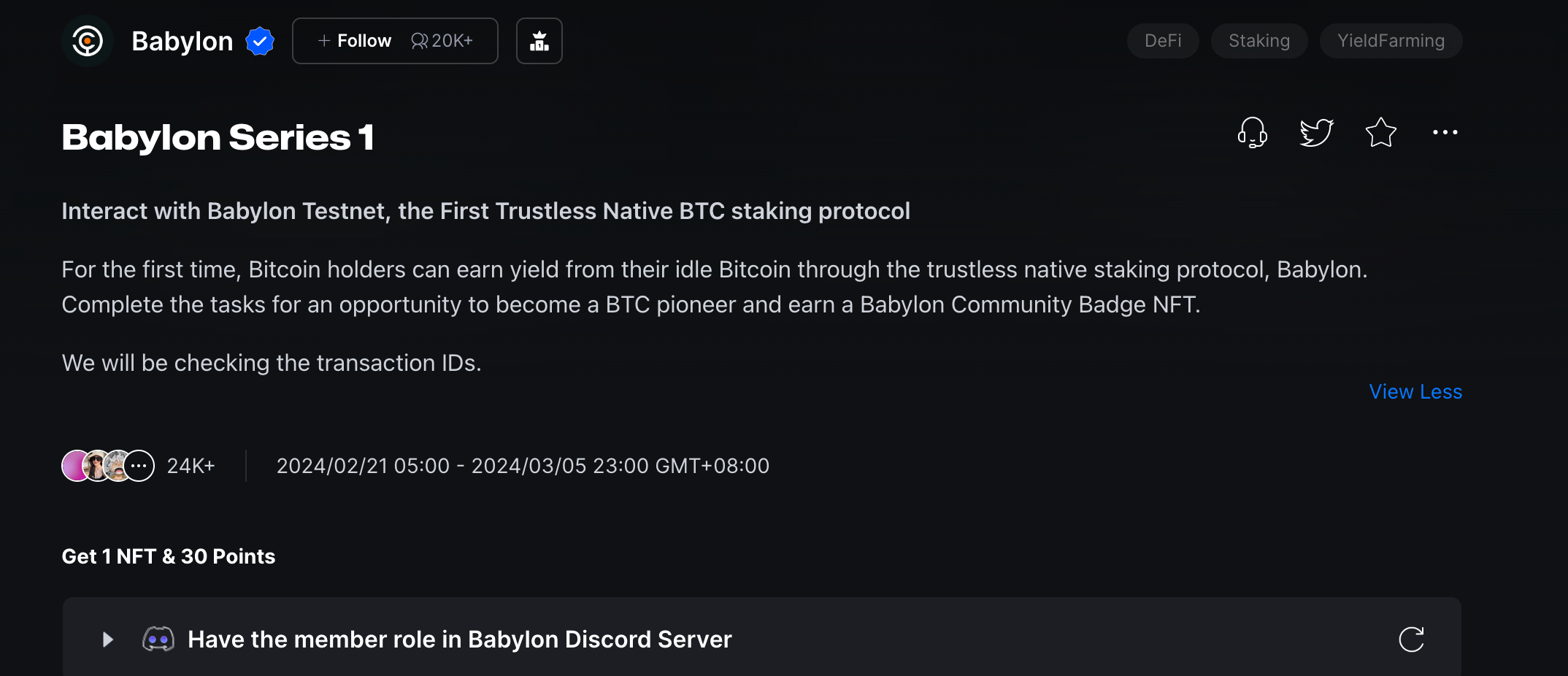
Additionally, users can complete tasks on the project’s current Galxe campaign to earn a community badge NFT upon completion.
Join TechFlow official community to stay tuned
Telegram:https://t.me/TechFlowDaily
X (Twitter):https://x.com/TechFlowPost
X (Twitter) EN:https://x.com/BlockFlow_News
 深潮TechFlow






