The Fastest Layer 1 Blockchain: Sei Network Ecosystem Analysis and Outlook
TechFlow Selected TechFlow Selected
The Fastest Layer 1 Blockchain: Sei Network Ecosystem Analysis and Outlook
Sei, as a next-generation Layer 1 public blockchain, has emerged in the crypto space with its robust technical architecture and strong funding support.
 Navigating Web3 tides with focused insights
Author: Hotcoin Research Institute
At the beginning of 2024, Sei's native token SEI became one of the most talked-about cryptocurrencies, surging 75% in just one week. The Sei ecosystem has also emerged as a focal point within the crypto community.
1. Introduction to Sei
Sei is a general-purpose open-source Layer 1 blockchain focused on efficient digital asset trading. Its core objective is to deliver the industry’s shortest transaction latency, as low as 300 milliseconds. Sei introduces a built-in Order Matching Engine (OME) designed to help trading applications scale and effectively combat MEV (Maximal Extractable Value) through frontrunning prevention mechanisms. As a next-generation Layer 1 public chain, Sei successfully launched its mainnet in August 2023, quickly attracting widespread attention.
Interest in Sei began as early as August 2022, when Sei Labs announced it had raised $5 million in seed funding. This round was led by prominent firm Multicoin Capital, with participation from Coinbase Ventures, GSR, and others. In April 2023, Sei announced another funding round, this time at an $800 million valuation. Investors including Multicoin Capital and Jump Capital continued their support, signaling strong confidence in the project’s future. By late November 2023, Sei announced plans to upgrade to parallel EVM technology—dubbed v2—which many research firms identified as a key development to watch in 2024.
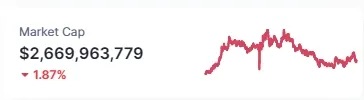
According to CoinMarketCap data, as of January 8, 2024, Sei’s TVL (Total Value Locked) had surpassed $2.6 billion.
2. Mechanism Principles and Features of Sei
1. Dual-Turbo Consensus Mechanism
Sei employs a dual-turbo consensus mechanism aimed at optimizing block propagation and transaction processing. This includes intelligent block propagation and optimistic block processing. Intelligent block propagation reduces the total time validators spend waiting to receive blocks, thereby improving transaction processing efficiency. Optimistic block processing allows validators to begin simultaneously processing transactions upon receiving the first block proposal for any given height, further boosting performance.
2. Parallel Processing
Sei implements parallel processing, divided into DeliverTx transaction parallelization and market-based parallelization. This enables more efficient transaction handling, which is particularly significant for decentralized exchange (DEX) applications.
3. Native Order Matching Engine
Sei introduces a native order matching engine that supports not only token trading but also offers flexible interfaces allowing DEXs to customize asset representations. By handling various aspects such as cancel orders, limit orders, and market orders, the engine provides a powerful and efficient trading infrastructure.
4. Additional Protocol-Level Improvements
Sei also introduces innovations like a native price oracle and transaction order bundling, enhancing both functionality and performance. The price oracle supports asset exchange rate pricing, while order bundling improves user experience and system efficiency through multi-level bundling. Furthermore, Sei offers flexibility in transaction fees, enabling DEXs to customize fee structures.
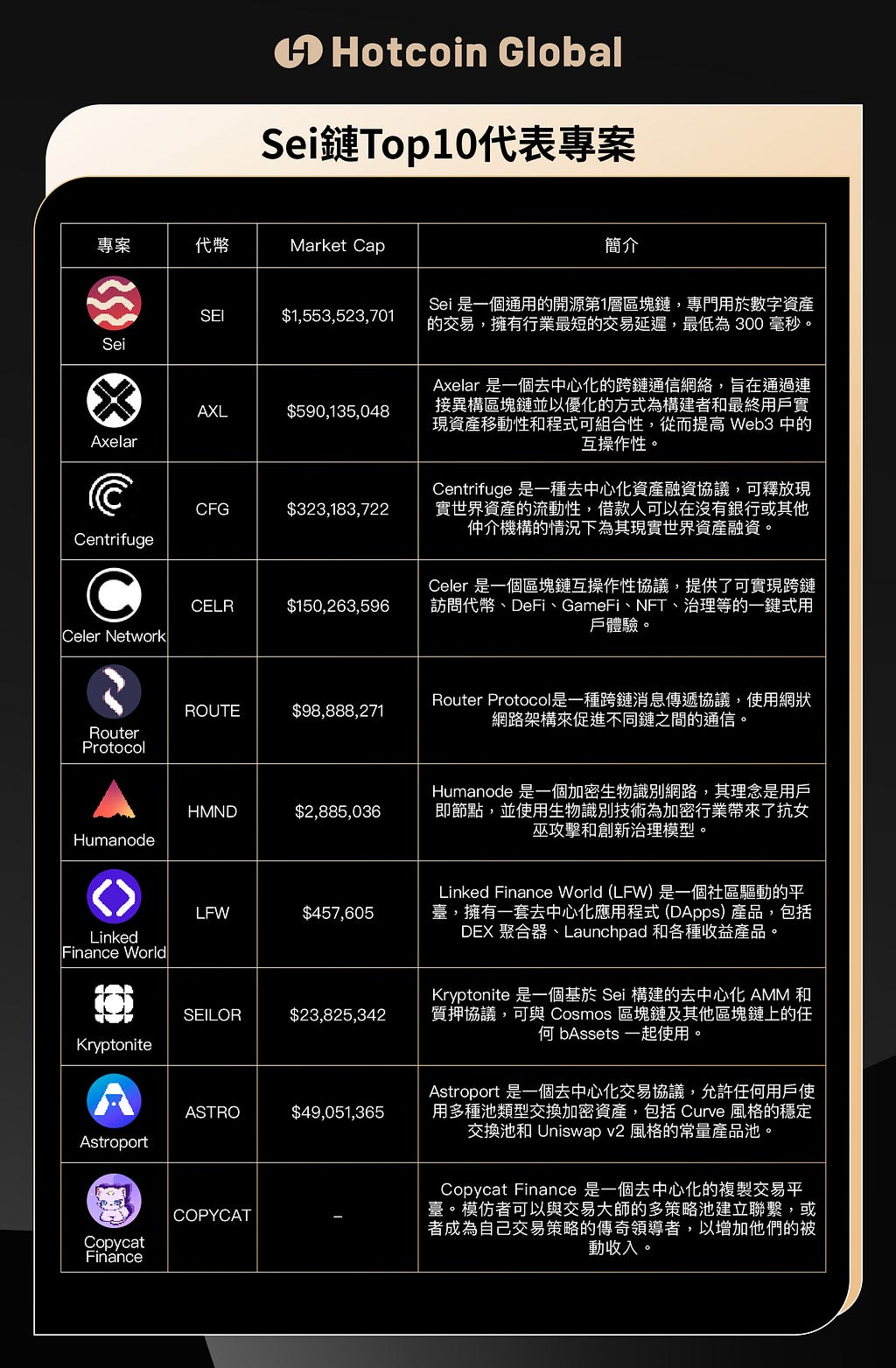
3. Top 10 Representative Projects on Sei
4. Investment Risk Analysis for Sei Ecosystem Projects
Despite notable progress in technology and fundraising, investing in Sei still carries certain risks. Potential risks include market volatility, uncertainties arising from technical upgrades, competitive pressures, and broader regulatory risks across the cryptocurrency market. Investors should carefully assess these factors and closely monitor the project’s development.
1. Technology Implementation Risk
Although Sei introduces several innovative features such as parallel EVM and optimistic parallelization, implementing new technologies always involves some risk. The project may face technical challenges during development, including performance optimization, security vulnerabilities, and integration issues with other ecosystems.
2. Market Competition Risk
The blockchain industry is highly competitive, with strong competition from other Layer 1 projects. Established platforms like Ethereum and Solana already hold significant market positions. Sei must carve out its niche in this crowded landscape.
3. Market Volatility
The SEI token experienced substantial short-term gains, which may be influenced by market sentiment and speculative activity. Investors should remain cautious about price volatility, especially around major feature rollouts or market shifts that could trigger sharp price movements.
4. Ecosystem Development Risk
Building a robust ecosystem is critical for Sei and depends on multiple factors including developer engagement, partnerships, and the breadth of application projects. An underdeveloped ecosystem could hinder Sei’s long-term sustainability.
5. Outlook on Sei’s Future Prospects
1. Innovative Technical Foundation
As a Layer 1 blockchain project focused on trading optimization, Sei lays a solid foundation for ecosystem growth through its robust technical architecture and innovative features. Adoption of technologies like parallel EVM and optimistic parallelization will give Sei clear advantages in performance, compatibility, and scalability.
2. Diversified Execution Environment
While supporting EVM, Sei also offers a diversified execution environment through seamless interaction with Cosmwasm smart contracts. This enhances its competitiveness in attracting developers and projects. The ecosystem’s diversity will offer users broader choices, with potential for thriving DeFi, NFT markets, gaming DEXs, and more on Sei.
3. Superior Performance and User Experience
Thanks to its parallel EVM technology, Sei achieves significant performance improvements in transaction processing, with test results showing peak TPS reaching approximately 28,300. Applications built on Sei will thus enjoy superior user experiences, particularly in high-frequency trading and DEX scenarios where speed and efficiency are paramount.
4. Active Community and Collaborative Ecosystem
Sei Labs actively contributes to blockchain ecosystem development by sponsoring hackathons, supporting ecosystem funds, and fostering collaboration. Notably, through partnerships with influential Japanese institutions, Sei’s presence in Asian markets continues to grow. More online and offline events are expected in the future to strengthen community engagement and promote global blockchain adoption.
5. Ecosystem Fund Supporting Innovation
Through its ecosystem fund, Sei has amassed over $120 million in capital, providing crucial resources and support for innovative projects within its ecosystem. This encourages more teams to build on Sei, driving continuous expansion. The fund also strengthens Sei’s ability to support and advance blockchain innovation globally.
In summary, Sei has emerged as a promising next-generation Layer 1 blockchain, distinguished by its strong technical framework and solid funding backing. With its unique design optimized for trading experiences, Sei is well-positioned to capture a meaningful share in the space of trading-focused applications. Nevertheless, investors should carefully evaluate associated risks and stay informed about the project’s ongoing developments.
Join TechFlow official community to stay tuned
Telegram:https://t.me/TechFlowDaily
X (Twitter):https://x.com/TechFlowPost
X (Twitter) EN:https://x.com/BlockFlow_News