








DWF Labs: Leading the DePIN Revolution, Unveiling Value, Innovation, and Overcoming Barriers
TechFlow Selected TechFlow Selected
DWF Labs: Leading the DePIN Revolution, Unveiling Value, Innovation, and Overcoming Barriers
This article will delve into the unique value proposition offered by DePINs compared to existing solutions.
 Navigating Web3 tides with focused insights
Authored by: DWF Labs Research
Compiled by: TechFlow

In the evolving landscape of Web3 and the Internet of Things (IoT), a revolutionary concept has emerged—one that challenges traditional paradigms of connectivity and paves the way for a decentralized future. DePIN (Decentralized Physical Infrastructure Networks) is an innovative framework situated at the intersection of decentralized technologies and IoT.
In this article, we will delve into the unique value propositions offered by "DePINs" compared to existing solutions. Additionally, we will explore some key challenges these projects may face, as well as the essential elements we look for when investing in projects within this vertical.
Understanding DePIN: Origins and Market Potential
The term DePIN was coined by Messari at the end of 2022, short for Decentralized Physical Infrastructure Networks. It accurately describes Web3 protocols that aggregate and deliver services or resources from decentralized networks of physical machines, incentivized through token models.
To understand the significance of DePIN, it’s important to examine the origin and evolution of IoT itself. The birth of IoT can be traced back to the 1980s, with the core idea of integrating computing capabilities into everyday objects so they can communicate with each other. As the internet rapidly expanded from the early 2000s, the proliferation of connected devices created a need for standardization. Under the leadership of the Internet Engineering Task Force (IETF), Internet Protocol (IP) became the framework for data transmission across networks. Over time, new iterations of IP evolved, with IPv6 pushing the boundaries of current infrastructure by supporting the ever-changing demands of the internet.
The rapid expansion of the internet brought various challenges, with security and privacy concerns becoming prominent issues. The interconnected nature of devices introduced significant risks—vulnerable devices could compromise entire networks. Data breaches are among the most common IoT vulnerabilities, with a notable increase in such incidents in the U.S. starting from the mid-2010s. This provides a compelling rationale for exploring decentralized alternatives to secure the dynamic and evolving IoT environment.
Despite ongoing advancements in IoT, the pursuit of greater efficiency continues. This drive gave rise to Helium—a decentralized wireless network designed to improve connectivity and enable fair user participation. In an oligopolistic space, the emergence of decentralized alternatives presents valuable opportunities for users and potential founders alike. It fosters healthy competition and potentially leads to better products. The IoT market is growing rapidly, with revenues expected to double within five years, possibly exceeding $2 billion by 2028. Therefore, these decentralized alternatives—or what we call "DePINs"—are poised for incredible growth potential in the coming years.
Exploring the DePIN Spectrum: From Physical Machines to Digital Resources in Web3 Evolution
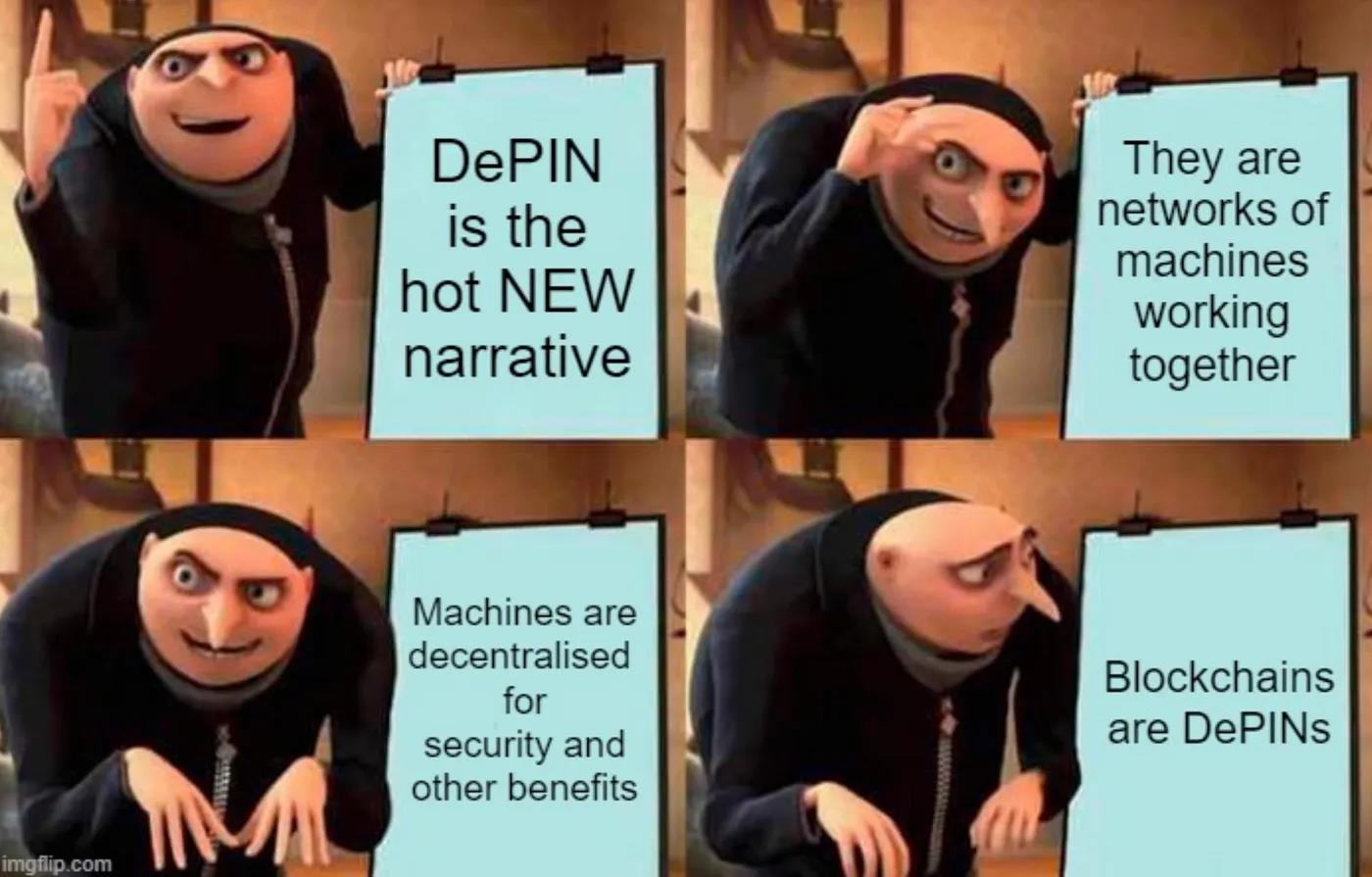
Within the dynamic landscape of DePIN, the definition spans a broad range. Blockchains themselves can be considered to fit the DePIN concept. They operate via miners or validators within a decentralized network, ultimately providing a critical resource known as "consensus." The idea of DePIN may have existed since the inception of Bitcoin's theoretical decentralized network, though it only recently gained formal recognition.
For greater clarity, we’ve created an illustrative map of DePIN. The spectrum ranges from decentralized physical machine networks emphasizing hardware specificity and agnostic to software, to decentralized digital resource networks emphasizing software specificity and indifferent to hardware.
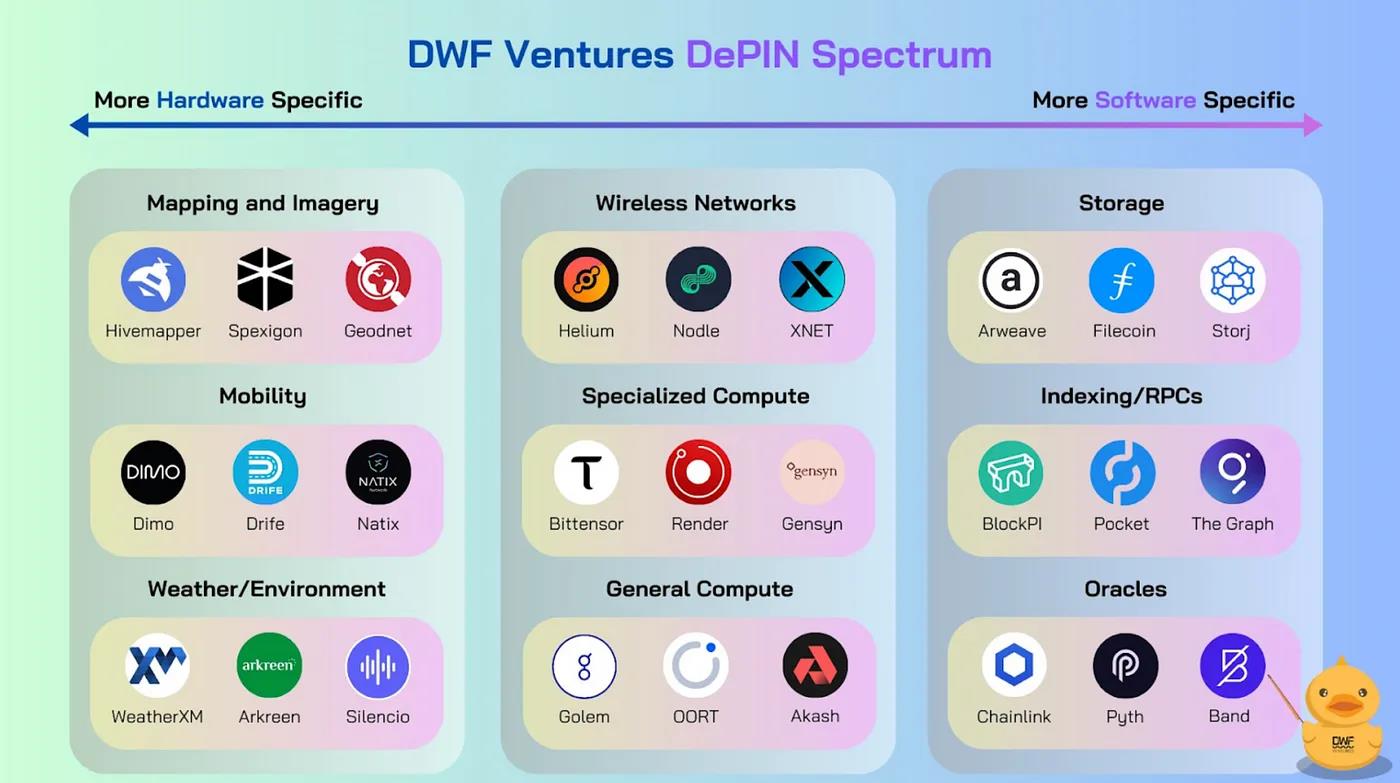
Many decentralized resource networks trace their roots to Web2 counterparts, aiming to solve existing problems more efficiently. However, others were created specifically to meet on-chain needs that either couldn’t exist or weren’t necessary in Web2. For example, oracles like Chainlink are uniquely Web3 products—they allow smart contracts to execute based on real-world data while maintaining trustlessness through a decentralized network of independent node operators.
This raises debate over whether solutions like Chainlink qualify as DePIN. It depends on one’s interpretation of the physicality of nodes/service providers, which typically run on independent machines. However, a more important consideration is the value these decentralized networks bring relative to centralized ones. By focusing on the advantages of decentralization, we aim to guide Web3 development toward creating real, substantial value for the masses.
The Overall Value Proposition of DePIN
Now that we've covered the “what,” it’s time to explore the “why.” Each DePIN protocol involves three main stakeholders:
-
Demand-side users (consumers of resources)
-
Supply-side users (providers of resources)
-
The protocol itself (team and investors)
Considering all involved stakeholders, the decentralization effect enables three distinct value propositions for DePIN:
1. Economic Efficiency from Underutilized Resources
The primary and most significant benefit of DePIN lies in the economic advantages it offers, benefiting all relevant stakeholders. The notable economic efficiency brought by decentralization stems from the ability to leverage idle global resources that would otherwise go to waste.
In the case of decentralized computing, globally underused servers, GPUs, and CPUs (supply-side assets) depreciate or become obsolete over time. Now, owners have a way to monetize these assets. Meanwhile, DePIN protocols (intermediaries) can aggregate these computational resources at low integration and operational costs, then offer them at lower prices to users who need them (demand side). This also means fungible resources like computing power and bandwidth can be used more uniformly worldwide—not only due to lower costs but also because there’s no need to build infrastructure everywhere.
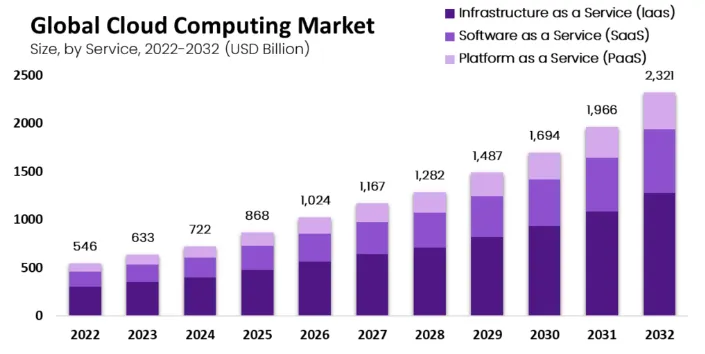
The global cloud computing market is valued at $633 billion, with a projected CAGR of 16% from 2023 to 2032. Depending on use cases, companies spend hundreds of thousands to millions of dollars annually on cloud computing—costs that could be significantly reduced through distributed computing.
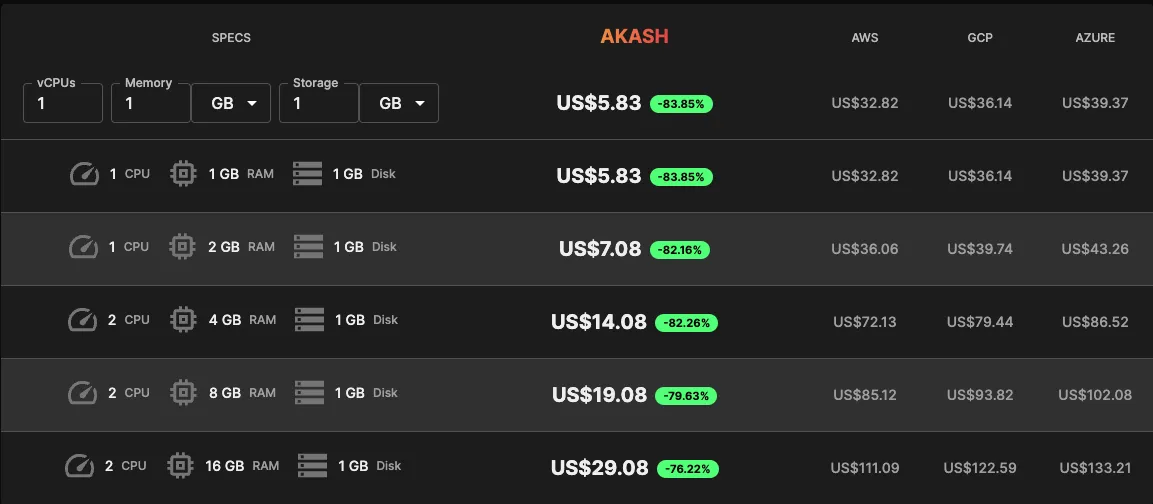
For instance, Akash is a decentralized network of cloud service providers that aggregates and delivers required computing capacity to developers at lower costs. Through decentralization, this service can be efficiently orchestrated and is approximately 80% cheaper than traditional centralized providers like AWS, Google Cloud, and Microsoft Azure.
Another potential source of economic efficiency comes from identifying performance differences among nodes across various use cases. Certain nodes may specialize in producing/purchasing specific resources, allowing DePIN protocols to intelligently allocate tasks matching each node’s strengths. This mirrors the economic efficiency seen in global trade, where countries naturally specialize in certain resources and trade those they don’t produce, resulting in a more efficient global economy. Again, this reduces costs for both the protocol and demand-side users, while enabling supply-side users to focus on delivering what their assets do best rather than optimizing everything.
2. Lowered Barriers to Entry for Stakeholders and Geographies
DePINs revolutionize market access by significantly lowering entry barriers for both resource providers and new projects, fostering a more inclusive and dynamic ecosystem.
Easy Access to Resources and Services
DePINs simplify the onboarding process for resource and service providers, removing unnecessary hurdles and welcoming participants who meet DePIN standards. This streamlined approach proves effective, attracting diverse contributors and strengthening the network. Storj’s success serves as evidence—the platform boasts a provider base far exceeding Filecoin’s, demonstrating the positive impact of easy access.
Cross-Regional Adaptability Through Localized Solutions
DePINs can rapidly expand across different regions. Through incentive mechanisms, they can scale networks without relying on the traditional expansion methods of centralized entities. Moreover, DePINs can leverage their decentralized structure to offer tailored resource solutions across regions and demographics. This flexibility ensures universal access to resources and aligns closely with the specific needs of local markets.
Hybrid Expansion with Centralized Supply
DePINs can adopt flexible scaling strategies by combining centralized and decentralized resource supply. For example, Storj centralizes access and database management through Storj-operated control satellites, optimizing scalability. This strategic hybrid model allows individual operators to secure the network with minimal infrastructure, evident in Storj’s vast provider base (~514k) compared to Filecoin (~3.8k).
Essentially, by lowering barriers and adopting hybrid scaling approaches, DePINs cultivate a more inclusive, globally responsive, and dynamically adaptive ecosystem for resource providers and project developers alike.
3. Governance and Security
Decentralized networks can also implement superior governance systems. Users on both supply and demand sides who invest in DePIN protocols can voice their opinions through voting and open governance proposals. This ensures decisions align with the best interests of all stakeholders and promotes synergistic initiatives. In contrast, decision-making in centralized systems is driven entirely by investors focused on personal financial returns.
Trustless resource provision, security, and availability are inherent to DePIN. They avoid the high costs associated with securing and maintaining high-quality infrastructure in centralized systems. Even if some nodes fail, DePIN networks can continue delivering services. Conversely, centralized providers face single points of failure—system outages or compromises can lead to severe disruptions. In 2022, several cloud service outages occurred, including Google Cloud experiencing increased latency in January and Slack going down for three hours in February. AWS, a centralized provider, suffered a two-hour outage in July 2023 due to a power disruption. While rare, the likelihood of most nodes in a DePIN network individually failing or being compromised is much lower, offering stronger guarantees of availability and security.
However, ensuring these benefits truly deliver value to stakeholders requires proper implementation. When building DePINs, certain factors and obstacles must also be considered—these are exactly the aspects DWF Ventures evaluates in DePIN protocols.
Potential Obstacles and Factors for Success
While DePINs indeed hold great potential to deliver significant value to both supply and demand-side users using current resources, we consider several key factors when evaluating successful DePIN projects.
Key factors include:
-
Scalability and performance competitive with centralized players
-
Ease of onboarding and adoption
-
Alignment of tokenomics and incentives
1. Scalability and Performance Competitive with Centralized Players
While economic benefits are important, DePINs must also ensure performance competitiveness with centralized counterparts. Performance is a key driver of demand-side adoption, which in turn fuels supply-side participation. DePIN protocol performance can be managed through three main aspects:
-
Hardware and software specifications
-
Addressable demand
-
Location sensitivity and density
Hardware and Software Specifications
Hardware and software specifications refer to the quality requirements supply-side participants must meet to satisfactorily provide resources or services. DePINs can require dedicated devices/programs to ensure consistent service quality, or allow compatibility with more common devices like smartphones or laptops. Requiring dedicated hardware/software improves reliability and uptime for end users but adds another barrier to entry for service providers. In most cases, performance is prioritized, as service providers are generally willing to bear the cost or effort if demand is strong, even with entry barriers.
Projects may choose to exclusively distribute their own dedicated devices/programs or outsource production/development to third parties. Outsourcing may encourage competition, potentially enhancing provider capabilities and reducing costs. However, excessive fragmentation across manufacturers risks quality issues or potential supply shortages if providers cannot meet project requirements.
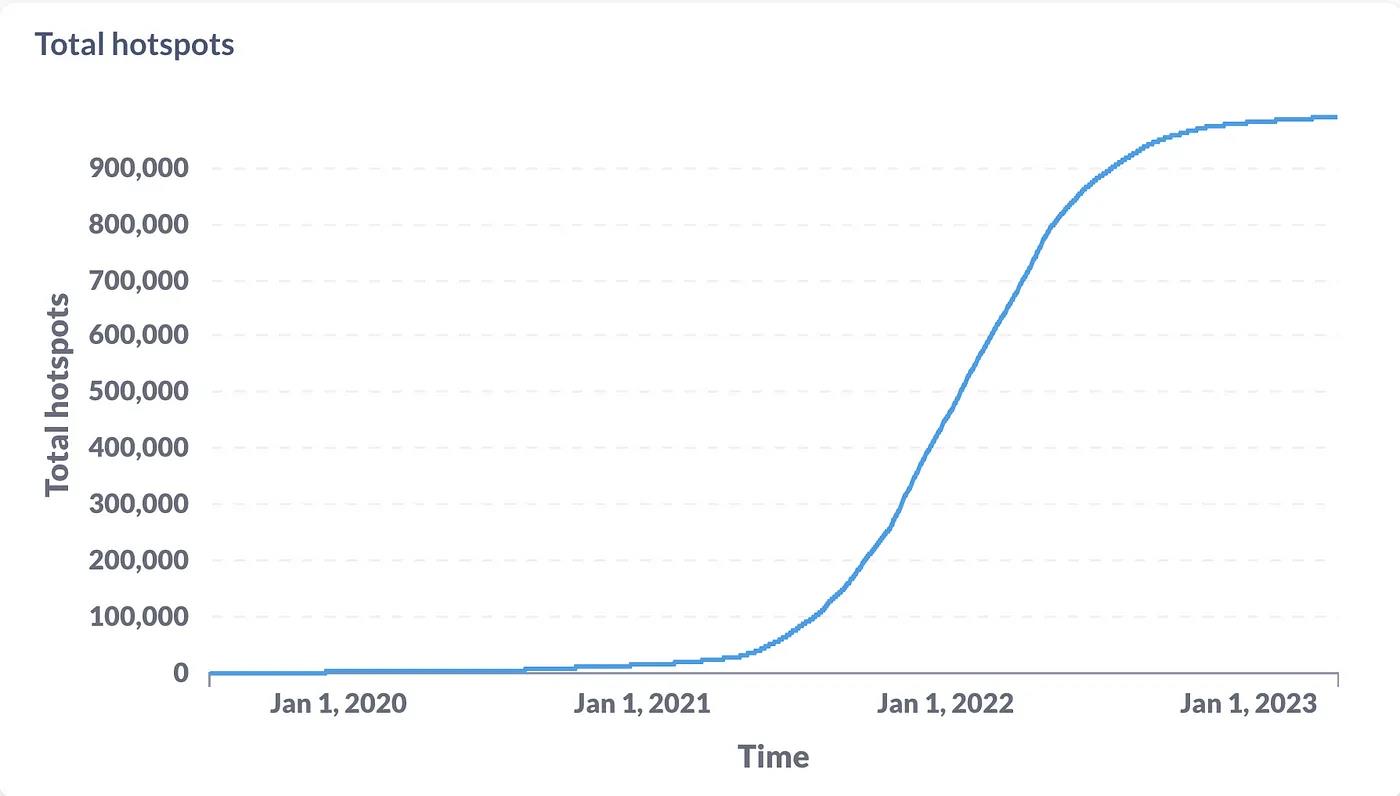
For example, Helium began manufacturing its own hotspot routers in 2019 but had attracted only about 15,000 hotspots by late 2021. A proposal passed in early 2021 allowed third-party manufacturers to participate as long as they met specifications—likely contributing to exponential hotspot growth between early 2021 and 2022. Today, Helium has over 28 manufacturers onboarded, promoting decentralization and giving users broader choices. For instance, Sensecap offers a more affordable hotspot priced at around $130, significantly cheaper than the original Helium hotspot, which cost about $495.
Addressable Demand
Compared to centralized counterparts, many DePINs lack the full suite of features offered by more mature players. Centralized cloud providers like AWS offer users a vast ecosystem of tools for deploying applications and developing products, while many DePINs today focus primarily on single services like computing power or data storage. This highlights the immense potential for DePINs to grow and match the functional breadth of centralized solutions.
OORT is taking steps in this direction by building a service provider network across multiple verticals and horizontals to offer decentralized computing and storage facilities. OORT achieves this through three layers of service providers:
-
Archive Nodes: Data storage nodes from Filecoin, Storj, Crust, and Arweave.
-
Edge Nodes: OORT network devices with home PC functionality for decentralized computing.
-
Super Nodes: Public and private cloud providers like Tencent Cloud, Alibaba Cloud, and Seagate meeting high-end computing and storage needs.
This means OORT can offer a full suite of cloud computing services while preserving decentralization advantages—any need for intensive or simple computing, or large-scale or lightweight data storage, can be fulfilled by one or more of the three service provider layers.
Location Sensitivity and Density
For some projects, achieving sufficient user density within specific geographic areas is crucial to ensuring service effectiveness and practicality—similar to colocation in traditional tech. This is especially important for services heavily reliant on location-based data and interactions, such as mapping or ride-hailing platforms.
For mapping services like Hivemapper, having a highly concentrated user base in specific regions is vital for delivering accurate and up-to-date information, directly impacting product utility. Currently, most of Hivemapper’s coverage is concentrated in the U.S. and a few European countries. Due to sparser coverage in regions like East Asia, Hivemapper has established bounties as part of its targeted MIP-2 mapping initiative. Additional rewards are allocated for areas listed in the proposal to encourage more comprehensive coverage—an essential step in making Hivemapper competitive with centralized alternatives.

Similarly, for ride-hailing services, having enough drivers and passengers in a given area is critical to ensuring optimal experiences for both. Higher driver density means shorter wait times and more ride options for passengers. Drife exemplifies this approach, focusing on bringing drivers onto its platform in Bangalore and having recruited over 10,000 drivers to date. This ensures better user experience for passengers, continuously generating ride demand to match driver supply. Therefore, achieving sufficient geographic density is crucial for enhancing service performance.
2. Ease of Onboarding and Adoption
The initial stage of provider interaction with the network is the onboarding process. While hardware specifications play a role, the subsequent steps after acquiring the necessary hardware are equally important. After setup, providers must monitor their hardware to ensure they meet the conditions required to earn rewards. Projects requiring passive or active management from providers will influence the number of motivated participants.
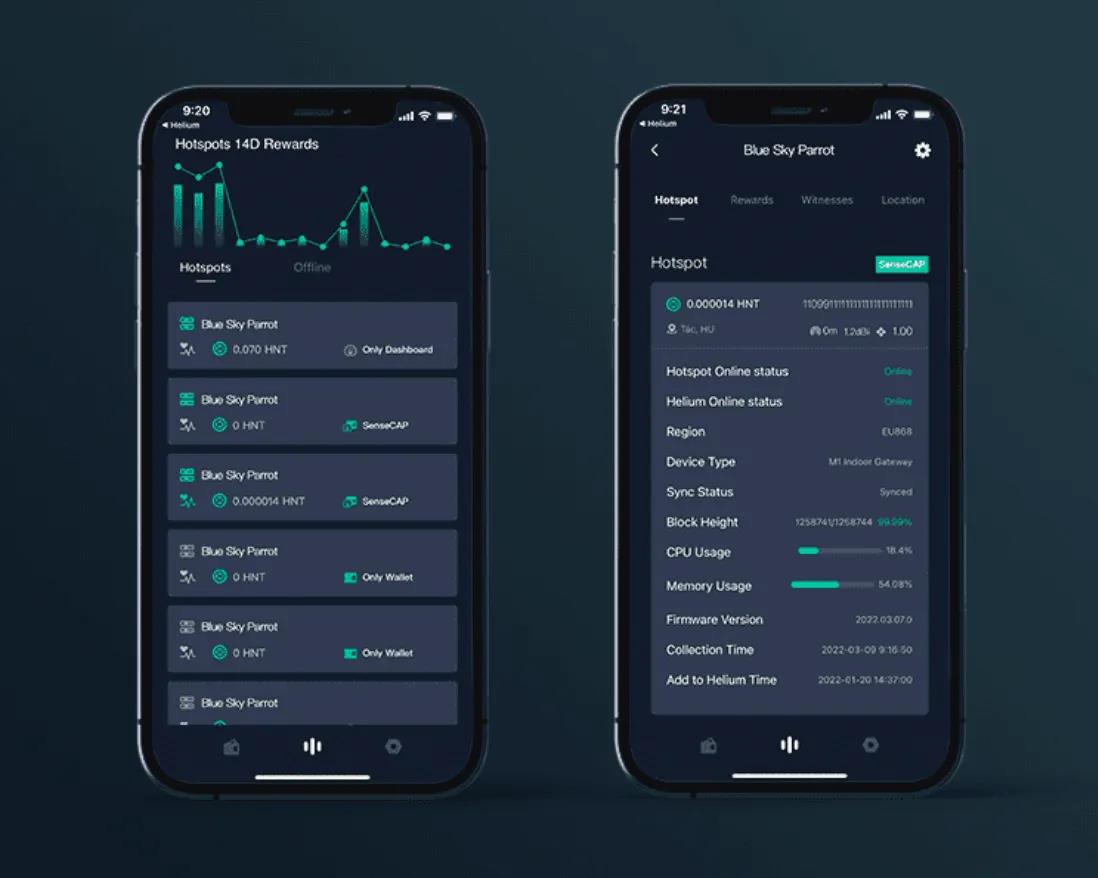
For example, setting up a Helium hotspot is relatively straightforward for most users. For providers using Sensecap, an intuitive process involving turning on the device and configuring Bluetooth is sufficient to begin earning rewards. Despite a one-time setup fee of $15, it eliminates the complexity of blockchain interaction, making it more appealing to a wider pool of potential providers. Providers using the app can easily monitor hotspot status from a single interface, ensuring continuous operation and passively earning rewards.
In contrast, projects like Spexigon require active user involvement to earn rewards. After purchasing the designated drone (DJI Mini 2, ~$339), users must personally fly it and capture images from their location while complying with local regulations. Additionally, since Spexigon focuses on capturing imagery from diverse geographies, users’ income potential may be limited by their surroundings. Thus, the number of users able to join Spexigon is constrained by multiple factors—from onboarding and regulations to the cumbersome requirement of actively operating drones to earn rewards.
Overall, an intuitive, easy-to-navigate onboarding process enables a project to reach a broader audience. However, this also depends on the project’s specific requirements and priorities. For services benefiting from a large number of providers (e.g., Helium), this factor is more important than managing a smaller group of high-quality providers.
3. Alignment of Token Economics and Incentives
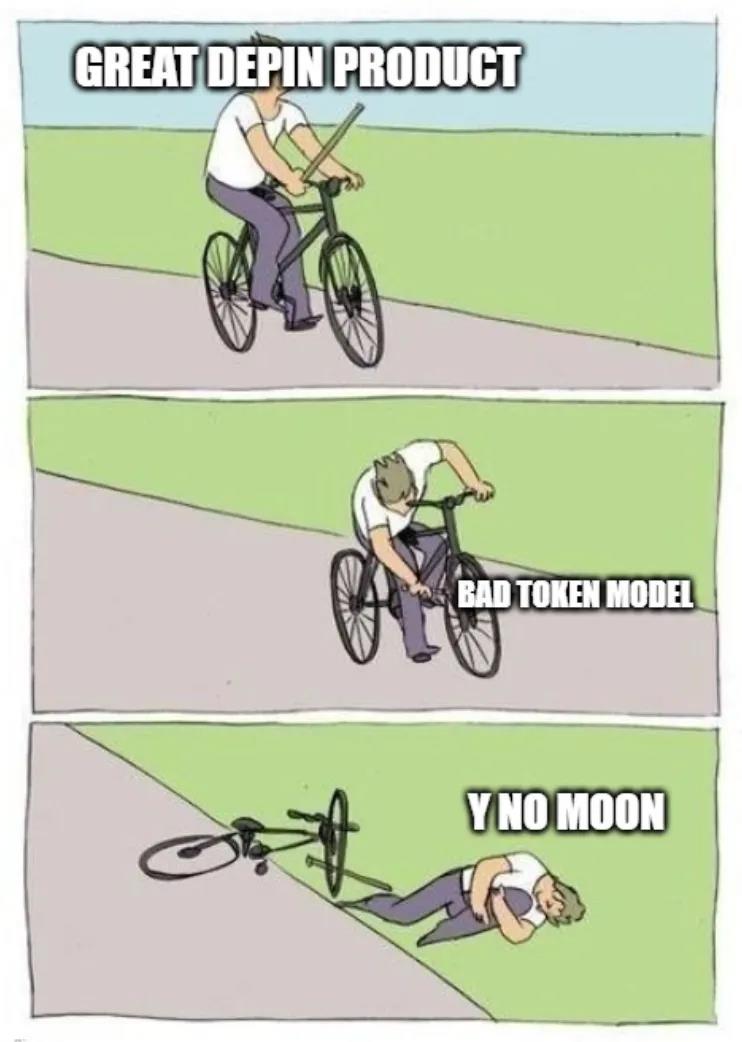
The final critical factor DePIN protocols should carefully plan is the utility and value flows enabled by their token mechanism. An excellent product requires an equally robust token model to ensure all stakeholders participate in an incentivized manner, allowing the token to properly reflect the project’s value.
First, we can draw from Chainlink’s proven token utility model to establish a foundational framework for DePINs. In Chainlink’s model, stakeholders resemble those in any decentralized resource network:
-
Demand-side users (token consumers)
-
Supply-side users (token recipients and stakers)
-
Team and investors (token holders)
Demand-side users pay LINK tokens to access oracle services, while supply-side users receive LINK tokens for providing services. This creates direct demand for the token tied to service usage.
Supply-side users must also stake tokens to guarantee service quality, facing significant penalties otherwise. This encourages higher-quality service and creates additional token demand linked to overall service quality, which itself depends on product demand—higher demand incentivizes more providers to deliver better service.
Finally, token demand benefits token price—an outcome desired by token holders. This drives further secondary-market investor interest in the token.
We see that demand-side users care least about token price, while team and investors care most. Supply-side users fall in between, as they also have exposure to token price through staked tokens. Regardless, this framework creates a scenario where all stakeholders contribute to supporting the token price.
Token issuance must also be planned. Typically, token issuance serves as part of early-stage incentive campaigns to attract users. Given the three stakeholder groups, allocating token incentives among them makes sense depending on how difficult the project believes it is to attract each group. Of course, token issuance brings inflation, so projects must also consider how to manage issuance and burning. Projects must be cautious not to overly rely on token issuance to incentivize demand-side users—these users should first be drawn in by a high-quality product, which is where everything begins. Generally, token incentives should focus more on attracting supply-side users to meet demand for a quality product.
Some DePINs also allow demand-side users to pay via alternative methods. As long as payments are used to purchase tokens to compensate supply-side users, this does not affect token demand. Practically, it simply gives demand-side users flexibility in payment channels.
For the protocol itself, revenue can come from taking a cut of payments from demand to supply-side users, or charging membership or licensing fees separately to either side. These revenue streams can cover operational costs, and any surplus can further boost token demand through revenue sharing or buyback-and-burn mechanisms. Projects may also require token holders to stake tokens or provide liquidity to benefit from revenue distribution, helping stabilize token price or increase liquidity.
Shaping the Next Era of DePIN: What We’re Looking For
At DWF Ventures, we believe the success of DePIN projects lies in integrating specific elements. These include customized hardware specifications aligned with the project’s resource needs. Additionally, a robust incentive model combined with well-designed token economics is crucial for sustaining the project’s ecosystem. Prioritizing optimized user experiences for both supply and demand-side participants is also essential. This ensures the project can attract and retain users, ultimately contributing to its overall success and longevity. These combined factors lay the foundation for the success and sustainable development of DePIN initiatives.
Currently, we observe that most existing DePIN projects have already established the first three elements, as most initially aim to incentivize supply-side users—a logical priority since they are key to early network expansion.
However, it remains crucial to invest significant resources into developing a truly compelling product for demand-side users—not merely positioning as a decentralized alternative to existing services.
The entire DePIN ecosystem is still relatively young. While some projects have been around for years, we anticipate further innovation in this space—and possibly the emergence of a game-changing protocol.
Join TechFlow official community to stay tuned
Telegram:https://t.me/TechFlowDaily
X (Twitter):https://x.com/TechFlowPost
X (Twitter) EN:https://x.com/BlockFlow_News
 @DWFLabs






