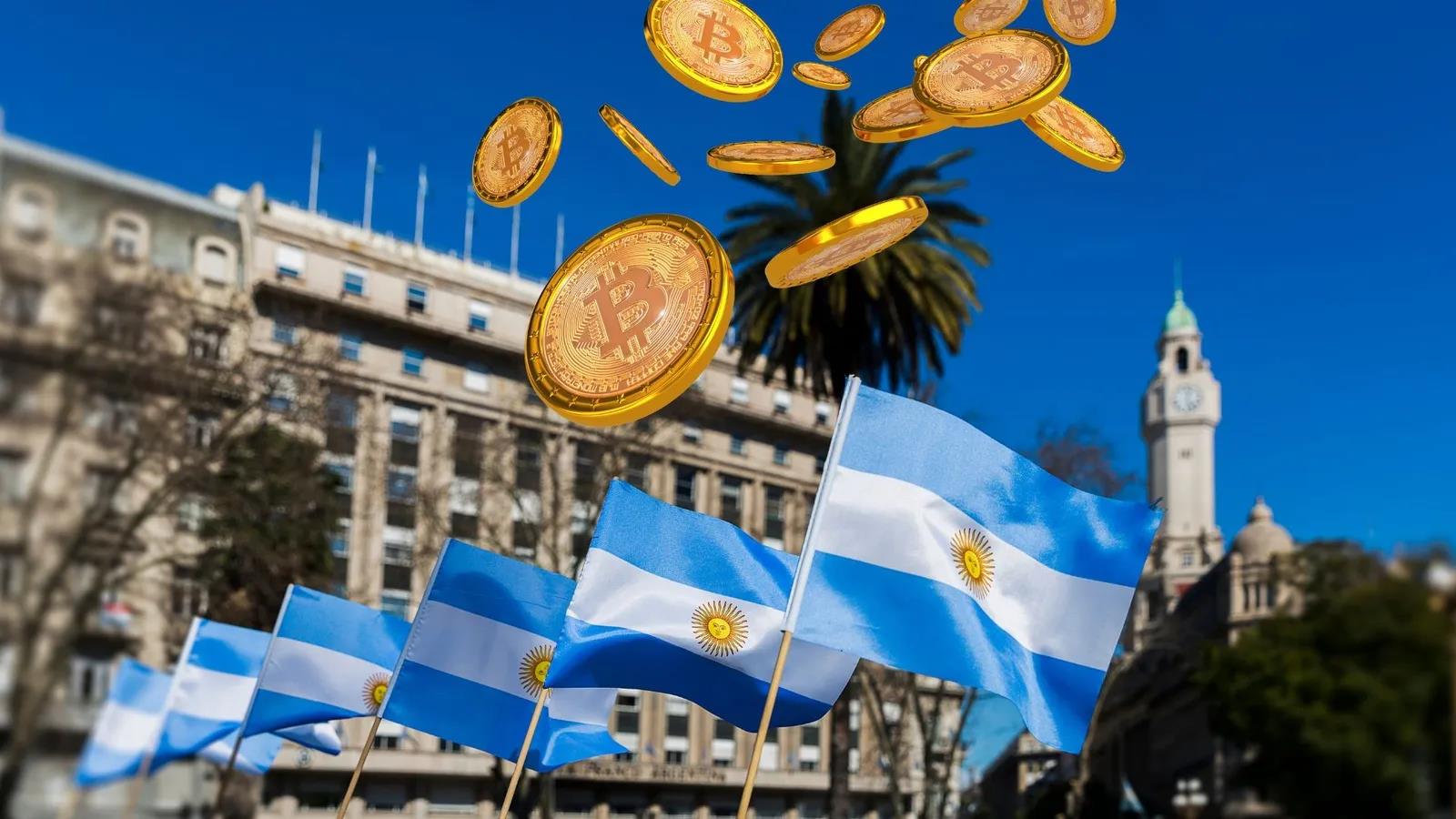
In Argentina, where inflation has soared, cryptocurrency has made its way into shopping malls.
TechFlow Selected TechFlow Selected
In Argentina, where inflation has soared, cryptocurrency has made its way into shopping malls.
High inflation has brought crypto into the lives of Argentine residents.
 Navigating Web3 tides with focused insights
Translation: Web3 Research Institute for Asia, Africa, and Latin America - Translation Team
Editing: vand

Latin America has become one of the fastest-growing regions for cryptocurrency users, and people's lives in Argentina are changing as a result.
Can you imagine an ordinary Argentine mother using cryptocurrency to shop and buy daily necessities for her family? Malaya Fetuccini, an average housewife from Argentina, has been using USDC to shop at METRO since 2022—and she’s quite skilled at it.
At the end of each month, she opens her crypto app to carefully review her monthly expenses, even recalling what she bought and why based on timestamps: “Essential goods, children’s tuition…” She meticulously logs household spending while simultaneously documenting the progress and evolution of the blockchain industry.
These are real-life scenes unfolding in Argentina. According to Mastercard statistics, at least 51% of Latin Americans use cryptocurrencies for shopping. Moreover, between 2021 and 2022, total cryptocurrency inflows in Latin America exceeded $562 billion—up 40% compared to 2020.
We can see just how much imagination and opportunity globally accessible crypto assets bring.
Inflation: A pressure, but also an opportunity for crypto assets in Argentina
Central and South America have long struggled with currency inflation, especially in recent years, as inflation records continue to hit new highs.

Argentina’s inflation rate was 6.6% in February, with a 12-month cumulative inflation rate reaching 102.5%, the highest level in 30 years. Behind these numbers lies a reality: prices for clothing and footwear, restaurant and hotel services, food and beverages have all surged by over 100%—doubled! Contributing factors include economic recession, foreign debt, fiscal deficits, and more.
But people living here care less about solving inflation itself—they’re more concerned about where their “solution” lies?
Crypto assets might just be that solution for Argentinians. Despite Argentina’s legal tender not recognizing any cryptocurrency and its policies wavering back and forth, due to the decentralized and global nature of crypto, no one can truly ban individuals from choosing to use cryptocurrencies—as evidenced by the widespread adoption across Argentina.
Cryptocurrency adoption in Argentina
Survey data from Latin America show that Argentina is among the countries with the highest cryptocurrency adoption rates in the region.
For example, according to Americas Market Intelligence (AMI), by 2022, 27% of surveyed Argentines were “regularly” purchasing cryptocurrencies—an increase of 15% from 2021. Ninety-eight percent of Argentines know about cryptocurrencies, and one-fifth of residents plan to purchase crypto in the future.
Argentina is one of the fastest-growing cryptocurrency markets. In fact, a study ranked Argentina 13th globally in the 2022 Global Crypto Adoption Index. Researchers at Chainalysis noted that Argentina has extremely high stablecoin usage—a sign of savvy Argentinians hedging against local inflation.
A report from Morning Consult also shows that Argentines trust crypto assets more than residents of other countries.
In a 2022 survey, around 60% of Argentine respondents said they “very” or “somewhat” believe Bitcoin and other cryptocurrencies will perform well within 1–2 years. Still, most Argentines consider the U.S. dollar and gold safer long-term investments than BTC.
Globalized Crypto becomes the solution for Argentinians
Argentina’s fiat currency continues to set new inflation records. For decades, this Latin American nation has struggled with double-digit inflation rates for the Argentine peso. The annual inflation rate rose from 10.46% in 2010 to 42.02% in 2020, and reached a staggering 94.8% in 2022.
Most Argentines believe their national currency will lose value—only 35% think the peso will retain its value over the next 1–2 years, the lowest confidence score among all surveyed nations. Given such low trust in the local currency, globally accessible cryptocurrencies have emerged as a viable solution.
Before crypto became widespread in the country, Argentinians relied heavily on the U.S. dollar as a substitute for the peso. Argentina’s central bank (BCRA) reports that financial institutions and households already hold $230 billion in cash dollars.
However, this dependence creates vulnerabilities related to foreign exchange. The Argentine government has tried to address this through measures like new taxes and exchange controls—for instance, limiting how much USD residents can buy via banks, and imposing a 35% withholding tax on dollar transactions starting in 2022.
To preserve the value of its own currency, the Argentine government is reluctant to support dollar-pegged stablecoins. But crypto is global and decentralized—it cannot be banned.
Argentinians are increasingly experimenting with digital currencies like Bitcoin, Ethereum (ETH), and stablecoins. Cryptocurrencies offer easier, cheaper, faster transfers between fiat currencies—with no transaction limits. Notably, crypto also helps reduce risks associated with buying dollars on the black market.
Beyond inflation and exchange controls, many Argentinians fear bank freezes on their savings and checking accounts. For example, during an economic crisis known as “Corralito,” the Argentine government imposed strict restrictions on bank account usage. These harsh measures remain fresh in public memory. AMI surveys also reveal that 46% of Argentinians buy crypto specifically to “avoid government control.”
BCRA, which resists the dollar, what stance does it take toward Crypto?
The Argentine government’s position appears inconsistent, with laws around crypto constantly shifting. While BTC is not accepted as legal tender, Argentina does not outright ban crypto either.
Argentina hasn’t declared a full ban on the technology, nor does it actively support crypto. However, in 2022, the government announced plans to form a “National Blockchain Committee” to actively study cryptocurrency regulation in Argentina.
Interestingly, some cities and provinces in Argentina have introduced policies to encourage crypto development. For example, Mendoza Province announced it would accept taxes paid in stablecoins like USDT. In 2022, Buenos Aires, the capital city, expressed interest in taxing crypto transactions. The city government also plans to run validator nodes on the Ethereum 2.0 blockchain in 2023.
San Luis Province has also strongly supported crypto adoption in recent years. It has allocated treasury funds as collateral for a new dollar-pegged stablecoin called “Activo Digital San Luis de Ahorro.” It also plans to sponsor local artists through upcoming NFT projects.
Despite relatively lenient national crypto policies, BCRA prohibits exchanges or banks from offering crypto services to customers. After Banco Galicia attempted to launch crypto trading services in 2022, BCRA officials banned traditional financial institutions from conducting crypto transfers.
Regulators frequently issue warnings about high-risk crypto assets, particularly ICOs, which face strong opposition. However, Argentina has no law prohibiting licensed residents or companies from mining (PoW) cryptocurrencies.
How cryptocurrencies enter everyday Argentine life
While most Argentinians buy crypto primarily for value investment, they also integrate digital assets into daily life:
-
Value storage & investment: According to AMI survey data, over 50% of Argentines buy crypto assets as an “inflation hedge,” similar to gold. Whether purchasing Bitcoin, Ethereum, or stablecoins, many believe they are more likely to retain value than the peso.
-
Remittances: World Bank data shows Argentina receives about $650 million annually in remittances. Chainalysis researchers found increasing numbers of Latin American immigrants using Bitcoin to send money home. With access to the Bitcoin Lightning Network via apps like Strike, more Argentine migrants are now benefiting from cross-border crypto transactions.
-
Daily shopping and taxation: More and more Argentine businesses and governments accept cryptocurrency as valid payment. AMI data indicates Argentina is a key market for crypto debit and credit cards. For example, Mastercard and Binance have partnered to roll out prepaid crypto debit cards nationwide.
-
DeFi activities: Nearly 25% of crypto transactions in Argentina occur on DeFi (decentralized finance) platforms. Having entered the world of crypto, more Argentinians are exploring new services—DEXs (decentralized exchanges), staking pools, and crypto lending.
How do Argentinians enter the world of Crypto?
In practice, exchanging via CEXs remains the most efficient method. Platforms like Coinbase, Kraken, and Gemini provide crypto services to Argentine customers. As demand for digital currencies grows, more crypto intermediaries are eager to enter the Argentine market—Strike, for instance, announced its entry into Argentina in early 2022.
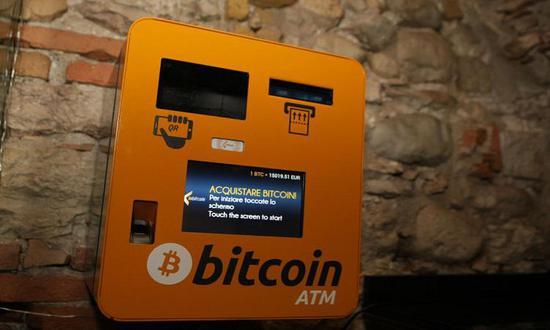
Additionally, many people trade peer-to-peer, matching with individuals online through platforms similar to Xianyu, agreeing on terms and transacting directly. While CEXs and crypto apps are the most common ways Argentinians acquire crypto, physical Bitcoin ATMs also exist in Buenos Aires, the capital city.
Summary
People in Latin American countries like Argentina need cryptocurrencies to solve various pressing issues. As they experience the benefits of crypto firsthand, they’ve become its most enthusiastic supporters. An increasing number of Argentinians now view BTC, ETH, and stablecoins as safer options for long-term savings.
Moreover, as more businesses and provincial governments support stablecoin transactions, locals gain additional ways to use cryptocurrencies. Perhaps one day, most Argentine companies will pay employee salaries in USDC.
While it remains unclear exactly how cryptocurrencies will shape Argentina’s future, it is evident that digital assets will play a significant role in the country’s economy—and this transformation will likely become visible within the next 3–5 years...
Join TechFlow official community to stay tuned
Telegram:https://t.me/TechFlowDaily
X (Twitter):https://x.com/TechFlowPost
X (Twitter) EN:https://x.com/BlockFlow_News
 @Research3ww3