The Impact of EIP-4844: Reviving the L2 Narrative?
TechFlow Selected TechFlow Selected
The Impact of EIP-4844: Reviving the L2 Narrative?
With the upgrade approaching, there is great excitement about what this will bring to L2s, so let's dive into it.
 Navigating Web3 tides with focused insights
Author: DEGEN SENSEI
Translation: TechFlow
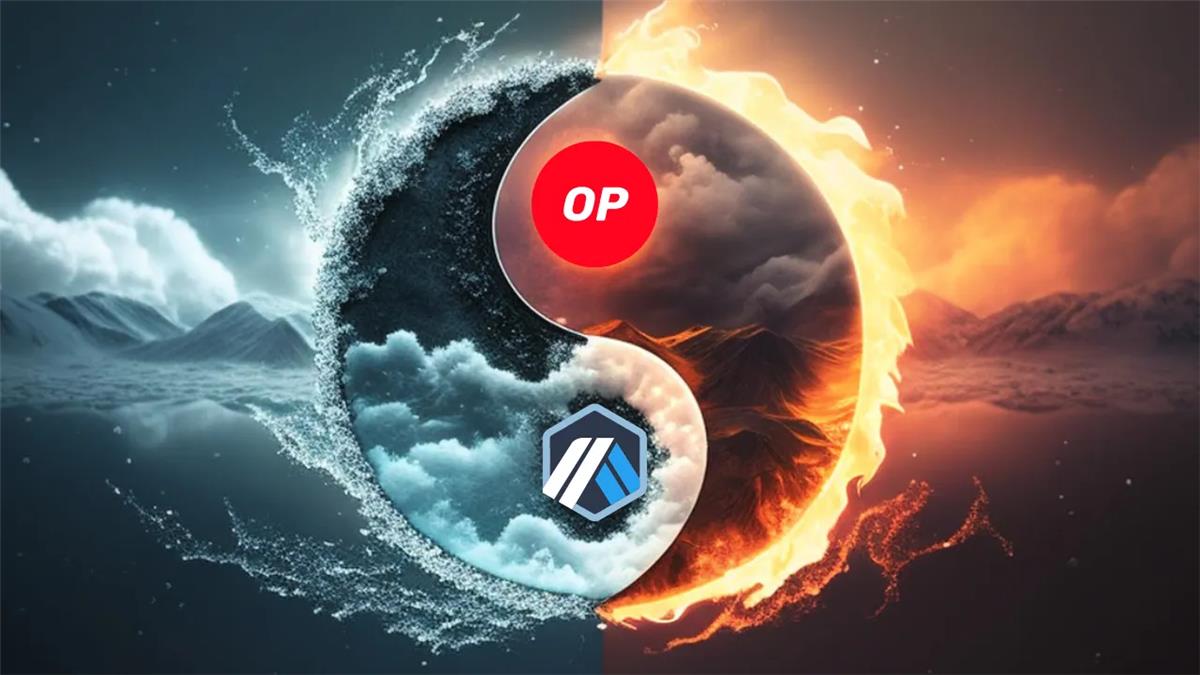
People are already familiar with the development of Arbitrum and Optimism. The natural next step is to dive deeper into how EIP-4844 will impact the current leading Optimistic Rollups on Ethereum. With the upgrade approaching, there's great excitement about what this will bring to L2s—so let’s take a closer look.
What is EIP-4844?
EIP-4844 is an Ethereum Improvement Proposal that introduces Proto-Danksharding. This term might give the average person a headache, so let’s break it down. To understand Proto-Danksharding, we first need to grasp sharding.
Sharding
Imagine a blockchain as a large jigsaw puzzle. Sharding is like dividing that puzzle into smaller pieces, called shards. Each shard works on its own part of the puzzle. By doing this, we can solve the puzzle faster because different people can work on different sections simultaneously.
At the blockchain level, shards function like small blockchains processing their own transactions. This makes the entire system faster and capable of handling more transactions. Each shard only needs to focus on its own piece of the puzzle, so it won’t get overwhelmed by excessive workload.
However, we still need a way for all shards to communicate with each other and agree on the final solution. This is similar to different people working on separate puzzle pieces needing to share information to ensure the puzzle fits together correctly.
Thus, sharding makes blockchains faster and more efficient by distributing work across smaller shards—just like assigning different parts of a puzzle to different people to solve it more quickly.
That said, this upgrade does not yet enable full Danksharding, which is a core component of Ethereum’s roadmap. Nevertheless, the introduction of blobs is still a step in the right direction.
Blobs
Blobs are raw byte strings attached to transactions.
New "blob-carrying transactions" are being introduced, which include additional data stored in a location adjacent to blocks. To be clear, this does not increase block space—it can be thought of as supplementary information stuck beside transactions rather than inside them, increasing the amount of data each transaction can carry. While blobs are larger than blocks, they are not stored permanently. Instead, their commitments remain accessible to the EVM for a sufficient duration to allow fraud proofs to verify their validity.
Why Is This Important?
These new blobs will decouple storage costs from computation costs. Users who want to store data on Ethereum can now choose whether to store it temporarily or permanently on-chain. As a result, transaction fees on L2s—which are already low—will become even cheaper on Layer 2 solutions.
Most users don’t upload data directly to the blockchain—they simply execute transactions. Given that blobs have a separate gas pricing mechanism, the average user will be less affected during network congestion. When users upload large amounts of data via blobs, the cost burden shifts away from regular users, reducing spillover effects and making the current fee market more dynamic.
Those who’ve been around the space for a while may recall how Arbitrum’s Nitro upgrade sparked a wave of excitement across the ecosystem. The sentiment today is similar—it could happen again with Optimistic Rollups. Many are already positioning themselves in $OP and $ARB; time will tell whether this enthusiasm spills over into their respective ecosystems.
Join TechFlow official community to stay tuned
Telegram:https://t.me/TechFlowDaily
X (Twitter):https://x.com/TechFlowPost
X (Twitter) EN:https://x.com/BlockFlow_News
 Degen Sensei