Top Picks from Polychain Capital's Investment Portfolio: Who Will Stand Out?
TechFlow Selected TechFlow Selected
Top Picks from Polychain Capital's Investment Portfolio: Who Will Stand Out?
This article introduces Polychain Capital's 11 investment projects this year.
 Navigating Web3 tides with focused insights
Written by: dLux
Translated by: TechFlow
Polychain Capital is a venture capital firm capable of identifying promising projects:
• Invested in MakerDAO in 2017;
• Invested in dydx in 2017;
• Invested in Starkware in 2018.
Want to know about their 11 investments this year?

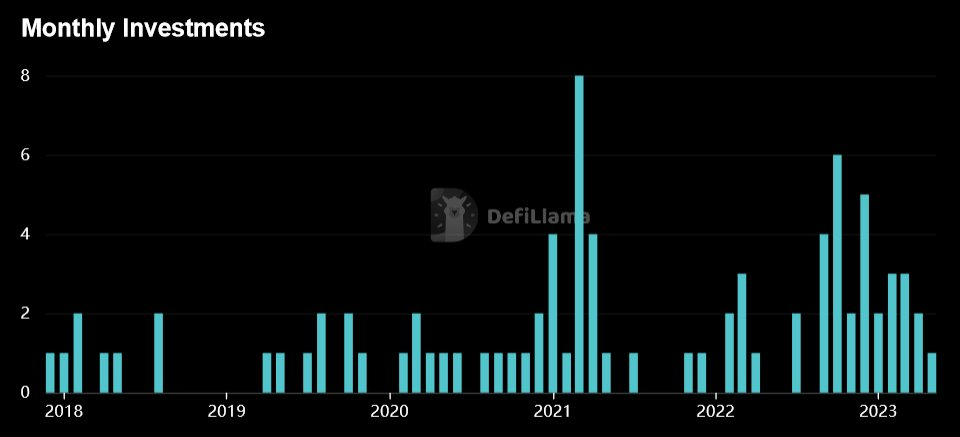
The company was founded in 2016 by Olaf Carlson-Wee, formerly Coinbase’s head of risk. As you can see, Polychain Capital has been very active over the past year.
Polychain Capital’s investors include several heavyweight firms:
• a16z (managing $3.5 billion in assets);
• Sequoia (managing $8.5 billion in assets);
• USV (managing $1 billion in assets);
• Founders Fund (managing $11 billion in assets).
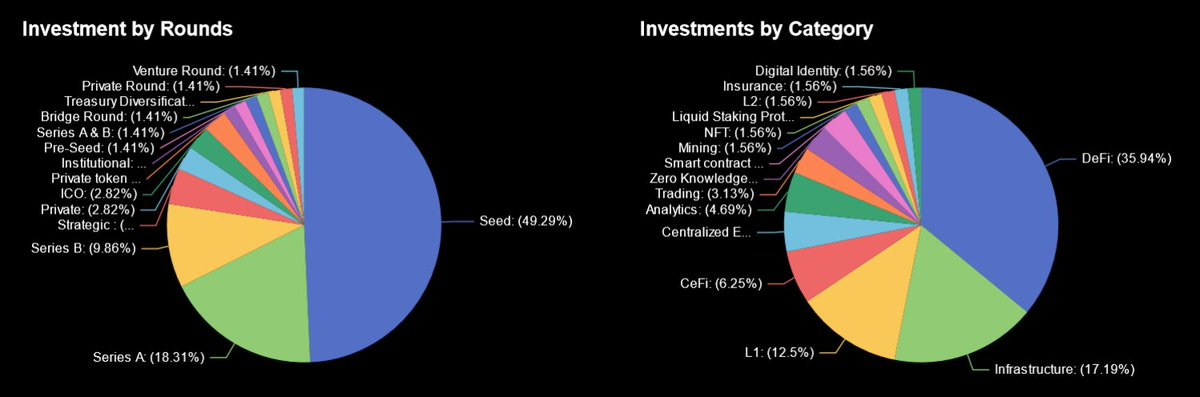
Since its first investment in 2017, they have made a total of 85 investments. Seed and Series A rounds make up the majority of their deals (67%). In terms of sectors, they typically focus on DeFi, infrastructure, and Layer 1 blockchain projects (65%). Now let’s take a look at their investments this year.
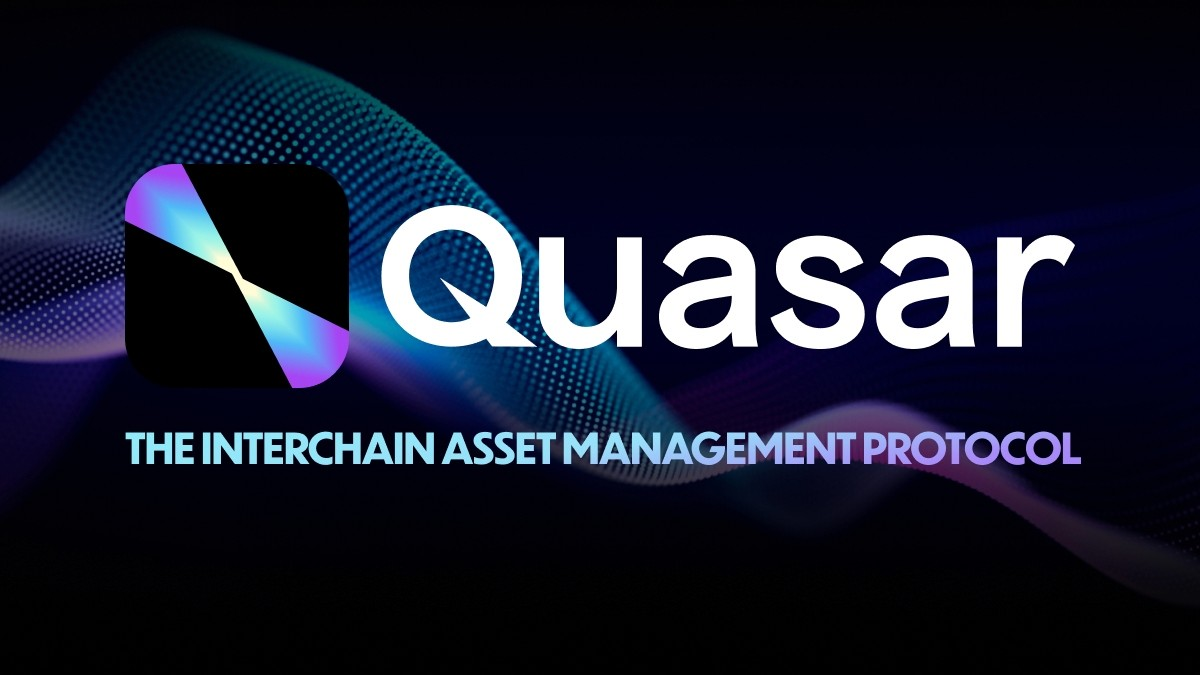
Quasar is a decentralized application chain supporting cross-chain asset management across the Cosmos ecosystem. Quasar’s universal asset management vaults are customizable based on different needs.
Nil is a project aimed at advancing research and development in cryptography and databases. Their main product, Proof Market, enables zkLLVM to work together, simplifying zk implementation for developers.
SPACE ID is building a one-stop universal naming service network. Its infrastructure provides multi-chain naming services, enabling anyone to create a Web3 identity.
Cysic is a zk hardware startup aiming to meet the physical requirements of zk proof protocols.
Polyhedra Network is building infrastructure powered by zk technology. They have developed zkBridge (a trustless infrastructure for L1-L2 interoperability) and zkDID (an SBT-based scalable and interoperable DID solution).
Scroll is a zkRollup based on zkEVM, built atop Ethereum, enabling compatibility between applications on other chains. Scroll raised $50 million at an $1.8 billion valuation.
Cubist is a project committed to delivering two key advantages:
-
Top-tier security that boosts developer productivity;
-
A low-barrier development environment that frees developers from vendor lock-in.
EigenLayer is a protocol built on Ethereum that introduces a restaking mechanism. By offering pooled security, it enables ETH to be reused at the consensus layer, reducing capital costs and significantly increasing trust.
Berachain is a DeFi-focused EVM-compatible Layer 1 built on Cosmos, utilizing a liquidity-proof-of-stake consensus algorithm. Their three-token model is novel and will be fascinating to observe in practice.

Thetanuts Finance aims to provide fund management solutions for DAOs and help retail traders earn organic returns from their assets by streamlining trading processes.
Webb has built the foundational infrastructure for a privacy protocol ecosystem driven by zk technology, designed for a multi-chain world.
Which project do you think will perform the best?
Join TechFlow official community to stay tuned
Telegram:https://t.me/TechFlowDaily
X (Twitter):https://x.com/TechFlowPost
X (Twitter) EN:https://x.com/BlockFlow_News
 dLux
dLux