








The Five Business Models of Blockchain: Tokens, BaaS, P2P, Node Aggregators, and Network Fee Revenue
TechFlow Selected TechFlow Selected
The Five Business Models of Blockchain: Tokens, BaaS, P2P, Node Aggregators, and Network Fee Revenue
What are the different types of blockchain business models?
 Navigating Web3 tides with focused insights
Author: Navdeep Yadav
Translation: TechFlow
Before we dive into blockchain and cryptocurrency, let's first lay the foundation by understanding the web.
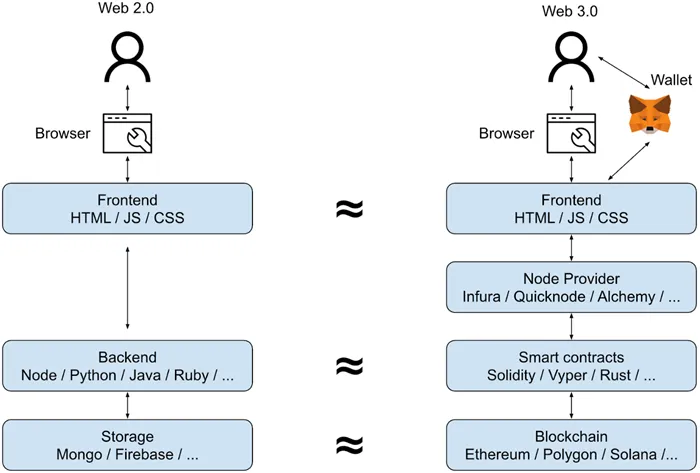
How is Web 2 Different from Web 3?
In Web 2, we build applications using backend programming languages such as Node.js or Python and host them on servers provided by services like AWS or Google Cloud Platform.
But in Web 3, we need to obtain a node from Alchemy, build smart contracts, and then deploy them on Ethereum or Polygon.
What Are the Different Types of Blockchain Business Models?
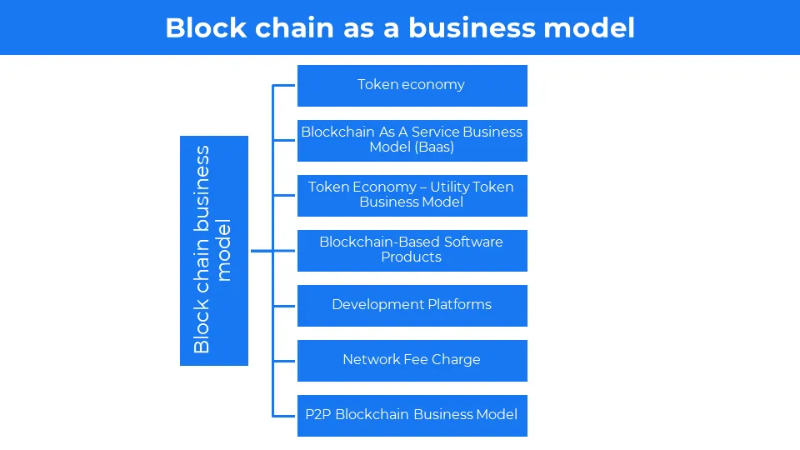
1. Token Economy — Utility Token Business Model
All blockchain technologies use distributed ledger technology (DLT), which requires consensus, and tokens are one mechanism for rewarding token miners or holders.
Example: Basic Attention Token (BAT)
The BAT token works with the Brave browser to enhance security and privacy. Basic Attention Token enables a new advertising revenue model that doesn't rely on constant user behavior tracking. Brave users can opt to view ads and earn BAT in return. They can then use BAT to tip content creators on their websites or Twitter.
But how do these companies issue such tokens?
These companies typically issue some tokens at a discounted price during their Initial Coin Offering (ICO).
These are usually purchased by early adopters who believe in the project and profit by holding them over time.

However, before purchasing any utility token, pay close attention to its tokenomics.
If you examine Solana’s token distribution carefully, you’ll find that insiders still hold over 60% of the tokens, whereas the Ethereum Foundation/insiders hold only about 7–8%.
2. Blockchain-as-a-Service (BaaS) Business Model
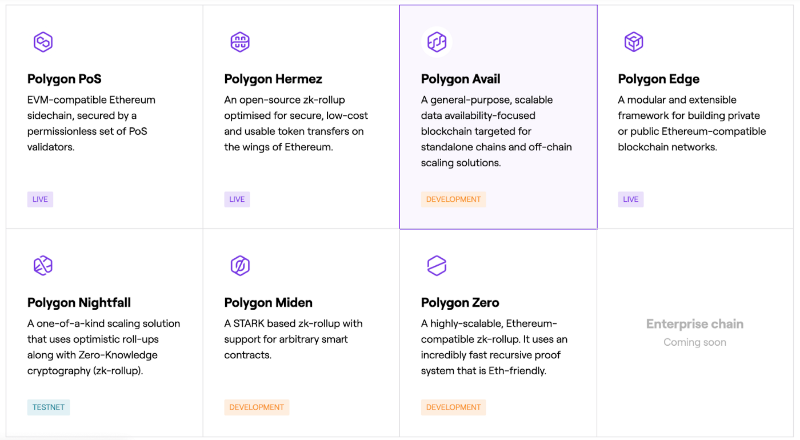
BaaS builds a service ecosystem similar to Amazon (AWS), but implemented within the Web 3 space.
Example: Polygon’s Ethereum Blockchain-as-a-Service (EBaaS).
From development to storage and deployment, AWS offers more than 200 services covering every aspect of your tech stack.
You can launch servers using Amazon EC2, manage SQL databases via Amazon RDS, store static files in Amazon S3 buckets, and so on.
Likewise, Polygon provides a suite of products for the Web 3 ecosystem. So whether you want to sell NFTs or cryptocurrencies, you can leverage their offerings.
3. Peer-to-Peer (P2P) Blockchain Business Model
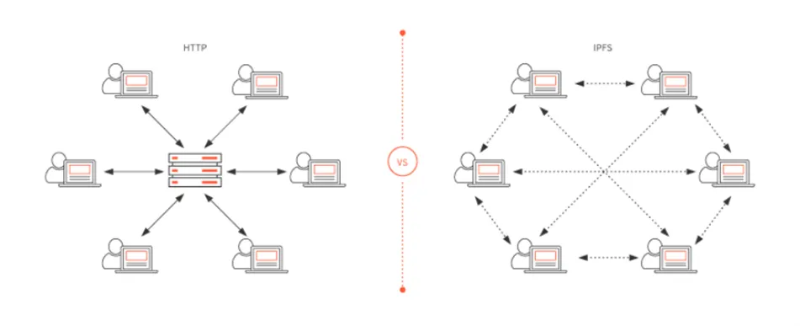
Peer-to-peer (P2P) blockchains allow end-users to interact directly with each other without any intermediaries.
Example — IPFS.
4. Blockchain Node-Based Aggregators
They are essentially the Amazon of blockchains—meaning you can simply make API calls to your preferred blockchain to access the service.
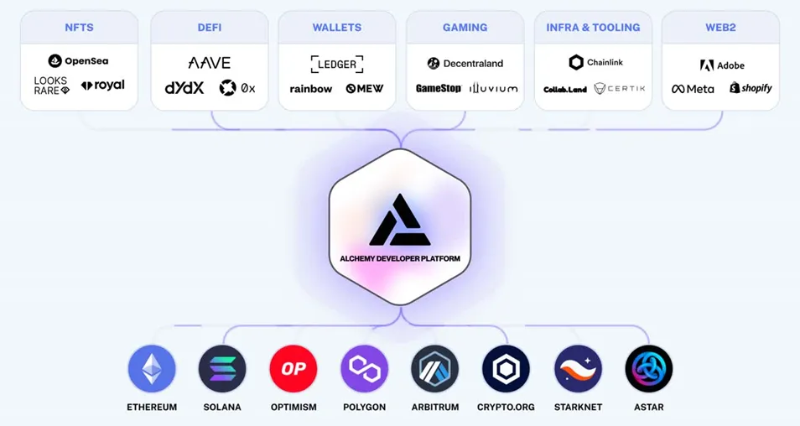
For example: Alchemy is a node provider for multiple blockchains, offering tools such as monitoring, analytics, alerts, debugging, and logging for crypto-related software.
5. Network Fee Collection
Some blockchain business models generate revenue by charging network fees for deploying certain dApps on the network.
Examples include Ethereum and NEO.
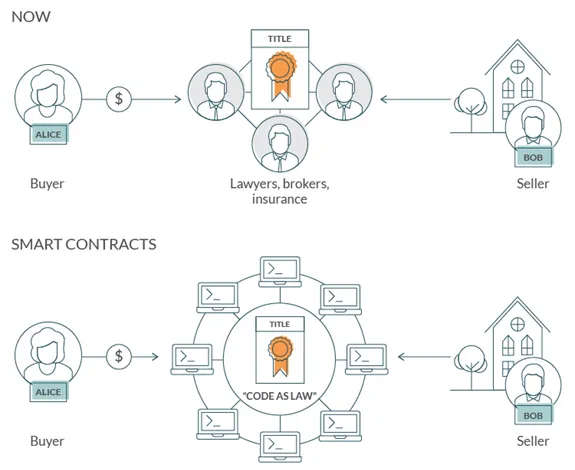
These network fees are charged to developers to get their dApps live on Ethereum and NEO.
Join TechFlow official community to stay tuned
Telegram:https://t.me/TechFlowDaily
X (Twitter):https://x.com/TechFlowPost
X (Twitter) EN:https://x.com/BlockFlow_News






