








A16Z, Web3 Founders Recommend | Essential Reading List for Getting Started with Web3
TechFlow Selected TechFlow Selected
A16Z, Web3 Founders Recommend | Essential Reading List for Getting Started with Web3
We've compiled a list of the year's best Web3 books—literary reads perfect for leisure time, covering science fiction, literature, philosophy, natural sciences, and more.
 Navigating Web3 tides with focused insights
Web3 may become the greatest opportunity of the next decade. Major tech companies such as Baidu, Google, and Microsoft are all investing heavily in Web3. How can individuals seize these opportunities? Navigating the crypto journey is full of challenges and uncertain outcomes—entering Web3 means embracing both opportunity and risk. Therefore, the ability to continuously embrace new ideas and acquire knowledge has become essential for this modern digital exploration.
Accessing knowledge requires reliable channels. Today, numerous social media platforms focused on crypto have emerged, flooding us with trending topics and fragmented information that often clouds our thinking. Learning programming languages can be guided through courses, but forming a personal understanding of Web3 has no shortcuts.

Writing books is a creative process, and Web3 is precisely a domain fueled by imagination—where countless explorers envision the future and work tirelessly toward it. The concept of the "metaverse" originated from science fiction writer Neal Stephenson’s seminal novel *Snow Crash* three decades ago. The virtual metaverse space depicted in that book is now being realized by developers using blockchain, AI, and other technologies.
Clearly, great books hold immense power in shaping our understanding of Web3. In its developer beginner's guide series, TinTinLand has explored industry salaries, essential skills, and development tools in the Web3 space. Interested developers can find more under "Previous Highlights" at the end of this article. This issue focuses on the annual reading list recommended by influential Web3 communities and entrepreneurs—perhaps you’ll discover your own unique crypto inspiration within these pages.
Beginner Level: Must-Read Web3 Recommendations
Below are foundational works highly relevant to getting started with Web3, helping you gain authoritative insights and build a solid understanding of the industry.
Understanding Web3.0 in One Book
This book offers an overview of various aspects of Web3, including explanations of cutting-edge concepts like blockchain, NFTs, and DAOs. The content is accessible and easy to understand, making it an ideal starting point for anyone entering Web3.

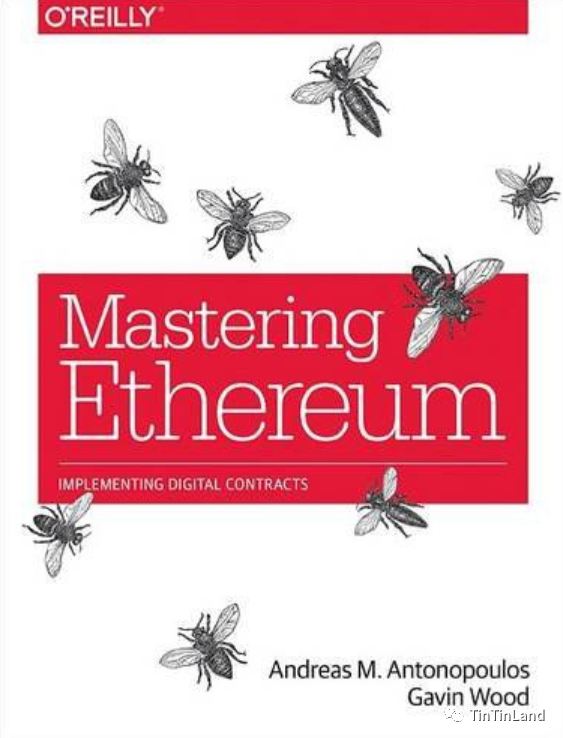
Mastering Ethereum
*Mastering Ethereum*, co-authored by bestselling author, speaker, and educator Andreas M. Antonopoulos and Ethereum co-founder, Polkadot creator Gavin Wood, provides readers with detailed insights into securely building smart contracts, decentralized applications (dApps), and decentralized autonomous organizations (DAOs) on Ethereum. Aimed at anyone familiar with coding, the early chapters offer an overview of the Ethereum network. It’s an excellent read for any developer looking to enter Web3.
Bubble or Revolution
*Bubble or Revolution*, written jointly by Neel Mehta, Aditya Agashe, and Parth Detroja—leaders from prominent tech companies such as Google, Microsoft, and Meta—offers a comprehensive analysis of blockchain and crypto assets. Using real-world case studies, it guides readers through core Web3 concepts, explores the economic complexities of blockchain, and features interviews with several industry leaders. The book aims to clarify common misconceptions about Web3 and distinguish hype from genuine technological potential.

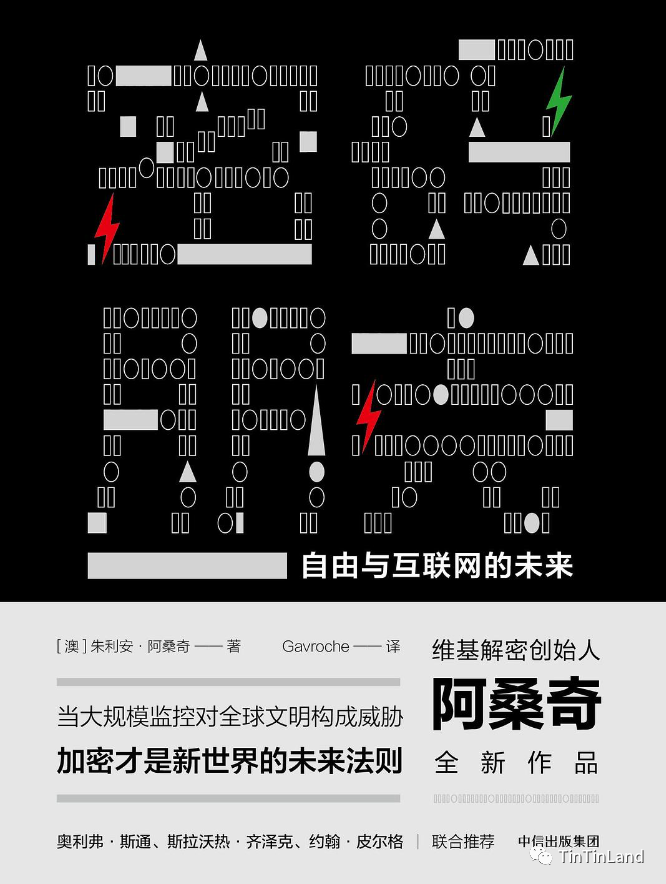
Cypherpunks
Julian Assange, Australian journalist and founder/editor-in-chief of WikiLeaks, has been a leading figure in the cypherpunk movement since the 1990s. This book compiles dialogues among thinkers and activists from the front lines of cyberspace. “Will the internet ultimately liberate us, or enslave everyone?” After reading this, you’ll better understand what decentralization—the core principle behind Web3—truly means.
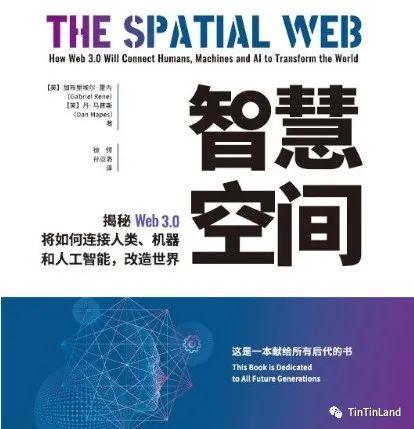
The Spatial Web
*The Spatial Web*, authored by technology expert, researcher, and entrepreneur Gabriel René and Dan Mapes, explores the intersection between science fiction and modern technology. In today’s digital era, where smart devices and autonomous protocols are becoming the norm, the book poses a key question: “How do fantasies become reality?” The authors examine the convergence of emerging technologies such as blockchain, virtual reality (VR), augmented reality (AR), and the Internet of Things (IoT).
The book further analyzes structural flaws in the current World Wide Web that limit its capacity for future growth. It also presents concrete proposals for applying this new network architecture to urban management, industrial design, warehouse logistics, advertising, and e-commerce. Additionally, it delves into the root causes of the challenges currently facing Web3.
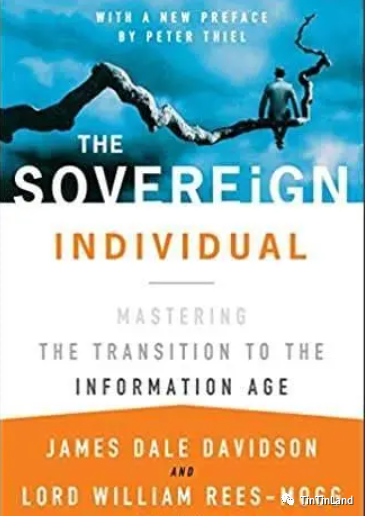
The Sovereign Individual
Co-authored by James Dale Davidson and Lord William Rees-Mogg, this book is sometimes regarded in the Web3 world as *Out of Control* is to Web2—an essential text often called “the Bible of crypto” and “a book that lets you see the future of the world.” It contains many specific, groundbreaking predictions about cryptocurrency, electronic warfare, smartphones, and the possibility of bots mimicking humans. Bitcoin, invented by Satoshi Nakamoto, aligns closely with the book’s vision—some believe Nakamoto may have drawn direct inspiration from it.
Advanced Level: A16Z's Recommended Annual Reading List
A16Z (Andreessen Horowitz) is a renowned venture capital firm that has invested in major traditional internet companies such as Facebook, Twitter, and Instagram. In recent years, A16Z has become known as the “leading star in the crypto space” due to its broad scope, significant investments, and long-term strategy in Web3. Among investment firms, A16Z stands out for its consistent media presence and thought leadership. Its recommended reading list reflects, to some extent, the intellectual preferences and perspectives of top investors.
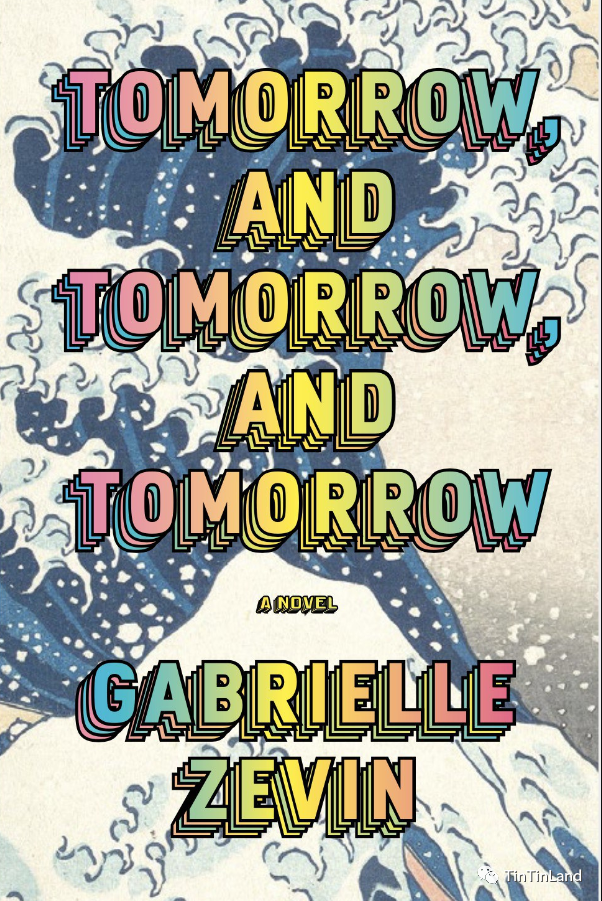
Tomorrow, and Tomorrow, and Tomorrow
Gabrielle Zevin’s novel *Tomorrow, and Tomorrow, and Tomorrow* has frequently appeared on A16Z’s recommended reading lists and won the 14th Goodreads Choice Award. It tells the story of two friends who become creative partners in the dazzling and complex world of video game design. Their success brings fame, joy, tragedy, and deception, but ultimately they find an intimacy in the digital world that eluded them in real life.
As someone who doesn’t play games, this book made me see gaming in a whole new light. Half romance, half startup story—it’s inspiring, sweet, and deeply engaging. (A16Z recommendation)
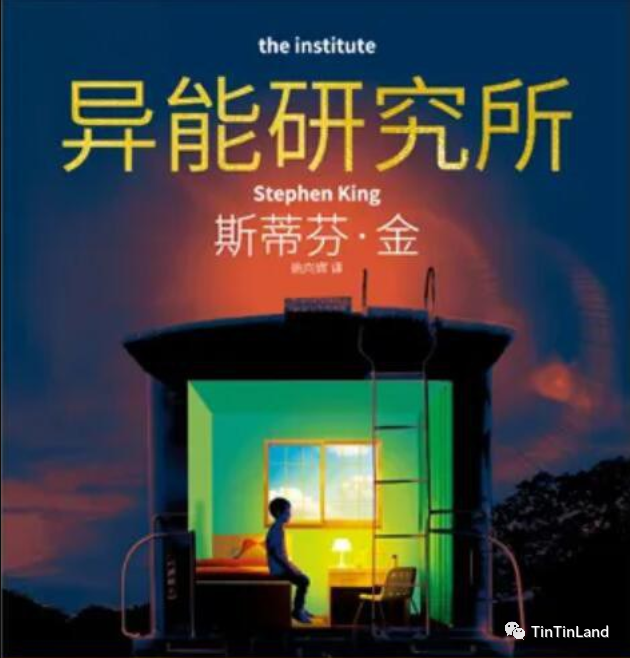
The Institute
*The Institute*, the latest novel by bestselling American author Stephen King—famous for works like *The Shawshank Redemption*—shifts perspective in another prison-break narrative. Centered on Luke, a 12-year-old genius with high intelligence, emotional depth, and supernatural abilities, the story follows his awakening of self-awareness, his decision to escape, and his journey of flight and rescue.
This might be my favorite book this year—a wonderful supernatural tale about a group of powerful and courageous kids. If you liked *Stranger Things*, you’ll love this. (A16Z recommendation)
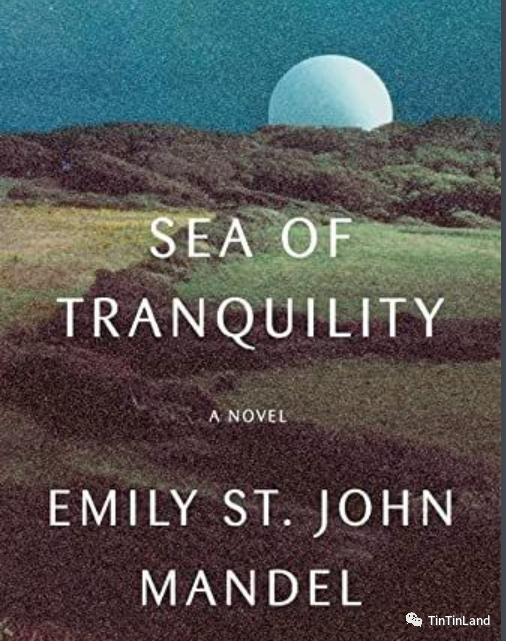
Sea of Tranquility
*Sea of Tranquility*, written by Canadian author Emily St. John Mandel, is a post-apocalyptic sci-fi novel that begins in 1912 on Vancouver Island and extends centuries forward to a colony on the dark side of the moon. It’s a story about time travel, the power of art, and pandemics—a human narrative spanning centuries and space.
This book kept me up all night! A mind-bending journey through time and space that makes you question the very structure of our world. (A16Z recommendation)
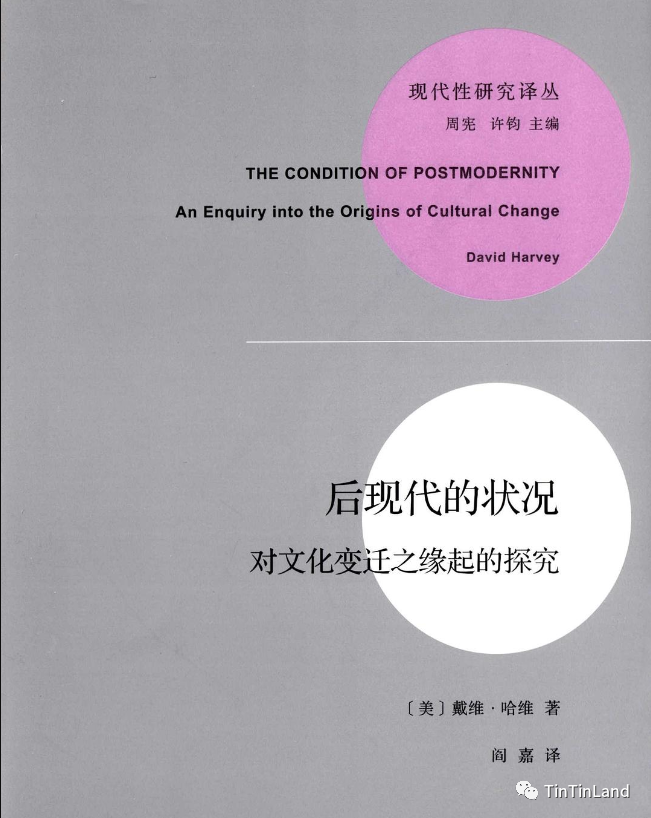
The Condition of Postmodernity
David Harvey, a leading figure in Western neo-Marxism, wrote *The Condition of Postmodernity: An Enquiry into the Origins of Cultural Change*. The book seeks to explain the shift from modernity to postmodernity in capitalist culture through transformations in late-stage capitalism’s economy.
Harvey argues that our experience of time and space has fundamentally changed—a phenomenon he calls “time-space compression”—resulting in a culturally fragmented society he describes as a “collage society.” He contends this is not the emergence of an entirely new society, but rather a transformation within capitalism’s mode of production and culture. As Marx put it, in this universe, “all that is solid melts into air.”
This epic work examines art, culture, economics, social history, and politics, tracing the rise of “postmodernism” from the 1920s to the 1980s. Harvey’s central thesis—that new technologies compress space and time while reshaping human experience—feels remarkably relevant to the crypto world. Despite being published in 1990, it remains profoundly insightful today. (A16Z recommendation)
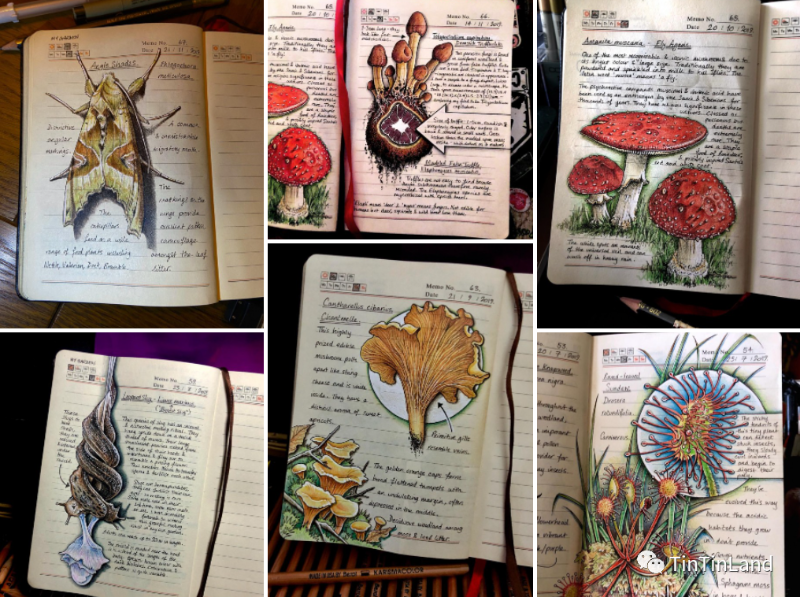
My Nature Journal
*My Nature Journal* (*Secrets of a Devon Wood: My Nature Journal*) by British illustrator Jo Brown, is a beautifully crafted record of flora, fauna, insects, and birds observed in nature. With meticulous observation and delicate brushwork, she documents her “nature journey,” pairing poetic prose with exquisite illustrations. She says, “Solitude gives value.” Those interested can click the link below to explore.
https://bernoid.com/nature-journal/
More than a book to read, it’s one to absorb visually—it’s an artist’s diary, a stunningly illustrated modern naturalist journal capturing close-up observations from her backyard… For me, it evokes the early pandemic years when many of us were confined locally, walking familiar paths but seeing the world anew through heightened awareness. (A16Z recommendation)
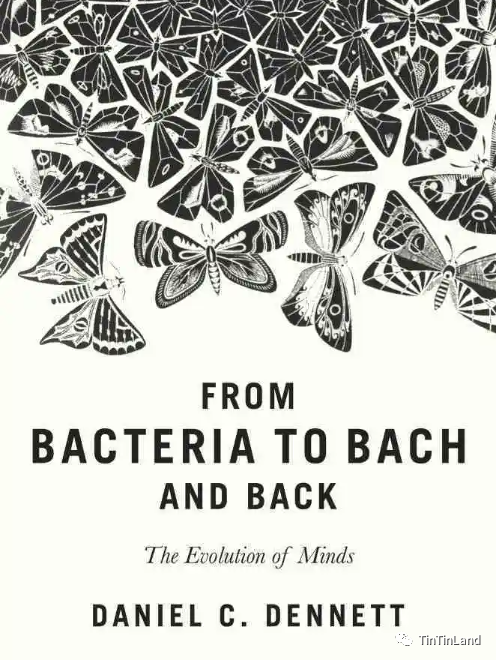
From Bacteria to Bach and Back: The Evolution of Minds
Philosopher Daniel Dennett’s latest magnum opus, *From Bacteria to Bach and Back*, explores the nature of consciousness. Though lengthy, the book argues that for humans, slow biological evolution has been overtaken by rapid cultural evolution, accelerated by natural selection acting on memes—the units of cultural transmission. Memes reside in minds, replicate like viruses, and infect others. Natural selection eliminates weak memes while promoting strong ones, dramatically accelerating cultural change.
Dennett weaves a coherent narrative of intelligent life—from atoms to consciousness and beyond. He seamlessly connects biology, information theory, and cognitive science through powerful mental models that have transformed how I see the world. (A16Z recommendation)
In addition, the A16Z team recommends classic literary works such as Shakespeare’s *Hamlet* and Flaubert’s *Madame Bovary*. Due to space constraints, we won’t cover them here. Interested readers can click the link below for more recommendations.
https://a16zcrypto.com/some-books-were-reading-and-games-were-playing-this-winter/
(Book information in this article is sourced from third parties. This content is for reference only and should not be construed as legal, business, or investment advice.)
Great books transform your thinking
In today’s information-rich digital age, we’re constantly flooded with online content, making it easy to neglect reading books. For some, reading offers a rare chance to step away from busy schedules—a quiet, analog pleasure. When was the last time you sat down and read a good book?
This article has compiled a list of outstanding Web3-related books released this year—literary works covering science fiction, literature, philosophy, and natural sciences. It’s clear that great works transcend time and space: We see century-old philosophical and literary texts still illuminating our present, while new writings inspired by recent advances in blockchain technology display ever-richer imaginations and deeper reflections on technology and humanity. We hope these books offer inspiration to those entering or building Web3.
Join TechFlow official community to stay tuned
Telegram:https://t.me/TechFlowDaily
X (Twitter):https://x.com/TechFlowPost
X (Twitter) EN:https://x.com/BlockFlow_News
 @OurTinTinLand






