








Ethereum Shanghai Upgrade is approaching—how to scientifically maximize ETH staking returns?
TechFlow Selected TechFlow Selected
Ethereum Shanghai Upgrade is approaching—how to scientifically maximize ETH staking returns?
With the Shanghai upgrade approaching, the liquid staking sector is heating up.
 Navigating Web3 tides with focused insights
Author: CapitalismLab
With the Shanghai upgrade approaching, liquid staking is heating up. The activation of unstaking post-upgrade will significantly reduce the de-peg risk and volatility for assets like stETH, making participation more accessible to a broader range of users.
This article provides a detailed comparison of the pros and cons of various liquid staking solutions, helping you find the optimal ETH staking yield strategy.
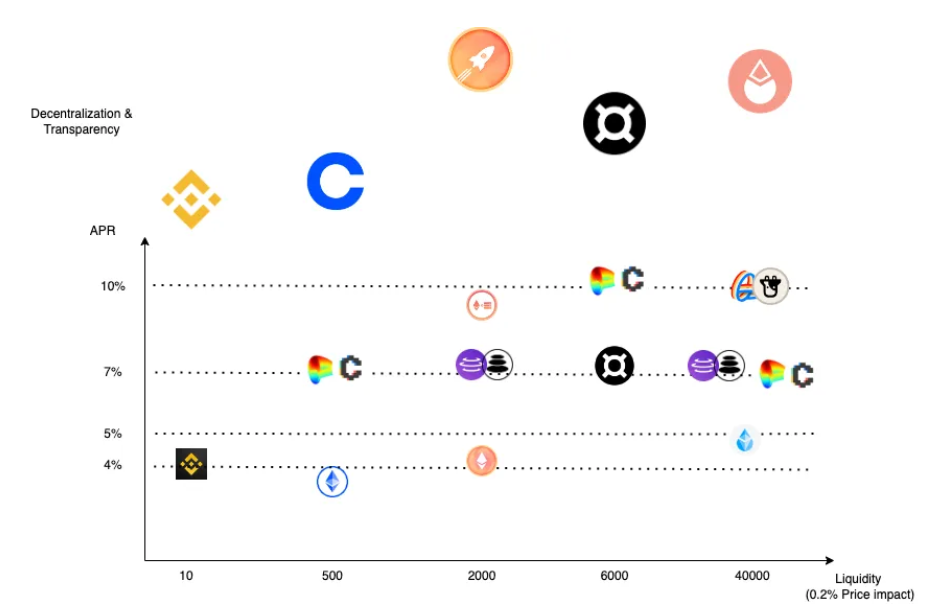
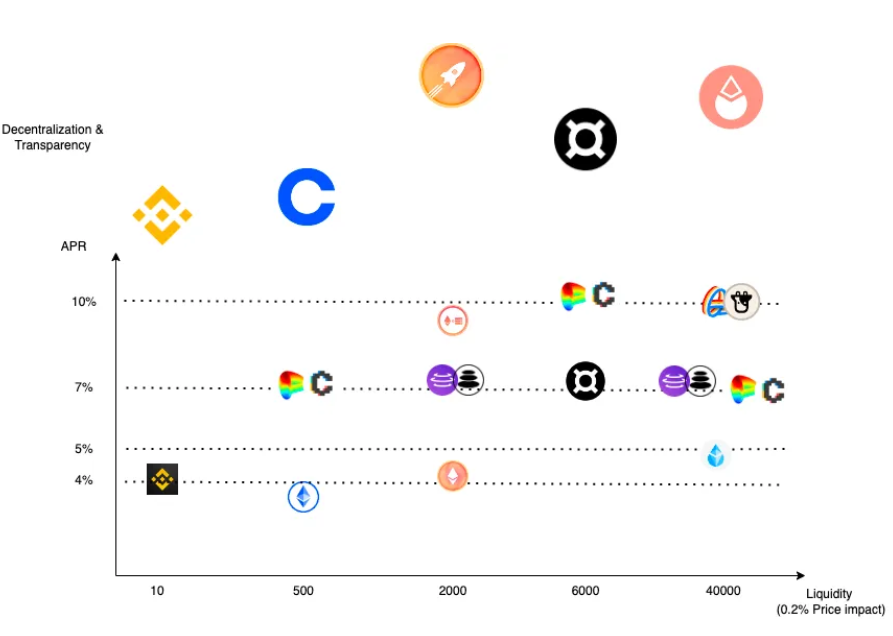
As shown in the figure above, overall:
Yields are similar across platforms: pure staking yields ~4%-5%, AMM-based strategies yield ~7%, with Frax currently enjoying early-mover advantages;
Liquidity varies dramatically: For a 0.2% slippage (about half a month’s pure staking return), stETH can sell 40,000 units, while bETH can only sell 10;
Decentralization and transparency are clearly superior in DeFi compared to CeFi.
Additionally, besides staking rewards, price discounts (premiums) are another key factor affecting net yield, which requires close monitoring.
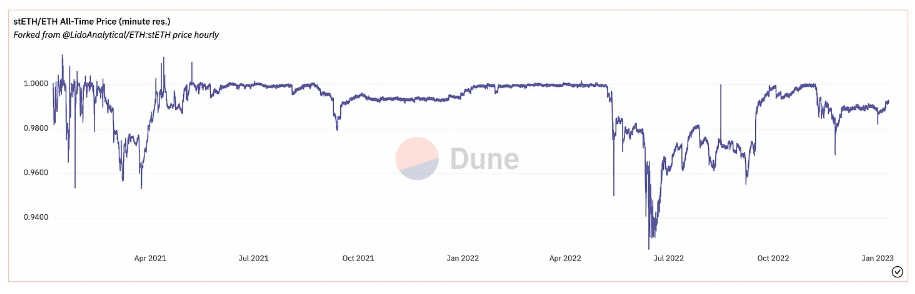
Lido
Excellent liquidity and diverse use cases make Lido the most universally suitable option—especially ideal for large capital holders.
Thanks to wstETH being bridged to Optimism and Arbitrum, gas fees are significantly reduced, making it user-friendly even for small investors or beginners.
Currently, stETH trades at a ~1% discount; purchasing via 1inch.io is recommended (also applicable on L2). As mentioned, beginners are advised to start experimenting on L2 networks.
Underlying node operators for stETH are approved through a DAO process—fully transparent but permissioned—leaving room for improved decentralization. The protocol takes a 10% fee to cover node operator costs and treasury funding, which is relatively low.
For more information on Lido, refer to this article, or join the Lido Chinese community for discussions.
wstETH in the Arbitrum Ecosystem
Lower gas fees, higher yields.
AMM:
Balancer: https://arbitrum.balancer.fi
Kyberswap: https://kyberswap.com/pools
Curve (To Launch): https://arbitrum.curve.fi
Lending:
Radiant (To Launch): https://radiant.capital
Options:
Premia: https://premia.finance
Dopex (To Launch): https://app.dopex.io/ssov
Perpetuals:
Mycelium (To Launch): https://mycelium.xyz
Rocket Pool
Known for its “permissionless” model—anyone can become a node operator. Users can run a node with just 16 ETH, while the other 16 ETH comes from non-operator participants.
rETH suits those with access to low-cost server resources, offering up to 9% returns due to RPL token incentives and shared commission revenue.
For non-node operators, the protocol charges a 15% fee, offering no clear advantage in yield or liquidity, though it scores slightly better in decentralization.
Frax
Launched at the end of 2022, Frax is still in its early growth phase, offering high current yields: sfrxETH exceeds 7% APY on Angle Protocol (ARP), and providing liquidity on Convex/Curve surpasses 10%.
However, frxETH has almost no discount, meaning investors miss out on gains from narrowing premium.
The protocol charges a 10% fee but currently pays nothing to node operators—likely self-operated—making it somewhat more centralized than Lido or Rocket Pool.
Overall, best suited for users familiar with the Frax/Curve ecosystem or experienced DeFi participants.
Design Logic Behind frxETH
frxETH = stETH without staking rewards
sfrxETH = wstETH + staking rewards from frxETH portion
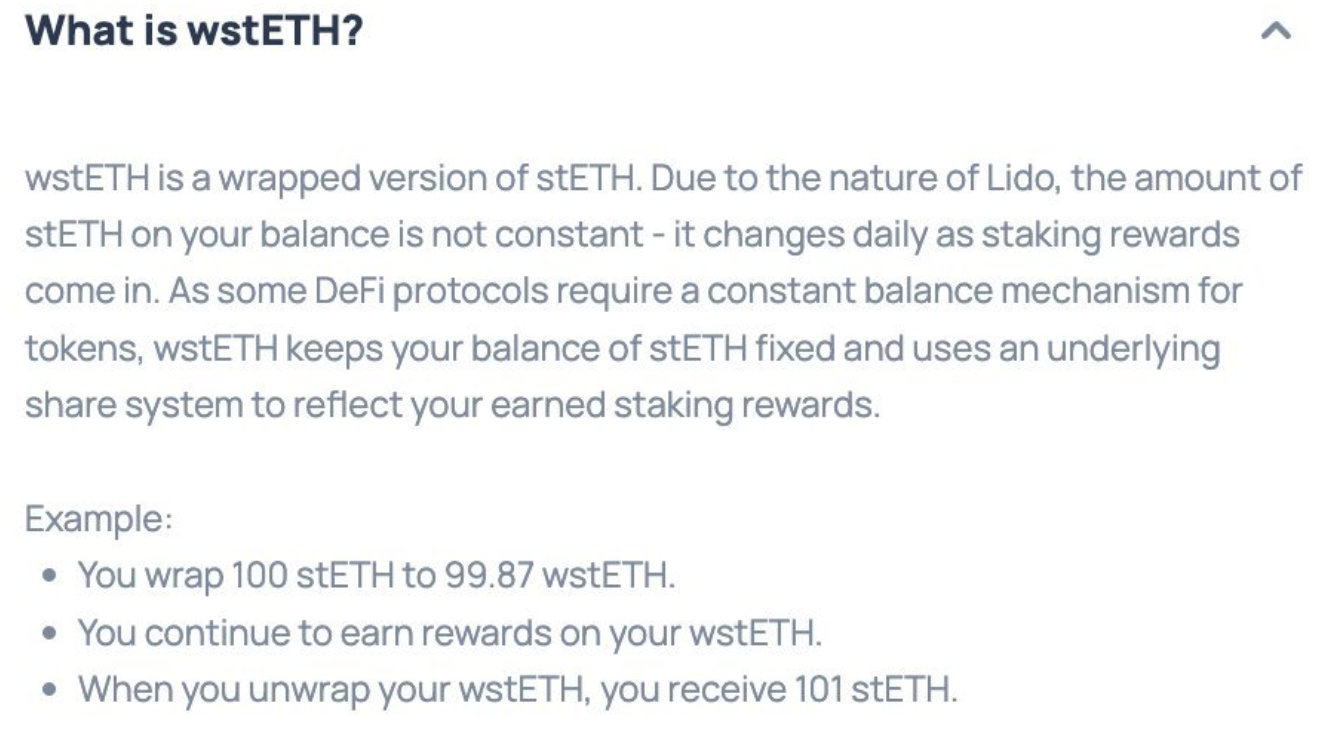
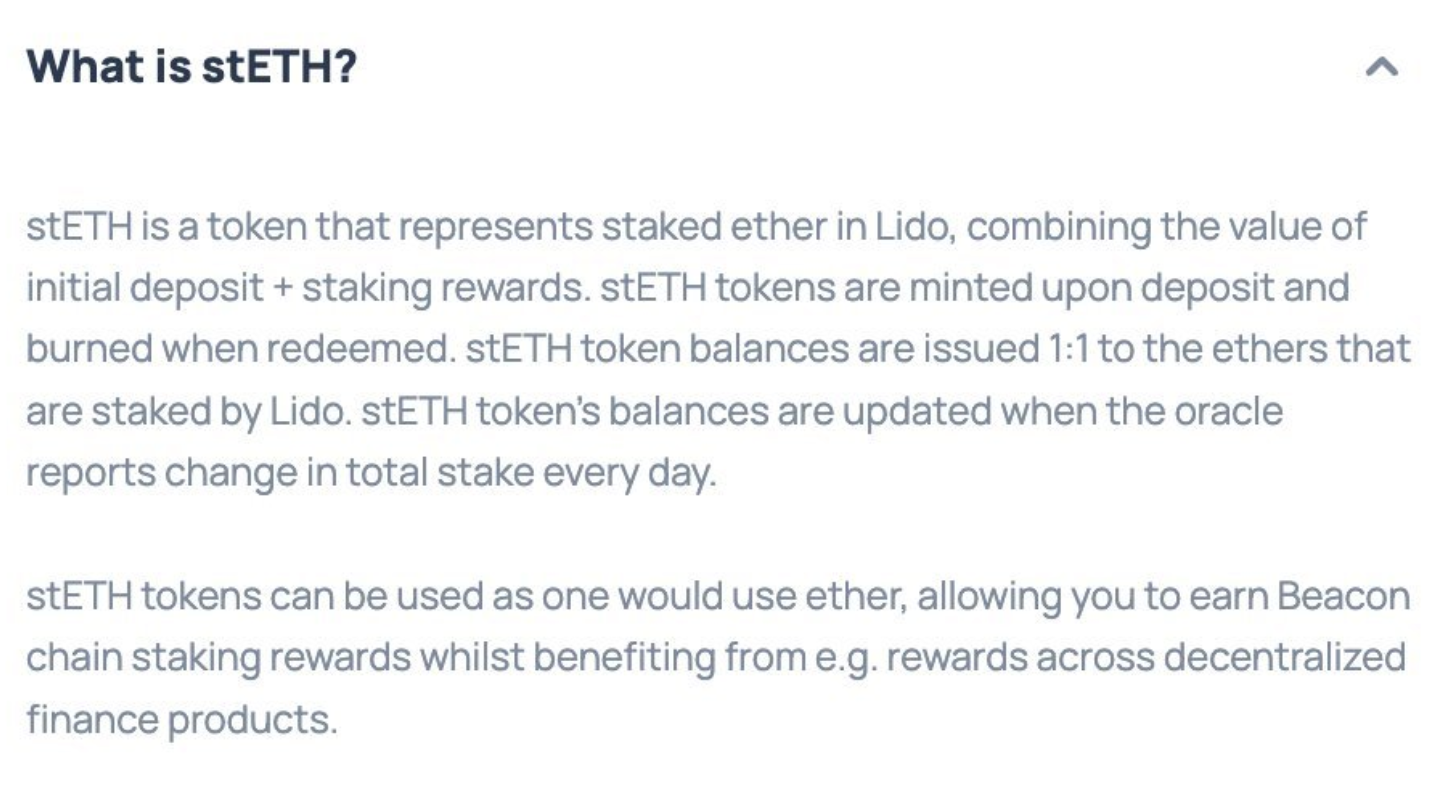
The design of frxETH is innovative. When you deposit stETH into Frax, you receive an equal amount of frxETH—similar to how 1 ETH equals 1 WETH.
To earn staking rewards, you must stake frxETH into sfrxETH. If only half of all frxETH is staked, then sfrxETH holders earn double the base yield.
Looking at Convex, you'll notice that the base vAPR for stETH-ETH pools is much higher than for frxETH-ETH pools. Why?
Because LPs in stETH pools also earn staking rewards, allowing Lido to distribute fewer LDO tokens to achieve target APRs and liquidity levels.
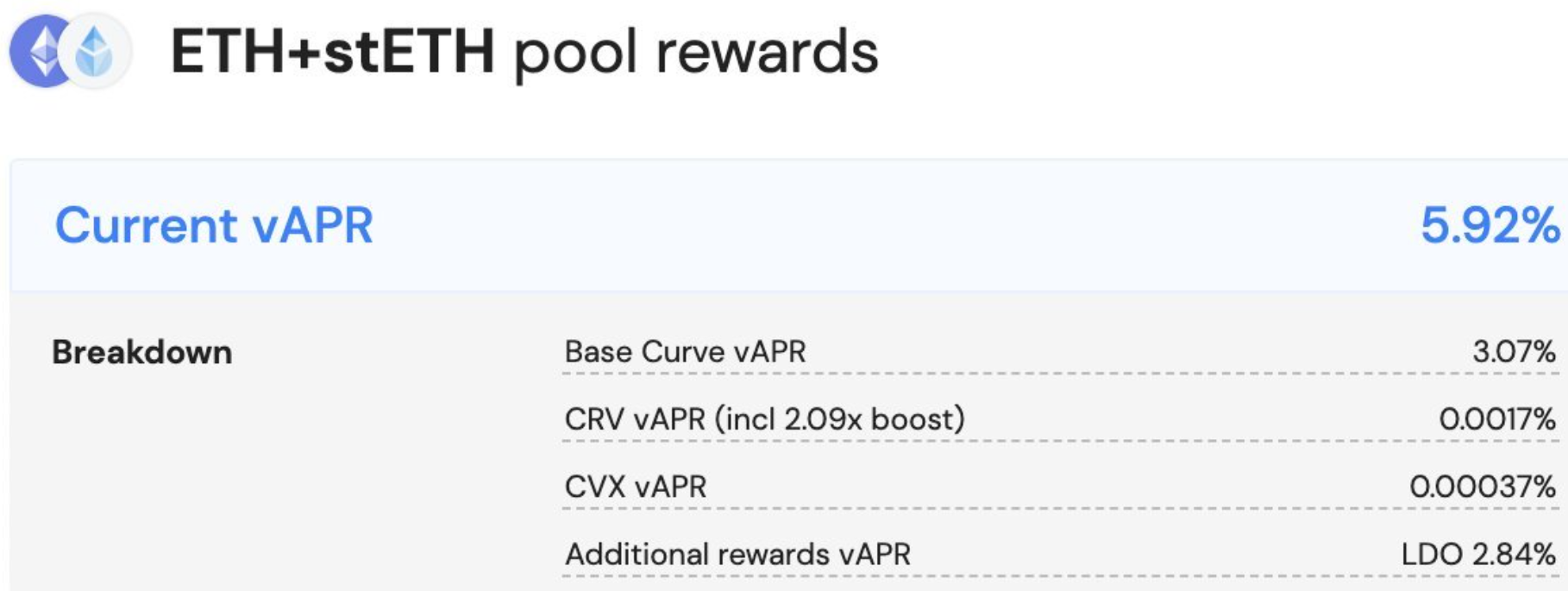
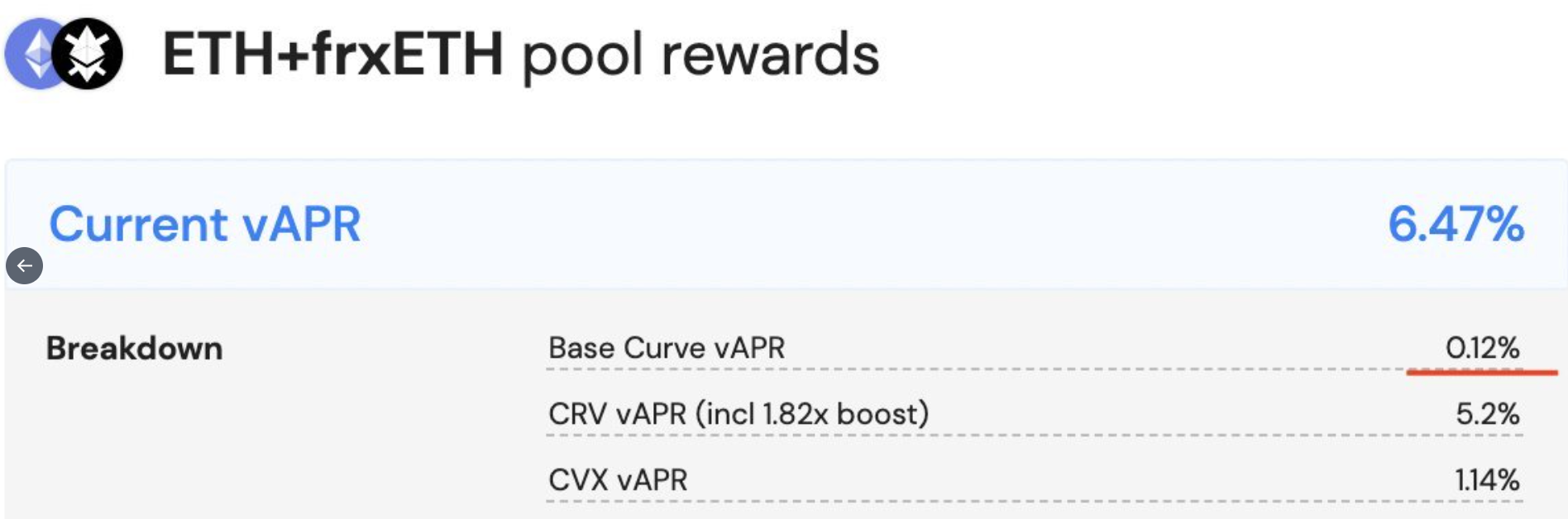
Frax holds substantial CVX, which it can use to bribe CRV rewards. As algorithmic stablecoin narratives fade, Frax may repurpose CVX for new incentives. By replacing staking rewards with CRV emissions in Curve, this could explain why frxETH was designed to require active staking to earn rewards.
Coinbase
Originating from Coinbase's ETH2.0 service, it charges a 25% fee.
Performance is average across the board—possibly suitable only for institutions requiring U.S. compliance?
Offers some alpha during periods of significant discount; worth monitoring.
Binance
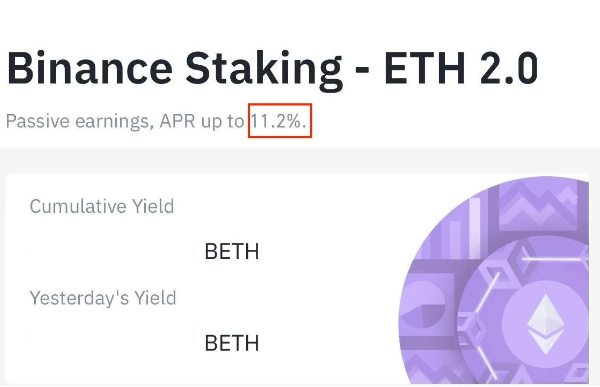
Deposit ETH into Binance’s ETH2.0 staking service to receive bETH, currently trading at ~3% discount on secondary markets.
Binance lacks transparency regarding fees and underlying node operators. Their interface uses misleading language—personal testing shows actual returns around 4%, suggesting ~20% commission. There's a notable chance they delegate to questionable nodes, including Ankr, a company they've invested in and which has prior history of mismanagement.
Liquidity is extremely poor—only 10 bETH can be sold at 0.2% slippage. Few DeFi integrations exist. Only makes sense when bought at deep discounts. Crucially, never deposit directly—buy bETH on the open market instead.
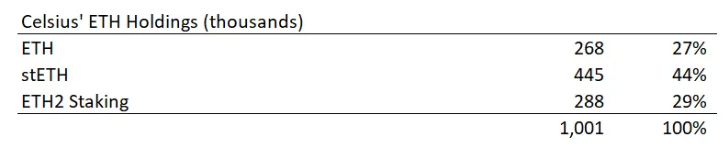
Moreover, most ETH deposited into CeFi platforms is already involved in staking or liquid staking behind the scenes—including Celsius, which took ETH deposits and recklessly managed them (prone to collapse due to liquidity issues),
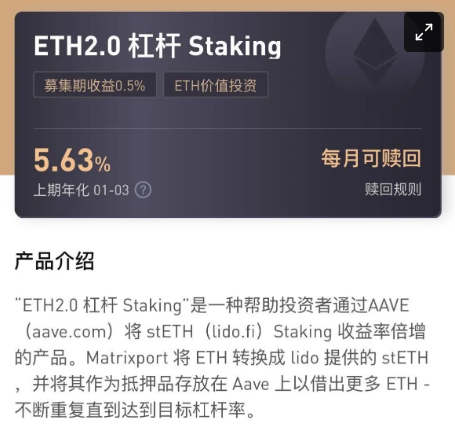
as well as Matrixport, which offers more transparent products. In short, unless you're doing it yourself, your funds are likely being staked—either openly or covertly—when held at centralized institutions.
Summary
Yield (fees), liquidity, discount/premium, and risk are the four key factors in choosing a liquid staking solution. By carefully comparing these aspects across platforms, you can identify the best fit for your needs.
Join TechFlow official community to stay tuned
Telegram:https://t.me/TechFlowDaily
X (Twitter):https://x.com/TechFlowPost
X (Twitter) EN:https://x.com/BlockFlow_News
 CapitalismLab






