








Blockchain Empowers Environmental Protection: How to Address Its Own Limitations?
TechFlow Selected TechFlow Selected
Blockchain Empowers Environmental Protection: How to Address Its Own Limitations?
A decentralized world should not come at the cost of energy consumption and environmental damage, resulting in sustainability far lower than current levels. We can understand why blockchain needs to be environmentally friendly by examining the industry's overall goals and target audience.
 Navigating Web3 tides with focused insights
Sustainability is increasingly becoming a core standard for the future of the blockchain industry. One way to analyze the energy efficiency of a specific blockchain is by examining how it creates and maintains blocks—how users on the blockchain agree on recording and verifying the information contained within each block of the distributed database. In other words, how consensus is achieved.
Most of the most popular cryptocurrencies are generated through mining based on Proof-of-Work (PoW), displaying characteristics that run counter to sustainability and green development standards. The energy consumption involved—often likened to digging pits—requires massive amounts of electricity. This raises an important question for the blockchain industry and developers: Do disproportionately high energy consumption and associated greenhouse gas emissions contradict the original vision of building decentralized systems aimed at creating a fairer, more accessible world?
When pioneering innovators dreamed of creating a decentralized system that is fairer, more accessible, and more sustainable than traditional centralized systems, they must first address the environmental issues brought about by blockchain technology. They need to clearly understand how the current industry can improve and how blockchain technology can overcome its own environmental limitations while empowering other areas of environmental protection.
Why Blockchain Needs to Be Green
As previously mentioned, a decentralized world should not come at the cost of excessive energy consumption or environmental damage, resulting in significantly lower sustainability than current levels. Looking at the industry’s overall goals and target audience, we can better understand why blockchain must be environmentally friendly.
The blockchain industry needs a clear goal
Projects and protocols operating within the crypto space need to establish a shared objective—one that transcends individual sectors and becomes a universal benchmark across industries: putting investment in the planet first. The concept of proactive environmental engagement has far-reaching impacts beyond what individuals, single projects, or isolated industries can achieve. Some refer to this as Regenerative Finance (ReFi). Developing inclusive, transparent, and sustainable solutions on blockchain will enhance their investability due to their eco-friendly and sustainable aims. For example, supporting and investing in a blockchain in the future could signify a user's support for a climate solution, meaningfully shifting investment trends and increasing long-term value.
The blockchain industry needs to understand its audience
With its decentralized nature and identity as part of the new internet era, blockchain has already identified and cultivated a core niche market—94% of Gen Z and younger millennials. Notably, surveys show that many members of Gen Z and millennials are the most climate-conscious generation to date. As blockchain technology carries environmental implications, some choose not to engage with it. Ignoring sustainability risks alienating blockchain’s very own core demographic.

Moreover, for this technology to gain broader adoption, investment, and mainstream acceptance, it must appeal to a wider audience. Research indicates that younger investors are more likely to take higher risks—such as investing in highly volatile crypto assets. However, such risk profiles do not attract those saving for family needs or retirement; thus, many middle-aged and older consumers remain uninterested. By demonstrating its sustainability and real-world applications in environmental protection, blockchain can gradually expand its market appeal and reach a much broader audience.
Sustainable solutions for blockchain
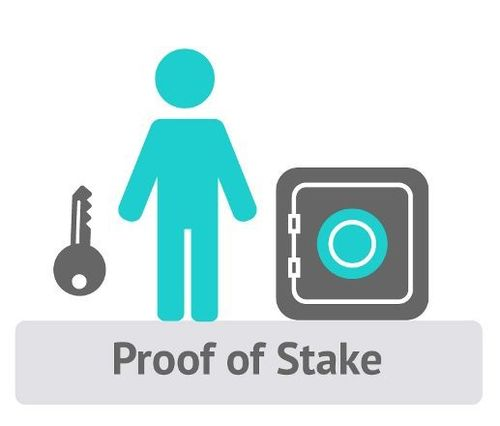
There are already blockchains exploring new mechanisms to reduce carbon footprints and improve sustainability. Many of these approaches can also be applied to existing, more polluting mining practices, helping legacy blockchains find pathways toward greater sustainability. Ethereum is a prime example, having reduced its energy consumption by 99.5% through upgrading to a Proof-of-Stake (PoS) consensus mechanism. While integrating sustainability into blockchain presents challenges in balancing decentralization, security, and scalability, developers still have several directions they can focus on and improve:
Transition to renewable energy
The carbon emissions data from the crypto industry is already evident, but another critical issue lies in the renewability of the underlying energy sources. In 2021, less than 40% of Bitcoin validated via Proof-of-Work was mined using renewable energy. Therefore, transitioning to renewable energy can significantly alleviate excessive energy consumption.
Shift in consensus mechanisms
Ethereum’s upgrade and full transition to the Proof-of-Stake (PoS) consensus mechanism exemplifies this shift. The PoS model eliminates the competitive computational aspect of Proof-of-Work, allowing each node to validate transactions more efficiently and optimize energy consumption.
Introduction of carbon credits
Introducing carbon credits for blockchain enterprises—especially mining companies and institutions—could lead them to purchase carbon credits from other firms, helping offset global emissions, or incentivize switching to greener energy sources so they can sell their own carbon credits.
Environmental Use Cases of Blockchain
Developers who recognize that excessive energy consumption harms both the environment and the blockchain industry itself—and limits market reach and growth potential—can turn things around. After improving and optimizing current limitations, they can explore how blockchain technology can empower the environmental sector. We’ve surveyed common and highly promising environmental use cases of blockchain both domestically and internationally, along with representative projects, compiling the following summary to help developers innovate further under the goal of sustainability and meet ecological demands.
Recycling
Existing recycling policies often lack incentives for participation, and their effectiveness is difficult to measure and compare. Different regions face various waste-related challenges. For instance, urban plastic collection and recycling rates may be relatively high, while agricultural plastics like mulch films require urgent attention. Blockchain-based recycling programs can economically incentivize public participation, boosting motivation—for example, rewarding individuals with digital assets for depositing plastic containers or aluminum cans. Similar initiatives are already being implemented in certain parts of the world, particularly thriving in Nordic countries.
-
Plastic Bank’s Social Plastic initiative processes recycled ocean-bound plastic materials, reprocessing and reintroducing them into global supply chains, demonstrating positive environmental, social, and economic impacts. By setting up recycling centers in partnership with developing nations, plastic is turned into currency. People receive monetary rewards when they deposit used plastic items, which can be exchanged for services like phone charging or essential goods like gas. They are now developing another blockchain-powered mobile app that allows users to exchange plastic for income.
Other similar efforts include the DApp RecycleToCoin currently under development.
Energy Distribution
Regarding energy distribution and supply-demand balance, the blockchain industry has proposed peer-to-peer (P2P) energy systems built on blockchain technology, reducing the need for long-distance transmission and thereby lowering power loss. It also enables surplus electricity from one area to be redirected to nearby regions in need, minimizing storage requirements. Additionally, building power plants typically requires massive funding, usually backed by governments or large private corporations. A blockchain platform encourages more institutions, companies, and citizens to profit by investing in renewable energy installations locally.
-
Voltreum, from India, proposes a P2P energy trading system built on blockchain technology. The platform allows consumers, producers, and other stakeholders to exchange energy directly using smart contracts. Leveraging blockchain’s distributed power generation, Voltreum utilizes localized distribution networks and microgrids. The Voltreum platform could enable communities to securely, efficiently, and affordably power their homes and small businesses.

Environmental treaties and policies
Just like the difficulty in enforcing and measuring the actual impact of environmental policies, environmental treaties face similar challenges: their real-world effectiveness is extremely hard to quantify. With blockchain, monitoring and recording corporate compliance with environmental agreements becomes feasible. Thanks to decentralized, public, and immutable records, society at large can oversee corporate behavior within treaty-specified scopes. Companies, in turn, will be more proactive and self-motivated to comply due to commercial reputation and user recognition. While there are no major implemented projects yet, this area presents an opportunity worth exploring for engineers seeking inspiration and innovation.
Looking ahead, effective enforcement of genuine environmental regulations could incorporate appropriate reward and penalty systems, encouraging continuous and active environmental protection. Examples include credit scoring and monetizing eco-friendly behaviors. Such incentives could fundamentally transform economic drivers—not just benefiting us, but also ensuring a better future for the next generation.

Beyond the use cases listed above, numerous fields face real problems and pain points that can be addressed through integration with blockchain technology. For example, in charitable and environmental work operated by NGOs and nonprofit organizations, using blockchain for fundraising ensures proper sourcing and utilization of funds. Blockchain also benefits countries lacking robust banking systems by eliminating intermediaries and complex procedures, delivering aid directly to those in need. BitGive and Bithope are typical examples of charities leveraging cryptocurrency.
Other areas such as food supply chain logistics, carbon credit management, and environmental taxation can also fully leverage blockchain’s potential to promote sustainability.
Conclusion
Blockchain technology has shown great promise across finance, investment, sports, gaming, and social sectors. When developers consider areas of interest or untapped potential, they can shift focus from consumer-driven demands in lifestyle and entertainment to larger structural needs centered on sustainability. This demand is not easily swayed by individual or small groups of users but offers more stable and enduring value.
Confronting the environmental and energy challenges currently facing the blockchain industry, driving its sustainable development, and expanding its applications across diverse domains may allow developers to stand out amidst the tides of change, achieving lasting growth and impact.
Join TechFlow official community to stay tuned
Telegram:https://t.me/TechFlowDaily
X (Twitter):https://x.com/TechFlowPost
X (Twitter) EN:https://x.com/BlockFlow_News
 @OurTinTinLand






