AC New Article: The Pitfalls I've Encountered—You'd Better Avoid Them
TechFlow Selected TechFlow Selected
AC New Article: The Pitfalls I've Encountered—You'd Better Avoid Them
Don't seek attention; the crypto industry likes to kill the "main character."
 Navigating Web3 tides with focused insights
Author: Andre Cronje
Translation: Katie Gu, Odaily
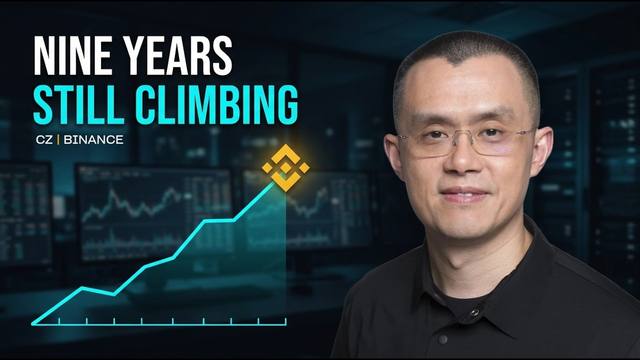
Recently, Andre Cronje, founder of Yearn.finance, hinted at a potential return by posting images on his social media. Additionally, Andre updated his LinkedIn profile to show that he started working at Fantom Foundation in November 2022 as Vice President of Memes. After a long silence, AC has spoken up, summarizing many past lessons (and even used a photo of CZ as the cover image). Is he offering some industry advice for Binance and FTX?
The Mistakes I've Made
Fantom——Tokenomics. The team didn’t have enough funds of their own. The “top 10” projects all had highly centralized and controlled token economies. Investors (especially retail), plan accordingly.
Yearn——Rather than thinking of myself as a founder, I feel more like someone who planted a seed and nurtured a capable community to take over.
Eminence——Never test during production. Testing works early on, but fails when the product is fully launched. Previously, I used the same testing methods when taking projects from 0 to 1.
Keep3r——Manage expectations. From day one, I knew Keep3r would never reach the scale Fantom aspired to. It was meant to be a small, accessible, decentralized DevOps platform. It succeeded in that, but people expected another Yearn or another breakthrough like Keep3r. People were happy with the product outcome, yet disappointed by the expectations and pressure placed on its tokenomics.
Fixedforex——It performed well initially, maintained strong principles, but launched in the same cycle as USDN and UST. Ultimately, it failed trying to replicate competitors’ success. The current team is still attempting recovery.
Solidly——Its AMM is great. I remain very pleased and proud of its design. But decentralization failed—decentralization and complexity cannot coexist. Every successful fork from Solidly’s codebase has, to some extent, centralized user participation. Simplicity allows decentralization, but complexity does not. Participants are irrational; their behavior doesn’t align with the ecosystem’s best interests. Without built-in penalty mechanisms, chaos ensues.
Don't Fall Into Others' Narratives
At one point, wallets associated with the Fantom Foundation were worth over 1.5 billion euros. Then rumors spread that, due to my connection with these wallets, I had exited crypto with a $1 billion profit. This was false, but because I didn’t publicly refute these claims on Twitter, people assumed they were true. I posted a meme about the metaverse, and suddenly everyone assumed I should build a metaverse on Fantom.
Social media often amplifies narratives, so the most absurd stories become accepted as truth—unless you’re ready to violently and aggressively defend yourself against anyone.
Be cautious of those who violently and aggressively attack anyone who challenges their lies. I wanted to block this narrative, but the problem is, blocking them becomes a narrative too.
Don’t deify people or projects. Accept criticism and discuss flaws—that’s the only path to growth.
Don’t assume what works on a small scale will work at scale.
Every time we tried to follow another team’s narrative or compete by their rules, we failed. What truly worked was focusing on perfecting the product.
When I spent 20 hours a day building the Fantom consensus, or 20 hours a day refining Yearn strategies, I never thought about the end result—I simply enjoyed the process. Once Fantom and Yearn reached a certain stage, I became more focused on outcomes than the process. If you fixate on results, it creates anxiety, leads to mistakes, and robs you of the joy in the journey.
Feedback Loops
Be careful with feedback from others.
After Solidly, I received feedback that my reputation was completely ruined, and the best thing I could do was distance myself from anything I’m involved in.
Analyze your feedback carefully. Try to identify the most objective input. Avoid classic “survivorship bias.”
Lessons I’ve Learned
Stick to your own pace.
Don’t seek attention. The crypto industry loves to kill the “main character.”
Enjoy the process, not the outcome.
Avoid overly subjective feedback loops.
Don’t fall into your competitor’s narrative. If you believe something won’t work, but see it succeed for a competitor, let it go.
Don’t assume you’re wrong just because their design currently works.
Return to basics. Maintain a long-term mindset of refinement and keep challenging yourself in your work.
We applied all of the above at Fantom. We tried several times to copy the narratives of competing L1s, and every time we failed.
I’ve always loved a quote from someone I consider the greatest DeFi founder. When discussing most of the narratives from the past four years, he told me: “It works, until it doesn’t.”
There are no shortcuts. No overnight successes.
Join TechFlow official community to stay tuned
Telegram:https://t.me/TechFlowDaily
X (Twitter):https://x.com/TechFlowPost
X (Twitter) EN:https://x.com/BlockFlow_News