








What obstacles need to be overcome in the tokenization process?
TechFlow Selected TechFlow Selected
What obstacles need to be overcome in the tokenization process?
In a world where digital tokens are widely adopted, our daily work processes have become smoother.
 Navigating Web3 tides with focused insights
Author: WEIWU ZHANG, Smart Token Labs
In a world where digital tokens are widely adopted, our daily routines become much smoother.
What if, from traveling to shopping, you could access and purchase everything you need using just one digital "pass"? This is the best example of universal token usage—tokens open up an entirely new user experience for both businesses and individuals.
As discrete pieces of code, tokens represent a digital asset or right that can be transferred between different parties. Blockchain-based tokens accelerate the revolutionary potential across the globe, giving every builder in this transformation real access to and integration within free markets.
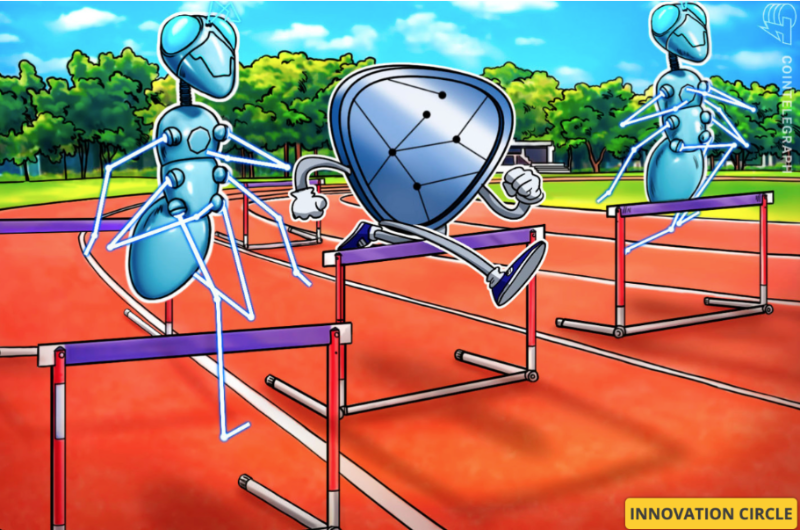
However, if we want to see these digital tokens gradually become mainstream and widely used, we must currently address the challenges inherent in tokenization: users' reliance on centralized systems, lack of infrastructure supporting tokens, and the high level of trust required from users to adopt them.
So, what exactly are these barriers to mass-adoption tokens, and why do they matter?
User Dependence on Centralized Systems
One of the biggest obstacles to token adoption is users’ dependence on mainstream centralized platforms. Given current levels of dependency, innovation and change are difficult to achieve. But for tokens to go mainstream, the primary goal is integrating them with existing internet infrastructure developed by these dominant systems.
Easier said than done.
To achieve widespread token adoption, tokens need to integrate with major online players. At the same time, for most key participants to integrate with tokens, tokens themselves must already be widely accepted and used.
Centralized entities are not known for being open or transparent. Their decision-making processes are often opaque—they don’t share data or algorithms publicly—making it hard for people to understand how they operate. This not only preserves power within the system and maintains user dependency but also creates entry barriers for tokens.
As we evolve into a more decentralized ecosystem fully utilizing smart tokens, people will begin to experience what sovereignty and true ownership really mean. When a token delivers genuine value independently of centralized control, users will naturally reduce their reliance on those systems. Only a few consistent, successful real-world token applications are needed to build this trust.
We Need More Interfaces Supporting Token Structures
For tokens to gain broad usage, we need new, independent interfaces capable of running the necessary code to support token structures. Currently, there’s no standard interface for interacting with tokens, making it difficult for many businesses and individuals to use tokens in everyday life.
These interfaces must be built in a decentralized manner, meaning they cannot be provided solely by a single website or another centralized entity. To address this, several programmable interfaces have already been designed, enabling tokens to work across different websites and making it easier for businesses and individuals to incorporate tokens into daily activities.
One of the most exciting examples we’ve seen is vehicle tokenization. Automakers are reimagining cars as intelligent digital tokens on the blockchain, enabling peer-to-peer sharing, service history tracking, and partial ownership rights via car tokens.
Imagine being a holder of a car token—you’d have full visibility into the vehicle’s current status and could use your digital token like a key to lock and unlock the car, start the engine, and drive away.
This changes the game.
And as more token-supporting interfaces emerge, tokens will be able to impact people’s lives more broadly, unlocking innovation and creating greater opportunities.
High User Trust Is Required
As these tokenization middleware layers are built and move toward mainstream adoption, we also need to solve the issue of high trust between users and token infrastructure. Right now, such trust is lacking.
Since token infrastructure is still in its early stages—far from reaching the ubiquity and functionality of traditional financial systems that most people have relied on their entire lives—it's difficult for people to believe that using tokens is safe and reliable.
Take Apple Wallet, for example. When users open their Apple Wallet, they trust their money is secure because they believe Apple won’t suddenly disappear or prevent them from managing their funds. This level of trust is critical to the success of Apple Wallet.
Likewise, when using tokens, users must trust that their tokens will be available when needed. Without this trust, people won’t regularly use tokens—or may not use them at all.
Companies need to build strong trust with customers by ensuring tokens deliver real-world value. As more brands emphasize transparency and demonstrate to users that their tokens are valuable and secure, a solid foundation will be established.
Building a Smooth, Frictionless Future
In a world where digital tokens are widely adopted, our daily tasks become much smoother. We’ll save time otherwise wasted on complicated logins and searching for specific apps, freeing up space to boost efficiency and enrich our life experiences.
As new interfaces supporting token structures multiply and integrate with existing internet systems, businesses and individuals will be able to use tokens just as easily as credit cards or passports. The way we travel, work, and live will be forever changed. Of course, to make this vision a reality, we still need to overcome certain challenges.
Even during bear markets—and especially during bear markets—we can better focus on building foundational infrastructure.
Let’s start by reading this article.
Tokenization. According to Weiwu Zhang, co-founder of Smart Token Labs, we need more infrastructure and user trust before tokens can become mainstream.
Join TechFlow official community to stay tuned
Telegram:https://t.me/TechFlowDaily
X (Twitter):https://x.com/TechFlowPost
X (Twitter) EN:https://x.com/BlockFlow_News
 Smart Token Labs 中文爱好者






