








Understanding the Advantages and Differences Between GMX and GainsNet
TechFlow Selected TechFlow Selected
Understanding the Advantages and Differences Between GMX and GainsNet
Which protocol is better between GMX and GainsNetwork, and what are their differences?
 Navigating Web3 tides with focused insights
Author: Thor Hartvigsen
Translation: TechFlow
The two most discussed "RealYield" DeFi protocols recently are GMX and GainsNetwork. Both are excellent projects offering high-quality returns for liquidity providers (LPs). But which one is better? And how do they differ?
Before we begin, it's important to note that it’s impossible to definitively declare one project superior to the other, as each has unique features and operates in different areas.
Both GMX and Gains are decentralized perpetual futures trading platforms, offering simpler, more convenient, and cheaper trading compared to centralized exchanges.
Both operate on scalable blockchains (GMX on Avalanche and Arbitrum, Gains on Polygon), creating an optimal environment for this type of protocol. How do they compare in scale?
GMX:
-
Total users: 82,000;
-
30-day trading volume: $5 billion;
-
Fees generated in 30 days: $6.2 million;
-
Traders' net PnL: -$1.1 million;
-
30-day trading volume: $1 billion;
-
Fees generated in 30 days: $800,000;
-
Traders' net PnL: -$580,000;
GMX has taken the sector by storm over the past few months, attracting a large influx of new users. Decentralized trading appears to be more than just a temporary narrative—Gains may experience similar growth in the future.
What is the trading experience like on each protocol?
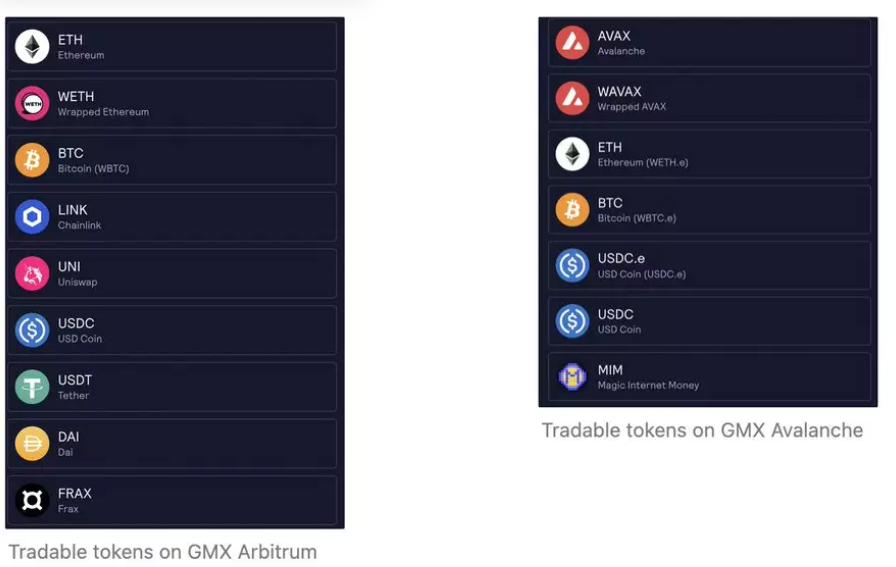
GMX offers the following trading pairs on Arbitrum and Avalanche, which can be traded long or short via market or limit orders. Additionally, GMX provides leverage from 1x to 30x.
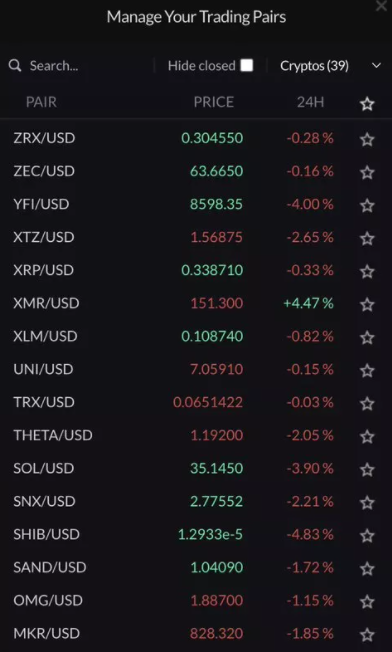
GainsNetwork uses its own custom Chainlink oracle, enabling it to offer more trading pairs (39 cryptocurrencies, 10 forex pairs, and 22 stock pairs). Gains also offers higher leverage ranging from 4x to 150x, with a maximum collateral size of $100,000.
While I personally prefer GMX’s UI/UX, Gains is the superior platform in terms of available trading pairs and leverage. GMX plans to adopt Chainlink oracles on Arbitrum in the future, which will significantly expand its offerings of crypto and forex trading pairs.
How do they provide liquidity?
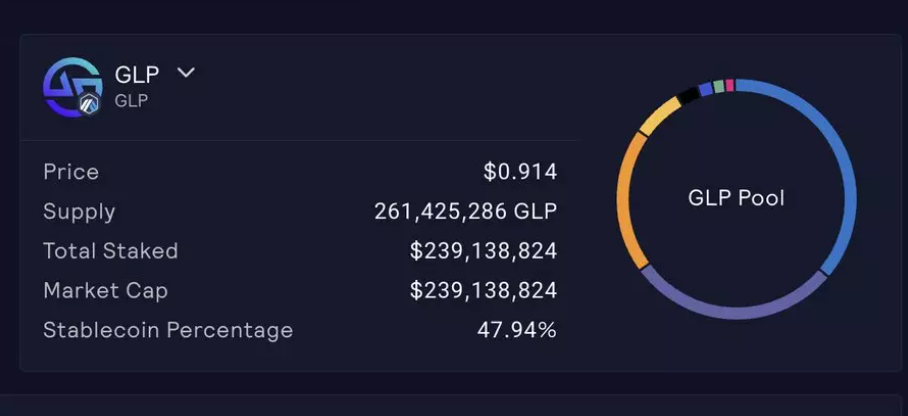
GMX uses the $GLP token, a basket of tradable tokens on the protocol whose price is determined by underlying asset prices and traders’ profit and loss (PnL). So far, cumulative PnL stands at -$35 million, which has positively impacted the token’s price appreciation.
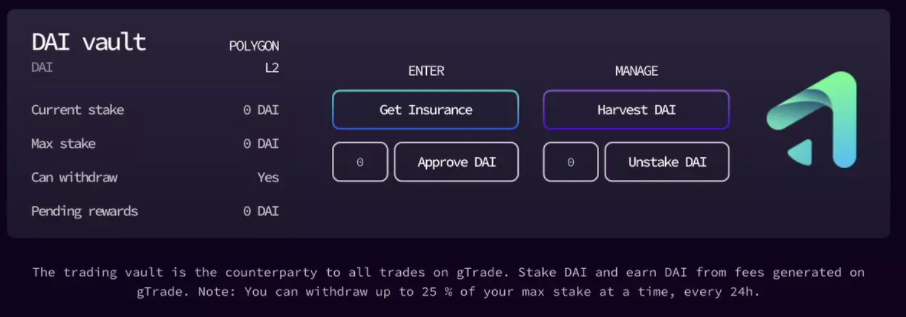
Gains uses a $DAI vault to reward profitable traders while collecting DAI when traders lose.
Vault balance = Value of staked DAI + Platform PnL.
Vault collateralization ratio = (Value of staked DAI + Platform PnL) / Value of staked DAI * 100.
$GLP earns 70% of all fees generated on GMX. This yield ranges between 20-35% APR, primarily paid in ETH.
The DAI vault receives 40% of generated fees (opening/closing fees and market/limit order fees), paid in DAI, currently yielding 14% APR.
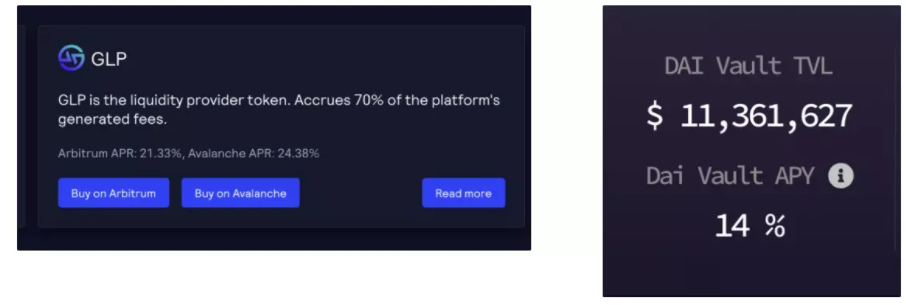
Their risks are as follows: When ETH and BTC decline, GLP price also falls; it also declines if PnL turns positive. For the DAI vault: If cumulative PnL becomes positive, more DAI is withdrawn from the vault, potentially causing providers to lose part of their investment (though this hasn’t occurred yet).
Finally, let’s examine the utility tokens $GMX and $GNS.
$GMX:
- Market cap: $260 million
- Receives 30% of all fees (22% APR)
$GNS:
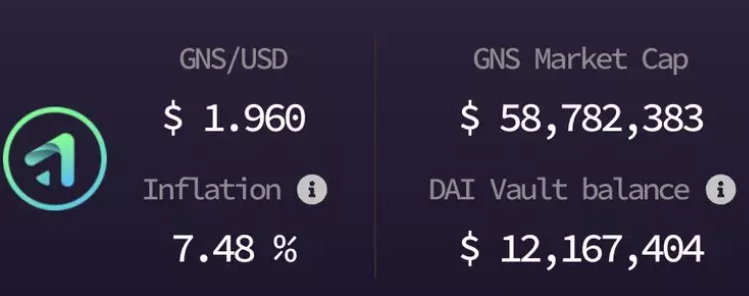
- Market cap: $56 million
- Receives 32.5% of all fees (8% APY)
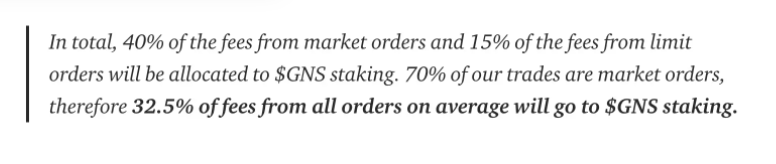
$GMX represents a bet on the protocol’s growth. The token experiences net inflation through esGMX (escrowed GMX).
$GNS is used to pay rewards to the DAI/GNS pool, and is burned when the DAI vault’s collateralization ratio exceeds 130% (currently at 109%), maintaining a 7% inflation rate.
Final Thoughts
Both protocols are fascinating, using similar yet distinct models to attract liquidity and optimize trading. These models generate real yield through trading fees. While both strategies carry risks, they are both worth considering for investors looking to become LPs. Over the past few months, I’ve personally enjoyed using GMX and believe it’s one of the top protocols in DeFi today. I only recently discovered Gains, which brings significant value to the space and still has substantial room for growth as a project.
Join TechFlow official community to stay tuned
Telegram:https://t.me/TechFlowDaily
X (Twitter):https://x.com/TechFlowPost
X (Twitter) EN:https://x.com/BlockFlow_News
 Thor Hartvigsen






