








DAODAO: The People's DAO Tool, a New Project by the Founder of BitClout
TechFlow Selected TechFlow Selected
DAODAO: The People's DAO Tool, a New Project by the Founder of BitClout
DAODAO says it will do for DAOs what OpenSea did for NFTs.
 Navigating Web3 tides with focused insights
Written by: Jeff John Roberts
Translated by: TechFlow Intern
TL;DR
-
DAODAO says it will do for DAOs what OpenSea did for NFTs. Its goal is to help people launch a DAO with just a name and a fundraising target.
-
The project is the brainchild of Nader El-Naji, the controversial founder of BitClout, also known as “Diamondhands.”
-
DAODAO is set to launch in April and will initially require users to purchase its tokens and NFTs.
DAOs (decentralized autonomous organizations) are one of the hottest areas in cryptocurrency today. Often described as “internet communities with wallets,” some DAOs focus on everything from supporting Ukraine to producing crypto media to buying a copy of the U.S. Constitution.
Yet while DAOs are popular, they can also be messy and difficult to manage. That’s why controversial crypto entrepreneur Nader El-Naji has announced a new service he claims will do for DAOs what Coinbase did for token trading.
The project, called DAODAO, is itself a DAO designed to make it easy for anyone to launch their own DAO.

In an interview with Decrypt, El-Naji explained how DAODAO works and why he believes it will usher in a new era of DAO-driven crypto activity. He makes a compelling case, but El-Naji’s past actions—most notably the notorious social media site BitClout—will leave some skeptical, given that the internet never forgets.
A “People-Owned” DAO Creation Platform
DAOs have become a fast way to raise funds and organize groups—some gathering millions of dollars in just days. But the process isn’t easy. Running a DAO typically involves collecting Ethereum from members, creating so-called governance tokens, and setting up voting systems to decide policies and spending.
There are already many tools available to help DAOs with tasks like voting and financial management, but DAODAO aims to go further. It wants to create a one-stop shop where anyone can launch a DAO, raise funds, manage votes, and engage in the kind of crypto discussions usually held on platforms like Discord and Twitter.
According to El-Naji, DAODAO aspires to replicate the user-friendly interface of services like the NFT marketplace OpenSea, while staying true to decentralized crypto principles. “The biggest winners in crypto have been centralized entities like Coinbase and OpenSea,” El-Naji said. “The next thing has the chance to be owned by the people.”
On DAODAO, those wishing to create their own DAO first enter a name and a fundraising target. For fundraising and fund management, El-Naji says the platform will support multiple currencies and blockchains beyond Ethereum.
However, the social media aspect of DAODAO—which some of El-Naji’s critics see as a red flag—will be limited to DeSo, the blockchain El-Naji launched last year.
The DAODAO platform is already promoting future DAOs with names like PokéDAO, although these projects currently appear to consist of little more than a logo and slogan.
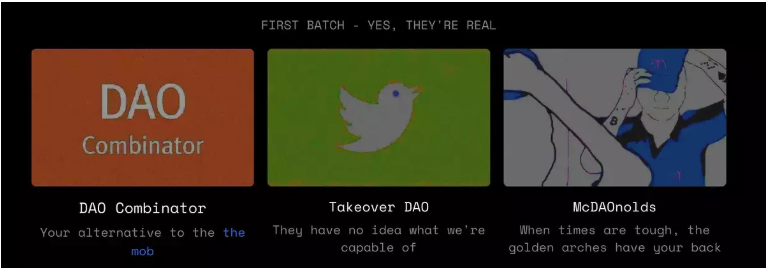
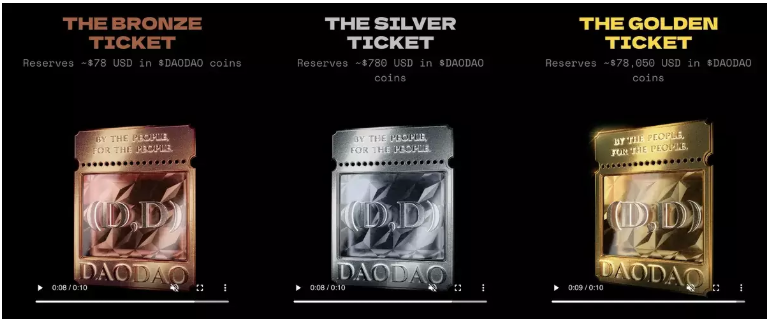
All of this is set to go live within three weeks. Until then, DAODAO is offering early access by letting people buy NFTs, which will guarantee them a share of tokens and a portion of future DAO launches. DAODAO will also encourage users to purchase DAODAO tokens and use them to start their own projects.
A counter on the DAODAO website claims it has raised $500,000 so far. While El-Naji previously raised hundreds of millions from VCs for past crypto ventures, he says DAODAO will not accept funding from professional investors.
According to Eshita Nandini, an analyst at research firm Messari, there may indeed be demand for the services DAODAO plans to offer. She notes that some “all-in-one” solutions such as SuperDAO already exist, but current platforms may not meet every new DAO’s needs.
“There has recently been an increase in DAO tooling providers responding to emerging needs from builders and contributors in the space. Given its early stage, there isn’t yet a single ‘correct’ stack for every DAO, because the required tools vary greatly depending on composition and contributor type,” Nandini said.
While this suggests DAODAO may be well-positioned to compete in a hot new area of the crypto market, the fate of El-Naji’s past projects may give some pause.
The Shadow of BitClout
A year ago, the blockchain world was abuzz over BitClout, a novel social network where users could buy tokens tied to crypto celebrities like Vitalik Buterin or Elon Musk. The project attracted significant attention, but also criticism—especially over how BitClout copied Twitter profiles of public figures and turned them into tradable tokens without permission. Today, BitClout has few active users, and its person-based token trading appears to be collapsing.
El-Naji launched BitClout under a pseudonym, posing as “Diamondhands” for months before revealing his identity—an act that didn’t help. El-Naji later said he created “Diamondhands” to suggest BitClout was a truly decentralized project whose founder would eventually vanish—much like Satoshi Nakamoto, who created Bitcoin and then disappeared. Either way, the alias only fueled the marketing hype around BitClout.
But the “Diamondhands” act only deepened distrust toward BitClout, especially amid rumors that El-Naji and a group of wealthy venture capitalists were backing the project.
Nonetheless, the controversy around BitClout didn’t shake investor confidence in El-Naji. In September last year, he raised $200 million to build the DeSo blockchain, touted as a decentralized challenger to social networks like Facebook.
That news was surprising—not just because of the sheer amount raised for an untested project (even by crypto standards, $200 million is massive), but also because El-Naji had previously failed with another crypto venture, Basis, back in 2017.
Basis raised over $130 million from investors for an algorithmic stablecoin, but quickly collapsed under regulatory scrutiny. (El-Naji returned the unused funds.)
Today, El-Naji views both Basis and BitClout as learning experiences. He admits BitClout is nearly dead, but insists it doesn’t matter because other social networks built on DeSo are poised for success.
It remains unclear whether the investors who poured $200 million into the DeSo blockchain are unfazed by BitClout’s implosion—or what they think about El-Naji launching yet another major project, this time without support from any of his previous backers.
El-Naji says he doesn’t want to be viewed through the lens of BitClout. DAODAO will benefit ordinary people rather than wealthy insiders, he describes it as “grassroots.”
The DAODAO whitepaper echoes similar sentiments: “The possibilities are endless—but most importantly, it’s not up to us to decide. It’s up to the people—it’s up to you.”
Join TechFlow official community to stay tuned
Telegram:https://t.me/TechFlowDaily
X (Twitter):https://x.com/TechFlowPost
X (Twitter) EN:https://x.com/BlockFlow_News






