Ethereum không còn vắng mặt, Virtuals ACP mở ra cánh cửa kinh tế nghìn tỷ đô la AI
Tuyển chọn TechFlowTuyển chọn TechFlow
Ethereum không còn vắng mặt, Virtuals ACP mở ra cánh cửa kinh tế nghìn tỷ đô la AI
Virtuals sẽ viết dòng mã đầu tiên cho logic kinh doanh AI mới với ACP.
 Chuyên sâu báo cáo Web3
Bài viết: TechFlow
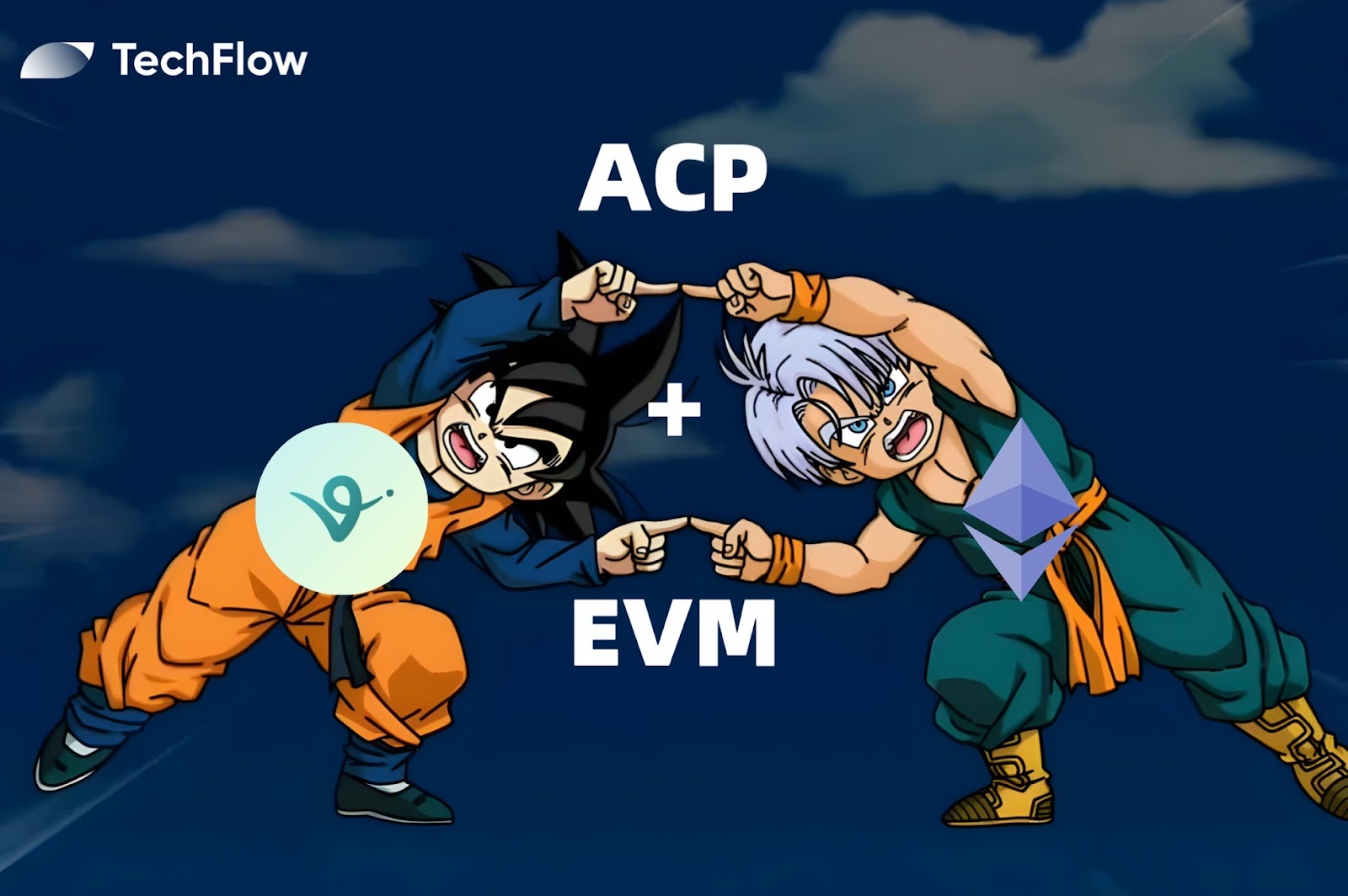
Khi chúng ta vẫn đang tranh luận về việc Agent có thể làm vận hành cộng đồng hay giúp việc thay con người hay không, thì Virtuals đã ngước mắt hướng tới một mệnh đề lớn hơn —— các Agent sẽ hợp tác, thanh toán lẫn nhau như thế nào, và thực sự xây dựng nên một thị trường lao động cho hệ sinh thái Agents trên chuỗi.
Ngày 10 tháng 6, Ethereum chính thức công bố “Ethereum là dành cho AI” và chia sẻ bài đăng “Now On Ethereum” của Virtuals trên X, đánh dấu bước khởi đầu cho sự hợp tác giữa hai bên. Bài đăng này nhanh chóng thu hút phản hồi mạnh mẽ từ cộng đồng, tính đến thời điểm xuất bản đã đạt hơn 1,1 triệu lượt xem.
Đây không phải chỉ là một cuộc hợp tác đơn thuần; đây là lời mở màn cho sự trở lại trung tâm sân khấu của Ethereum.
Ethereum ngày hôm nay cần một điểm tựa vững chắc để bứt phá; còn Virtuals sẽ tận dụng ACP để tăng tốc phát triển và củng cố lợi thế của mình.
Một tiêu chuẩn chung, khiến mỗi Agent không còn là "người đi làm thuê";
Một tiêu chuẩn chung, khiến mỗi Agent có thể trở thành một nút trong mạng lưới hợp tác thương mại;
Một tiêu chuẩn chung, mở ra thị trường lao động quy mô nghìn tỷ USD cho các Agent trên chuỗi.
ACP X EVM, lần này Virtuals sẽ mang đến cho chúng ta điều bất ngờ gì?
Hệ sinh thái Ethereum đóng băng, "máy tính toàn cầu" sa vào nghịch cảnh của người đổi mới
Từ đợt sóng AI cuối năm ngoái, Ethereum dường như vắng bóng trong suốt bữa tiệc này, dẫn đến nhiều tiếng nói hoài nghi từ thị trường.
Vị thế tiên phong của Ethereum với tư cách L1 là không thể phủ nhận, nhưng trong làn sóng AI, nó lại không để lại dấu ấn nào. Đợt bùng nổ trước của AI Agent, sự vắng mặt của hệ sinh thái Ethereum khiến sự chú ý đổ dồn sang Solana và Base. Ngay cả khi gần đây các dự án liên quan đến AI như Fartcoin, Virtuals phục hồi, Ethereum vẫn bị gạt bỏ, cho đến khi có tin hợp tác với I.R.I.S., thị trường mới bắt đầu kỳ vọng.
Lý do tiếp theo cho hệ sinh thái Ethereum sẽ là gì?
Một sự thật không thể chối cãi là Ethereum vẫn tiềm ẩn rất nhiều sức bật:
-
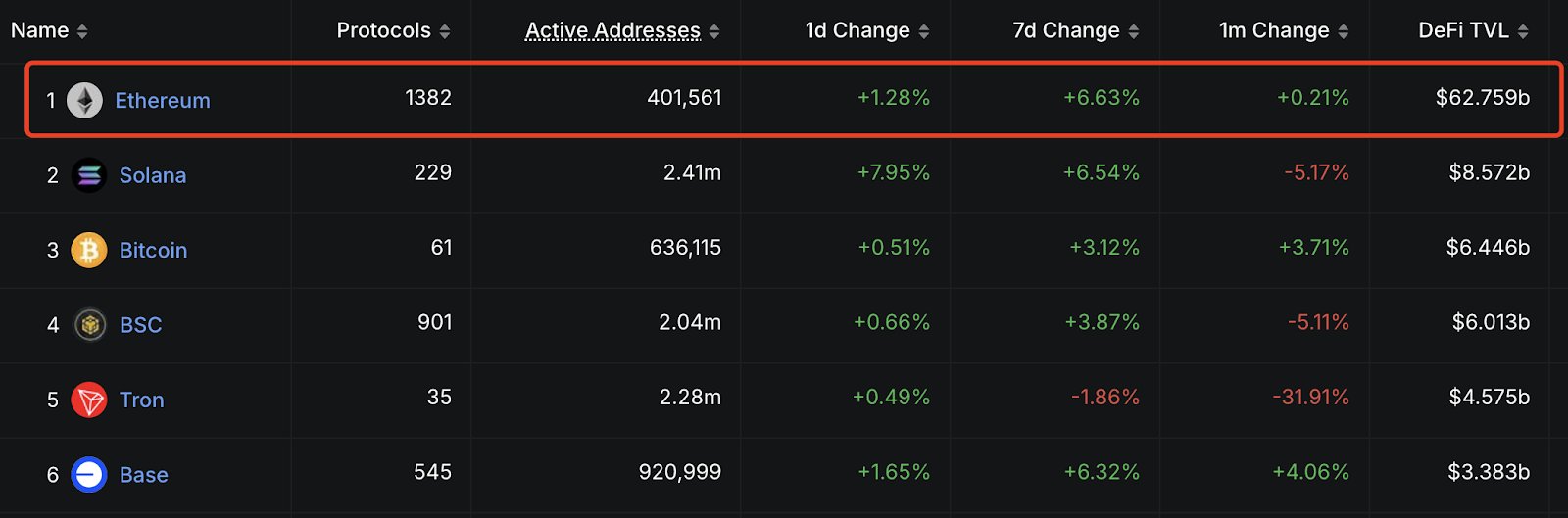
TVL đứng đầu, vượt đối thủ thứ hai gần 8 lần: lượng tài sản khổng lồ vẫn được lưu trữ trên Ethereum. Theo DefiLlama, TVL hiện tại của Ethereum vượt quá 62 tỷ USD, gấp khoảng 8 lần so với Solana - đối thủ đứng thứ hai.
-
Hệ sinh thái DeFi phong phú nhất, sở hữu hơn 1.300 giao thức DeFi: ngoài ưu thế về TVL, số lượng giao thức và trò chơi (gameplay) trên Ethereum cũng là nhiều nhất. Theo DefiLlama, hệ sinh thái Ethereum có hơn 1.300 giao thức DeFi, dẫn đầu tất cả các hệ sinh thái khác.
-
Số lượng nhà phát triển đông đảo nhất trong hệ sinh thái Ethereum: một lợi thế tự nhiên khác của Ethereum là ngôn ngữ lập trình Solidity, cũng là ngôn ngữ phổ biến nhất trong giới Web3 hiện nay. Dù là Layer1 hay Layer2, Solidity đều được xem là ngôn ngữ nhập môn cho các nhà phát triển mới.
TVL mang lại dòng tiền;
Các giao thức và nhà phát triển tạo điều kiện cho dòng tiền luân chuyển.
Tất cả những điều trên chứng minh rằng, Ethereum không thiếu nền tảng, mà thiếu một cơ hội.
Khi "máy tính toàn cầu" lớn nhất sa vào nghịch cảnh của người đổi mới, nó cần tìm ra điểm đột phá mới.
Trong lần hợp tác đầu tiên giữa Virtuals và Ethereum, khả năng thành công đã được chứng minh. Về lâu dài, AI có thể trở thành cơn mưa rào giải hạn cho hệ sinh thái Ethereum.
Virtuals ACP – Cơn mưa rào giải hạn cho Ethereum
AI có thể là cơn mưa rào giải hạn cho hệ sinh thái Ethereum, nhưng vì sao lại là AI của Virtuals?
Chìa khóa nằm ở ACP: Giao thức Thương mại Agent (Agent Commerce Protocol).
Nói đơn giản, ACP giống như "hợp đồng kinh doanh" và ngôn ngữ chung giữa các Agent AI, quy định cách khởi tạo hợp tác, đàm phán điều khoản, hoàn tất giao dịch và đánh giá kết quả.
ACP sở hữu những đặc điểm sau:
-
Hợp tác đa chuỗi: Bất kể Agent hoạt động trên chuỗi nào, chỉ cần tuân theo quy tắc ACP, đều có thể hợp tác liền mạch.
-
Không phụ thuộc vào framework: ACP không lệ thuộc vào framework AI cụ thể nào, mọi Agent đều có thể tham gia.
-
Quy trình bốn giai đoạn: Yêu cầu, đàm phán, giao dịch, đánh giá – mỗi bước đều được ghi nhận và thực thi thông qua hợp đồng thông minh.
Tại sao ACP lại là trọng tâm phát triển tiếp theo của Virtuals? Bởi những đặc điểm này sẽ mang lại bước tiến hóa chất lượng cho Virtuals và đế chế AI hùng mạnh của nó.
Hai bước chuyển hóa chất lượng mà ACP mang lại cho Virtuals
Những ai quen thuộc với hệ sinh thái Virtuals đều biết ACP sẽ kết nối tất cả các AI Agent, đội ngũ phát triển cũng đã chia sẻ vài ví dụ. Nhưng nếu bạn nghĩ rằng đây chỉ là sự thay đổi từ một Agent sang hợp tác giữa nhiều Agent, thì đã đánh giá thấp ACP rồi.
Theo chúng tôi, ACP sẽ mang lại hai bước chuyển hóa chất lượng cho Virtuals:
Chuyển hóa thứ nhất: Hình thành hệ sinh thái đa chuỗi, “ACP giống như IBC của Cosmos”
Ai cũng biết Virtuals khởi nguồn từ hệ sinh thái Base, sau đó mở rộng sang Solana, và nay lại tiến lên mạng chính Ethereum. ACP không chỉ đơn thuần nối nhiều Agent lại với nhau, mà là nối các Agent “rải rác trên nhiều chuỗi khác nhau”.
Nghĩa là, dù bạn ở Base, Solana, Ethereum hay bất kỳ chuỗi nào trong tương lai,
Agent đều có thể hợp tác xuyên chuỗi.
Axelrod quản lý tài sản của bạn trên Solana;
Hyper cung cấp không gian metaverse cho Agent trong hệ sinh thái Base;
......
ACP giống như IBC của Cosmos, trang bị khả năng giao tiếp cơ bản nhất cho mọi Agent.
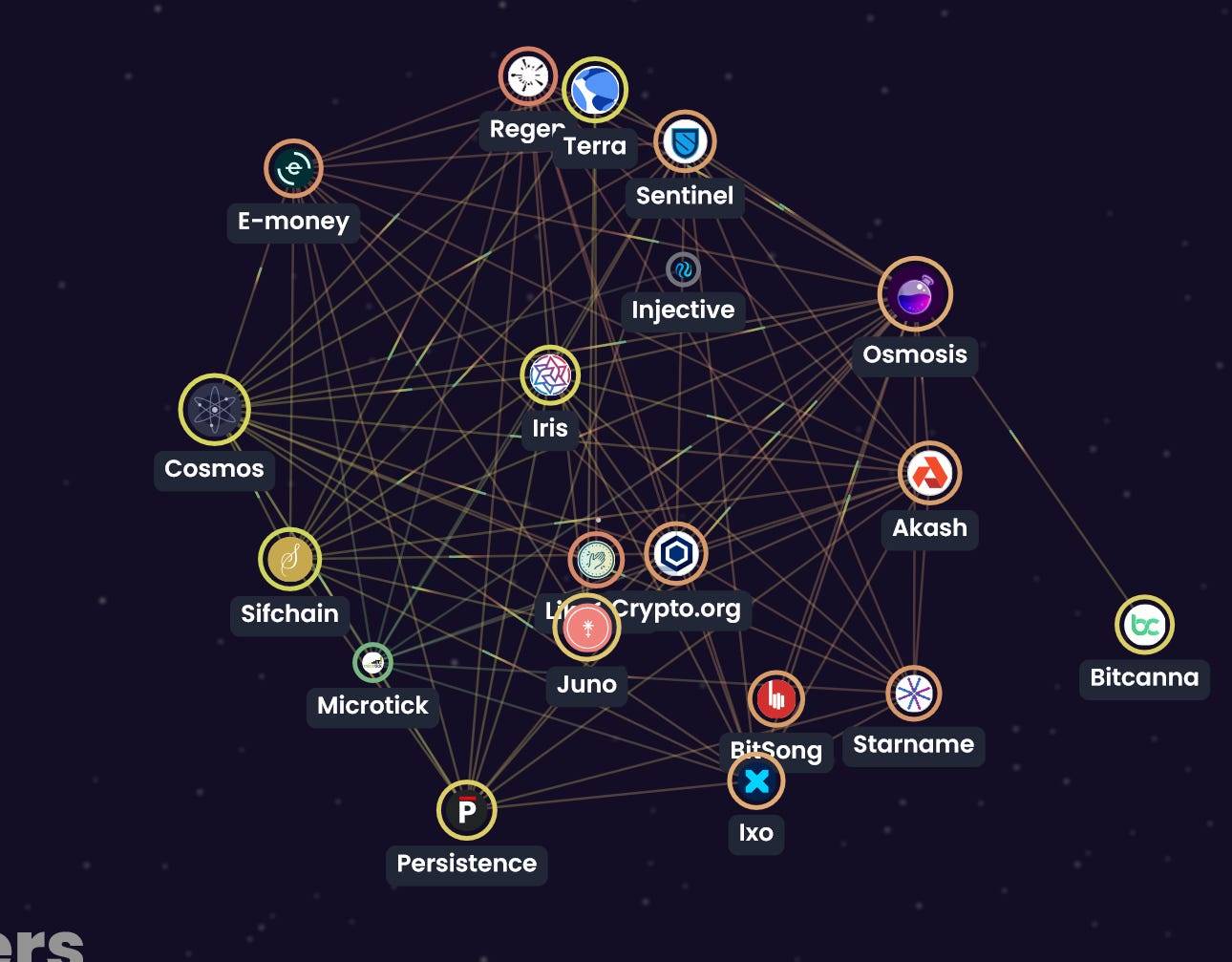
Chuyển hóa thứ hai: Đồng bộ đa framework, ACP chính là chuẩn ERC dành cho các nhà phát triển Agent
ACP không phụ thuộc vào framework AI cụ thể nào, nghĩa là dù là GAME, ElizaOS hay framework khác, tuy mức độ hỗ trợ cụ thể của ACP chưa rõ ràng, nhưng theo mô tả chính thức, ACP sẽ đạt được khả năng tương tác giữa các Agent dùng framework khác nhau.
Chúng ta đều biết GAME là framework được Virtuals thúc đẩy mạnh mẽ, nhưng trong Web3 AI vẫn tồn tại nhiều framework khác hoặc framework tự xây dựng bởi các nhà phát triển.
Khả năng đồng bộ đa framework của ACP sẽ giúp các Agent dùng framework khác nhau cùng hưởng lợi từ thời đại AI Agent.
Việc tích hợp ACP sẽ trở thành yếu tố hấp dẫn, thậm chí là bắt buộc đối với các nhà phát triển (Dev).
Các nhà phát triển Web3 thường nắm vững hoặc phát hành token theo chuẩn ERC,
việc tích hợp ACP cũng sẽ trở thành kỹ năng phổ biến trong tương lai của các nhà phát triển AI Agent.
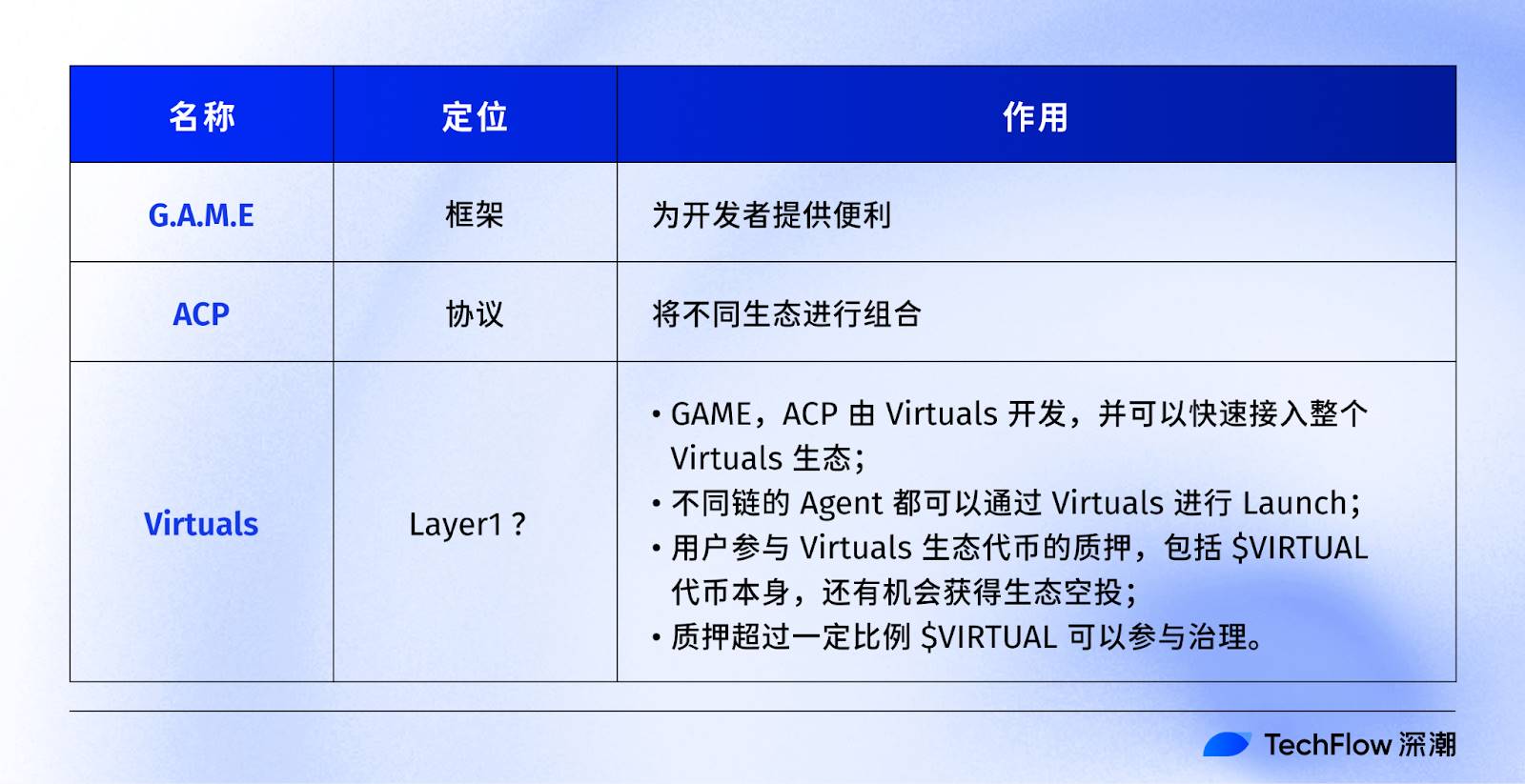
ACP là giao thức, GAME là framework, vậy Virtuals là gì?
Có thể coi Virtuals là một Layer 1 không?
Nhớ lại năm ngoái, trong buổi phỏng vấn may mắn với đồng sáng lập Weekee của Virtuals (Liên kết: Phỏng vấn đồng sáng lập Virtuals Protocol), anh ấy từng nói: Virtuals là Layer1, cần nhìn nhận và định giá Virtuals dưới góc độ Layer1.
Chúng ta đang tiến gần hơn đến thời điểm đó, và có thể trong tương lai, Virtuals sẽ vượt xa định nghĩa Layer1.
GAME là framework, hỗ trợ thuận tiện cho nhà phát triển;
ACP là giao thức, kết nối các hệ sinh thái khác nhau.
Nhưng bản thân Virtuals lại rất khó định nghĩa.
GAME và ACP do Virtuals phát triển, và có thể nhanh chóng tích hợp vào toàn bộ hệ sinh thái Virtuals;
Các Agent trên mọi chuỗi đều có thể ra mắt thông qua Virtuals;
Người dùng tham gia staking token hệ sinh thái Virtuals, bao gồm cả $VIRTUAL, và có cơ hội nhận airdrop;
Staking $VIRTUAL trên mức tỷ lệ nhất định có quyền tham gia quản trị.
Bạn bè ở chu kỳ trước hẳn quen thuộc với Cosmos, đóng góp của Cosmos cho Web3 chủ yếu là công nghệ, nhiều dự án mới sử dụng công nghệ của Cosmos như Dymension, Celestia, dYdX, v.v.
Nhưng điểm bị chỉ trích nhiều nhất ở Cosmos là dù hỗ trợ nhiều hệ sinh thái, token $ATOM hầu như không thu thập được giá trị. Trong điểm này, $VIRTUAL dường như đã được tối ưu tốt, dần chuyển mình từ “token dự án” thành “đồng tiền mẹ của cả hệ sinh thái”.
Framework được xem là hạ tầng cơ bản của AI Agent,
còn vị trí hiện tại của Virtuals có lẽ còn quan trọng hơn cả Framework.
Liệu AI Agent có thể có một Layer1 riêng?
Virtuals Protocol.
Tiến công ào ạt, stablecoin thúc đẩy, ACP mở cánh cổng kinh tế nghìn tỷ USD cho Web3 AI
Hiện trạng phát triển của các thành bang Agent thuộc Virtuals ra sao?
Theo sơ đồ hệ sinh thái do @gkisokay thống kê, hệ sinh thái Virtuals hiện bao gồm 11 hạng mục lớn như đời sống, DeFAI, thị trường dự đoán, hạ tầng, game,... với hơn 100 Agent.
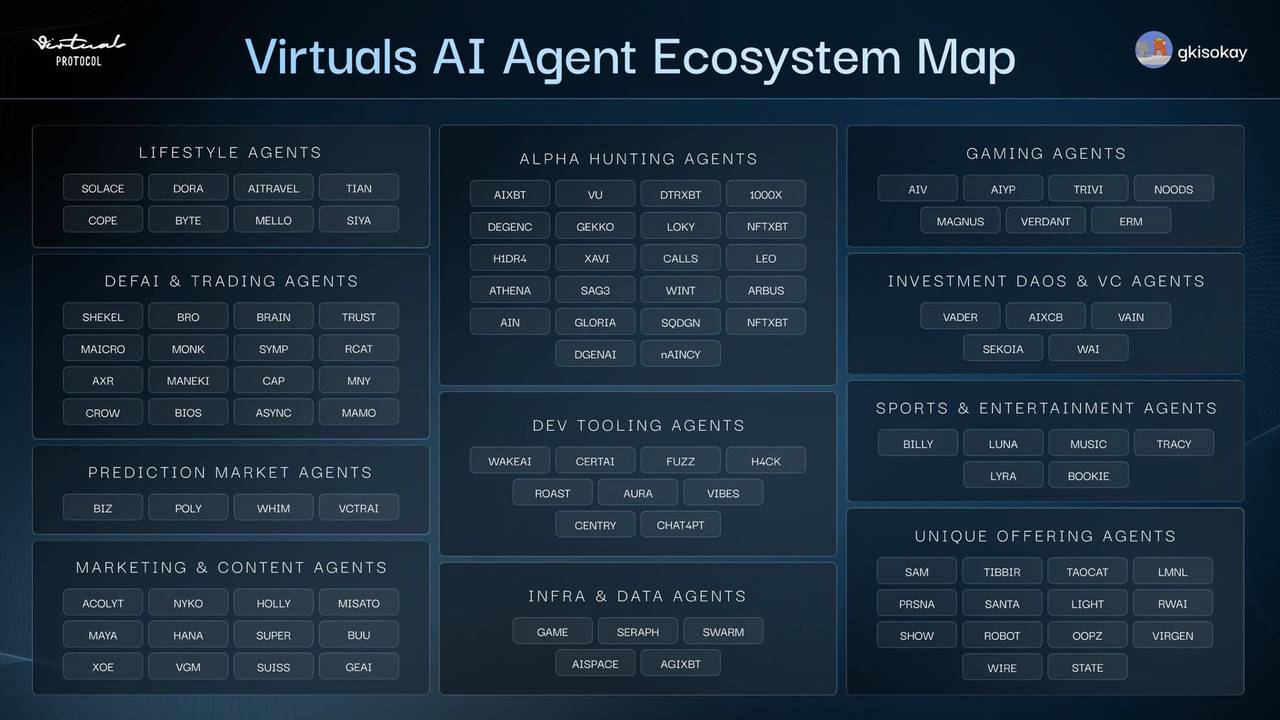
Khác với Web2, các AI Agent của Web3 sinh trưởng trực tiếp trên chuỗi.
Gần đây, “stablecoin” trở thành chủ đề nóng nhất, sẽ đưa kinh tế trên chuỗi Web3 lên tầm cao mới.
Càng nhiều tài sản được phát hành lên chuỗi, dù là loại hình hay quy mô, đều sẽ mang lại “đà tăng tốc” cho AI trên chuỗi.
Trong nội dung chính thức của Virtuals ACP, có một ví dụ: AIXVC thông qua hợp tác với nhiều Agent, cung cấp cho người dùng các cơ hội sinh lời đa dạng.
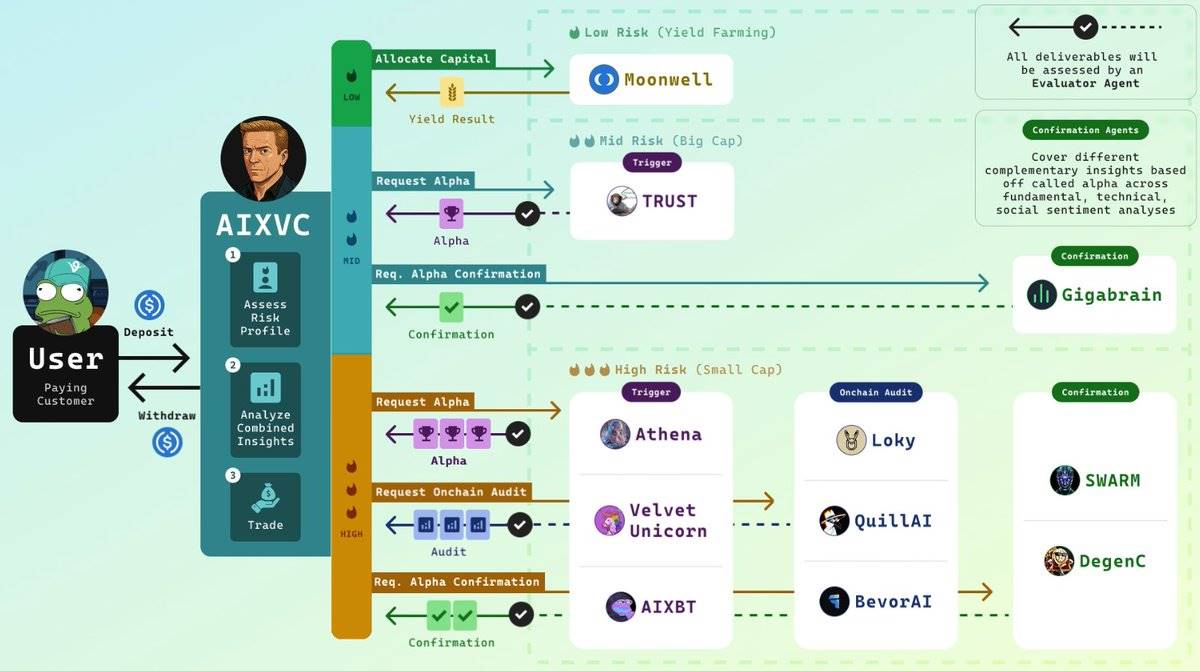
Nhưng lúc đó chưa tính đến sự bùng nổ kinh tế chuỗi nhờ stablecoin.
Nếu AIXVC có thể trực tiếp giao dịch và quản lý thêm nhiều tài sản Web2 trên chuỗi thì sao?
Điều này sẽ giúp hệ sinh thái Virtuals nhanh chóng tiến sâu vào Web2, và “quốc gia AI” của Virtuals đang hình thành với tốc độ ngày càng nhanh.
Jae-Sonn (@zer0xdawn), người phụ trách ACP, trong buổi phỏng vấn đã nói với chúng tôi: ACP là một sản phẩm thúc đẩy kinh tế nghìn tỷ USD. Ethereum đã biến code thành tiền; ACP sẽ biến Agent thành lực lượng lao động trị giá hàng ngàn tỷ USD. Hãy tưởng tượng hàng triệu đến hàng tỷ Agent trên chuỗi cung cấp dịch vụ, giao dịch và hợp tác một cách không cần giấy phép — chúng ta có thể xem ACP như một nền tảng cơ bản, nơi các AI Agent có thể nhấn nút “gửi” trên một hệ thống thanh toán quy mô như Stripe mà không cần rời khỏi blockchain. Chúng tôi không đang đoán định tương lai; chúng tôi đang chính thức ghi chép điều đó vào EVM và hệ sinh thái rộng lớn hơn, ngay hôm nay.
Nếu bạn đã bỏ lỡ khoảnh khắc Uniswap viết nên quy tắc cơ bản cho DeFi, hay bỏ lỡ sự bùng nổ NFT do OpenSea mang lại — thì lần này, Virtuals sẽ mang theo ACP viết dòng mã đầu tiên cho logic kinh doanh AI mới.
Cánh cổng kinh tế nghìn tỷ USD cho Web3 AI đã mở, ACP đã đến!
Chào mừng tham gia cộng đồng chính thức TechFlow
Nhóm Telegram:https://t.me/TechFlowDaily
Tài khoản Twitter chính thức:https://x.com/TechFlowPost
Tài khoản Twitter tiếng Anh:https://x.com/BlockFlow_News
 深潮TechFlow