









보스턴의 옛이야기: 한때 미국의 과학기술 중심지였던 보스턴은 어떻게 쇠퇴하게 되었는가?
작가: Will Manidis
번역: TechFlow
2004년에 만약 당신이 한 명의 테크 투자자에게 세계 최고의 소프트웨어 회사가 어디에 있느냐고 물었다면, 그는 두 가지 답을 줬을 것이다. 보스턴과 샌프란시스코.
물론 지금은 상황이 완전히 다르다. 지난 20년간 샌프란시스코는 14조 달러의 기업 가치를 창출한 반면, 보스턴은 겨우 1000억 달러만 기여했다.
당시 그 투자자에게 과거 '코카인과 회색 줄무늬 정장의 금융 화려함'으로 유명했던 뉴욕이 보스턴을 대체해 지역 테크 중심지가 될 것이라고 말했다면, 그는 분명 당신을 미친 사람 취급했을 것이다.
그렇다면 보스턴은 왜 자신의 입지를 잃어버렸을까? 이 질문은 깊이 있게 살펴볼 가치가 있다.
투입 요소 측면에서 보면 이 도시는 모든 유리한 조건을 갖추고 있는 것처럼 보인다. 세계 최고의 대학 두 곳(하버드와 MIT)이 자리하고 있다. 유명 액셀러레이터 Y Combinator도 여기서 시작됐다. 미국에서 가장 아름다운 도시 중 하나라는 데는 의심의 여지가 없다. 마크 저커버그(Mark Zuckerberg)는 이곳에서 대학을 다녔고, Stripe의 창업자들, Cursor의 창업자들, Dropbox의 창업자들도 모두 이곳 출신이다. 그렇다면 문제는 어디에 있는가?
보스턴의 쇠퇴 규모를 이해하기 위해선 수십 년 동안 보스턴의 '루트 128(Route 128)'이 소프트웨어 세계의 중심이었다는 사실을 기억해야 한다. 디지털 이큅먼트 컴퍼니(DEC)는 전 세계에서 두 번째로 큰 컴퓨터 회사였으며, 정점기에는 직원 14만 명을 거느렸다. Lotus는 기업들을 PC 시대로 이끈 핵심 애플리케이션을 개발했다. Akamai는 현대 인터넷의 기반을 구축했다. 그렇다면 보스턴은 도대체 무엇을 잘못한 걸까?
이것은 깊이 논의할 가치가 있는 문제다. 하지만 이 질문에 답하려는 사람들은 일반적으로 다음 두 가지 중 하나를 말한다.
- "보스턴의 몰락은 저커버그가 여기서 자금을 조달하지 못하고 서부 해안으로 갔을 때 시작됐다."
- "누가 보스턴이 망했다고 했나? 우리는 방금 TurboLogs의 F라운드에서 1500만 달러의 기업 가치로 리드 투자를 했다."
물론 이 두 주장 모두 이야기의 전모를 설명하지는 못한다. 보스턴의 진짜 문제를 파악하는 것은 단지 보스턴의 생존 문제를 넘어서, 미국 전체 테크 생태계의 핵심 과제이기도 하다.
나의 답변은 간단하다. 보스턴의 사례는 부정적인 문화와 규제 피드백 루프가 서로 작용할 때 어떤 일이 벌어지는지를 보여준다. 테크 생태계로서 이 도시의 쇠퇴는 세 가지 간단한 힘에서 비롯된다.
1. 기업을 부동산 소유자가 착취할 수 있는 성장 수단으로 보는 규제 체계
수십 년 동안 매사추세츠주는 연방의 '합격 소기업 주식 면제(QSBS)' 규정을 따르지 않았다. 드디어 2022년에야 이를 수용했지만, 바로 그해 백만장자세(millionaire tax)를 통과시켰다. 매사추세츠주에서 창업자가 1000만 달러에 회사를 매각하면 86만 달러의 세금을 내야 한다. 반면 오스틴의 창업자는 아무 세금도 내지 않는다. 게다가 매사추세츠주는 SaaS(서비스형 소프트웨어) 수익에 대해 6.25%의 판매세를 부과하지만, 대부분의 주들은 소프트웨어에 전혀 세금을 부과하지 않는다.
2. 엘리트 기관에 뿌리박힌 청교도적 문화로 인한 자기 감시 실패
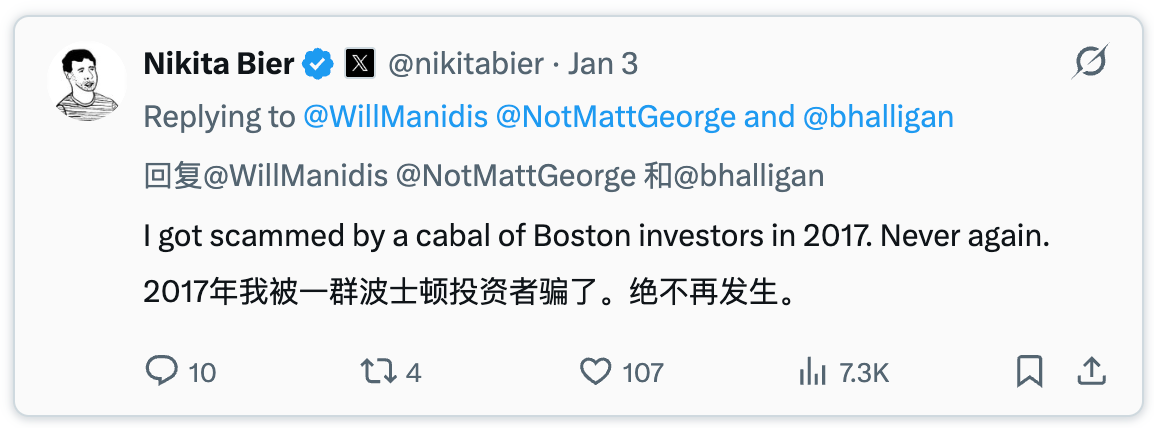
2010년 이후 보스턴의 벤처 캐피탈 활동은 더 이상 기업 성장을 돕는 것이 아니라 창업자를 수탈하는 데 집중됐으며, 조직 범죄 집단처럼 운영되기도 했다. 이러한 행위를 감시해야 할 문화—재단 기부자들, 대형 제한적 유한책임사(LPs), 자선 만찬에 참석하는 사회 지도층들—은 가해자들과 그들의 네트워크와 너무 밀접하게 얽혀 있어 누구도 목소리를 내지 못했다. 이런 현상은 보스턴의 비즈니스 환경에 항상 무형의 '신뢰세(trust tax)'를 부과하는 결과를 낳았다.
3. '투입 중심'의 기술 발전 관점
우리는 세계 최고의 대학을 보유하고 있고, 많은 연구실 공간을 건설했다(비록 현재 40%가 공실이지만), 세계에서 가장 뛰어난 인재들이 모여 있다. 그런데 왜 이것이 작동하지 않는가? 이제 우리는 다시 혁신 허브를 만들 수 없는가? 우리의 땅 자체가 이미 '마법'이 아닌가?
이 세 가지 설명이 너무 단순하거나 익숙하게 들린다면, 그 이유는 분명하다. 실제로 이는 미국 전체 테크 산업이 직면한 공통된 문제이며, 나는 이 문제가 똑같이 치명적인 결과를 초래할 수 있다고 생각한다.
테크 생태계는 본질적으로 취약한 네트워크이며, 이들은 해당 지역에 수조 달러의 세수를 창출하지만, 기생적인 숙주(정부)는 수십 년마다 이 '황금알을 낳는 거위'를 죽이고 싶은 유혹을 뿌리치지 못한다.
숙주가 생태계를 거부할 때 어떤 일이 일어나는지 상상해보자.
첫째, 인재 네트워크가 붕괴되기 시작한다. 25명에서 500명으로 회사를 확장시킨 경험이 있는 엔지니어링 부사장을 고용해야 한다고 하자. 샌프란시스코에서는 600명이 선택 가능하지만, 보스턴에서는 5명뿐이며, 곧 그 5명조차 보스턴을 떠나 샌프란시스코로 갈 것이다. 거기서는 더 높은 보상을 요구할 수 있고 성공 확률도 높기 때문이다. 초급 인재들에게 있어서도 신규 졸업생들은 더 이상 지역에 머무르지 않고, 매년 여름마다 첫 비행기를 타고 떠난다.
네트워크가 해체되면서 주 정부는 남은 사람들에게서 동일한 수익을 뽑아내기 위해 더욱 '이를 악물고' 짜내려 한다. 생태계가 무너질수록 일부 부도덕한 시장 참여자들은 다양한 수단으로 이득을 취하기 시작한다. 예를 들어 우대 가격 책정("누가 종자 펀딩을 받으려고 보스턴까지 날아오겠는가? 어쨌든 우리는 1000만 달러의 기업 가치를 받아들이겠다")이나, 더 불명예스러운 방식, 즉 비시장적이거나 심지어 불법적인 방법으로 창업자를 협박하는 행위(트위터에서 Nikita 등이 공개한 일부 법적으로 드러낼 수 있는 사례 참고). 심지어 보스턴에서 출발해 서부 해안으로 옮긴 일부 회사들도 어느 정도 '조직 범죄' 스타일을 유지하고 있다(Matrix는 제외, 그들은 좋은 사람들이다).
이러한 문제들은 인간성과 현실에 뿌리박혀 있으며, 도시와 개인의 삶을 파괴할 뿐 아니라 수조 달러의 기업 가치를 손실시키며, 이 모든 것은 주 정부의 근시안적 행동에서 비롯된다.
가장 끔찍한 점은: 이러한 손실은 되돌릴 수 없다는 것이다.
보스턴을 위대한 테크 생태계로 다시 세우자는 주장을 하는 사람들에게 깊은 동정심을 느끼지만—나 역시 뉴욕의 혼란을 견디지 않고 거기로 돌아가고 싶다—남아 있는 생태계가 완전한 붕괴로 빠지지 않을 것이라고 상상하기 어렵다.
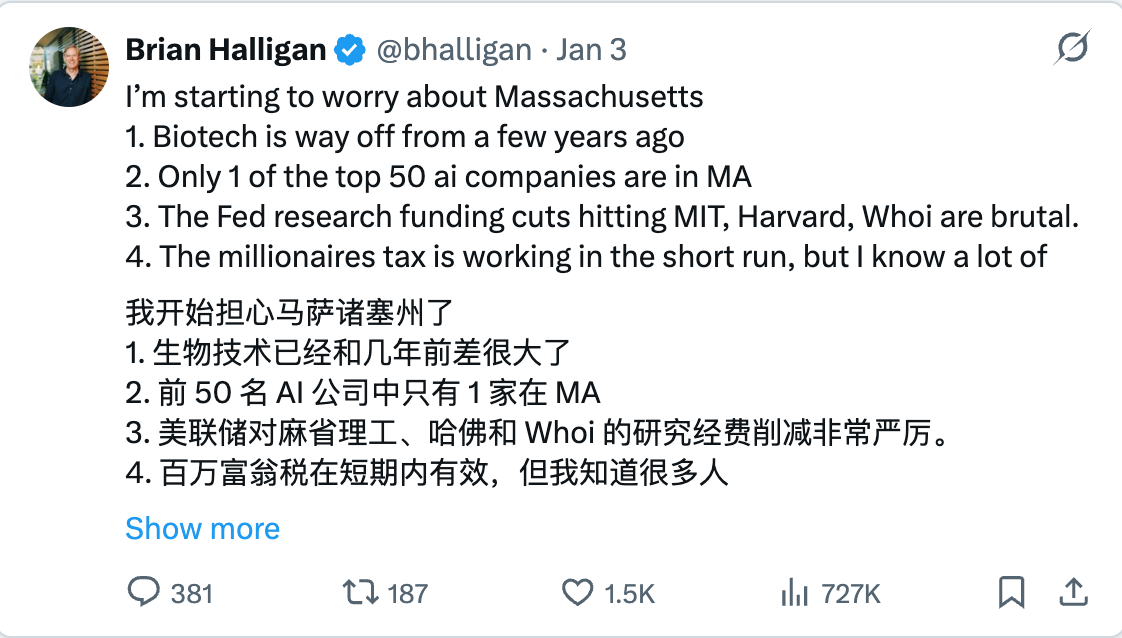
당신은 입법으로 붕괴 중인 네트워크를 구할 수 없으며, 스스로 붕괴된 네트워크를 재시작할 수도 없다.
그러나 샌프란시스코나 미국 전체 테크 생태계도 같은 운명을 향해 나아가는 것처럼 보인다. 기술을 단순한 '현금 트리(cash tree)'로 보는 규제 체계—M 제안(Prop M, 상업용 부동산 개발을 제한하는 법안), 오피스 빈집세 등.
동시에 엘리트 네트워크에 뿌리박힌 문화는 여전히 자기 감시에 실패하고 있다. 인공지능(AI)은 많은 부도덕한 행위자들을 생태계로 끌어들이고 있으며, 보스턴이 과거에 청산하지 못했던 경직성이 지금 여기에도 뿌리내리고 있다.
거기에 더해 '투입 우선'의 진보 개념: 우리는 최고의 AI 연구소를 가지고 있고, 가장 많은 GPU(그래픽 처리 장치)를 보유하고 있으며, 대통령조차 우리를 위해 몇 대를 구입했다. 우리는 최첨단 모델을 보유하고 있다. 그렇다면 왜 문제가 생기는가?
차이점은 대가다. 보스턴의 붕괴는 미국에 수천억 달러의 기업 가치 손실을 가져왔지만, 샌프란시스코의 쇠퇴는 미국 GDP 성장의 3분의 1을 지난 10년간 지우게 될 것이다.
하지만 문제는 단지 경제적 실패를 넘어선다. 이는 생존 자체의 실패다.
우리 테크 업계는 국가 차원에서 자신의 존재 이유를 명확히 제시하지 못했다. 이 문제가 해결되지 않는다면, 2028년은 '테크 업계를 구속하고 파괴하며 약탈하라'는 전국적 국민투표가 될 것이며, 도화선은 물과 에너지에 대한 비난이 될 것이다.
현재 AI 열풍이 대중의 마음속에서 명확히 각인되고 있지는 않다. 최근 여론 조사에 따르면 일반 미국인들은 인공지능을 물을 낭비하고 에너지 비용을 높이며, 노인을 기만하고 어린이에게 부적절한 성적 콘텐츠를 전파하며, 스포츠 도박을 조장하는 등 온갖 악행을 저지르는 도구로 인식하고 있다.
만약 우리가 '왜 테크 기업 임원들을 구속하고 데이터센터를 불태우며 미국 테크 업계를 파괴해서는 안 되는가?'라는 질문에 대한 최선의 답변이 '스포츠 도박을 위한 더 나은 챗봇을 만들기 위해서입니다'라면, 유권자들은 망설임 없이 그런 조치에 투표할 것이다.
제로섬 게임의 세계에서 유권자들은 장기적 이익을 고려하지 않는다. 먼저 질투를 느끼고, 그 후 약탈을 시작한다. 우리는 하수도 시스템이나 전력망을 약탈하지 않는다. 왜냐하면 그것들이 혼란을 막아주는 방패라는 것을 알기 때문이다. 우리는 그 비용을 감수한다. 왜냐하면 그것들이 혼란의 확산을 막아주기 때문이다. 그렇다면 일반 유권자들도 기술이 동일한 역할을 한다고 생각할까?
기술은 우리가 말서스적 함정(Malthusian trap)에서 벗어날 수 있는 유일한 수단이다. 그러나 우리는 그것을 명확히 설파할 용기가 없었고, 명확한 진보 이론 대신 '합리주의'와 '범용 인공지능'(AGI)이라는 개념으로 대체했기 때문에, 국가는 테크 업계를 마음껏压榨할 수 있는 기생충으로 여긴다.
우리가 왜 혁신이 도덕적으로 필수적인지를 설명하지 못한다면, 결국 전체 테크 업계가 보스턴의 뒤를 따라가게 될 것이다. 먼저 세금을 부과받고, 다음으로 약탈당하며, 결국 고갈될 것이다. 그리고 우리는 당황하며 묻게 될 것이다. '이 모든 것은 도대체 어디로 사라진 것인가?'
제로섬 게임의 세계에서 유권자들은 장기적 이익을 고려하지 않는다. 먼저 질투를 느끼고, 그 후 약탈을 시작한다. 우리는 하수도 시스템이나 전력망을 약탈하지 않는다. 왜냐하면 그것들이 혼란을 막아주는 방패라는 것을 알기 때문이다. 우리는 그 비용을 감수한다. 왜냐하면 그것들이 혼란의 확산을 막아주기 때문이다. 그렇다면 일반 유권자들도 기술이 동일한 역할을 한다고 생각할까?
기술은 우리가 말서스적 함정에서 벗어날 수 있는 유일한 길이다. 그러나 우리는 그것을 명확히 말할 용기가 없었고, 명확한 '진보' 이론 대신 '합리주의'와 '범용 인공지능'(AGI)이라는 개념으로 대체했기 때문에, 국가는 테크 업계를 마음껏压榨할 수 있는 기생충으로 여긴다.
우리가 왜 혁신이 도덕적으로 필수적인지를 설명하지 못한다면, 결국 전체 테크 업계가 보스턴의 뒤를 따라가게 될 것이다. 먼저 세금을 부과받고, 다음으로 약탈당하며, 결국 고갈될 것이다. 그리고 우리는 당황하며 묻게 될 것이다. '이 모든 것은 도대체 어디로 사라진 것인가?'
TechFlow 공식 커뮤니티에 오신 것을 환영합니다
Telegram 구독 그룹:https://t.me/TechFlowDaily
트위터 공식 계정:https://x.com/TechFlowPost
트위터 영어 계정:https://x.com/BlockFlow_News
 @WillManidis











